Source esp32-s3 wifi development board for IoT, Learning, and Testing
Find the esp32-s3 wifi development board for IoT projects, learning, and testing. Compare 30 options from Chinese factories. Check specs, pricing, and MOQs to select the right module for your design needs; compare the available evidence and request quotations based on your requirements.
Updated
Key considerations
Products List
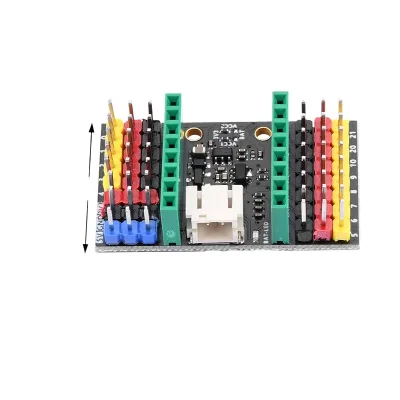
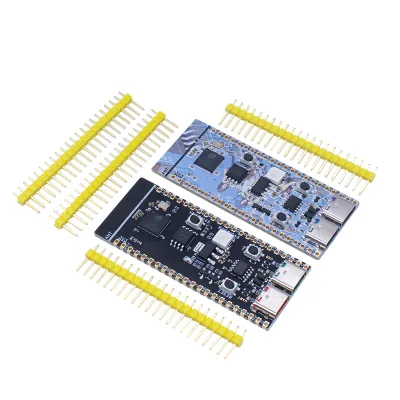
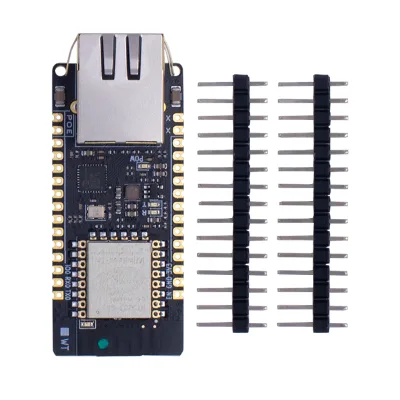
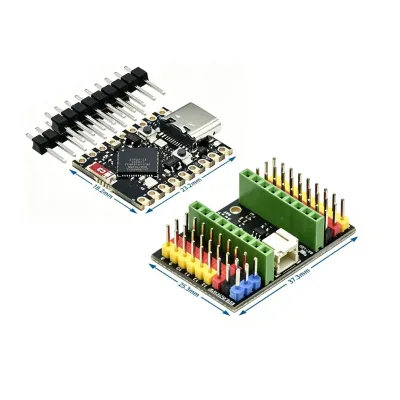
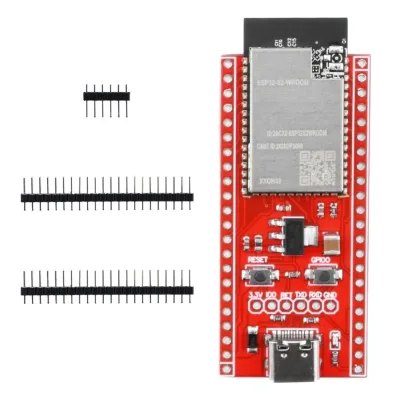
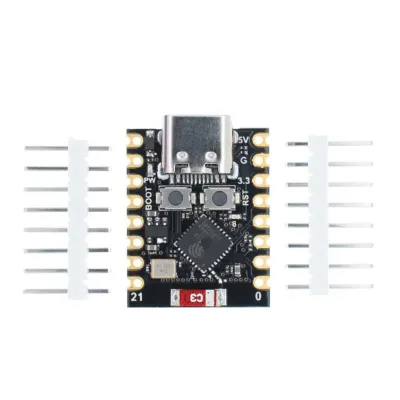
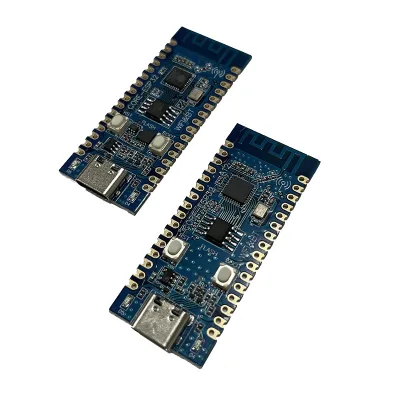
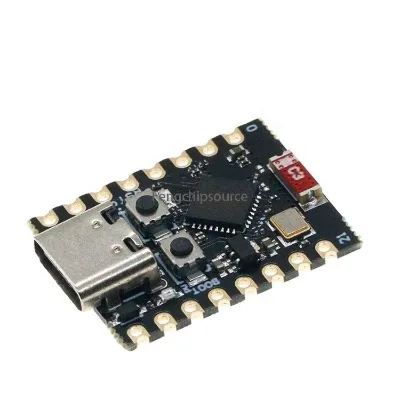
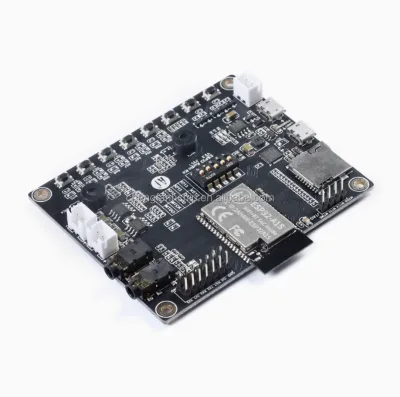
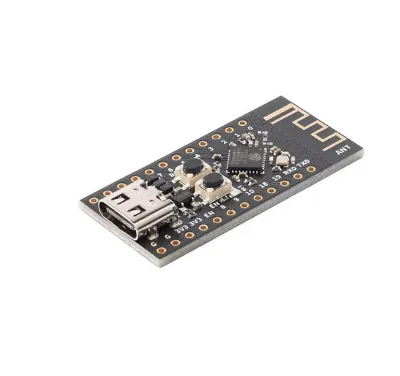
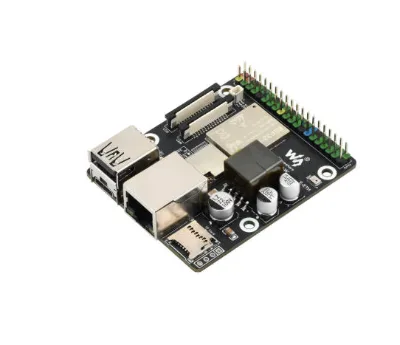
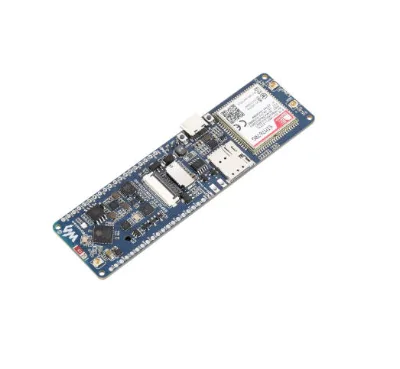
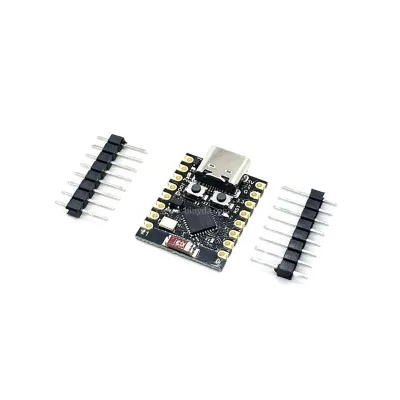
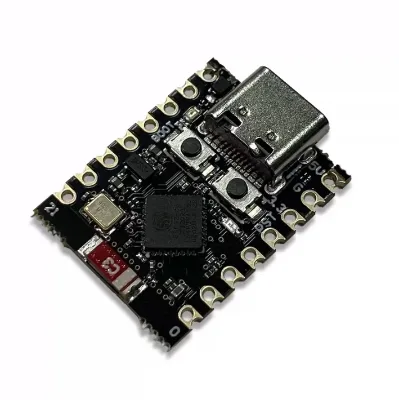


Esp32 S3 Development Board with 4.3 Inch Touch Display Wi-Fi & Bluetooth IoT
$45.00 - $50.00
MOQ: 100 Pieces
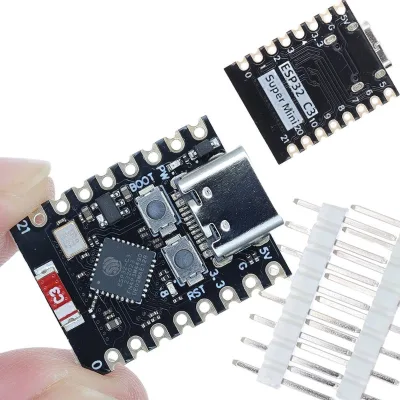


Comprehensive Sourcing Guide
ESP32-S3 Wifi Development Board Sourcing Guide
Procuring an ESP32-S3 Wi-Fi development board requires careful attention to the specific variant and its intended integration within your hardware ecosystem. The market offers a diverse range of options, from fully populated boards to expansion modules designed for specific form factors. Buyers must distinguish between standalone development kits and interface modules that serve as components within larger systems. Understanding these distinctions is critical for aligning the purchased hardware with your engineering requirements and production timelines.
The observed market signals indicate a strong presence of Chinese manufacturing hubs, particularly in Guangdong, where many suppliers operate as factory producers. Listings frequently highlight features such as solderless designs, specific color options, and various package sizes, reflecting the modular nature of these components. Some suppliers offer one-stop BOM supporting services, which can streamline the procurement process for complex assemblies. However, the variability in model numbers and specifications necessitates rigorous verification before committing to any purchase order.
Product Scope and Observed Listing Signals
The current landscape for ESP32-S3 and related ESP32-C3 boards includes a wide array of product types, ranging from standard development boards to specialized expansion modules. Listings often describe items as functional modules or interface boards, with some explicitly noting they are not welded or are solderless. This variety suggests that buyers are not just purchasing a single product but rather selecting from a spectrum of hardware solutions tailored to different integration needs. The presence of both "standard" and "SuperMini" specifications indicates that form factor constraints are a significant driver in product selection.
Supplier types vary, with many identifying as factory producers, which may imply direct access to manufacturing capabilities. However, the branding on these products is inconsistent, with some listings displaying specific brand names like Andowell, while others use generic terms like "OEM" or "New original." This inconsistency highlights the importance of verifying the actual manufacturer rather than relying solely on the label. Additionally, the description of products as "photoelectronic sensor" or "fiber optic media converter" in some contexts suggests that these boards may be part of broader industrial or networking applications, requiring buyers to confirm the exact functional scope.
Technical Specifications to Verify
When evaluating technical specifications, buyers must prioritize the chipset and board configuration to ensure compatibility with their design. The ESP32-C3 and ESP32-S3 are distinct chips with different capabilities, and confusion between them can lead to significant project delays. It is essential to verify whether the board is fully populated or requires additional components, as this impacts both the initial cost and the assembly effort. The single package size and gross weight provide clues about the physical dimensions and density of the board, which are crucial for enclosure design and shipping logistics.
Further verification should focus on the functional applications and interface types supported by the board. Some listings mention interface modules or specific model numbers like ALX-11059 and ALX-12651, which may correspond to unique feature sets or revisions. Buyers should also check for details on power consumption, such as Icc and Idd values, although these are often listed as generic placeholders. Confirming the exact model number and its associated datasheet is vital to understanding the pinout, memory configuration, and wireless performance characteristics of the board.
Compliance and Safety Documentation
Compliance and safety documentation are critical for ensuring that the development boards meet regulatory requirements in your target markets. While specific certification statuses are not always explicitly stated in general listings, buyers should request evidence of compliance with relevant standards for electronic components. This includes verifying that the boards do not contain restricted substances and that they meet electromagnetic compatibility requirements. The condition of the products, often described as "original," should be backed by documentation proving their authenticity and traceability.
Warranty terms and after-sales support are also key components of the compliance and safety framework. A standard warranty period, such as three months, may be offered, but buyers should clarify the scope of this coverage. It is important to understand what constitutes a defect and the process for returns or replacements. Additionally, suppliers offering 24-hour online service can provide valuable support during the integration phase, helping to resolve technical issues that may arise during testing and development.
Cost Drivers and Commercial Terms
Cost drivers for ESP32-S3 and related development boards include the chipset type, board complexity, and the level of pre-assembly. Fully populated boards typically command a higher price due to the additional components and labor involved in their production. The observed price range suggests significant variability, with some items priced competitively while others may be more expensive due to specialized features or lower production volumes. Buyers should consider the total cost of ownership, including shipping, tariffs, and potential rework costs, rather than just the unit price.
Commercial terms such as MOQ, payment methods, and shipping options also influence the overall cost structure. Many suppliers offer flexible MOQs, with some allowing single-item purchases, which is beneficial for prototyping. Payment methods like PayPal, TT, and Western Union provide convenience, but buyers should be aware of associated fees and currency exchange risks. Shipping by express delivery ensures faster turnaround times but can be costly, so balancing speed with budget is essential for effective procurement planning.
Supplier Qualification and Quality Control
Supplier qualification is a critical step in mitigating the risks associated with sourcing electronic components. Buyers should verify the supplier's status as a factory producer or an authorized distributor to ensure the authenticity of the products. The presence of BOM supporting services can indicate a supplier's capability to handle complex procurement needs, but it is important to assess their quality control processes. Requesting samples before placing bulk orders allows buyers to evaluate the physical quality and functionality of the boards firsthand.
Quality control measures should include checks for physical defects, such as soldering quality and component placement. The single gross weight and package size can be used to verify that the received items match the ordered specifications. Suppliers offering support for samples and 24-hour online service demonstrate a commitment to customer satisfaction, which is a positive indicator of their reliability. Buyers should also inquire about the supplier's return policy and their ability to provide technical documentation and support throughout the product lifecycle.
Long-Term Procurement Checks
Long-term procurement checks involve establishing a sustainable supply chain that can adapt to changing market conditions and project requirements. Buyers should monitor the availability of the ESP32-S3 and related boards, as supply chain disruptions can impact production schedules. Building relationships with multiple suppliers can provide flexibility and reduce dependency on a single source. Regularly reviewing supplier performance, including delivery times and product quality, helps maintain high standards and identifies potential issues early.
It is also important to stay informed about technological advancements and new product releases in the ESP32 ecosystem. As the market evolves, newer variants may offer improved performance or lower costs, making it worthwhile to periodically reassess your sourcing strategy. Engaging with suppliers for feedback on product usage and future needs can foster collaboration and lead to better pricing and service terms. By maintaining a proactive approach to procurement, buyers can ensure a steady supply of high-quality development boards for their projects.
FAQs
What is the chipset used in the ESP32-C3 development board?
The development board utilizes the ESP32-C3 chipset for its processing needs. This component enables robust wireless connectivity and efficient performance for various IoT applications. The board is designed to support learning and testing scenarios, making it suitable for developers exploring new hardware capabilities. It is available in different configurations to meet specific project requirements.
Where is the ESP32-C3 development board manufactured?
The board is manufactured in Guangdong, China. This location serves as the primary place of origin for the production units. The manufacturing process ensures that each unit meets the specified standards for quality and functionality. Buyers can expect consistent production quality from this regional factory output, supporting reliable supply chain operations for electronic components.
Can I get samples of the ESP32-C3 development board?
Samples are supported for this development board product. Buyers can request sample units to evaluate the hardware before placing larger orders. This service allows for practical testing of the board's features and compatibility with existing systems. Contacting the supplier directly is recommended to arrange sample acquisition and discuss any specific testing requirements for your project.
What is the warranty period for the ESP32-C3 board?
The warranty period for the board is three months. This coverage applies to the functional integrity of the unit upon delivery. Buyers should verify the condition of the product upon receipt to ensure it meets the original specifications. The warranty provides a short-term assurance of quality, allowing for replacement or support if defects are identified within this timeframe.
What payment methods are accepted for the development board?
Accepted payment methods include PayPal, TT, Western Union, and Trade Assurance. These options provide flexibility for international and domestic transactions. Buyers can choose the method that best suits their financial processes and security preferences. Trade Assurance offers additional protection for orders, ensuring that payments are handled securely through the platform's verified systems.
What is the packaging size for the single unit?
The single package size varies, with one listed dimension being 13.0 by 9.0 by 9.0 cm. Another variant is listed at 25 by 15 by 5 cm. These dimensions reflect the packaging for different product configurations or bundles. Buyers should confirm the specific packaging details for their order to ensure proper logistics planning and storage requirements are met.