Source FDA LFGB On-Glazed Dinnerware Set for Home Hotel Restaurant
Compare 25 options for FDA LFGB On-Glazed Dinnerware Set featuring ceramic and stoneware materials. Buyers can evaluate eco-friendly designs, custom colors, and safety certifications for daily use in homes, hotels, and restaurants; compare the available evidence and request quotations based on your requirements.
Key considerations
Products List


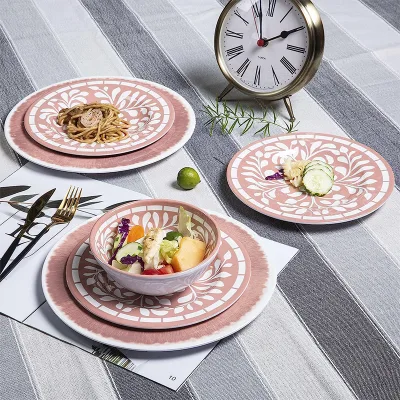


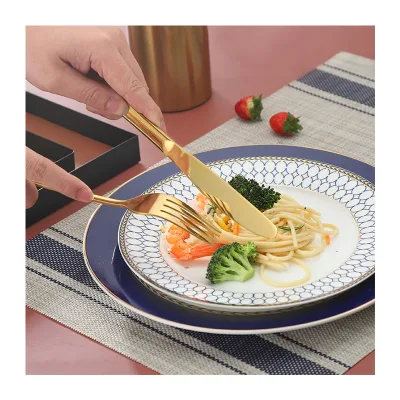

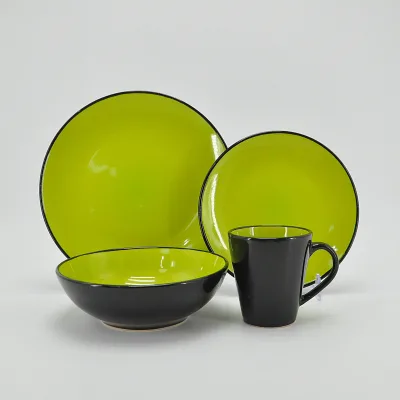

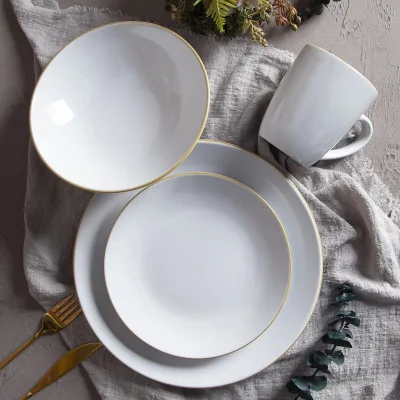
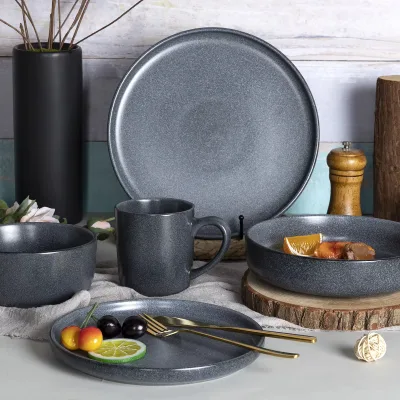


4PCS Glaze Dinner Set Available in Multiple Colors Ceramic China Tableware
$11.94 - $13.05
MOQ: 2500 Sets
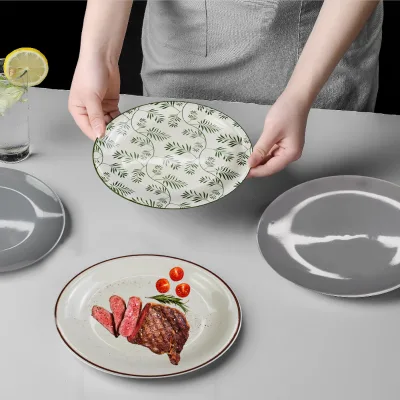


Hot-Selling Three-Piece Set, Large Capacity and High Insulation Lunch Box
$1.45 - $1.50
MOQ: 2000 Pieces
Comprehensive Sourcing Guide
FDA LFGB On-Glazed Dinnerware Set Sourcing Guide
Procuring glazed dinnerware sets with verified FDA and LFGB compliance requires a rigorous review of material composition and glaze chemistry. Buyers must prioritize suppliers who explicitly list these certifications alongside specific product models, as the presence of lead and cadmium in glazes is a primary regulatory concern for food contact items. The observed market data indicates that compliant products often feature reactive or color glaze structures designed to meet strict migration limits for heavy metals.
Sourcing decisions should be anchored in the supplier's ability to provide batch-specific test reports rather than generic certification claims. While some listings mention CE/EU and CIQ standards, the specific FDA and LFGB requirements demand distinct testing protocols for acidic and fatty food simulants. Buyers should verify that the "Food Contact Safe" standard cited in product attributes aligns with the actual chemical composition of the ceramic or stoneware body used in the specific order.
Product Scope and Observed Listing Signals
The current market offers a diverse range of glazed dinnerware sets, including stone ware and ceramic porcelain options with capacities ranging from standard 12 oz mugs to complete 11-20 piece service sets. Observed listings highlight products with simple, modern luxury, or colored styles, often available in round, square, or unique shapes like leaves and stars. These variations suggest that compliance verification must be applied to every specific SKU, as glaze formulations can differ significantly even within the same product family.
Buyers should note that packaging and customization options vary widely, from bulk packing to color boxes and palletized shipments. The availability of custom colors such as yellow, green, blue, and purple, alongside unicolor options, implies that the glazing process is a critical control point for consistency. When evaluating product signals, it is essential to confirm that the "Eco-Friendly" and "Stocked" attributes do not compromise the structural integrity or safety of the glaze under high-temperature dishwasher conditions.
Technical Specifications to Verify
Technical verification must begin with the specific material classification, as the observed data lists ceramic, stoneware, crockery, and porcelain as available options. Each material type interacts differently with glaze formulations, affecting the final product's durability and safety profile. Buyers should explicitly request the chemical composition of the glaze for the selected model, ensuring that the reactive or color glaze structures are compatible with the intended food contact applications in homes, restaurants, or hotels.
Dimensional and structural specifications are equally critical for ensuring the product meets functional safety standards. The observed standards reference specific dimensions for dinner plates, salad plates, and bowls, which influence the surface area exposed to food and the thermal shock resistance required for microwave and dishwasher use. Procurement teams must verify that the "Lead & Cadmium Free" claim is supported by the specific glaze thickness and firing temperature data provided for the chosen model number.
Compliance and Safety Documentation
Reliable compliance documentation for FDA and LFGB standards must include third-party laboratory test reports that specifically address heavy metal migration limits. While some suppliers list CE/EU, CIQ, FDA, LFGB, and EEC certifications, buyers must ensure these documents are current and correspond to the exact production batch being ordered. The presence of a "Food Contact Safe" quality standard is a necessary baseline, but it does not replace the need for specific migration test results for lead and cadmium.
Buyers should also verify that the supplier maintains a robust quality control system that includes regular testing of raw materials and finished goods. The observed "Ab Grade" standard suggests a tiered quality approach, but for international markets, the highest safety tier is mandatory. It is crucial to confirm that the "Safe Instruction" regarding microwave and dishwasher safety is backed by thermal shock testing data, ensuring the glaze does not degrade or leach harmful substances during repeated use cycles.
Cost Drivers and Commercial Terms
Cost structures for compliant glazed dinnerware are heavily influenced by the complexity of the glaze formulation and the rigor of the safety testing required. Products featuring custom colors, reactive glazes, or unique shapes often incur higher production costs due to the need for precise firing controls and additional quality assurance steps. Buyers should anticipate that the minimum order quantities, which range from 50 to 5000 pieces, will directly impact the unit price, with larger orders typically offering better economies of scale for certified products.
Commercial terms must clearly define the responsibilities for compliance documentation and liability in the event of a regulatory failure. The observed MOQ of 500 pieces for certain models indicates that smaller buyers may face higher per-unit costs or need to consolidate orders to meet supplier thresholds. It is essential to negotiate terms that include the supplier's commitment to providing updated test reports for every shipment, ensuring that the "Good Price" advantage does not come at the expense of regulatory compliance.
Supplier Qualification and Quality Control
Supplier qualification should focus on their manufacturing capabilities and their history of producing food-safe ceramic and stoneware products. The observed data indicates that many suppliers are located in Fujian, China, a region known for its ceramic industry, but buyers must verify the specific factory's quality management systems. A qualified supplier will demonstrate a clear process for controlling glaze application and firing temperatures to prevent defects that could compromise the safety of the finished dinnerware set.
Quality control protocols must extend beyond final inspection to include in-process monitoring of raw material inputs and glaze mixing. Buyers should require evidence of a "24 Hours" service capability for addressing quality issues, as this responsiveness is often a proxy for the supplier's overall operational maturity. The ability to provide "Product Design" and "Colorbox Design" services suggests a level of customization that requires even stricter quality controls to maintain consistency across different color and shape variations.
Long-Term Procurement Checks
Establishing a long-term procurement strategy requires regular re-verification of compliance documentation and ongoing quality audits. Regulatory standards can evolve, and suppliers may change their glaze formulations or sourcing of raw materials without immediate notification. Buyers should implement a schedule for requesting updated FDA and LFGB test reports, ensuring that the "Lead & Cadmium Free" status remains valid throughout the lifecycle of the product line.
Continuous monitoring of supplier performance is essential to maintain the integrity of the supply chain. Buyers should track key performance indicators such as defect rates, delivery lead times, and the frequency of compliance-related issues. The observed "Hot Selling" status of certain models suggests high demand, which can strain production capacity and potentially impact quality. Regular audits and clear communication channels are necessary to ensure that the "Eco-Friendly" and "High Quality" attributes are consistently delivered over time.
FAQs
What does FDA and LFGB compliance mean for a glazed dinnerware set?
FDA and LFGB compliance means the glaze and ceramic body have been tested for food contact safety, including limits on lead and cadmium migration. LFGB is the German food contact regulation and is generally considered stricter than FDA requirements. Buyers serving EU or US markets should request test documentation for the specific glaze colors in their order.
Can glazed dinnerware sets be customized with my own colors and logo?
Yes, customization is available. Buyers can choose from colors such as yellow, green, blue, purple, black, white, and red, and arrange color box or display box packaging with their own branding. Confirm artwork files, logo placement, and sample approval before mass production, and note that custom decoration may require new food contact testing.
Which glaze finishes are available on these ceramic and stoneware dinnerware sets?
Color glaze and reactive glaze structures are both available. Color glaze gives a uniform unicolor appearance across the set, while reactive glaze creates varied, mottled patterns where each piece differs slightly. Both finishes are offered on stoneware and ceramic bodies, and finish choice can affect lead time and per-piece pricing.
How should I choose between stoneware and porcelain for a dinnerware set?
Stoneware offers a heavier, rustic feel with strong durability for daily use, while porcelain is lighter and more refined for hotel or upscale restaurant settings. Both can meet food contact safe standards when fired and glazed correctly. Consider your target price point, packing volume, and whether microwave and dishwasher safe performance is required.
What is the typical minimum order quantity for a glazed dinnerware set?
The listed minimum order quantity is 500 pieces per item. Orders below this may be possible for stocked or simple designs, but custom colors, logos, or packaging usually require meeting the standard MOQ. Higher volumes typically improve unit pricing, so ask for tiered quotations when planning a full container program.
Can the dinnerware be used in the microwave and dishwasher?
Yes, the glaze and body are designed to be microwave and dishwasher safe, and the product is described as lead and cadmium free. Reactive glaze pieces with metallic or hand-applied decoration should be confirmed separately, since special finishes sometimes carry care restrictions. Always verify the care instructions printed on the packaging for the specific model.
What pieces are included in a standard dinnerware set?
A typical configuration includes a 10.5 inch dinner plate, a 7.5 inch salad plate, a 5.5 inch bowl, and a 12 oz mug, with 16 pieces packed in a color box. Set composition can be customized for restaurant, hotel, or coffee bar use. Confirm the exact piece list and packing breakdown when requesting a quotation.
How is the dinnerware packed for export shipment?
Packing options include brown box, color box, carton box, pallet, and polyfoam protection, and bulk packing is also available. Polyfoam or dividers are recommended for glassy glazed finishes to reduce breakage in transit. Discuss export carton specifications, drop test expectations, and pallet configuration with the factory before confirming the order.