Source FDA ISOCE TENS Electrode Pads for Clinics, Salons, and Home Use
Compare 30 listings for FDA ISOCE TENS Electrode Pads designed for pain relief and muscle relaxation. These skin-friendly cotton pads support electrotherapeutic applications in clinics, salons, and home settings, offering customizable options for various therapeutic needs; compare the available evidence and request quotations based on your requirements.
Key considerations
Products List

$0.10 - $0.40
MOQ: 10000 Pieces



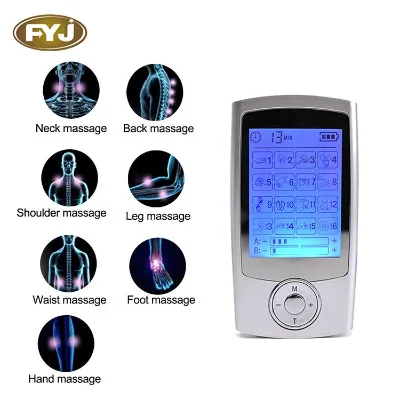
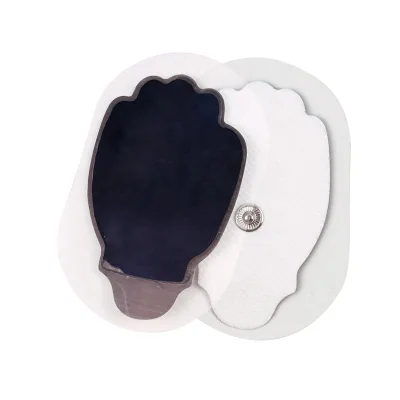
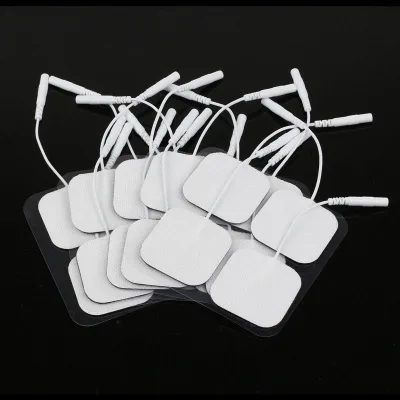
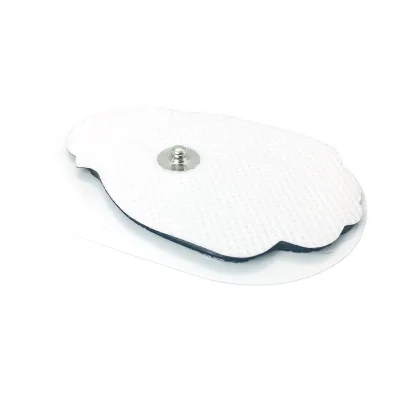


Comprehensive Sourcing Guide
FDA ISOCE TENS Electrode Pads Sourcing Guide
Sourcing FDA ISOCE TENS Electrode Pads requires careful attention to material composition and regulatory alignment, as these components are critical for effective electrotherapeutic treatments. Buyers must distinguish between standard disposable pads and reusable alternatives, ensuring that the selected product matches the specific requirements of their therapeutic devices. The observed market data indicates a wide range of materials, including skin-friendly cotton, non-woven fabrics, and foam, each offering different levels of conductivity and comfort. Understanding these material differences is essential for selecting pads that provide consistent performance without causing skin irritation during prolonged use.
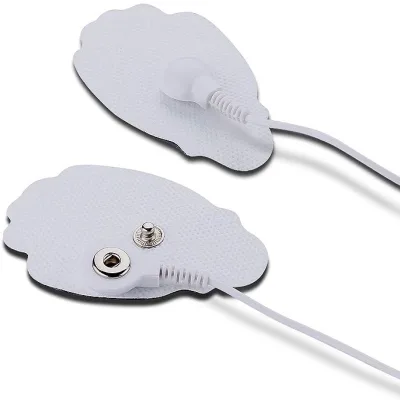
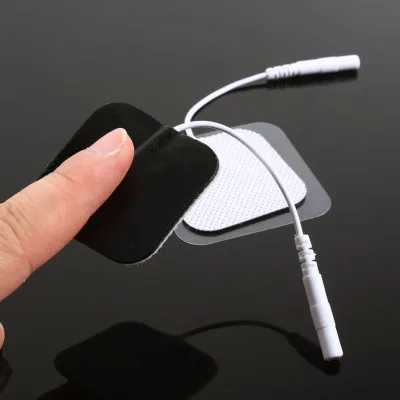
Procurement teams should also verify the connection methods available, such as snap connectors or lead wires, to ensure compatibility with existing Tens units. The supply chain for these medical supplies often originates from China, where manufacturers offer customization options for logo printing and packaging. Buyers need to confirm whether the pads are sterilized, as the observed listings frequently specify "Without Ethylene Oxide Sterilization," which impacts storage and handling protocols. Establishing clear specifications for pad size and adhesive quality early in the sourcing process helps prevent mismatches between the electrodes and the intended application areas, such as the palm, finger, wrist, or full hand.
Product Scope and Observed Listing Signals
The current market for Tens electrode pads presents a diverse array of product types, ranging from simple snap electrode pads to more complex configurations designed for specific body parts. Observed listings highlight products with models like HS-L38 and various other specifications, indicating that buyers should not assume a one-size-fits-all solution. The price range observed is notably low, spanning from 0.05 to 15 USD, which suggests that cost-effective options are widely available but may vary significantly in quality and durability. This wide variance necessitates a thorough evaluation of sample quality before committing to large orders, as lower prices may correlate with reduced adhesive strength or inconsistent conductivity.
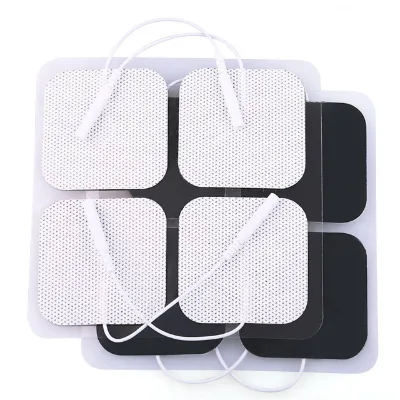
Packaging and presentation also play a crucial role in the procurement decision, with observed packing formats including 2PCS/Strip, 4PCS/Pouch, and bulk carton options. The standard sizes mentioned, such as 4040mm, 5050mm, and 25mm, provide a baseline for inventory planning, but buyers should verify if custom dimensions are available to meet specific clinical needs. Additionally, the color options, typically white, brown, or black, may be relevant for aesthetic preferences in professional settings like nail salons or beauty clinics. Understanding these listing signals helps buyers align their procurement strategy with the actual product offerings, ensuring that the selected pads meet both functional and logistical requirements.
Technical Specifications to Verify
When evaluating Tens electrode pads, verifying the material composition is paramount to ensure patient safety and device efficacy. The observed materials include skin-friendly cotton, non-woven fabrics, and foam, each with distinct properties regarding breathability and gel retention. Buyers must confirm that the gel used in the pads is hypoallergenic and maintains conductivity over multiple uses if the product is designed for reuse. Additionally, the connection type, whether snap or lead wire, must be compatible with the user’s Tens unit to prevent signal loss or intermittent therapy sessions. Detailed technical specifications should also include the pad’s adhesive strength and the duration of effective conductivity, which are critical for consistent therapeutic outcomes.
Another key technical aspect is the pad’s size and shape, which should match the targeted muscle groups or nerve pathways. Standard sizes like 4060mm or 5090mm offer versatility, but custom sizes may be necessary for specialized applications. Buyers should also inquire about the pad’s shelf life and storage conditions, as improper storage can degrade the gel and reduce effectiveness. Furthermore, the presence of any additional features, such as reinforced edges or specific connector designs, should be documented to ensure seamless integration with existing equipment. Clear technical verification prevents operational disruptions and ensures that the pads perform reliably in both clinical and home settings.
Compliance and Safety Documentation
Regulatory compliance is a non-negotiable aspect of sourcing Tens electrode pads, particularly when dealing with medical devices that interact directly with the human body. The observed certifications include CE, FDA, and ISO13485, which indicate that the manufacturer adheres to stringent quality management and safety standards. Buyers must verify that the specific product batch carries these certifications and that they are current and valid for the intended market. The mention of "FDA ISOCE" in sourcing queries suggests a need for dual compliance, ensuring that the products meet both European and American regulatory requirements. This dual certification is crucial for distributors and healthcare providers who operate in multiple jurisdictions and need to ensure legal market access.
In addition to certifications, buyers should request detailed documentation regarding the sterilization process, or the lack thereof, as many observed products are listed as "Without Ethylene Oxide Sterilization." This information is vital for determining the appropriate handling and storage procedures to prevent contamination. Furthermore, the material safety data sheets should be reviewed to ensure that all components, including the adhesive and gel, are free from harmful substances. Compliance documentation also extends to the manufacturer’s quality control processes, which should be transparent and auditable. Ensuring that all regulatory requirements are met protects the buyer from legal liabilities and enhances the trust of end-users in the safety and efficacy of the product.
Cost Drivers and Commercial Terms
The cost of Tens electrode pads is influenced by several factors, including material quality, customization options, and order volume. The observed MOQ range of 1 to 50,000 units offers flexibility for buyers of all sizes, from small clinics to large distributors. However, buyers should be aware that lower MOQs may come with higher per-unit costs, while larger orders can leverage economies of scale. Customization, such as logo printing and specific packaging, adds to the overall cost but can enhance brand visibility and market differentiation. Understanding these cost drivers helps buyers negotiate better terms and align their procurement budget with their business goals.
Commercial terms also play a significant role in the total cost of ownership, including shipping, handling, and payment terms. The observed packing dimensions, such as 492741cm for cartons, impact shipping costs and storage requirements. Buyers should clarify whether the quoted price includes packaging materials and if there are any additional fees for customization or expedited shipping. Payment terms, such as deposits or letters of credit, should be negotiated to mitigate financial risk. Additionally, lead times for production and delivery should be confirmed to ensure that inventory levels are maintained without disruption. Clear commercial terms prevent unexpected costs and ensure a smooth procurement process.
Supplier Qualification and Quality Control
Selecting a reliable supplier for Tens electrode pads requires a thorough assessment of their manufacturing capabilities and quality control processes. Buyers should verify the supplier’s production facilities, ensuring that they adhere to good manufacturing practices and maintain a clean environment to prevent contamination. The observed origin of these products is China, where many manufacturers have established robust quality management systems. Buyers should request evidence of these systems, such as ISO13485 certification, and inquire about the supplier’s history of compliance with regulatory standards. A supplier with a strong track record of quality control is less likely to deliver defective products, reducing the risk of recalls or customer complaints.
Quality control measures should also include regular testing of the pads for conductivity, adhesive strength, and material integrity. Buyers should ask for sample testing results and consider conducting their own quality checks upon receipt of the goods. Additionally, the supplier’s ability to handle customization requests, such as logo printing and specific packaging, should be evaluated to ensure that they can meet the buyer’s branding needs. Communication and responsiveness are also key indicators of a reliable supplier, as they reflect the supplier’s commitment to customer service and problem resolution. Establishing a strong relationship with a qualified supplier ensures consistent product quality and supports long-term procurement success.
Long-Term Procurement Checks
Long-term procurement of Tens electrode pads requires ongoing monitoring of product performance and supplier reliability. Buyers should establish a feedback loop with end-users to gather insights on pad comfort, conductivity, and durability. This feedback can inform future purchasing decisions and help identify any emerging issues with specific product batches. Regular audits of the supplier’s quality control processes can also ensure that standards are maintained over time. Additionally, buyers should stay informed about changes in regulatory requirements and market trends that may impact the sourcing strategy. Proactive management of these factors helps mitigate risks and ensures a steady supply of high-quality products.
Supply chain resilience is another critical aspect of long-term procurement, particularly in the face of potential disruptions. Buyers should diversify their supplier base to reduce dependency on a single source and ensure continuity of supply. Regular reviews of commercial terms and pricing can help identify opportunities for cost savings and better value. Furthermore, buyers should maintain open communication with suppliers to address any issues promptly and collaboratively. By implementing these long-term checks, buyers can build a robust and sustainable procurement strategy that supports their business objectives and meets the needs of their customers.
FAQs
What certifications do the electrode pads hold?
The electrode pads hold CE, FDA, and ISO13485 certifications. Some listings also mention FDA and ISOCE compliance. These certifications ensure the products meet international safety and quality standards for medical and therapeutic use in various settings.
Which materials are used for the electrode pads?
The electrode pads are made from Non-Woven or Foam materials. Some variants utilize Skin-friendly Cotton for direct skin contact. These materials are selected to ensure comfort and safety during therapeutic applications on different body parts.
Can the electrode pads be customized with a logo?
Yes, logo printing is available for these electrode pads. Customization options allow buyers to add branding to the product. This feature supports businesses looking to create private label products for their specific market needs and distribution channels.
What are the standard sizes for the electrode pads?
Standard sizes include 40*40mm, 50*50mm, 40*60mm, 25mm, 32mm, and 50*90mm. Various other sizes are also available depending on the specific model. These dimensions cater to different application areas and therapeutic requirements for users.
How are the electrode pads packaged for shipment?
Packaging options include 2PCS per strip, 4PCS per pouch, or 200PCS per carton. Some items are shipped in different bags or standard cartons. The specific packing method depends on the order quantity and the selected product model.
Where are these electrode pads manufactured?
These electrode pads originate from China. The manufacturing location ensures access to established supply chains for medical supplies. Buyers can expect consistent production capabilities and logistics support from this specific geographic origin for their orders.
What is the connection type for the electrode pads?
The connection types available are Snap or Lead Wire. This allows flexibility in connecting the pads to various TENS units. Users can choose the connection method that best fits their existing equipment and therapeutic setup requirements.