Source FDA LFGB Insulated Paper Cups for Coffee Tea and Cold Drinks
Compare 30 listings for FDA LFGB Insulated Paper Cups designed for hot beverages, cold drinks, and tea service. Buyers can evaluate single and double wall options with customizable logos and eco-friendly materials from verified Chinese manufacturers.
Key considerations
Products List


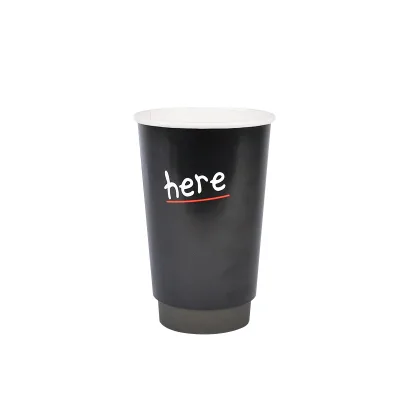
16oz Recyclable Insulated Paper Cups for Water Coffee with PE Coating
$0.01 - $0.01
MOQ: 500000 Pieces



Comprehensive Sourcing Guide
Strategic Sourcing Guide for FDA and LFGB Compliant Insulated Paper Cups
The global demand for sustainable beverage packaging has elevated insulated paper cups to a critical category for B2B procurement. Buyers seeking products that meet FDA and LFGB standards must navigate a complex landscape where material science, manufacturing capabilities, and regulatory compliance intersect. This guide provides a disciplined approach to sourcing insulated paper cups, focusing on verified product attributes, technical specifications, and supplier evaluation criteria derived from current market data. The objective is to equip procurement professionals with the knowledge to identify suppliers capable of delivering high-performance, eco-friendly solutions without relying on unverified marketing claims.
Technical Specifications and Material Composition
Understanding the physical and technical characteristics of insulated paper cups is the first step in the sourcing process. The core material for these products is paper, specifically engineered to provide thermal insulation while maintaining structural integrity. Market observations indicate that the primary construction type is single-wall paper, though some listings highlight double-wall features which offer enhanced thermal retention. The choice between single and double-wall configurations depends heavily on the intended beverage temperature and the specific thermal requirements of the application.
The manufacturing techniques employed are equally critical. Offset printing and flexographic printing are the two dominant methods observed in the sector. Offset printing typically offers higher resolution for complex, multicolor designs, while flexographic printing is often preferred for high-volume runs with simpler color palettes, typically ranging from one to six colors. The customization of the product extends beyond the visual design to include the physical dimensions. Available sizes span a wide range, from 3oz to 24oz, with specific standard increments including 4oz, 5oz, 6oz, 8oz, 10oz, 12oz, 14oz, 16oz, and 22oz. Buyers must verify that the selected size aligns with their specific product line, as capacity variations directly impact the volume of liquid the cup can hold and the amount of insulation required.
The lids provided with these cups are a standard component, designed to seal the beverage and prevent spills. The packaging configuration is another technical consideration, with common arrangements including 50 pieces per 20 bags or 1000 pieces per carton. Some suppliers utilize seaworthy packing standards to ensure the integrity of the product during long-distance transit. The folding state of the cups is typically "unfolded" upon delivery, ready for immediate use or further processing, though some supply chains may offer pre-folded options depending on the logistics strategy.
Compliance and Certification Verification
For buyers targeting the North American and European markets, compliance with FDA (Food and Drug Administration) and LFGB (German Food and Feed Code) standards is non-negotiable. While the supplied data explicitly lists SGS certification as a verified attribute, it is crucial to understand that SGS is a third-party inspection and certification body, not a standard itself. The presence of an SGS certification indicates that the product has undergone rigorous testing, but buyers must explicitly verify that the specific test results cover FDA migration limits and LFGB food safety requirements.
The data also references EN13432 and ASTM D6400 as background standards. These are critical benchmarks for biodegradability and compostability. EN13432 is the European standard for packaging recoverable through composting and biodegradation, while ASTM D6400 is the American standard for similar purposes. Although these are listed as background information rather than confirmed attributes for every listing, they represent the industry baseline for "Eco-Friendly" and "Biodegradable" claims. A supplier claiming their cups are 100% eco-friendly and biodegradable should be able to provide documentation proving compliance with these specific standards.
Buyers must treat the "Eco-Friendly" and "Biodegradable" attributes as observations that require validation. The material is identified as paper, which is inherently more sustainable than plastic, but the adhesives and coatings used to create the insulation and liquid barrier must also be food-safe and compliant. The verification process should involve requesting current certificates of analysis (CoA) and specific test reports from the supplier. These documents must confirm that the finished product does not leach harmful substances into hot or cold beverages and meets the specific chemical migration limits set by the FDA and LFGB.
Cost Drivers and Pricing Dynamics
The pricing structure for insulated paper cups is influenced by a complex interplay of factors, including material costs, customization levels, and order volume. The observed price range in the market is quite low, ranging from $0.01 to $0.09 per unit. However, this range is highly sensitive to the Minimum Order Quantity (MOQ). The observed MOQs vary significantly, from 500 units to 500,000 units. This disparity suggests that smaller orders will command a premium price per unit, while large-scale procurement can achieve the lower end of the price spectrum.
Customization is a primary cost driver. The ability to apply a customized logo and customized packaging adds value but also increases production complexity and cost. Suppliers offering "Customized Logo" and "Customized Packaging" services typically have higher MOQs to amortize the setup costs for printing plates and design adjustments. The production capacity of the supplier is another factor; facilities capable of producing 250,000 pieces per day can offer more competitive pricing for large orders due to economies of scale.
Buyers should also consider the logistics costs associated with shipping. The data indicates that sea freight is supported, which is the most cost-effective method for large volumes. However, the "Seaworthy Packing" requirement implies specific packaging standards that may add to the unit cost. When evaluating the total cost of ownership, procurement teams must look beyond the unit price and factor in the shipping method, packaging density, and the potential for waste or damage during transit. The "Free Sample" availability mentioned in the data can be a valuable tool for cost assessment, allowing buyers to test the product quality before committing to a large order.
Typical Applications and Usage Scenarios
The versatility of insulated paper cups makes them suitable for a wide array of applications. The primary usage categories identified include hot cups, cold cups, tea cups, and drinking cups. This broad applicability means that the same product line can serve coffee shops, tea houses, fast-food chains, and catering services. The specific application dictates the required insulation level and the type of lid used. For instance, hot beverages require cups with superior thermal retention to protect the user's hands and maintain the beverage temperature, while cold cups may prioritize structural rigidity to prevent condensation and collapse.
Beyond beverages, the data highlights additional usage scenarios such as jelly cups, food packaging, universal packaging, pharmaceutical packaging, and gift packaging. This indicates that the cups are not limited to liquid consumption but can be adapted for semi-solid foods or even as containers for small gifts. The "European" and "Simple" styles observed in the market suggest that design aesthetics can be tailored to match the brand identity of the client, whether it is a high-end European cafe or a casual American diner.
The age demographic for these products is "for every age," reinforcing their universal appeal. This broad target audience requires a product that is safe, durable, and aesthetically pleasing. The "Multicolor" option allows for vibrant branding, which is essential for marketing in competitive markets. Buyers should align their product selection with the specific needs of their end-users, ensuring that the cup's capacity, insulation, and design meet the functional and aesthetic expectations of the target demographic.
Supplier Evaluation and Manufacturing Capabilities
Selecting the right supplier is paramount to ensuring consistent quality and reliable delivery. The data points to several key attributes that should be used as evaluation criteria. Manufacturing experience is a significant indicator of reliability, with suppliers boasting "Over 20 Years" of experience being preferred. This longevity suggests a deep understanding of the manufacturing process, quality control protocols, and supply chain management.
The production capacity is another critical metric. A daily production capacity of 250,000 pieces indicates a robust facility capable of handling large orders and meeting tight deadlines. Buyers should verify this capacity against their own demand forecasts to ensure the supplier can scale production as needed. The location of the manufacturing facility, specifically noted as "Wuhan, China" or generally "China," is relevant for logistics planning. Buyers must consider the lead times associated with shipping from these locations and the potential impact of geopolitical factors on supply chain stability.
The customization capabilities of the supplier are also vital. The ability to accept "Custom Orders" and provide "Customized Logo" and "Customized Packaging" services demonstrates flexibility and a customer-centric approach. Buyers should assess the supplier's design team and their ability to translate brand requirements into physical products. The "Free Sample" offering is a strong positive signal, indicating confidence in the product quality and a willingness to engage with potential clients.
Quality Control and Long-Term Procurement Considerations
Quality control is the backbone of a successful procurement strategy. The presence of SGS certification is a strong starting point, but buyers must implement a rigorous quality assurance process. This includes conducting incoming inspections, random sampling, and periodic audits of the supplier's facilities. The "Double Wall" and "Single Wall" distinctions must be verified against the actual product received to ensure that the insulation performance matches the specifications.
Long-term procurement considerations involve building a sustainable relationship with the supplier. The "Accept Custom Order" attribute suggests that the supplier is open to ongoing collaboration and product development. Buyers should look for suppliers who are willing to invest in continuous improvement and innovation. The "Eco-Friendly" and "Biodegradable" attributes are not just marketing terms but long-term strategic assets. As regulations tighten and consumer awareness grows, the ability to source truly sustainable products will become a competitive advantage.
Buyers should also consider the environmental impact of the packaging. The "Seaworthy Packing" and "1000 PCS/CTN" specifications suggest a focus on efficient logistics, which reduces the carbon footprint associated with transportation. However, the total environmental impact must be assessed holistically, including the sourcing of raw materials, the manufacturing process, and the end-of-life disposal of the product.
Final Sourcing Recommendations
In conclusion, sourcing FDA and LFGB compliant insulated paper cups requires a meticulous approach that balances technical specifications, regulatory compliance, and cost efficiency. Buyers must verify the SGS certification and ensure that the product meets the specific standards of EN13432 and ASTM D6400 if biodegradability is a requirement. The wide range of sizes and customization options provides flexibility, but the buyer must clearly define their needs to avoid unnecessary costs.
The observed price range of $0.01 to $0.09 and the varying MOQs highlight the importance of volume planning. Suppliers with over 20 years of experience and high daily production capacities are preferred for large-scale orders. The "Free Sample" option should be utilized to validate product quality before committing to a full order. By focusing on these evidence-based criteria, buyers can secure a reliable supply of high-quality, sustainable paper cups that meet the demands of the modern market.
FAQs
Can these paper cups be customized with a logo?
Yes, customized logos are available for these insulated paper cups. Suppliers accept custom orders and offer offset or flexographic printing with up to six colors to match brand requirements.
What sizes are available for insulated paper cups?
Available sizes range from 3oz to 24oz, including specific increments like 8oz, 10oz, 12oz, 16oz, and 22oz. Buyers must verify that the selected capacity aligns with their specific beverage volume needs.
How are these cups packaged for shipping?
Cups are typically packed in cartons containing 1000 pieces or 50 pieces per 20 bags. Seaworthy packing standards are used to ensure product integrity during long-distance transit via sea freight.
What certifications do these paper cups hold?
Products carry SGS certification as a verified attribute. While EN13432 and ASTM D6400 are background standards for biodegradability, buyers must explicitly request test reports to confirm FDA and LFGB compliance.
What is the production capacity of these manufacturers?
Manufacturers can produce up to 250,000 pieces per day. This high capacity supports large-scale orders, though minimum order quantities may range from 500 to 500,000 units depending on customization.
Are these cups suitable for hot and cold beverages?
Yes, the cups are designed for both hot and cold beverages, including tea, coffee, and jelly. They feature single or double-wall construction to provide necessary thermal insulation for various applications.