Source FDA Non-Stick Silicone Baking Tools for Cakes, Chocolate, and Soap
Compare 30 listings for FDA non-stick silicone baking tools suitable for cakes, chocolate, and soap making. Buyers can evaluate customization options, heat resistance up to 240 C, and various certifications like LFGB and RoHS from suppliers in China.
Key considerations
Products List






Comprehensive Sourcing Guide
FDA Non-Stick Silicone Baking Tools Sourcing Guide
Sourcing FDA-compliant, non-stick silicone baking tools requires a disciplined approach to material verification and supplier qualification. Buyers must distinguish between general silicone products and those specifically engineered for high-temperature culinary use. The core keyword highlights two critical attributes: regulatory compliance with US Food and Drug Administration standards and a functional non-stick surface that eliminates the need for excessive greasing. These tools are not merely decorative; they are functional kitchenware designed for durability, ease of cleaning, and consistent baking results. Understanding the intersection of these features is essential for selecting products that meet both safety regulations and operational efficiency in commercial or high-volume home baking environments.
The procurement process for these items involves navigating a market where "silicone" is a broad term encompassing various grades and compositions. Not all silicone products are created equal, and the distinction between food-grade and industrial-grade materials is paramount. Buyers must ensure that the specific items they intend to purchase are explicitly rated for food contact and can withstand the thermal stresses of oven use. This guide provides a structured framework for evaluating listings, verifying technical specifications, and establishing commercial terms that protect the buyer from quality inconsistencies or regulatory non-compliance. By focusing on evidence-based verification steps, procurement teams can mitigate risks associated with material degradation, chemical leaching, or premature product failure.
Product Scope and Observed Listing Signals
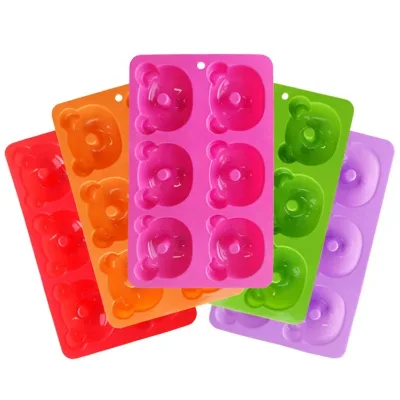
The observed market signals indicate a diverse range of silicone baking accessories, primarily categorized under baking tools and molds. Listings frequently highlight customization options, including logo printing and custom sizing, which suggests a strong OEM/ODM market presence. The material composition is consistently identified as silicone, with some products featuring a metal frame for structural support, particularly in larger or complex mold designs. This hybrid construction is common in professional-grade baking tools where flexibility must be balanced with rigidity to maintain shape during the baking process. Buyers should note that while the base material is silicone, the inclusion of metal components introduces additional verification steps regarding food-safe coatings and structural integrity.
Color and style variations are abundant, with listings offering options such as black, blue, green, pink, and other custom Pantone colors. The aesthetic appeal is often marketed alongside functional benefits, with styles described as modern or fashionable. However, the visual presentation on product pages should not overshadow the functional specifications. The observed data points to a wide range of single package sizes and weights, indicating that buyers must carefully evaluate shipping costs and packaging efficiency. Neutral packing is a common offering, which is advantageous for private label branding, but buyers must confirm that the packaging itself is suitable for protecting the silicone items during transit without causing deformation or surface damage.
Technical Specifications to Verify
Technical verification begins with confirming the heat resistance capabilities of the silicone material. Listings indicate a heat resistance of up to 240 degrees Celsius, which is a critical threshold for most baking applications. Buyers must verify that this rating applies to the entire product, including any non-stick coatings or metal frames, as different components may have varying thermal limits. The silicone hardness is specified within a range of 10-90 Shore A, which influences the flexibility and durability of the mold. Softer silicones (lower Shore A) are easier to release baked goods from but may be more prone to tearing, while harder silicones offer greater structural stability. Understanding this balance is essential for selecting the right product for specific baking tasks, such as delicate cakes versus dense breads.
The non-stick property is a key functional requirement, often achieved through surface treatments or the inherent properties of high-quality platinum-cure silicone. Buyers should verify the surface property description to ensure it is explicitly labeled as non-stick or non-stick coating. Additionally, the reusable design feature is a significant selling point, implying long-term cost savings and reduced waste. However, buyers must assess the durability claims against real-world usage scenarios, such as repeated exposure to high temperatures, freezing, and microwave heating. The applicable scenarios listed include ovens, microwave ovens, and refrigerators, which suggests versatility, but buyers should confirm that the specific product model supports all intended uses, as some silicone products may have limitations regarding direct microwave exposure or extreme cold.
Compliance and Safety Documentation
Compliance with FDA standards is a non-negotiable requirement for silicone baking tools intended for the US market. Listings explicitly mention FDA certification, which indicates that the materials used are safe for food contact. However, buyers must request and verify the actual test reports or certificates of compliance from the supplier. It is not sufficient to rely on the product page claim alone; the documentation must be current and issued by an accredited third-party laboratory. The presence of LFGB certification, which is the German food safety standard, is also noted in some listings. While LFGB is stricter than FDA in some aspects, its presence does not automatically guarantee FDA compliance, so buyers must ensure that the specific product batch meets the regulatory requirements of the destination market.
Other certifications such as Reach and RoHS are mentioned, which relate to chemical restrictions and environmental safety. Reach compliance ensures that the product does not contain restricted hazardous substances, which is important for both consumer safety and environmental regulations. RoHS compliance typically applies to electronic equipment, so its relevance to silicone baking tools may be limited unless the product includes electronic components. Buyers should clarify the scope of these certifications and ensure that the primary focus remains on food safety standards. The material standard is listed as FDA/LFGB, reinforcing the importance of these specific regulatory frameworks. Buyers must also verify that the "One-Stop Service" for food grade claims includes comprehensive testing for heavy metals and volatile organic compounds, which are common concerns in silicone manufacturing.
Cost Drivers and Commercial Terms
The cost of FDA non-stick silicone baking tools is influenced by several factors, including material quality, customization complexity, and order volume. The observed price range is broad, reflecting variations in product design, size, and feature sets. Buyers should be aware that lower prices may indicate the use of lower-grade silicone or fillers, which can compromise durability and safety. The minimum order quantity (MOQ) varies significantly, with some listings showing an MOQ of 10 pieces, while others require 10,000 pieces. This disparity highlights the difference between sample orders and bulk production runs. Buyers must align their order volume with their inventory needs and cash flow constraints, considering that higher volumes often result in lower unit costs but require greater upfront investment.
Customization is a major cost driver, with options for custom logos, colors, and sizes available. These customizations typically incur additional setup fees and may increase the MOQ. Buyers should negotiate clear terms regarding customization costs and lead times. The sample time is listed as 7 days, which is a useful benchmark for evaluating supplier responsiveness. However, buyers should confirm whether this timeline includes shipping and whether rush orders are available at an additional cost. Packaging options, such as neutral packing or custom boxes, also affect the final cost. Buyers must factor in packaging expenses when calculating the total landed cost, especially if they require branded packaging for retail distribution.
Supplier Qualification and Quality Control
Supplier qualification is critical to ensuring consistent quality and compliance. Buyers should conduct thorough due diligence on potential suppliers, including verifying their business licenses, manufacturing capabilities, and quality management systems. Suppliers with experience in producing FDA-compliant silicone products are preferable, as they are likely to have established processes for material sourcing and testing. Buyers should request references or case studies from previous clients, particularly those in the food industry, to assess the supplier's reliability and product performance. The place of origin, such as Anhui, China, is noted in some listings, but buyers should not rely solely on geographic location to assess quality. Instead, they should focus on the supplier's track record and certifications.
Quality control measures should be clearly defined in the purchase agreement. Buyers should specify inspection criteria, such as visual defects, dimensional accuracy, and material hardness. Third-party inspection services can be employed to verify product quality before shipment, providing an additional layer of protection against defects. The feature of being durable and portable is highlighted, but buyers must define what constitutes acceptable durability in their specific context. For example, resistance to tearing, staining, and odor absorption are important factors. Buyers should also establish a clear process for handling defective products, including return policies and compensation terms, to mitigate the risk of receiving substandard goods.
Long-Term Procurement Checks
Long-term procurement success depends on continuous monitoring of supplier performance and product quality. Buyers should establish key performance indicators (KPIs) to track metrics such as on-time delivery, defect rates, and customer feedback. Regular audits of the supplier's quality control processes can help identify potential issues before they impact the supply chain. Buyers should also stay informed about changes in regulatory requirements, such as updates to FDA guidelines or new environmental regulations, to ensure ongoing compliance. The evolving nature of food safety standards requires proactive engagement with suppliers to address any necessary adjustments in materials or manufacturing processes.
Sustainability is an increasingly important consideration in procurement. The eco-friendly and natural healthy attributes of silicone products are highlighted, but buyers should verify these claims through credible certifications or lifecycle assessments. Reducing waste through reusable designs is a significant benefit, but buyers should also consider the end-of-life disposal options for the products. Engaging with suppliers who prioritize sustainable practices can enhance brand reputation and align with consumer values. Finally, buyers should maintain open communication with suppliers to foster a collaborative relationship that supports innovation and continuous improvement in product design and quality.
FAQs
What certifications do the silicone baking molds have?
The molds hold FDA, LFGB, Reach, and RoHS certifications. These standards ensure the silicone material is safe for food contact and meets international safety requirements for baking applications.
Can I request a customized logo on the molds?
Yes, customization is available including a customized logo. Buyers can specify their branding needs, and the supplier supports custom designs to meet specific marketing or corporate identity requirements.
What is the minimum order quantity for these tools?
The minimum order quantity varies between 10 pieces and 10,000 pieces depending on the specific product configuration. Buyers should verify the exact MOQ for their selected model number before placing an order.
How long does it take to receive a sample?
Sample time is typically 7 days for customized requests. This allows buyers to verify product quality, size, and color options before committing to a larger production run.
What is the heat resistance temperature of the molds?
The molds are heat resistant up to 240 degrees Celsius. This high-temperature stability makes them suitable for use in ovens and microwave ovens without deforming or releasing harmful substances.
Are the silicone molds reusable or disposable?
The molds are designed as non-disposable and feature a reusable design. Their durable construction allows for multiple uses in baking, chocolate making, and soap crafting applications.