Source Fleece Lining Knitted Beanie for Sports, Travel, and Cycling
Compare 30 Fleece Lining Knitted Beanie options from verified suppliers. Buyers can review materials like acrylic and polyester, customization features, and delivery times for winter sports and outdoor activities; compare the available evidence and request quotations based on your requirements.
Updated
Key considerations
Products List

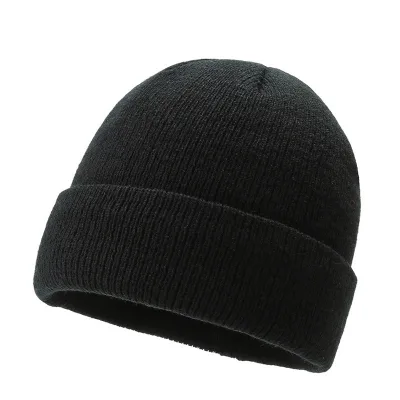
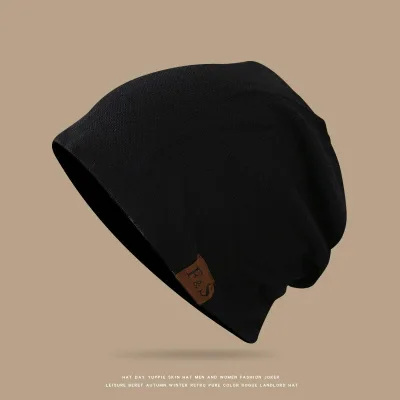
Double Layer Knit Beanie with Arctic Fleece Lining and Moisture Wicking Beanie
$0.80 - $2.50
MOQ: 500 Pieces

Chunky Knit Beanie with Plush Arctic Fleece Lining and Fold Over Design Beanie
$0.80 - $2.50
MOQ: 500 Pieces

Knitted Beanie with Arctic Fleece Lining for Extreme Cold Weather Beanie
$0.80 - $2.50
MOQ: 500 Pieces

Windproof Knitted Beanie with Arctic Fleece Lining for Outdoor Sports Beanie
$0.80 - $2.50
MOQ: 500 Pieces


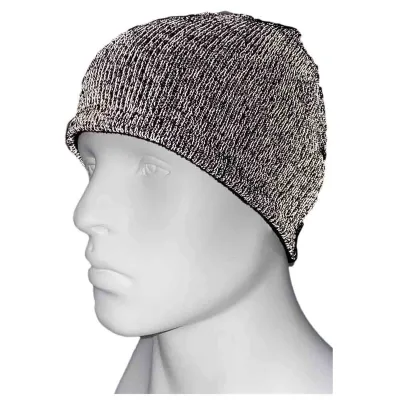

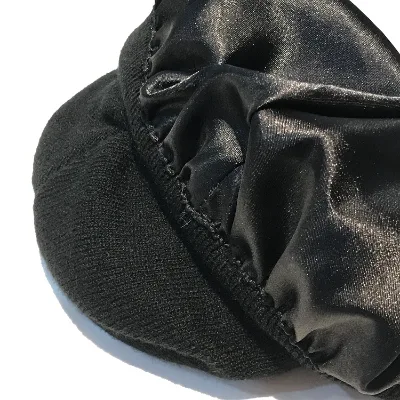
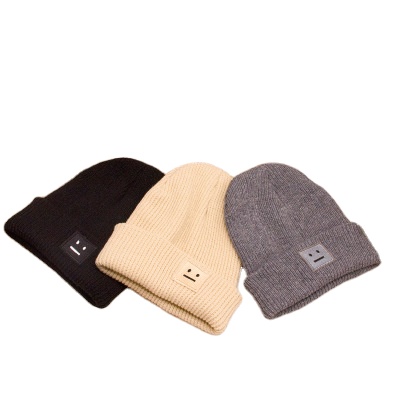
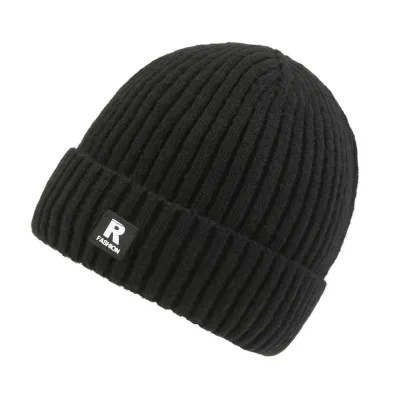
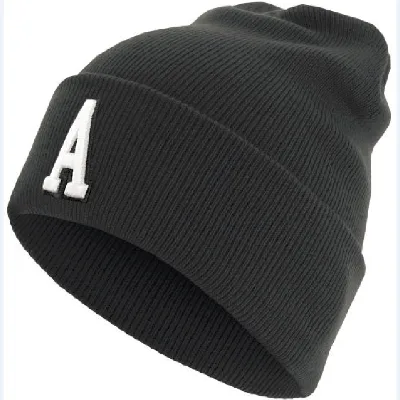

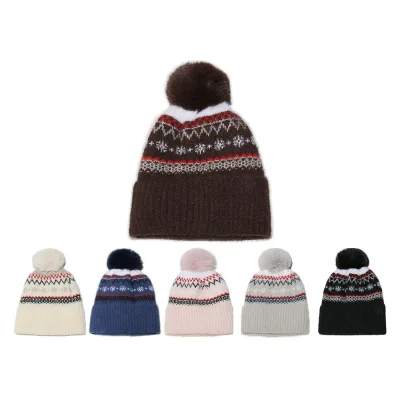
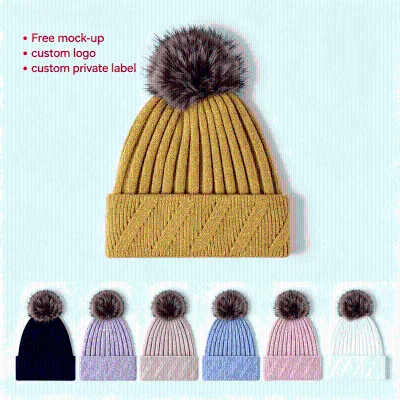
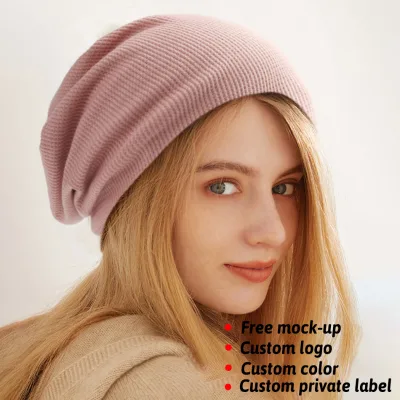
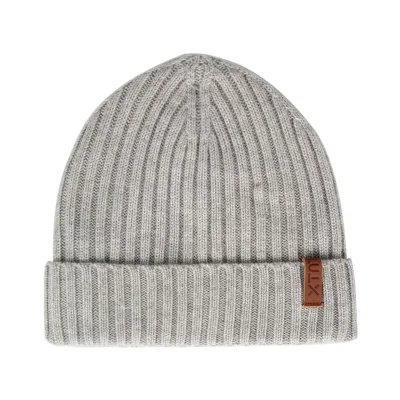
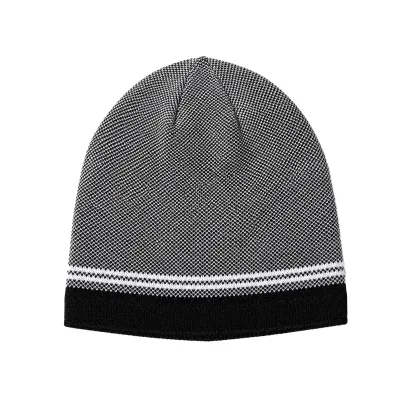
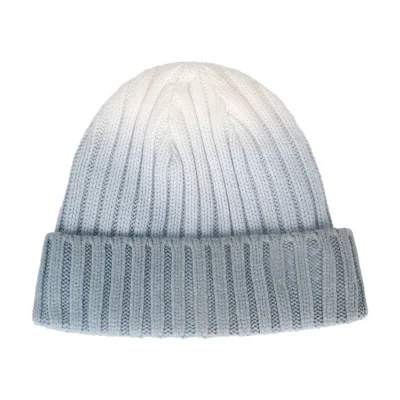
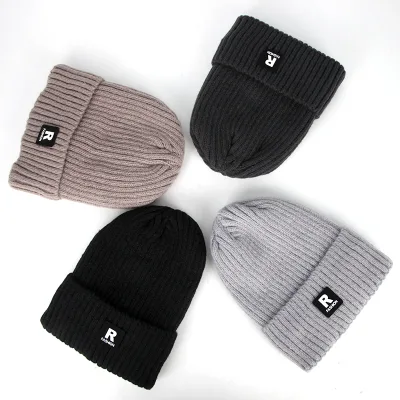

Comprehensive Sourcing Guide
Fleece Lining Knitted Beanie Sourcing Guide
Sourcing fleece-lined knitted beanies requires a careful balance between thermal performance, aesthetic consistency, and supply chain reliability. Buyers must navigate a market where material composition varies significantly, ranging from pure acrylic blends to cotton-polyester mixes, each offering distinct advantages in warmth, durability, and cost. The presence of a satin or fleece lining is a critical differentiator that enhances comfort against the skin, particularly in cold-weather applications. However, verifying the exact composition of both the outer knit and the inner lining is essential to ensure the product meets specific climate requirements and customer expectations.
Procurement teams should also consider the structural integrity of the beanie, including crown construction and brim presence, as these features impact fit and style versatility. With options available for both brimmed and brimless designs, buyers can tailor their inventory to suit diverse fashion trends or functional needs. Understanding the interplay between fabric weight, stitch density, and lining thickness allows for more accurate forecasting of product performance. This foundational knowledge helps in establishing clear technical specifications that align with the intended use case, whether for casual wear, sports, or outdoor activities.
Product Scope and Observed Listing Signals
The current market landscape for knitted beanies exhibits a wide range of material compositions and design attributes that buyers must evaluate. Observed listings indicate products made from 100% acrylic, 100% polyester, and 100% cotton, each presenting unique care and performance characteristics. For instance, acrylic options often provide superior warmth retention and colorfastness, while cotton variants offer breathability and natural softness. Polyester blends may deliver enhanced durability and moisture-wicking properties, making them suitable for active use. Buyers should scrutinize material tags and supplier descriptions to confirm the exact fiber content, as this directly influences the product’s thermal efficiency and longevity.
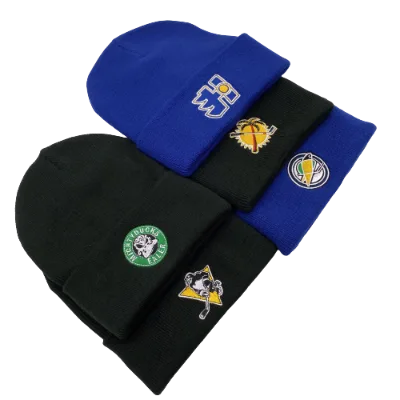
Design variations further complicate the sourcing process, with options including plain dyed patterns, cartoon themes, and solid colors like gray and black. Some models feature woven patches or machine embroidery, adding decorative elements that may appeal to specific demographics. The presence or absence of a brim and crown also affects the silhouette and fit, with some designs offering adjustable features for a customized fit. Additionally, size specifications such as 22x22cm or head circumferences of 58-60cm provide guidance on sizing, though buyers should verify if these measurements correspond to standard adult sizing or require specific adjustments for different user groups.
Technical Specifications to Verify
Verifying technical specifications is crucial to ensuring that the beanies meet functional and aesthetic requirements. Buyers should confirm the fabric type, whether it is knitted or woven, and assess the stitch density to determine durability and stretch recovery. The presence of a satin or fleece lining should be explicitly stated, as this feature significantly impacts comfort and thermal insulation. Additionally, the construction of the crown and brim must be examined to ensure structural integrity, with options ranging from without crown to with crown designs. These details influence how the beanie sits on the head and its ability to retain shape during wear.
Color consistency and pattern application are also key technical aspects that require verification. Buyers should request samples to check for colorfastness, especially for products intended for outdoor or sports use where exposure to elements is common. The method of pattern application, such as sublimation transfer print or woven patches, affects the longevity of the design and its resistance to fading or peeling. Furthermore, specifications like head circumference and size labels should be cross-referenced with actual product measurements to avoid sizing discrepancies. Ensuring these technical details are accurately documented in the purchase order helps prevent misunderstandings and ensures the final product aligns with buyer expectations.
Compliance and Safety Documentation
Compliance and safety documentation are non-negotiable aspects of sourcing knitted beanies, particularly for markets with strict regulatory requirements. Buyers must ensure that suppliers provide relevant certifications confirming that materials meet safety standards for flammability, chemical content, and physical safety. For products intended for children or specific demographics, additional checks may be necessary to ensure compliance with age-specific regulations. Although the supplied facts do not specify exact certifications, buyers should proactively request documentation such as OEKO-TEX or similar standards to verify that the beanies are free from harmful substances.
In addition to material safety, buyers should verify that the production process adheres to ethical labor practices and environmental standards. This includes checking for compliance with local labor laws and international labor standards, which can impact brand reputation and market access. Documentation related to the origin of materials, such as the country of origin being China, should be transparent and verifiable. Buyers should also inquire about the supplier’s quality management systems and their ability to provide traceability for raw materials. This comprehensive approach to compliance helps mitigate risks and ensures that the sourced products meet both legal and ethical expectations.
Cost Drivers and Commercial Terms
Cost drivers for fleece-lined knitted beanies include material composition, production complexity, and order volume. Materials like 100% acrylic or cotton may carry different price points compared to polyester blends, influencing the overall cost structure. Production techniques such as machine embroidery or sublimation printing add to the manufacturing cost, as do specialized features like satin linings or adjustable closures. Buyers should analyze these factors to understand the cost breakdown and negotiate effectively with suppliers. Additionally, the MOQ (Minimum Order Quantity) can significantly impact pricing, with lower MOQs often resulting in higher per-unit costs.
Commercial terms such as lead time, payment terms, and shipping methods also play a crucial role in the total cost of ownership. Observed lead times of 5-7 working days suggest a relatively quick turnaround, but buyers should confirm if this applies to standard or customized orders. Packaging options, such as polybags or cartons, can affect shipping costs and handling efficiency. Buyers should also consider the potential for additional costs related to customization, such as logo printing or specific color matching. Understanding these commercial terms helps in budgeting accurately and planning inventory levels to meet demand without incurring unnecessary expenses.
Supplier Qualification and Quality Control
Supplier qualification is a critical step in ensuring the reliability and quality of fleece-lined knitted beanies. Buyers should assess suppliers based on their production capacity, quality control processes, and track record in delivering consistent products. This includes verifying the supplier’s ability to handle customization requests, such as specific patterns or materials, without compromising quality. Suppliers with established quality control systems, including in-process inspections and final product checks, are more likely to deliver products that meet specified standards. Buyers should also inquire about the supplier’s response to defects and their policy for handling returns or replacements.
Quality control measures should extend to the verification of materials and finished products. Buyers should request samples to evaluate the texture, warmth, and durability of the beanies, as well as the quality of the lining and any decorative elements. Consistency in color and pattern application should be checked across multiple units to ensure uniformity. Additionally, buyers should verify that the supplier adheres to the agreed-upon specifications, including size, material composition, and packaging requirements. Establishing clear quality benchmarks and conducting regular audits can help maintain high standards and build a reliable supply chain.
Long-Term Procurement Checks
Long-term procurement checks involve continuous monitoring of supplier performance and product quality to ensure sustained value. Buyers should establish key performance indicators (KPIs) such as on-time delivery rates, defect rates, and customer satisfaction scores to evaluate supplier reliability. Regular reviews of these metrics help identify potential issues early and allow for corrective actions. Additionally, buyers should stay informed about market trends and changes in consumer preferences, which may necessitate adjustments in product specifications or sourcing strategies. This proactive approach ensures that the procurement process remains aligned with business goals and market demands.
Building a strong relationship with suppliers is also essential for long-term success. Open communication and collaboration can lead to better pricing, improved quality, and more flexible terms. Buyers should engage in regular dialogues with suppliers to discuss performance, address concerns, and explore opportunities for innovation. This partnership approach fosters trust and encourages suppliers to prioritize the buyer’s needs. Furthermore, buyers should periodically reassess their supplier base to ensure they are leveraging the best available options. By maintaining a dynamic and responsive procurement strategy, buyers can mitigate risks and capitalize on opportunities in the evolving market landscape.
FAQs
What materials are used for these beanies?
The beanies are crafted from 100% Acrylic, 100% Polyester, and 100% Cotton. These materials ensure warmth and durability for winter and autumn seasons. The fabric is knitted, providing a comfortable fit for adults. Some styles feature satin linings for added comfort. The plain dyed pattern offers versatile styling options for unisex wear.
Can these beanies be customized for branding?
Yes, customization is available for these knitted hats. Buyers can request specific designs, including woven patches and machine embroidery. The standard size is 20x20cm, but customized standards are also offered. This flexibility allows businesses to add unique logos or patterns, making the beanies suitable for promotional campaigns or specific brand identities.
What is the typical delivery time for orders?
The standard delivery time is 5-7 working days. This quick turnaround supports urgent procurement needs. Orders are packed individually in polybags or OPP bags, then consolidated into paper cartons. This efficient packing and shipping process ensures products arrive safely and promptly, meeting tight deadlines for seasonal inventory or event supplies.
What is the minimum order quantity for these items?
The minimum order quantity ranges from 5 to 1000 pieces. Specific models may have an MOQ of 500 units. This flexible range accommodates both small trial orders and large bulk purchases. Buyers can select quantities based on their inventory needs, ensuring cost-effective sourcing without excessive stock pressure for various retail or promotional channels.
Where are these beanies manufactured?
These beanies are manufactured in China. The production utilizes various techniques like sublimation transfer printing and embroidery. The origin ensures access to established textile supply chains. Buyers can source directly from these factories, benefiting from competitive pricing and reliable production capabilities for high-volume orders of knitted winter accessories.
Are these beanies suitable for sports activities?
Yes, these beanies are suitable for sports and outdoor activities. They are designed for adults and feature unisex styles. The knitted fabric provides warmth during winter and autumn. Some models include adjustable features for a secure fit. Their practical design makes them ideal for cycling, travel, and general outdoor use, ensuring comfort during physical activities.