Source Flexible High-Current Copper Busbar Terminal for EVs
Find and compare 30 flexible high-current copper busbar terminal options from Chinese manufacturers. Evaluate materials like T2 copper and steel, surface finishes including tin and nickel plating, and certifications such as CE and RoHS for electrical vehicle and photovoltaic applications.
Updated
Key considerations
Products List


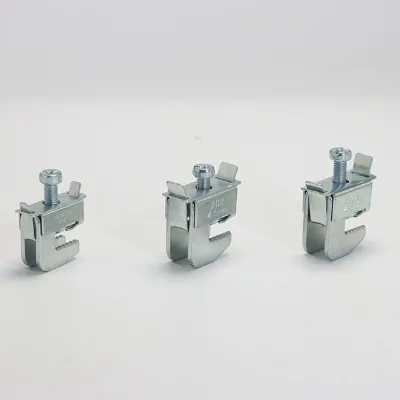
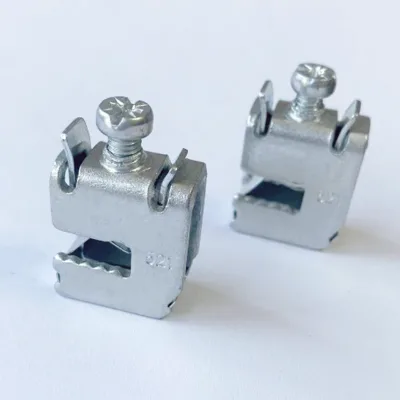
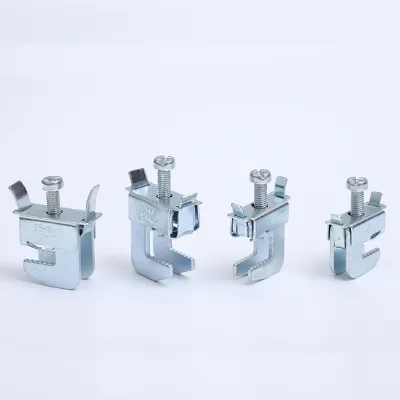


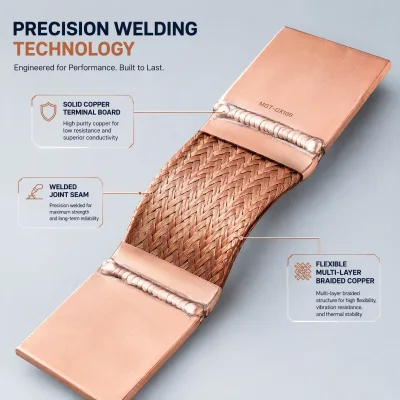


Comprehensive Sourcing Guide
Flexible High-Current Copper Busbar Terminal Sourcing Guide
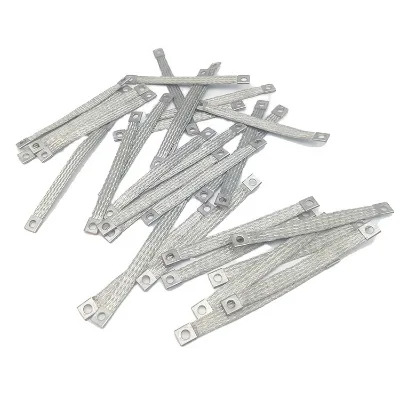
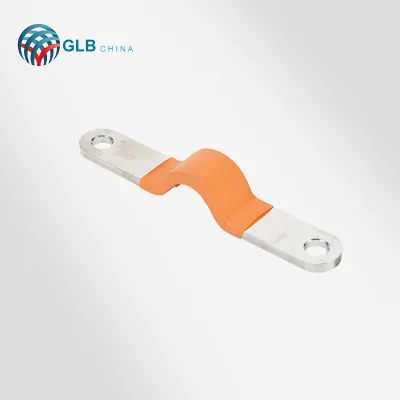
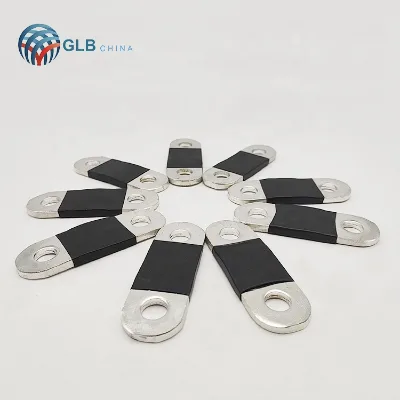
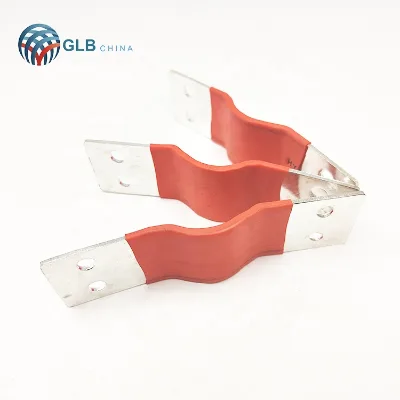
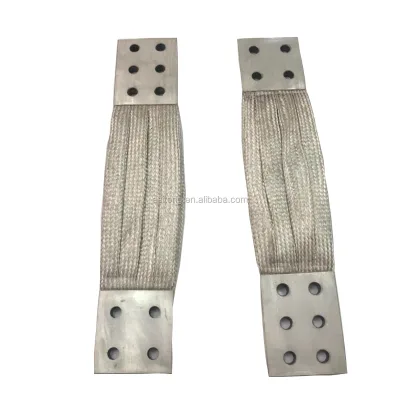
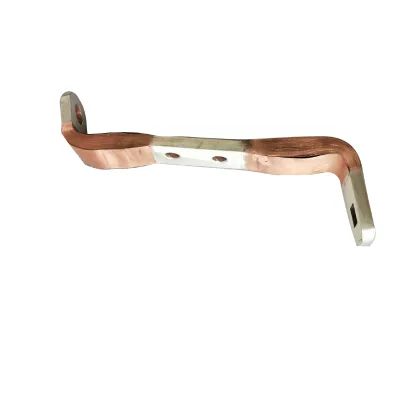
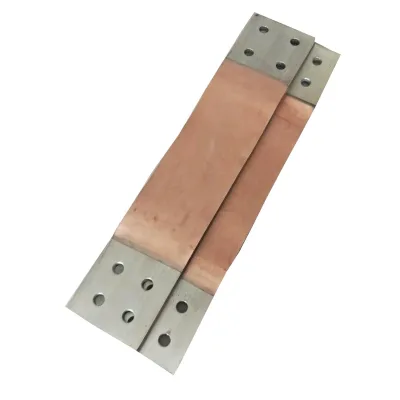
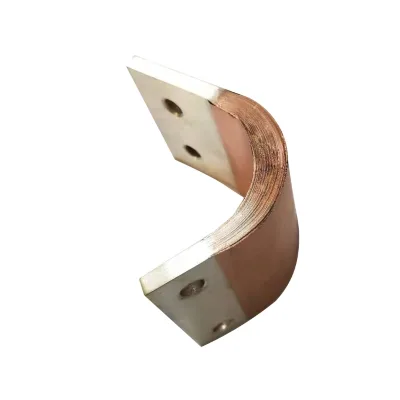
Buyers must first distinguish between rigid and flexible configurations when evaluating listings for high-current applications. The available data indicates specific flexible solutions like copper braided connectors with lugs, which are designed to accommodate movement and vibration in demanding environments. These components often feature square shapes and are explicitly marketed for aerospace, electric vehicle, and photovoltaic sectors where thermal expansion and mechanical stress are critical factors.
Procurement teams should verify that the listed product matches the specific mounting location requirements, such as busbar interfaces, rather than assuming universal compatibility. While some listings mention adjustable types, the core functionality relies on the material integrity of the copper or steel construction. Ensuring the product is intended for high-voltage or conductive electricity applications prevents the selection of components that lack the necessary current-carrying capacity for the intended system.
Product Scope and Observed Listing Signals
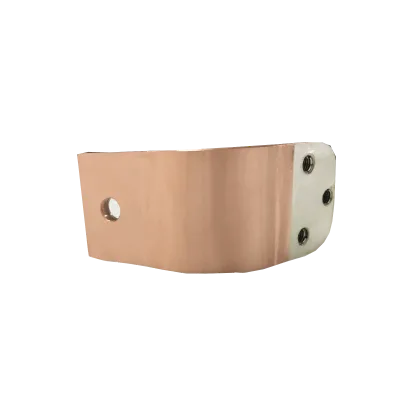
The market presents a diverse range of surface treatments, including tin plating, nickel plating, and zinc plating, which directly influence corrosion resistance and conductivity. Buyers should note that some products offer a choice between bare finishes and plated options, allowing for customization based on the specific environmental conditions of the installation site. This variability requires careful review of the surface finish specifications to ensure the selected terminal will perform reliably over its intended lifespan without premature degradation.
Packaging standards vary significantly across suppliers, ranging from standard seaworthy packages to specific combinations like carton packing with wooden pallets or PP bags with wooden boxes. These packaging details are not merely logistical but indicate the supplier's attention to protecting delicate copper components during transit. A mismatch in packaging expectations can lead to physical damage or contamination of the terminals, so verifying the single package size and gross weight is essential for accurate freight planning and storage allocation.
Technical Specifications to Verify
Current carrying capacity is a primary technical parameter, with observed listings specifying ampacity ranges from 40A to 2000A depending on the model and configuration. Buyers must cross-reference these ratings against their system's peak load requirements to avoid overheating or voltage drops that could compromise system safety. The model numbers, such as MST-6X60 or Neer-Y 333, serve as unique identifiers for these specific electrical characteristics, making them critical for precise ordering and replacement compatibility.
Insulation and material composition are equally vital, with options including PE heat shrink tubes, PVC, and epoxy powder coatings applied to T2 copper or steel substrates. The choice of insulation material affects the dielectric strength and thermal resistance of the terminal, particularly in high-voltage applications where electrical isolation is paramount. Procurement teams should confirm that the rated voltage and insulation type align with the operational environment to prevent electrical breakdowns or safety hazards during high-current operation.
Compliance and Safety Documentation
Certification requirements for high-current busbar terminals are stringent, with observed listings citing standards such as ISO, JIS, GB, REACH, CE, RoHS, and ASTM. These certifications indicate that the manufacturer has undergone specific testing protocols to ensure the product meets international safety and environmental regulations. Buyers should request valid certificates for each batch to verify that the specific units delivered conform to the claimed standards, as compliance is often a prerequisite for insurance and regulatory approval in industrial sectors.
Safety documentation must also address the specific application context, such as aerospace or electric vehicle integration, where failure could have catastrophic consequences. While some listings mention UL certification, the presence of these marks should be validated against the actual product specifications rather than assumed based on general marketing claims. Ensuring that the documentation covers the specific model number and material composition guarantees that the safety claims are applicable to the exact components being procured for the project.
Cost Drivers and Commercial Terms
Pricing for these specialized components is influenced by the raw material costs of copper and the complexity of the plating processes used. The observed price range of 0.01 to 20 USD suggests a wide variance based on size, current rating, and customization level, requiring buyers to scrutinize unit costs against the total order volume. Understanding the relationship between the selling units and the single item pricing helps in calculating the true cost per ampere of capacity for accurate budget forecasting.
Minimum Order Quantities (MOQ) and delivery times are flexible but must be confirmed for each specific order, with ranges observed from 1 to 500 units. Lead times are often stated as "according to the quantity," indicating that production schedules are dynamic and dependent on the scale of the request. Buyers should negotiate clear delivery timelines and payment terms early in the process to avoid delays, especially when customizing dimensions or surface finishes that may extend the manufacturing cycle.
Supplier Qualification and Quality Control
Supplier origins are primarily located in key manufacturing hubs such as Jiangsu, Fujian, Chongqing, and Zhejiang, which are known for their industrial capacity in electrical components. Verifying the specific place of origin helps in assessing the logistical capabilities and the potential for supply chain disruptions. Buyers should prioritize suppliers with a proven track record in the specific region to ensure consistent quality and reliable communication throughout the procurement lifecycle.
Quality control processes should include verification of the "as drawing" or "customized" standard compliance to ensure the physical dimensions match the engineering requirements. The availability of customization suggests that suppliers can adapt to unique design needs, but this flexibility must be balanced with rigorous inspection protocols. Establishing a clear quality assurance framework that includes pre-shipment inspections and material testing is essential to maintain the integrity of the high-current connections.
Long-Term Procurement Checks
Sustainability and environmental compliance are increasingly important, with certifications like REACH and RoHS ensuring that the materials used do not contain hazardous substances. Buyers should monitor the supplier's ability to maintain these standards over time, as regulatory landscapes can shift and impact the availability of specific materials. Regular audits of the supplier's compliance records help ensure that the long-term supply chain remains robust and free from regulatory violations that could halt production.
Performance monitoring of the installed terminals is crucial for identifying any early signs of wear, corrosion, or electrical failure. Buyers should establish a feedback loop with the supplier to report any field issues, which can inform future procurement decisions and design improvements. By maintaining a detailed record of product performance and supplier responsiveness, organizations can optimize their inventory management and ensure the continued reliability of their high-current electrical systems.
FAQs
What materials are used for flexible high-current copper busbar terminals?
Flexible high-current copper busbar terminals are primarily manufactured using T2 copper or standard steel materials. Some variants utilize copper braids for enhanced conductivity and flexibility. The choice of material depends on the specific application requirements, such as electrical vehicle or photovoltaic systems, ensuring optimal performance and durability under high current loads.
Can flexible high-current copper busbar terminals be customized?
Yes, customization is available for flexible high-current copper busbar terminals to meet specific project needs. Manufacturers offer customized sizes, shapes, and surface treatments like tin plating or nickel plating. Standard options include square shapes, while bespoke designs can be produced according to customer drawings, ensuring precise fit and functional integration into complex electrical assemblies.
What certifications do flexible high-current copper busbar terminals typically hold?
Flexible high-current copper busbar terminals typically hold certifications such as ISO, CE, RoHS, REACH, ASTM, JIS, and GB standards. These certifications ensure compliance with international quality and safety regulations. Specific products may also feature UL certification, providing assurance of reliability and safety for applications in aerospace, electrical vehicles, and power grid infrastructure globally.
How are flexible high-current copper busbar terminals packaged for shipping?
Flexible high-current copper busbar terminals are packaged using standard seaworthy methods to ensure safe transit. Common packaging includes carton packing combined with wooden pallets, or PP bags inside wooden boxes. Some items are packed on pallets directly. This robust packaging protects the terminals from damage during international shipping, maintaining product integrity upon arrival at the destination.
What is the typical delivery time for flexible high-current copper busbar terminals?
The delivery time for flexible high-current copper busbar terminals is determined according to the order quantity. Manufacturers adjust production schedules based on volume requirements to ensure timely fulfillment. Buyers should consult specific suppliers for exact lead times, as production capacity and customization needs can influence the final delivery date for bulk orders of these electrical components.
What surface treatments are applied to flexible high-current copper busbar terminals?
Flexible high-current copper busbar terminals often feature surface treatments such as tin plating, nickel plating, or zinc plating. Some variants may remain bare or use epoxy powder coating. These treatments enhance corrosion resistance and conductivity, ensuring long-term reliability in various environments. The choice of finish depends on the specific application requirements and environmental conditions of the installation site.