Source Flushable Tofu Cat Litter for Indoor, Outdoor, and Cage Use
Find 30 Flushable Tofu Cat Litter options sourced from Tianjin, China. Compare customizable packaging, low dust formulations, and plant-based materials like pea fiber and corn starch for your pet cleaning needs; compare the available evidence and request quotations based on your requirements.
Key considerations
Products List


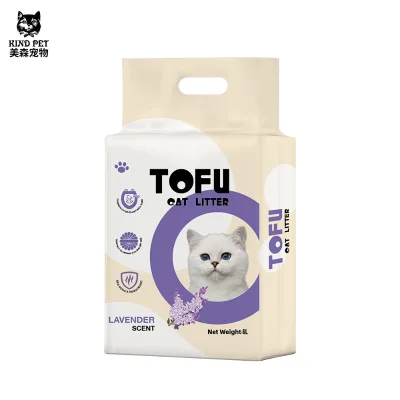


Natural Orginal Flavor Dust Free Tofu Cat Litter Flushable Cat Sand for Cats
$499.11 - $566.77
MOQ: 3 Tons




Comprehensive Sourcing Guide
Flushable Tofu Cat Litter Sourcing Guide
Sourcing Flushable Tofu Cat Litter requires a nuanced understanding of material composition and functional performance, as these products sit at the intersection of pet hygiene and environmental sustainability. Buyers must distinguish between standard clumping litters and those specifically engineered for safe disposal via plumbing systems. The core appeal lies in the plant-based nature of the primary ingredients, which typically include pea fiber and corn starch, offering a natural alternative to traditional clay or silica-based products. This shift in material science demands rigorous verification of clumping integrity and dust control, as these factors directly impact user satisfaction and operational efficiency in both household and commercial pet care settings.
Procurement teams should also evaluate the customization options available from manufacturers, as branding and packaging play a significant role in market differentiation. Many suppliers offer OEM and ODM services, allowing buyers to tailor fragrances, such as green tea, peach, or original flavors, to specific regional preferences. Additionally, the physical form factor, ranging from small particles to larger granules, affects absorption rates and tracking. Understanding these variables is essential for selecting a product that aligns with target consumer expectations regarding scent, texture, and environmental impact, ensuring that the final product meets both functional requirements and marketing narratives.
Product Scope and Observed Listing Signals
The current market landscape for Flushable Tofu Cat Litter reveals a diverse range of product attributes that buyers must carefully navigate. Observed listings indicate a wide price range, reflecting variations in material quality, packaging complexity, and order volume. Minimum order quantities (MOQs) vary significantly, from small trial orders of a few hundred bags to bulk tonnage requirements, which influences supply chain flexibility and inventory management strategies. Buyers should note that while some suppliers offer customizable packaging in boxes or bags, others may have stricter constraints on unit sizes, such as 2.5kg or 5kg packs, which must align with retail shelf standards and consumer purchasing habits.
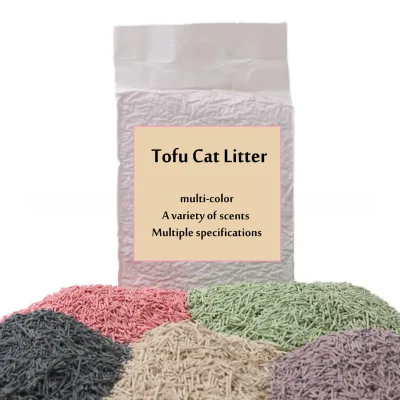
Functional claims observed in listings often highlight features such as low dust, high adsorption, and fast clumping, which are critical for product performance. The material composition is frequently cited as a key differentiator, with pea fiber and corn starch being the most common base ingredients. These components contribute to the product’s biodegradability and flushability, but buyers must verify these claims through technical documentation rather than relying solely on marketing descriptions. Additionally, the presence of various fragrances and colors, including original, green, purple, and pink, suggests a market segment focused on aesthetic appeal and olfactory control, requiring buyers to balance sensory preferences with functional efficacy.
Technical Specifications to Verify
Verifying technical specifications is paramount to ensuring that the selected cat litter meets performance expectations and safety standards. Buyers should prioritize products with extremely low dust grades, as excessive dust can pose respiratory risks to both pets and owners and may indicate poor manufacturing quality. The clumping performance must be rigorously tested, as effective clumping is essential for easy waste removal and odor control. Additionally, the absorption rate, which some listings claim to be around 300%, should be validated through independent testing to ensure that the product can effectively manage moisture without breaking down prematurely or creating messy residues.
Packaging integrity and product stability are also critical technical considerations. The shelf life of tofu-based litters is typically around 12 months, but this can be affected by humidity and storage conditions. Buyers should verify that the packaging is waterproof or adequately sealed to prevent moisture ingress, which could compromise the product’s structural integrity and flushability. Furthermore, the physical dimensions and weight of single packages, such as those measuring 54x45x38 cm with a gross weight of 2.5 kg, impact logistics and handling efficiency. Ensuring that these specifications align with supply chain capabilities is essential for minimizing damage and optimizing distribution costs.
Compliance and Safety Documentation
Compliance and safety documentation are non-negotiable elements in the procurement of flushable cat litter, particularly given the product’s intended disposal method. Buyers must request Material Safety Data Sheets (MSDS) to understand the chemical composition and potential hazards associated with the product. While the ingredients are generally natural, such as pea fiber and corn starch, the presence of binders like guar gum or corn starch derivatives requires verification to ensure they do not contain harmful additives. Additionally, certifications such as ISO 9001, CE, and others may be claimed by suppliers, but buyers should verify the validity and scope of these certifications to ensure they apply to the specific manufacturing processes and product lines being sourced.
Flushability is a critical compliance aspect that requires careful attention, as improper disposal can lead to plumbing issues and environmental harm. Buyers should seek evidence that the product meets relevant plumbing standards and does not contain materials that could cause blockages. While some listings claim flushability, this must be supported by technical data or third-party testing results. Furthermore, environmental certifications, such as compostability or biodegradability claims, should be validated to ensure they align with local regulations and consumer expectations. Ensuring that all documentation is up-to-date and comprehensive is essential for mitigating legal and reputational risks in the market.
Cost Drivers and Commercial Terms
Understanding the cost drivers and commercial terms is essential for developing a competitive and sustainable procurement strategy for Flushable Tofu Cat Litter. The primary cost drivers include the price of raw materials, such as pea fiber and corn starch, which can fluctuate based on agricultural yields and global supply chain dynamics. Packaging costs also play a significant role, especially when custom branding or specialized materials are required. Buyers should negotiate terms that account for these variables, such as volume discounts or long-term supply agreements, to stabilize costs and ensure consistent product quality. Additionally, shipping and logistics costs, influenced by the product’s weight and volume, must be factored into the total landed cost.
Commercial terms, including payment methods, lead times, and return policies, vary among suppliers and can significantly impact cash flow and operational efficiency. Buyers should clarify MOQs, which can range from small quantities for testing to large tonnage orders for established distribution channels. It is also important to understand the supplier’s production capacity and lead times to avoid stockouts or delays. Negotiating favorable terms, such as flexible payment schedules or quality guarantees, can provide additional leverage and protection. By carefully analyzing these commercial aspects, buyers can optimize their procurement strategy and enhance their competitive position in the market.
Supplier Qualification and Quality Control
Supplier qualification and quality control are critical steps in ensuring the reliability and consistency of Flushable Tofu Cat Litter supplies. Buyers should conduct thorough due diligence on potential suppliers, verifying their manufacturing capabilities, quality management systems, and track record in the pet care industry. This includes assessing their production facilities, equipment, and personnel training to ensure they can maintain high standards of product quality. Additionally, buyers should request samples for rigorous testing to evaluate key performance indicators such as clumping strength, dust levels, and flushability. Establishing clear quality benchmarks and conducting regular audits can help maintain product consistency and address any issues promptly.
Implementing a robust quality control process is essential for mitigating risks associated with product defects or performance failures. Buyers should define specific acceptance criteria for incoming goods, including visual inspections, weight checks, and functional tests. Collaborating with suppliers to establish corrective action plans for any deviations from these criteria can help improve overall product quality. Furthermore, maintaining open communication channels with suppliers facilitates continuous improvement and innovation. By prioritizing supplier qualification and quality control, buyers can build a resilient supply chain that delivers high-quality products and meets customer expectations consistently.
Long-Term Procurement Checks
Long-term procurement checks are necessary to ensure that the sourcing strategy remains effective and adaptable to changing market conditions. Buyers should regularly review supplier performance metrics, including on-time delivery rates, product quality consistency, and responsiveness to issues. This ongoing evaluation helps identify potential risks and opportunities for improvement, allowing buyers to make informed decisions about supplier relationships. Additionally, staying informed about industry trends, regulatory changes, and consumer preferences is crucial for maintaining product relevance and competitiveness. Engaging in continuous market research and feedback loops with end-users can provide valuable insights for product development and refinement.
Building strong, collaborative relationships with suppliers is key to long-term success in the procurement of Flushable Tofu Cat Litter. Buyers should foster open communication and mutual trust, encouraging suppliers to share insights and innovations that can benefit both parties. Participating in industry events and networking with peers can also provide valuable perspectives and best practices. By maintaining a proactive approach to supplier management and market analysis, buyers can ensure that their procurement strategy remains aligned with business goals and customer needs. This strategic focus on long-term checks and relationships will help sustain growth and profitability in the dynamic pet care market.
FAQs
What materials are used to make this Flushable Tofu Cat Litter?
This Flushable Tofu Cat Litter is primarily made from pea fiber and corn starch. These plant-based components ensure the product is natural, decomposable, and compostable while providing excellent clumping performance for pet owners seeking eco-friendly solutions.
Can I customize the packaging and branding for this product?
Yes, customization is available for both packaging and branding. You can choose from bag or box options with customizable sizes like 2.5kg or 5kg. OEM and ODM services are accepted to meet your specific branding and volume requirements.
What is the minimum order quantity for this cat litter?
The minimum order quantity varies by supplier but typically ranges from 600 bags to 1 ton. Some listings indicate an MOQ of 1 unit for testing, while bulk orders often require 5000 units or more depending on the specific manufacturer capacity.
Is this cat litter suitable for both indoor and outdoor use?
Yes, this product is suitable for indoor use, outdoor use, and inside pet cages. Its low dust and highly adsorbent features make it versatile for various environments while maintaining a clean area for your pets and ensuring easy disposal.
How long is the shelf life of this flushable cat litter?
The shelf life of this flushable cat litter is 12 months. This duration ensures the product remains effective and retains its clumping properties and fragrance options like green tea or peach flavor until it is ready for use by the consumer.
Does this product come with certifications like ISO 9001 or MSDS?
Yes, the product comes with certifications including ISO 9001 and MSDS. Some listings also mention CE certification. These documents verify the quality and safety standards of the manufacturing process for international buyers and regulatory compliance.
What fragrance options are available for this tofu cat litter?
Available fragrance options include original flavor, green tea, peach, milk, and baby powder. You can also select from various colors such as original, green, purple, grey, pink, and yellow to match your brand identity or customer preferences.