Source Foldable 30L Car Trash Bin for Home Office Travel
Compare 30 listings for the Foldable 30L Car Trash Bin from verified suppliers. This selection includes options for home, office, and travel use with varying capacities and materials.
Key considerations
Products List
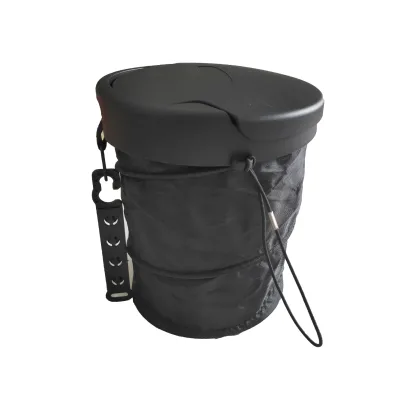


Hot Sale Car Trash Can / Car Dustbin Trash Waste Bin / Car Garbage Holder Bin
$1.45 - $1.50
MOQ: 2000 Pieces


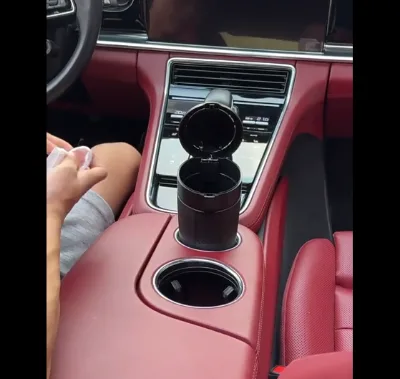
Multi Functional Car Garbage Bin Car Trash Can Mini Home Storage Dustbin
$1.28 - $1.35
MOQ: 200 Pieces




Comprehensive Sourcing Guide
Strategic Sourcing Guide for Foldable 30L Car Trash Bins
The global automotive accessories market continues to demand versatile storage solutions that balance compactness with functional capacity. For procurement professionals targeting a Foldable 30L Car Trash Bin, the sourcing landscape presents a unique set of technical and logistical challenges. The core keyword implies a product that must offer significant volume for waste management while remaining collapsible to save space when not in use. This guide synthesizes observed market data and technical attributes to provide a disciplined framework for evaluating suppliers, verifying specifications, and mitigating supply chain risks. Buyers must navigate a market where product definitions vary, and "30L" capacity claims require rigorous validation against actual physical dimensions and material properties.
Technical Specifications and Dimensional Verification
When sourcing a foldable trash bin specifically designed for automotive interiors, the primary technical hurdle is reconciling the stated capacity with the physical constraints of a vehicle. The market data indicates a wide variance in product attributes, ranging from compact units with dimensions of 16*20.5CM to larger industrial-style bins with heights of 330mm and diameters of 230mm. A product labeled as a "Car Trash Bin" with a 30L capacity must be scrutinized against these conflicting data points.
The observed single package size of 17x17x5 cm suggests a highly compact, folded state, which is essential for storage in a glove box or under a seat. However, the capacity claim of 30 liters typically requires a significantly larger volume when expanded. Procurement teams must verify if the "30L" designation refers to a specific model variant or if it is a generic marketing term applied to a broader category that includes smaller units. For instance, some listed products specify capacities of 6L, 12L, 20L, and 30L, indicating that a single supplier may offer a range of sizes under one product line.
Material composition is another critical technical factor. The observed supply chain includes products constructed from ABS, Stainless Steel, and general Plastic. For a car application, ABS plastic is often preferred for its durability and resistance to impact, while Stainless Steel might be used for structural reinforcement or specific aesthetic models. The "Foldable" feature is a key attribute observed in the data, implying a design that utilizes hinges or flexible materials to reduce the footprint. Buyers should request detailed technical drawings that show the expanded dimensions versus the folded dimensions to ensure the 30L capacity is achievable without compromising the vehicle's interior space. The weight of the product, observed at 0.3kg for some units, is a vital metric for fuel efficiency and ease of handling, though heavier models with stainless steel components may offer superior longevity.
Compliance, Certification, and Material Standards
Navigating the regulatory landscape for automotive accessories requires a clear understanding of material safety and environmental compliance. While specific certification statuses vary by supplier, the market data highlights the presence of BSCI certification for certain product lines, which indicates adherence to social compliance standards in the supply chain. This is a valuable indicator for buyers concerned with ethical sourcing practices.
Material safety is paramount, particularly for items used inside a vehicle where heat and UV exposure can accelerate chemical off-gassing. The observed materials include ABS and Plastic, both of which must meet specific flammability and toxicity standards depending on the destination market. Buyers should verify if the plastic used is BPA-free and resistant to degradation from sunlight, as many car interiors experience high temperatures. The "Eco-Friendly" attribute observed in the product list suggests that some manufacturers are incorporating recycled materials or designing for recyclability, but this claim requires third-party verification rather than relying solely on supplier marketing.
Furthermore, the standard "EN 13432" is mentioned in background knowledge as a compostability standard, though it is noted as low-confidence for specific product claims. For a 30L car trash bin, this standard is generally less relevant than automotive-specific interior material standards. Instead, buyers should focus on verifying that the product meets the fire safety regulations of the target country, such as FMVSS 302 in the United States or equivalent ECE regulations in Europe. The "High Quality" attribute observed in the data is subjective; therefore, procurement teams must demand specific test reports regarding tensile strength, impact resistance, and thermal stability to substantiate quality claims.
Cost Drivers and Pricing Dynamics
The pricing structure for foldable 30L car trash bins is influenced by several distinct factors, primarily material costs, manufacturing complexity, and order volume. The observed price range in the market spans from $0.50 to $94.80 USD, a variance that reflects the diversity of product types, from simple plastic bags to complex, branded, multi-material units. The lower end of the spectrum likely corresponds to basic plastic bins with minimal features, while the higher end may include premium models with stainless steel components, custom branding, or advanced folding mechanisms.
Minimum Order Quantity (MOQ) is a significant cost driver. The data shows an MOQ range from 1 to 5000 pieces. Suppliers with an MOQ of 10 pieces or 500 pieces offer flexibility for smaller buyers or trial orders, whereas those requiring 5000 pieces are typically geared toward large-scale distributors. The "Customized" attribute is available in the market, allowing for logo printing and color variations, but this customization invariably increases the unit cost and may raise the MOQ threshold.
Packaging also impacts the final landed cost. The observed packaging options include Color Box, PE Bag/Brown Box, and bulk carton packing. Customized packaging, such as a branded color box, adds to the unit price but can enhance the product's marketability. Buyers must calculate the total cost of ownership, including shipping, which is heavily influenced by the "Single gross weight" and "Single package size." A product weighing 0.3kg with a folded size of 17x17x5 cm offers excellent shipping efficiency, whereas larger, rigid bins will incur higher freight costs.
Typical Applications and Usage Scenarios
The versatility of the Foldable 30L Car Trash Bin extends beyond simple waste disposal. The observed "Usage" attributes include "Car Inside," "Home," "Outdoor," "Recycling," and "Public" spaces. This multifunctionality suggests that these products are designed to be adaptable to various environments. In a vehicle context, the bin serves as a central point for managing trash generated during long trips, road trips, or daily commutes. The "Foldable" feature is particularly valuable here, allowing the bin to be collapsed and stored in a trunk or door pocket when empty.
For home and office applications, the "Application" attributes list "Home/Hotel/Office," indicating that the design is robust enough for high-traffic areas. The "Pedal Bin" and "Open Top" types observed in the data suggest different user interaction models. A pedal mechanism might be preferred in a kitchen or hotel setting for hygiene, while an open-top design is more common for quick access in a car. The "Multicolor" and "Black" color options allow buyers to match the bin to the interior aesthetics of a vehicle or a commercial space.
The "Capacity" of 30 liters is substantial for a car bin, suitable for collecting larger items like food wrappers, bottles, and general debris. However, buyers must ensure that the bin's shape, described as "Rectangular Shape" in some instances, fits well within the irregular contours of a car floor or seat back. The "Stocked" attribute implies that some suppliers maintain inventory for immediate shipment, which is crucial for buyers needing rapid replenishment of stock.
Supplier Evaluation and Selection Criteria
Selecting the right supplier requires a rigorous evaluation process that goes beyond price comparison. The market data reveals that suppliers operate from various locations, with "Zhejiang, China" and "China" being the primary origins. Buyers should prioritize suppliers who can provide transparent documentation regarding their production capabilities and quality control processes. The presence of "BSCI" certification is a positive signal, but it should be verified through the supplier's official documentation.
When evaluating suppliers, buyers should assess their ability to handle customization. The "Customized Logo Acceptable" and "Customized" attributes indicate that many suppliers are open to branding requests. However, the "Non-Customized" option also exists, suggesting that some suppliers focus on generic, off-the-shelf products. Buyers must determine their specific needs: do they require a private-label product, or are they looking for a standard item? The "Model Number" variations, such as "ATL-0640," "HQ-30T," and "HDB-10413," suggest that different suppliers have distinct product lines. It is essential to request samples of these specific models to verify the build quality and the accuracy of the 30L capacity claim.
Lead times and production capacity are also critical factors. While specific lead times are not provided in the data, the "Stocked" attribute suggests that some suppliers can ship immediately. For custom orders, buyers should expect longer lead times and should negotiate clear delivery schedules in the contract. The "Selling Units" being "Single item" indicates that the supplier is capable of handling both bulk and individual unit orders, which is beneficial for mixed-quantity procurement strategies.
Quality Control and Long-Term Procurement Considerations
Ensuring consistent quality is essential for maintaining brand reputation and customer satisfaction. The "High Quality" attribute observed in the data is a starting point, but it must be backed by a robust quality control (QC) protocol. Buyers should implement a pre-shipment inspection process that checks for structural integrity, especially the folding mechanism. The "Foldable" feature is a potential point of failure; repeated folding and unfolding can lead to material fatigue or hinge breakage.
Long-term procurement considerations include the scalability of the supply chain and the supplier's ability to maintain consistent quality over time. The "Material" consistency is crucial; switching from ABS to generic plastic without notice can degrade product performance. Buyers should establish a long-term agreement that includes clauses for material consistency and regular quality audits. The "Package" quality, whether it is a "Color Box" or "Carton," must be sufficient to protect the product during transit, especially for items that are folded and may be prone to deformation.
Furthermore, buyers should consider the environmental impact of the product lifecycle. The "Eco-Friendly" attribute suggests a trend toward sustainable materials, which is increasingly important in the B2B market. Procurement teams should inquire about the recyclability of the materials and the supplier's waste management practices. Finally, the "Application" versatility of the product means that it may be subject to different wear and tear patterns depending on the end-use. A bin used in a car may experience different stress factors than one used in a public recycling area, and the supplier should be able to provide data on the product's durability under these varied conditions.
Comparative Analysis of Product Attributes
To facilitate decision-making, the following table summarizes the key attributes observed in the market for foldable 30L car trash bins. This comparison highlights the diversity of options available and the specific factors buyers must weigh during the selection process.
| Attribute | Observed Variations | Procurement Consideration |
|---|---|---|
| Material | ABS, Stainless Steel, Plastic | Verify material grade for durability and heat resistance. |
| Capacity | 6L, 12L, 20L, 30L | Confirm actual volume; "30L" may be a model variant. |
| Foldability | Foldable, Non-Foldable | Test hinge mechanism for repeated use cycles. |
| Color | Black, Multicolor | Ensure color consistency across batches for branding. |
| MOQ | 1, 10, 500, 5000 PCS | Align order volume with budget and storage capacity. |
| Packaging | Color Box, PE Bag, Carton | Assess packaging for protection and retail readiness. |
| Origin | Zhejiang, China, General China | Verify supply chain transparency and logistics costs. |
| Certification | BSCI, None Listed | Request specific safety and compliance documentation. |
| Customization | Customized, Non-Customized | Determine need for logo printing and color changes. |
In conclusion, sourcing a Foldable 30L Car Trash Bin requires a meticulous approach that balances technical specifications, cost efficiency, and quality assurance. By leveraging the observed market data and adhering to the verification protocols outlined in this guide, procurement professionals can identify reliable suppliers and secure products that meet the demanding requirements of the automotive and general storage markets. The key lies in rigorous due diligence, ensuring that every claim regarding capacity, material, and durability is substantiated by evidence before finalizing any procurement agreement.
FAQs
What is the typical capacity range for these bins?
Capacity options include 6L, 12L, 20L, and 30L models. Buyers must verify the specific model number to confirm if a 30L variant is available from a specific supplier.
Which materials are commonly used for construction?
Products are constructed from ABS, plastic, or stainless steel. The material choice impacts durability and weight, with ABS often preferred for automotive interiors due to impact resistance.
Can suppliers provide customized logos on the bins?
Yes, customized logos are acceptable for many product lines. This customization option may increase the minimum order quantity and unit cost depending on the specific supplier agreement.
What is the minimum order quantity for these items?
Minimum order quantities range from 10 pieces to 5000 pieces. Buyers should check specific supplier listings as some require 500 pieces while others accept single item orders.
Where are these products typically manufactured?
Most products originate from Zhejiang, China or general China locations. Sourcing from this region often provides access to a wide variety of specifications and competitive pricing structures.
Are these bins suitable for outdoor and public use?
Yes, usage attributes include outdoor, home, recycling, and public spaces. The design supports multifunctional storage applications beyond just car interiors, offering versatility for various environments.
What packaging types are available for these bins?
Packaging options include color boxes, PE bags with brown boxes, and bulk cartons. The packaging choice affects shipping efficiency and product protection during transit to the destination.