Source Foldable Metal Steel Luggage Trolley for Travel, Shopping, and Storage
Explore 30 options for the Foldable Metal Steel Luggage Trolley designed for travel, shopping, and storage. Compare specifications like load capacity, material, and dimensions to find the right supplier for your needs; compare the available evidence and request quotations based on your requirements.
Updated
Key considerations
Products List
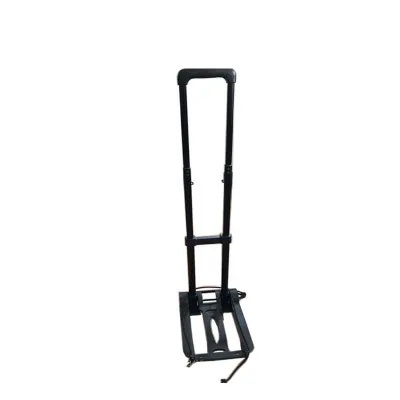


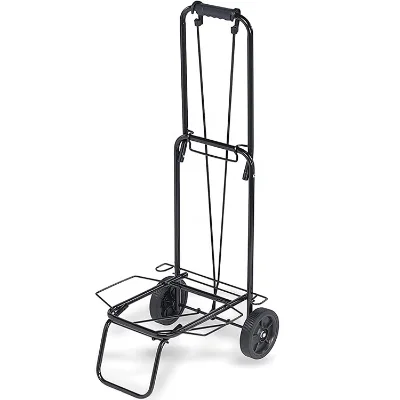


200kgs Heavy Duty Two Wheels Folding Trolley for Luggage Foldable Hand Trolley
$14.00 - $17.00
MOQ: 500 Pieces
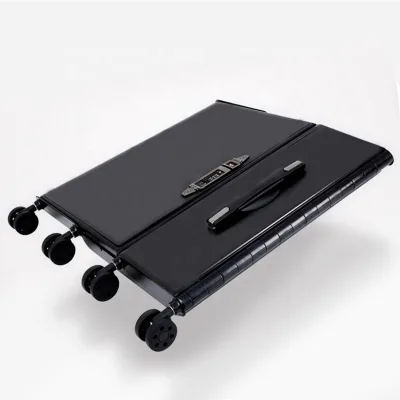
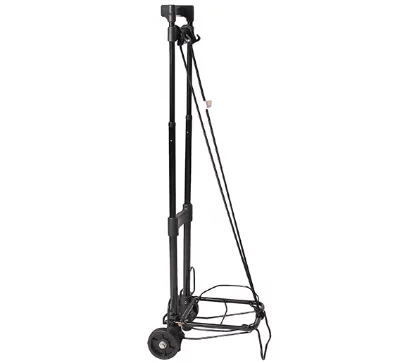
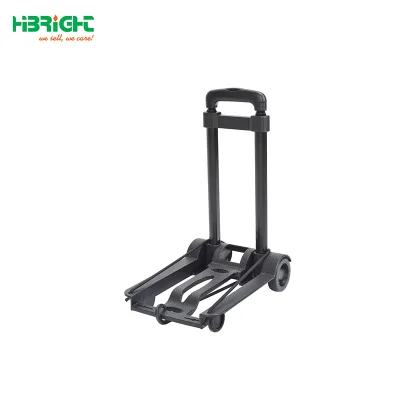
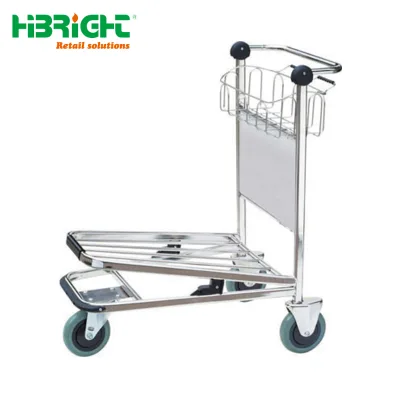
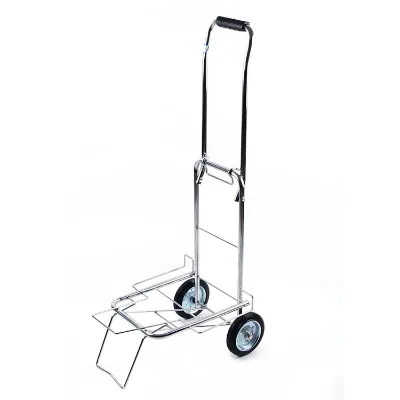


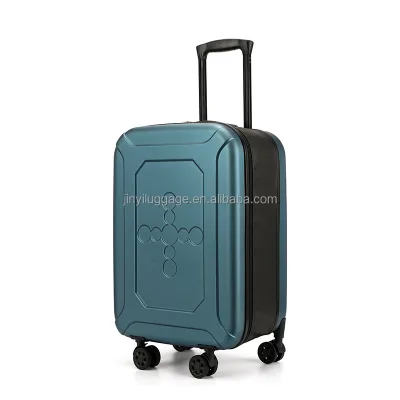
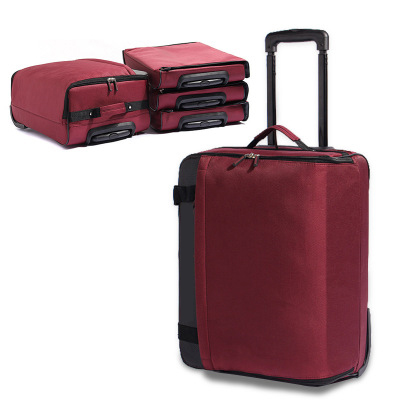


Foldable Aluminium Trolley Luggage / Trolley / Utility Baggage Carts
$110.00 - $190.00
MOQ: 100 Pieces


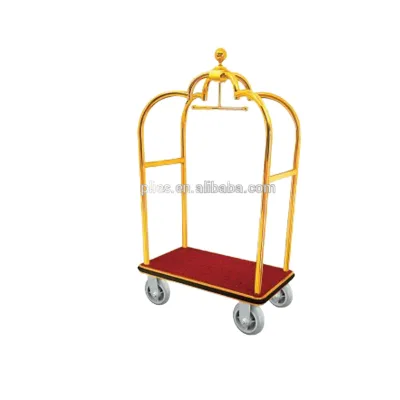
Airport Terminal Baggage Trolley Stainless Steel and Aluminum Luggage Trolley
$112.50 - $210.40
MOQ: 50 Pieces

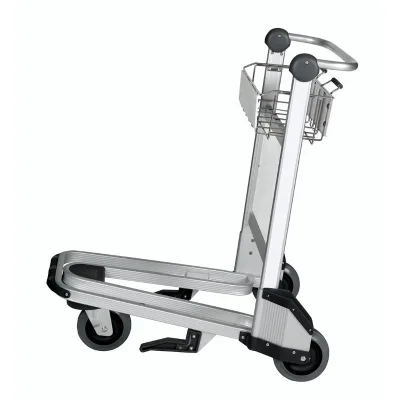
Stainless Steel Airport Trolley/Airport Luggage Trolley with Three Wheels/Baggage Trolley
$110.00 - $190.00
MOQ: 100 Pieces

Comprehensive Sourcing Guide
Foldable Metal Steel Luggage Trolley Sourcing Guide
Procuring foldable metal steel luggage trolleys requires a disciplined approach to balancing structural integrity with portability. Buyers must evaluate the specific alloy composition, whether it is standard steel, aluminum alloy, or stainless steel, as this directly impacts weight, corrosion resistance, and final unit cost. The observed market data indicates a wide variance in material specifications, ranging from heavy-duty steel frames to lighter aluminum constructions, necessitating clear definition of the end-use environment before initiating supplier outreach.
Commercial terms vary significantly based on customization levels and order volume. Supply abilities observed in the market are modest, with some suppliers offering as little as seven cubic feet per week, which may constrain large-scale procurement cycles. Buyers should align their order quantities with the supplier’s production capacity and lead times, which typically range from twenty to twenty-five days, to avoid supply chain bottlenecks during peak shopping or travel seasons.
Product Scope and Observed Listing Signals
The current market landscape for foldable luggage trolleys presents a diverse array of configurations tailored to different logistical needs. Listings reveal products with two-wheel designs and roll container structures, emphasizing ease of maneuverability in crowded retail or airport environments. The observed product names often highlight features such as adjustable height and foldable mechanisms, which are critical for storage efficiency. Buyers should note that while many items are described as new, the specific structural attributes like wheel size and basket dimensions vary widely across different model numbers.
Color and packaging options also play a significant role in the final product selection. Available colors include black, green, and grey, allowing for brand-specific customization or aesthetic alignment with retail environments. Packaging details range from simple brown cartons to shrink-wrapped units with color cards, impacting both protection during transit and shelf presentation. Understanding these visual and structural signals helps buyers filter listings to find products that match their specific operational requirements and branding guidelines.
Technical Specifications to Verify
Verifying technical specifications is paramount to ensuring the trolley meets durability and usability standards. Key attributes to confirm include the material thickness, with observed values around 1.2mm, and the overall weight of the unit, which can range from approximately 1.25kg to nearly 9kg depending on the model. Load capacity is another critical metric, with some units rated for up to 30kg, ensuring they can handle typical shopping or luggage loads without structural failure. Buyers must request detailed dimensional data, including basket size and folded dimensions, to ensure compatibility with storage spaces and vehicle trunks.
Model numbers and specific component details provide further insight into product differentiation. Models such as KH043, JK-GZS120A, and JK-GZS68ST indicate distinct design variations that may affect performance. Wheel specifications, such as a 14cm diameter, influence rolling resistance and stability on various surfaces. Additionally, the presence of customization options allows buyers to tailor features like handle height or basket material, but these modifications must be clearly documented in the technical datasheet to avoid discrepancies between the ordered and delivered goods.
Compliance and Safety Documentation
Safety and regulatory compliance are essential for market access, particularly in regions with strict consumer product standards. Some observed listings reference compliance with CE and EN131 standards, which are relevant for certain types of carts and trolleys. Buyers should verify if these certifications apply to the specific model being sourced, as standards can vary based on the intended use and regional regulations. Ensuring that the supplier can provide valid certification documents is crucial for avoiding customs delays and ensuring product legality in the destination market.
Documentation should also cover material safety and structural testing results. While specific test data is not always provided in initial listings, buyers should request evidence of load testing and fatigue analysis to confirm the trolley’s longevity. This is particularly important for trolleys intended for heavy-duty shopping or frequent travel use. Clear communication regarding compliance requirements with the supplier helps ensure that the final product meets all necessary legal and safety benchmarks, protecting the buyer from potential liability issues.
Cost Drivers and Commercial Terms
Understanding the factors that influence pricing is essential for effective budget management. The observed price range for these trolleys spans from $4 to $3000, reflecting significant differences in material quality, complexity, and customization levels. Basic steel models tend to be on the lower end of the spectrum, while those with advanced features like stainless steel construction or specialized folding mechanisms command higher prices. Buyers should analyze the cost per unit in relation to the expected lifespan and usage intensity to determine the true value of each option.
Minimum Order Quantities (MOQ) and payment terms also impact the overall cost structure. MOQs observed in the market range from 1 to 500 pieces, with some suppliers requiring orders of 100 pieces or more. These thresholds can affect inventory holding costs and cash flow, so buyers should negotiate terms that align with their sales forecasts. Additionally, lead times of twenty to twenty-five days must be factored into the total cost of ownership, as delays can result in stockouts and lost sales opportunities.
Supplier Qualification and Quality Control
Supplier qualification involves assessing the manufacturer’s production capabilities and quality management systems. Buyers should verify the supplier’s location, with many originating from regions like Shandong and Zhejiang in China, which are known for manufacturing expertise. Assessing the supplier’s supply ability, such as the observed rate of seven cubic feet per week, helps determine if they can meet volume requirements. It is also important to check for any history of quality issues or customer complaints to ensure reliability.
Quality control processes should be clearly defined and agreed upon before production begins. Buyers should request samples to evaluate build quality, including weld integrity, wheel smoothness, and fold mechanism durability. Establishing clear acceptance criteria based on the technical specifications discussed earlier ensures that the delivered products meet expectations. Implementing pre-shipment inspections can further mitigate risks by identifying defects before the goods leave the factory, ensuring consistent quality across all units.
Long-Term Procurement Checks
Long-term procurement success depends on continuous monitoring of supplier performance and market trends. Buyers should regularly review supplier delivery times, product consistency, and responsiveness to issues. Maintaining open communication channels allows for quick resolution of any problems that arise during the supply chain. Additionally, staying informed about changes in material costs and regulatory requirements helps buyers anticipate potential impacts on pricing and compliance, allowing for proactive adjustments to procurement strategies.
Evaluating the product’s performance in the field is also crucial for long-term satisfaction. Feedback from end-users regarding durability, ease of use, and aesthetic appeal can inform future purchasing decisions. Buyers should consider the availability of spare parts and the supplier’s willingness to support product improvements or modifications. By maintaining a strategic approach to supplier relationships and product evaluation, buyers can ensure a steady supply of high-quality foldable metal steel luggage trolleys that meet their evolving business needs.
FAQs
What is the load capacity of the Kingstar KH043 trolley?
The Kingstar KH043 foldable luggage hand trolley supports a maximum load capacity of 30kg. This steel roll container features a two-wheel design for stability. It is suitable for shopping and transport tasks. The structure ensures durability while maintaining a manageable weight for the user during daily use.
Can I customize the color of the Foldable Metal Steel Luggage Trolley?
Yes, customization is available for the Foldable Metal Steel Luggage Trolley. Buyers can select from options such as black or green finishes. The product allows for tailored branding and aesthetic preferences. This flexibility supports specific corporate or retail requirements for the final appearance of the trolley units.
What is the lead time for ordering the JK-GZS120A model?
The delivery time for the JK-GZS120A model is typically 20-25 days. This timeframe applies to standard production runs. Buyers should account for this duration when planning inventory. The lead time ensures quality control and proper packaging before dispatch from the manufacturing facility in Zhejiang, China.
What certifications does the JK-GZS30A trolley meet?
The JK-GZS30A trolley meets CE and EN131 standards. These certifications verify compliance with European safety and quality regulations. The product is constructed from aluminum alloy for lightweight performance. Adhering to these standards ensures the trolley is suitable for commercial and retail environments requiring verified safety protocols.
How is the JK-GZS68ST trolley packaged for shipping?
The JK-GZS68ST trolley is packaged in shrink bags with color cards. Each unit is individually wrapped to prevent damage during transit. The cart contains eight pieces per master carton. This packaging detail ensures efficient loading and protection for the stainless steel components during international shipping logistics.
What is the minimum order quantity for the Foldable Metal Steel Luggage Trolley?
The minimum order quantity is 100 pieces for the Foldable Metal Steel Luggage Trolley. This MOQ applies to standard customization orders. Buyers must meet this threshold to initiate production. The quantity ensures economic efficiency for manufacturing and packaging processes while allowing for scalable procurement for retail distribution.