Source Ergonomic Foldable Mesh Office Chair for Home Office, Office Building, Desk
Compare 30 Ergonomic Foldable Mesh Office Chair options featuring adjustable height, swivel functions, and breathable mesh backs. These chairs suit home offices, office buildings, and general desk applications with various customization and material choices; compare the available evidence and request quotations based on your requirements.
Updated
Key considerations
Products List


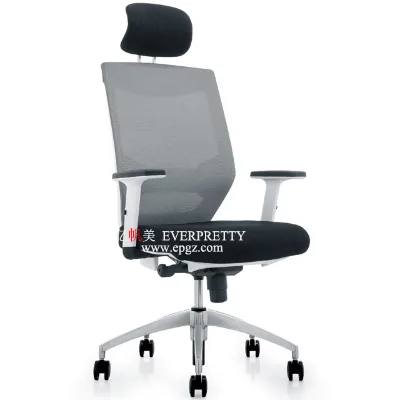


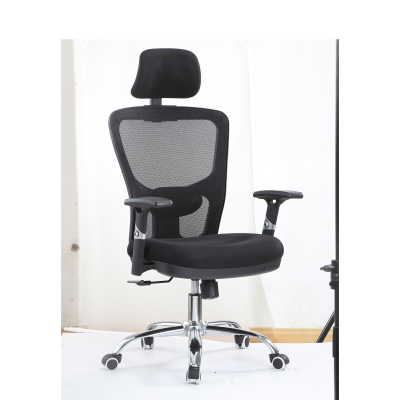
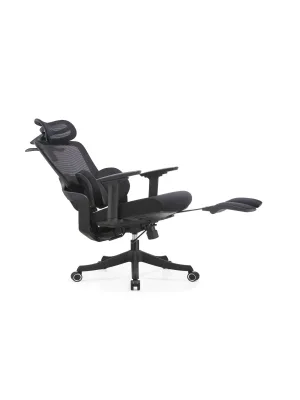
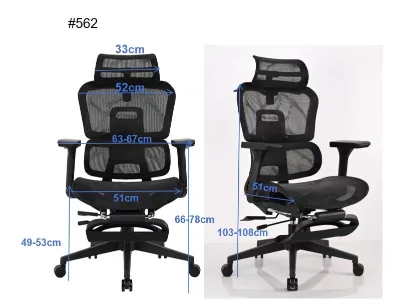
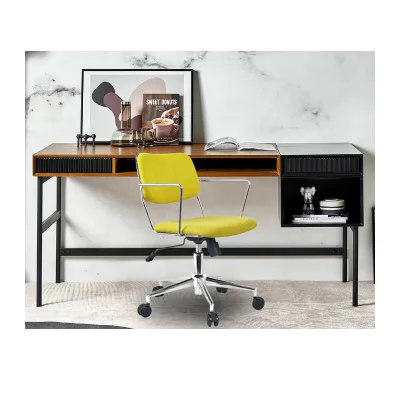

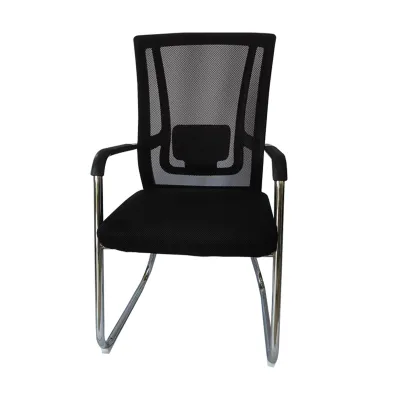
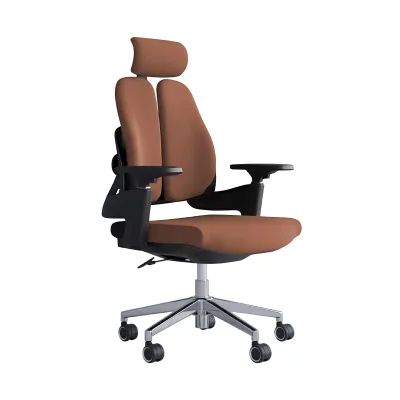


Comprehensive Sourcing Guide
Ergonomic Foldable Mesh Office Chair Sourcing Guide
Sourcing an Ergonomic Foldable Mesh Office Chair requires balancing mobility with structural integrity, as the product category spans from lightweight accent pieces to heavy-duty task chairs. Buyers must first distinguish between chairs designed for temporary, space-saving use and those built for daily eight-hour shifts. The observed market data indicates a wide variance in construction, with some models featuring fixed bases while others offer rotary swivel functions. This distinction is critical because a foldable mechanism often introduces potential failure points in the seat pan or backrest support. Procurement teams should prioritize chairs that maintain ergonomic alignment even when deployed, ensuring that the "foldable" attribute does not compromise the lumbar support or seat depth required for user comfort.
The supply landscape reveals that customization is a prevalent feature, allowing buyers to tailor frame colors, mesh tones, and upholstery materials to specific brand identities or interior design schemes. However, the presence of customization options can complicate quality control, particularly when mixing standard components with bespoke elements. Buyers should verify whether the folding mechanism is integrated into the base structure or the seat assembly, as this affects both the packing efficiency and the durability of the chair under repeated use. Understanding these mechanical differences helps in selecting the right product type, whether it is classified as an accent chair, a desk chair, or a recliner, ensuring the final selection aligns with the intended application environment.
Product Scope and Observed Listing Signals
The current market listings for ergonomic mesh chairs demonstrate significant diversity in material composition and structural design. Observed product attributes highlight the use of breathable mesh backs and PU armrests, which are standard for promoting airflow and reducing heat buildup during extended use. The base materials vary, with some units featuring heavy-duty chrome bases for enhanced stability and others utilizing plastic or metal variants that may differ in load-bearing capacity. Buyers should note that while many listings advertise "foldable" features, the actual product dimensions and weight, such as the observed 9.45kg weight for certain models, suggest a substantial build quality that may not be ultra-lightweight. This indicates that the folding mechanism is likely robust, designed to support significant user weight without compromising the chair's structural integrity.
Packing and logistics data provide crucial insights into the supplier's operational efficiency and the product's physical footprint. Listings indicate container loading capacities of up to 970 pieces, with packing configurations ranging from five pieces per carton to individual component packaging in PP bags or EPE foam. This high density suggests that many of these chairs are designed for efficient shipping, which is a key consideration for international procurement. The observed carton dimensions and CBM values, such as 0.35 CBM for five pieces, allow buyers to calculate freight costs accurately. Additionally, the availability of sample units and the option for customized colors indicate that suppliers are flexible, but buyers must verify if these customizations affect the lead time or the minimum order quantity requirements.
Technical Specifications to Verify
When evaluating technical specifications, the gas lift class and base diameter are paramount for safety and stability. The observed data includes references to Class 3 gas lifts, which typically support a maximum load of 100kg, a standard requirement for most office environments. Buyers must verify the base diameter, with observed sizes like 350mm, to ensure adequate stability, especially for users who lean back or shift weight frequently. The wheel type is another critical specification; quiet PU wheels are preferred for office settings to minimize noise and protect flooring. It is essential to confirm that the wheels are compatible with the intended floor surface, as hard casters may damage soft flooring, while soft wheels may not roll smoothly on carpeted areas.
The mechanism of the chair, whether it is a tilting mechanism or a fixed base, directly impacts the ergonomic benefits and the folding functionality. Listings show both rotary and fixed options, with some models featuring a tilting mechanism that allows for dynamic sitting. Buyers should verify the range of motion and the lockability of the tilt function to ensure it meets user preferences. Additionally, the assembled product dimensions, such as 855248/595730 cm, provide insight into the chair's footprint and adjustability. It is crucial to check if the height adjustment range is sufficient for users of varying statures, and whether the armrests are adjustable or fixed, as this affects the overall ergonomic support and the chair's ability to fit under standard desk heights.
Compliance and Safety Documentation
Safety compliance is non-negotiable for office furniture, particularly for chairs with moving parts and gas lifts. Buyers must request documentation verifying that the gas lift meets international safety standards, such as BIFMA or EN 1335, to ensure it will not fail under normal use. The base and wheels should also be tested for durability and load-bearing capacity, with certificates confirming that the chair can withstand repeated stress without structural failure. While specific certification statuses are not always listed in initial inquiries, buyers should insist on seeing test reports from accredited laboratories. This is especially important for chairs marketed as "heavy-duty" or with high weight capacities, as the folding mechanism may introduce additional stress points that require rigorous testing.
Warranty terms and after-sales support are critical indicators of a supplier's confidence in their product quality. The observed data includes a three-year warranty for certain models, which suggests a reasonable expectation of product longevity. Buyers should clarify what the warranty covers, including whether it extends to the gas lift, base, wheels, and mesh fabric. It is also important to understand the process for claiming warranty service, including the availability of spare parts and the supplier's response time. A comprehensive warranty policy can mitigate the risk of early product failure, providing peace of mind and reducing the total cost of ownership. Buyers should also verify if the supplier offers replacement parts for common wear items, such as wheels and armrest pads, to extend the chair's usable life.
Cost Drivers and Commercial Terms
The price range for ergonomic mesh office chairs varies significantly based on material quality, customization options, and order volume. Observed prices range from $9.9 to $132.2, reflecting the diversity in product tiers from basic models to premium, fully customizable units. Buyers should analyze the cost drivers, such as the type of mesh, the quality of the PU armrests, and the durability of the base material. Higher prices often correlate with better ergonomic features, such as adjustable lumbar support and more sophisticated tilting mechanisms. It is essential to request detailed quotations that break down the cost of customization, such as specific frame colors or mesh tones, to understand the financial impact of branding requirements.
Minimum order quantities (MOQ) and payment terms are key commercial factors that influence procurement strategy. The observed MOQ ranges from 1 piece for samples to 200 pieces for bulk orders, with some models requiring 50 pieces per model. Buyers should negotiate MOQs based on their initial trial orders and potential for repeat business. Payment terms, such as T/T or L/C, should be aligned with the order value and the supplier's reputation. It is also important to consider the lead time, which can be affected by customization and production capacity. Buyers should establish clear timelines for production and shipping to ensure timely delivery, especially for large orders or projects with strict deadlines.
Supplier Qualification and Quality Control
Supplier qualification involves verifying the manufacturer's production capabilities and quality management systems. Buyers should request information about the factory's location, with Guangdong and China being common origins, and assess their experience in producing ergonomic office chairs. It is crucial to verify if the supplier has in-house quality control processes, including pre-production inspections and final random inspections. Buyers should also inquire about the supplier's ability to handle customization requests, ensuring they have the necessary tooling and materials to produce bespoke designs. A supplier with a strong track record in export markets is likely to have more robust quality control measures and better understanding of international standards.
Quality control checks should focus on the structural integrity of the folding mechanism and the durability of the materials. Buyers should request sample units to test the chair's functionality, including the ease of folding and unfolding, the stability of the base, and the comfort of the mesh back. It is also important to check the finish of the chrome base and the quality of the stitching on the mesh and armrests. Suppliers should provide a quality assurance plan that outlines the inspection criteria and acceptance standards. Buyers should consider hiring third-party inspection services for large orders to ensure that the products meet the specified requirements before shipment. This proactive approach helps prevent defects and ensures consistent quality across the order.
Long-Term Procurement Checks
Long-term procurement success depends on establishing a reliable supply chain and maintaining consistent product quality. Buyers should conduct regular performance reviews of their suppliers, assessing factors such as on-time delivery, product quality, and responsiveness to issues. It is important to maintain open communication with suppliers to address any emerging problems promptly and to discuss potential improvements or new product developments. Buyers should also monitor market trends and competitor offerings to ensure their product selection remains competitive. Building a strong relationship with suppliers can lead to better pricing, priority production, and access to new innovations, providing a strategic advantage in the market.
Sustainability and ethical sourcing are increasingly important considerations for modern procurement. Buyers should inquire about the supplier's environmental policies, including the use of recyclable materials and energy-efficient manufacturing processes. It is also important to verify that the supplier adheres to labor standards and ethical practices, ensuring that the products are sourced responsibly. Buyers can request certifications or audits that demonstrate the supplier's commitment to sustainability and ethical sourcing. By prioritizing these factors, buyers can enhance their brand reputation and meet the growing demand for responsible procurement practices. This holistic approach ensures that the procurement strategy aligns with broader corporate social responsibility goals.
FAQs
Can this Ergonomic Foldable Mesh Office Chair be customized?
Yes, customization is available for this chair. Buyers can select from various seat colors including black, gray, or customized options. The mesh color is also available in black, grey, or customized variants. This flexibility allows businesses to tailor the product to specific brand requirements or interior design schemes effectively.
What is the minimum order quantity for this chair?
The minimum order quantity varies by model. For the task chair model, the MOQ is 50 pieces per model. However, for other specific models like SW011AD, the MOQ is just 1 piece. This range allows both large-scale procurement and small sample orders to be accommodated by the supplier.
How is the chair packed for shipping?
The chair is packed in high-quality cartons with components in PP bags or EPE. Specific models use five-layer cartons or standard cartons. The packing density is optimized, with 5 pieces per carton for some models, resulting in a container loading capacity of 970 pieces, ensuring efficient logistics and protection.
What materials are used for the seat and armrests?
The seat material is breathable mesh, providing comfort and ventilation. The armrests are made of PU material, offering durability and a smooth finish. The frame color options include black or grey, while the base is a heavy-duty chrome base. These materials ensure a sturdy and comfortable seating experience for office use.
What features does this ergonomic office chair include?
This chair includes swivel function, adjustable height, and back support. It features a tilting mechanism and a heavy-duty chrome base. The armrests are present, and the chair is designed for home office or office building use. These features combine to provide ergonomic support and flexibility for daily work tasks.
Where is this chair manufactured?
The chair is manufactured in Guangdong, China. This location is a major hub for furniture production, ensuring access to high-quality materials and efficient manufacturing processes. The origin indicates that the product meets Chinese manufacturing standards and is ready for global export, supporting reliable supply chain operations for international buyers.