Weather Resistant Football Chair Suppliers and Manufacturers
Source Weather Resistant Football Chair options from 18 verified suppliers. Compare ISO certifications, lead times, and MOQs to find the right partner. Contact suppliers directly to request quotes and samples for your project; review the available evidence before requesting comparable quotations from suitable candidates.
Updated
Suppliers List
- Verified by TüVRheinland
- Manufacturer, Trading Company
- Lead time15 days
- Avg. response≤ 6h
Main productsArtificial Grass, Stadium Seats, Padel Court, Sports Floor, Flat Drainage Pipe
Main marketsNorth America(21%), Domestic Market(18%), South America(13%)

Beijing Century Golden Crown Sports Facilities Engineering Co., Ltd.
- Verified by CTI
- Trading Company
- China Beijing
- Lead time0 days
- Avg. response≤ 9h
Main productsPadel Tennis Court, Stadium Seat, Telescopic Bleacher, Folding Seat, Hollow Plastic Chair, HDPE Blow Stadium Seat, Padel Court, Soccer Goal, Soccer Court, Basketball Hoop
Main marketsSouth America,Eastern Europe,Mid East,North America,Southeast Asia,Eastern Asia,Oceania,Western Europe,Africa

$32.30 - $35.50
MOQ: 1 Pieces

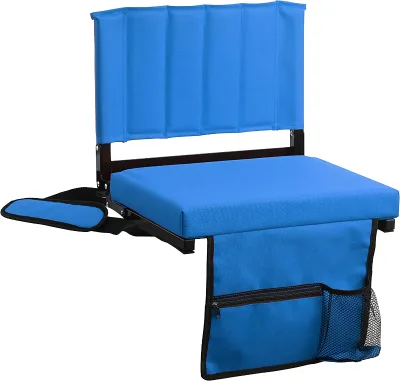
Weather-Resistant Portable Folding Stadium Chair for Indoor & Outdoor Stadium Seating
$28.90 - $31.60
MOQ: 1 set


$32.30 - $35.50
MOQ: 1 Pieces


Shenzhen Avant Sports Industrial Co., Ltd.
- Trading Company,Manufacturer/Factory
- China Guangdong
- Lead time45 days
- Avg. response≤ 15h
Main productsStadium Seat, Fixed Seat, Stadium Seating, Telescopic Seating, Retractable Seating, Outdoor Bleacher, Metal Bleacher, Sports Grandstand Seating, Artificial Grass, Wooden Floor
Main marketsSouth America,Eastern Europe,Mid East,North America,Southeast Asia,Eastern Asia,Oceania,Western Europe,Africa

- Combined
- China Guangdong
- Lead time15 days
- Avg. response≤ 18h
Main productsSynthetic Grass, Artificial Grass, Synthetic Turf, Stadium Seat, Football Goal, Sport Equipment, Tennis Turf, Artificial Lawn, Football Grass, Landscaping Grass
Main marketsSouth America,Africa,Southeast Asia/ Mideast,East Asia(Japan/ South Korea),Domestic,Europe,Australia,North America
Ningbo Danlong Leisure Products Co., Ltd.
- Manufacturer
- Zhejiang, China
- Lead time30 days
- Avg. response≤ 7h
Main productsHammocks,Hammock Chair,Patio Umbrella,Swing,Gazebo
Main marketsNorth America(35.00%), Western Europe(19.00%), Mid East(8.00%), Eastern Europe(8.00%), Eastern Asia(5.00%), Southeast Asia(5.00%), South America(5.00%), Africa(5.00%), Oceania(4.00%), Northern Europe(2.00%), Domestic Market(1.00%), South Asia(1.00%), Southern Europe(1.00%), Central America(1.00%)

Chongqing Juyi Industry Co., Ltd.
- Verified by SGS
- Combined
- China Chongqing
- Lead time23 days
- Avg. response≤ 3h
Main productsSchool Furniture, Office Furniture, Auditorium Chairs, Sports Seats, Stadium Seats, Cinema Chairs, Theater Chairs, Bleacher, Grandstand, Telescopic System
Main marketsSouth America,Southeast Asia/ Mideast,Domestic,Europe,North America


Soccer Football Stadium Chair Seating Folding Plastic Chair Indoor Outdoor Seat
$37.00
MOQ: 500 Pieces

Fireproof Outdoor Plastic Chair for Sports Gym Football Game Outdoor Plastic Chair
$15.00 - $20.00
MOQ: 100 Pieces

Outdoor Chairs HDPE Environmental Football Seat/Soccer Seat/Basketball Seat Stadium Chair
$10.00 - $13.00
MOQ: 500 Pieces


Shenzhen Flyon Sports Co., Ltd.
- Verified by TüVRheinland
- Manufacturer, Trading Company
- Lead time10 days
- Avg. response≤ 2h
Main productsStadium & Arena Seating, Running Track, Event Flooring & Tent Flooring, Padel Court, Sports Flooring
Main marketsNorth America(20%), Southeast Asia(10%), Africa(10%)
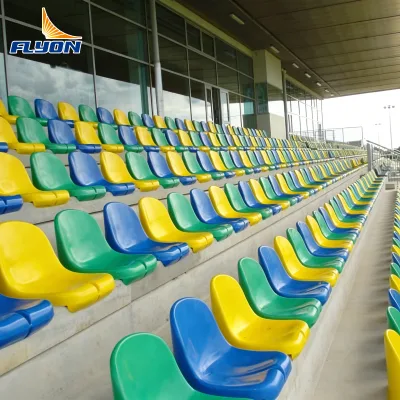
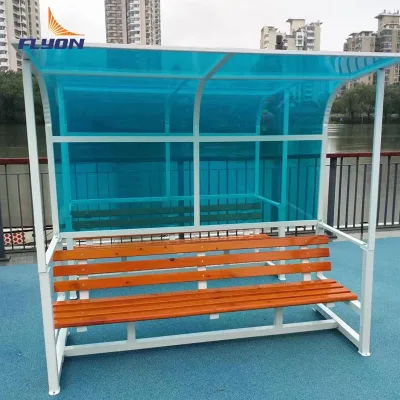
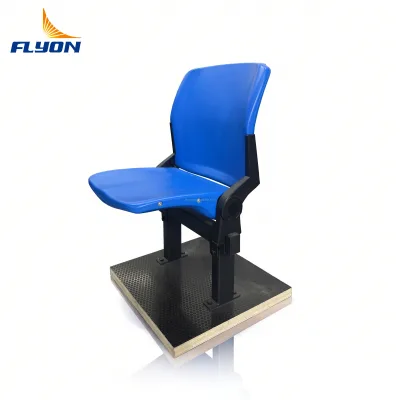
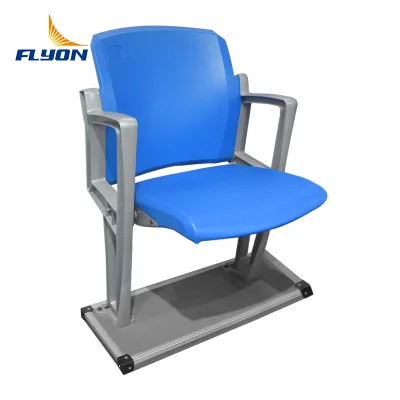
Folding Stadium Seat Wholesale Tip up Plastic Stadium Chair Price Football Stadium Bleacher
$42.00 - $48.00
MOQ: 300
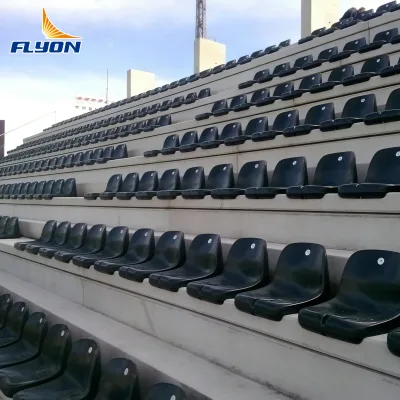
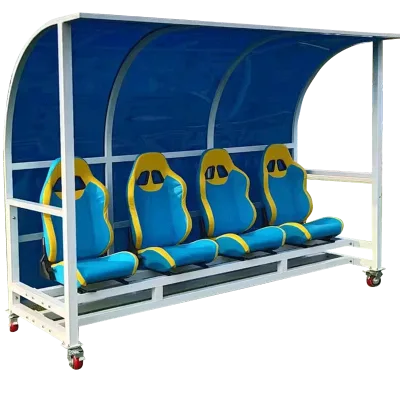
Beijing Century Golden Crown Sports Facilities Engineering Co., Ltd.
- Verified by Intertek
- Trading Company
- Lead time30 days
- Avg. response≤ 2h
Main productsPadel Tennis Court, Stadium Seat, Basketball Stand
Main marketsSouth America(35%), Southeast Asia(25%), North America(18%)

Shanghai Smoyu Industry Co., Ltd.
- Trading Company
- China Shanghai
- Lead time15 days
- Avg. response≤ 3h
Main productsStadium Seating, Auditorium Chair, Outdoor Grandstand, Stadium Seat, Folding Stadium Seats, Telescopic Seating, Theatre Chairs, Movie Theater Seats, Movie Chairs, Aluminum Bleachers
Main marketsOthers(foreignTradeCapacity.exportBusinessCapacityMarketOther)

Plastic Football Stadium Seating Folding Chair Stadium Seats of Outdoor Furniture
$20.00 - $25.00
MOQ: 300 Pieces

Indoor Outdoor Soccer Seats Plastic Stadium Chair for Movable Football Bleachers Sale
$7.20 - $10.77
MOQ: 300 Pieces

Side Mounted Plastic Football Stadium Chairs Seat with Backrest for Athletic Stadium
$9.00 - $15.00
MOQ: 300 Pieces

Shenzhen Flyon Sports Co., Ltd.
- Verified by BV
- Trading Company,Manufacturer/Factory
- China Guangdong
- Lead time15 days
- Avg. response≤ 7h
Main productsRunning Track, Stadium Seating, Tent Flooring, Retractable Bleachers, PP Interlocking Tlies, Padel Court, Rubber Floor, Pickleball Court, Event Flooring, Artificial Grass
Main marketsSouth America,Eastern Europe,Mid East,North America,Southeast Asia,Eastern Asia,Oceania,Western Europe,Africa
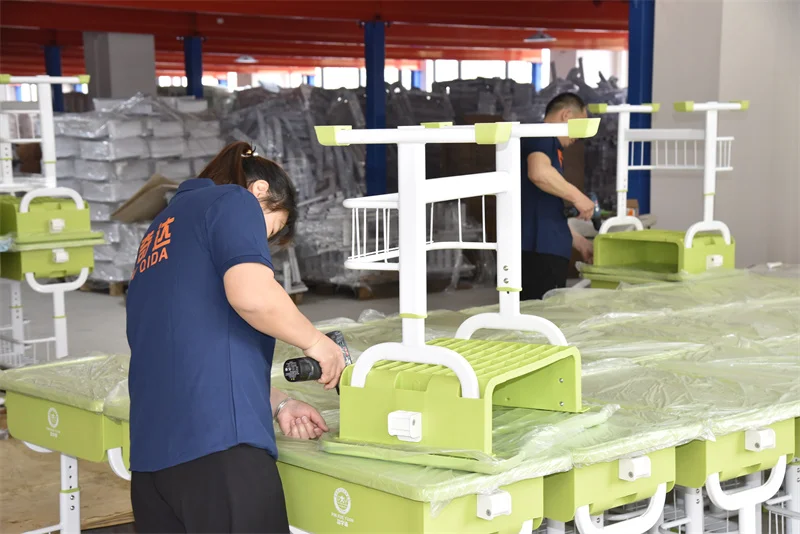
Foshan New Qida Furniture Co., Ltd.
- Manufacturer, Trading Company
- Guangdong, China
- Lead time7 days
- Avg. response≤ 2h
Main productsSchool Furniture,Training Table,Training Chair,student desk,student chair
Main marketsSoutheast Asia(40.00%), Africa(20.00%), Mid East(20.00%), Domestic Market(10.00%), South America(10.00%)
Shandong Century Star Sport Equipment Co., Ltd.
- Verified by SGS Group
- Manufacturer, Trading Company
- Lead time20 days
- Avg. response≤ 2h
Main productsPadel Tennis Court, Stadium Seat, Basketball Stand, Outdoor Gym Equipment, squash court
Main marketsSouth America(26%), Southeast Asia(23%), North America(10%)
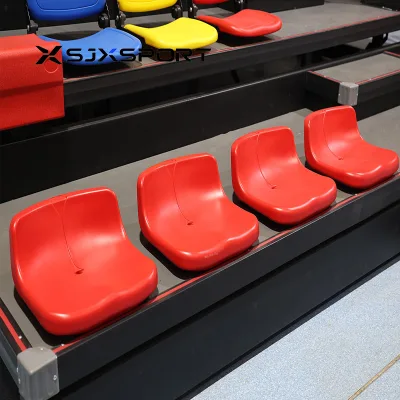
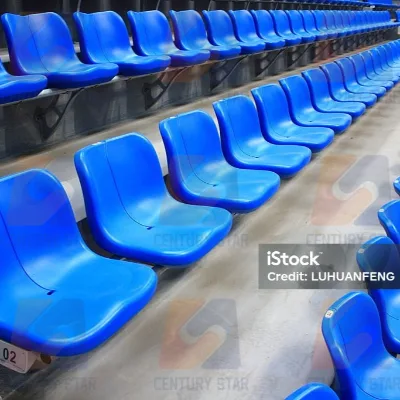
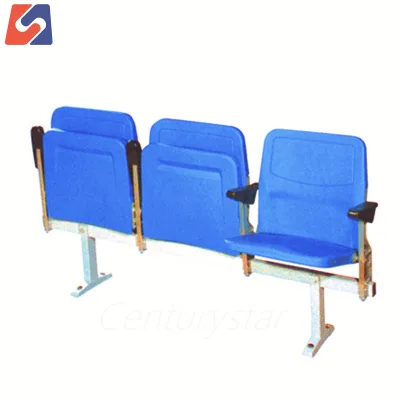
$30.0649 - $39.3944
MOQ: 1 pieces
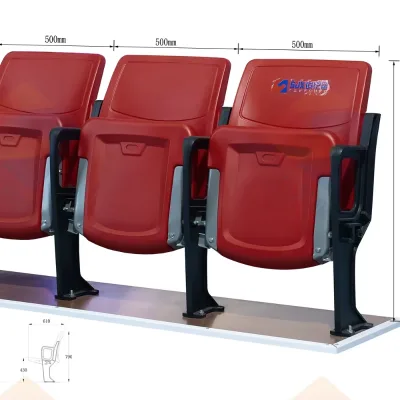
Shenzhen Ldk Industrial Co., Limited
- Verified by SGS Group
- Manufacturer, Trading Company
- Lead time25 days
- Avg. response≤ 3h
Main productsSoccer Cages, Basketball Hoops, Padel Courts/ Squash Courts/Pickleball Courts, Artificial Grass, Gymnastics Equipment
Main marketsNorth America(15%), South America(15%), Southeast Asia(10%)
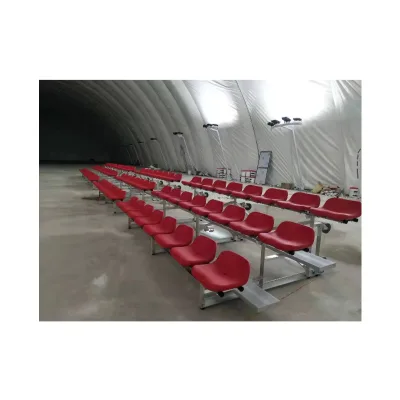
$489.00 - $599.00
MOQ: 1 pieces
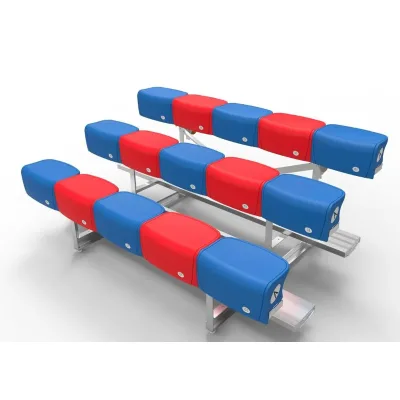
Low Price High Quality Soccer Field Sports Ground Seats Spectator Seat Football Pitch Chair for Sale
$289.00 - $299.00
MOQ: 1 pieces

Chongqing Juyi Industry Co., Ltd.
- Verified by SGS
- Manufacturer/Factory
- China Chongqing
- Lead time23 days
- Avg. response≤ 3h
Main productsSport Seats, Bleacher Seats, Auditorium Chairs, Tribune, Theater Chair, Stadium Seats, Arm Chair, School Furniture, Wooden Door, Plastic Seats
Main marketsSouth America,Eastern Europe,Mid East,North America,Southeast Asia,Eastern Asia,Oceania,Western Europe,Africa

Shandong Century Star Sports Equipment Co., Ltd.
- Combined
- China Shandong
- Lead time15 days
- Avg. response≤ 7h
Main productsOutdoor Fitness Equipment, Bleachers, Gymnastic, Mats, Artificial Grass, Padel Court, Stadium Seat, Basketball Stand, Soccer Goal, Squash Court
Main marketsSouth America,Southeast Asia/ Mideast,Europe,Australia,North America
Jinhua Xingrui Electronic Technology Co., Ltd.
- Manufacturer, Trading Company
- Zhejiang, China
- Lead time15 days
- Avg. response≤ 2h
Main productsChair,Gazebo,Canopy,Waste bag,Moka pot
Main marketsNorth America(20.00%), Western Europe(15.00%), Eastern Europe(15.00%), South America(15.00%), Oceania(10.00%), Eastern Asia(10.00%), South Asia(5.00%), Southern Europe(5.00%), Northern Europe(5.00%)
Cangzhou Maidong Sports Equipment Co., Ltd.
- Verified by Intertek
- Manufacturer, Trading Company
- Lead time15 days
- Avg. response≤ 3h
Main productsGymnastics Equipment, Gym Mats, Children Sport Products, Ninja Obstacle Course
Main marketsNorth America(30%), Eastern Europe(15%), Southeast Asia(10%)

Shenzhen LDK Industrial Co., Ltd.
- Verified by CTI
- Combined
- China Guangdong
- Lead time45 days
- Avg. response≤ 5h
Main productsFootball Equipment, Basketball Equipment, Gymnastics Equipment, Gymnastics Mat, Indoor Fitness Equipment, Outdoor Fitness Equipment, Padel Court, Paddle Tennis Court, Spinning Bike, Treadmill
Main marketsSouth America,Africa,Southeast Asia/ Mideast,East Asia(Japan/ South Korea),Europe,Australia,North America




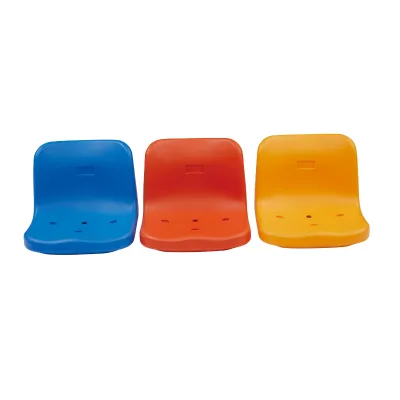
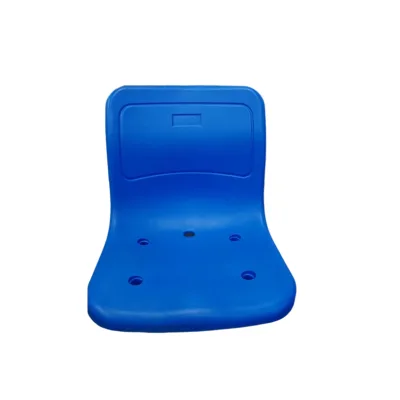




Comprehensive Sourcing Guide
Weather Resistant Weather Resistant Football Chair Supplier Concentration and Factory Types
The sourcing base for a Weather Resistant Football Chair is heavily anchored in China, and the supplier results on this page consistently show Guangdong as the stated place of origin for stadium seating products. That province has long been associated with plastics processing, blow molding and injection molding, which are the core production techniques behind polypropylene and polyethylene stadium seats. When you shortlist candidates, treat the stated origin as a starting signal rather than a guarantee: confirm whether the factory actually molds its own shells or buys them from a nearby molding plant and assembles the mounting hardware in-house. Both models are legitimate, but they affect your cost structure, defect accountability and ability to customize colors or logos quickly.
Within the results, company types split between manufacturers and trading companies, and some listings carry both labels. Manufacturer-type accounts usually point to direct control over tooling, raw resin selection and QC, while trading companies may offer wider product ranges — one result lists artificial grass, padel courts, sports flooring and stadium seats together — which can simplify multi-line stadium projects. Also note how each supplier describes its own capabilities: research-and-development tags such as sample processing, graphic processing and customized-on-demand signal design flexibility, while OEM/ODM tags signal manufacturing-for-hire capacity. Matching those self-declared capabilities to your project scope is the first practical filter before any price discussion.
How to Verify Weather Resistant Football Chair Suppliers
Verification for a Weather Resistant Football Chair should start with the third-party markers visible in supplier profiles. The results show system certifications such as ISO 9001, ISO 14001 and ISO 45001, which indicate documented quality, environmental and occupational-safety management rather than product performance itself. One supplier is verified through TüV Rheinland and another through CTI; these platform-level verifications confirm business legitimacy and on-site audits, but they do not certify UV resistance or vandal-proof performance of a specific seat. You should ask each supplier for the test basis behind any UV-resistant claim — resin grade, UV stabilizer content and intended service life — and request sample seats you can expose to sunlight before committing.
Beyond certificates, verify operational substance. A stated production capacity of 50,000 pieces per year tells you a supplier can handle mid-size stadium orders, but ask what that figure covers: molded shells only, or assembled seats with mounting brackets? Check whether the supplier answers within its displayed response window — the results show response times ranging from roughly six to about eight and a half hours — and note slow or templated replies as an early warning. Ask for the factory address in Guangdong or wherever the supplier is registered, request a live video walkthrough of the molding line, and confirm who holds the tooling if you commission a custom seat mold. Finally, request references from completed stadium installations so you can confirm the seats survived real outdoor seasons.
What to Compare Across Weather Resistant Football Chair Suppliers
Build a comparison sheet using the dimensions actually displayed in supplier listings rather than assumptions. Useful columns include: main products (a supplier offering only stadium seats versus one also selling bleachers, telescopic stands and folding seats); company type (manufacturer, trading company or both); stated certifications; verification body; response time; quoted lead time; MOQ; and research-and-development capability tags. The results illustrate real spread: one listing shows MOQ of 1,000 pieces, another shows MOQ of a single piece, and lead times range from around fifteen days down to a field left blank or quoted at seven to fourteen days for delivery. Never assume an attribute exists if it is not displayed — ask and record the answer.
On product-level attributes, compare material (PP versus PE shells), single-package dimensions and gross weight — listed examples range from about five kilograms to fifteen kilograms per unit, which drives container fill and freight cost — plus customization options. One listing advertises custom colors, custom logos and armrest options; another offers low-back cost-effective models with model numbers you can cross-reference across quotes. Price bands in the results run roughly from the mid-three-dollar range to the high-teens per seat, so normalize quotes by back height, material and mounting method. Also compare warranty statements — one listing claims three years — and installation methods such as concrete-fixed or floor-mounted bases, since these determine your site labor cost.
Common Weather Resistant Football Chair Sourcing Risks
The most common risk in this category is the gap between "weather resistant" as marketing language and as measurable performance. Suppliers describe seats as UV resistant and vandal proof, but unless you obtain the resin specification and UV stabilizer details, a cheap shell may fade, chalk or become brittle after one or two outdoor seasons. Mitigate this by requiring pre-shipment samples kept outdoors for a defined period, and by writing UV-fade and impact expectations into the purchase contract rather than relying on listing keywords. A second risk is structural: mounting points and brackets fail before shells do, so inspect hardware thickness, rust protection and whether the seat's installation mode matches your grandstand structure.
Other risks cluster around specification drift and communication. Variations exist even within one supplier's range — some listings give package sizes in centimeters and one records it in an implausibly small unit — so confirm actual dimensions and gross weight before booking freight, because packing errors cascade into container shortfalls. Beware of capacity misalignment: a supplier quoting short delivery on a small trial order may not sustain that speed at stadium scale, so ask how the quoted lead time scales with volume. Trading companies add a layer where responsibility for mold ownership and after-sales parts can blur; clarify in writing whether the trading company or the underlying factory handles spare shells and brackets. Finally, avoid locking a color code, logo file or model number into a verbal agreement — document every customization in the proforma invoice.
Weather Resistant Football Chair Regional Sourcing and Logistics
Because the stated origin across these results is Guangdong, China, plan logistics around that region's export infrastructure rather than generic assumptions. Seats are bulky relative to value, so freight economics hinge on packing density: listed single-package sizes around 110 by 52 by 46 centimeters and gross weights of five to fifteen kilograms per unit mean a forty-foot container fills by cube before it fills by weight. Ask each supplier for stacked packing configurations — whether seats nest, whether backs ship separately — and calculate pieces per container for your specific stadium seat count. Get a quoted gross and net weight per carton in writing, since discrepancies here are a known source of disputes.
Consider the practical sequencing of an outdoor stadium project. Seat delivery must synchronize with concrete works or steel grandstand completion, so a supplier's stated lead time — one result shows around fifteen days, another quotes seven to fourteen days for delivery — should be mapped against your construction schedule with buffer for sea transit and customs clearance. Request the loading plan: photo documentation of container loading, carton markings by stand section, and a packing list keyed to seating zones simplifies on-site installation and reduces sorting labor. Confirm Incoterms early, clarify who arranges export customs in China, and ask whether the supplier has shipped to your destination port before. For mixed stadium orders — seats plus flooring or fencing — a supplier listing multiple sports products may allow consolidation, reducing separate shipments.
Weather Resistant Football Chair Commercial Terms and Order Planning
Commercial terms for a Weather Resistant Football Chair order should be negotiated against the data visible in the results. Price ranges of roughly $3.5 to $18.6 per seat exist across listings, reflecting differences in material, back height and order size; obtain itemized quotes showing unit price at your volume, tooling or mold fees for custom colors and logos, and packing cost. Reference MOQs: one listing shows 1,000 pieces, while another permits a single-piece MOQ, so low-volume buyers can negotiate trial orders before scaling. Use staged ordering — a sample batch, then a pilot stand section, then the full stadium — and tie each release to inspection of the previous one.
Structure payment and protection deliberately. Ask whether the platform offers escrow or trade assurance for your order, since results do not display uniform payment protection across suppliers, and confirm what the buyer must do to qualify. Put the warranty claim — one listing states three years — into the contract with defined remedies for premature fading or breakage. Record agreed delivery windows, response-time expectations, and any certification documents the supplier must provide before shipment. Finally, plan retention: hold a percentage of payment until seats pass on-site installation checks, and secure spare shell and bracket quantities at the original unit price so future stadium maintenance does not depend on renegotiation.## Weather Resistant Football Chair Supplier Concentration and Factory Types
The sourcing base for a Weather Resistant Football Chair is heavily anchored in China, and the supplier results on this page consistently show Guangdong as the stated place of origin for stadium seating products. That province has long been associated with plastics processing, blow molding and injection molding, which are the core production techniques behind polypropylene and polyethylene stadium seats. When you shortlist candidates, treat the stated origin as a starting signal rather than a guarantee: confirm whether the factory actually molds its own shells or buys them from a nearby molding plant and assembles the mounting hardware in-house. Both models are legitimate, but they affect your cost structure, defect accountability and ability to customize colors or logos quickly.
Within the results, company types split between manufacturers and trading companies, and some listings carry both labels. Manufacturer-type accounts usually point to direct control over tooling, raw resin selection and QC, while trading companies may offer wider product ranges — one result lists artificial grass, padel courts, sports flooring and stadium seats together — which can simplify multi-line stadium projects. Also note how each supplier describes its own capabilities: research-and-development tags such as sample processing, graphic processing and customized-on-demand signal design flexibility, while OEM/ODM tags signal manufacturing-for-hire capacity. Matching those self-declared capabilities to your project scope is the first practical filter before any price discussion.
How to Verify Weather Resistant Football Chair Suppliers
Verification for a Weather Resistant Football Chair should start with the third-party markers visible in supplier profiles. The results show system certifications such as ISO 9001, ISO 14001 and ISO 45001, which indicate documented quality, environmental and occupational-safety management rather than product performance itself. One supplier is verified through TüV Rheinland and another through CTI; these platform-level verifications confirm business legitimacy and on-site audits, but they do not certify UV resistance or vandal-proof performance of a specific seat. You should ask each supplier for the test basis behind any UV-resistant claim — resin grade, UV stabilizer content and intended service life — and request sample seats you can expose to sunlight before committing.
Beyond certificates, verify operational substance. A stated production capacity of 50,000 pieces per year tells you a supplier can handle mid-size stadium orders, but ask what that figure covers: molded shells only, or assembled seats with mounting brackets? Check whether the supplier answers within its displayed response window — the results show response times ranging from roughly
FAQs
What is the price range for weather resistant football chairs?
Prices for these stadium seats typically range from $3.50 to $18.62 per unit. The final cost depends on the material choice, such as PP or PE plastic, and the specific model number selected. Buyers should request a quote for their exact quantity to get an accurate price.
What is the minimum order quantity for plastic stadium seats?
The standard minimum order quantity is 1000 pieces for most models. Some suppliers may offer lower MOQs, but bulk orders are common for these items. Buyers should verify the specific MOQ with the supplier before placing an order to ensure it meets their project requirements.
How long does it take to manufacture these chairs?
Lead times generally range from 15 days for standard production. Some suppliers may offer faster delivery within 7 to 14 days depending on stock. Buyers should confirm the exact lead time with the supplier, as it can vary based on customization needs and order volume.
Are these stadium seats certified for safety and quality?
Many suppliers hold ISO 9001, ISO 14001, and ISO 45001 certifications. These standards ensure quality management and environmental responsibility. Buyers should verify the specific certifications held by the supplier to ensure they meet their project's safety and compliance requirements.
What materials are used for weather resistant football chairs?
These chairs are typically made from durable PP or PE plastic. The material is chosen for its UV resistance and vandal-proof qualities. This ensures the seats remain durable and weather-resistant for outdoor stadium use. Buyers can often customize the color to match their team or venue branding.
Where are these stadium seats manufactured?
Most of these products are manufactured in Guangdong, China. Some suppliers may also list locations in Beijing. Buyers should verify the specific place of origin with the supplier to understand shipping logistics and potential tariffs associated with the manufacturing location.