Source Modern Restaurant Counter Stools for hotels, homes, and offices
Explore 30 listings of Modern Restaurant Counter Stools designed for diverse settings including hotels, homes, and offices. Buyers can compare specifications, materials, and pricing to find the ideal seating solution for their specific needs; compare the available evidence and request quotations based on your requirements.
Updated
Key considerations
Products List


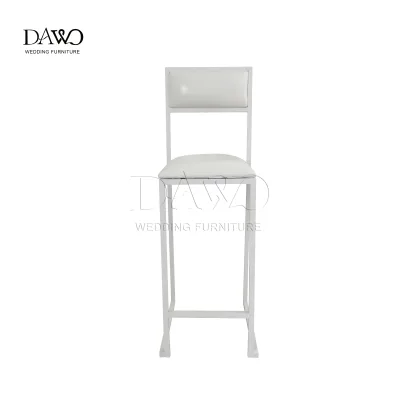
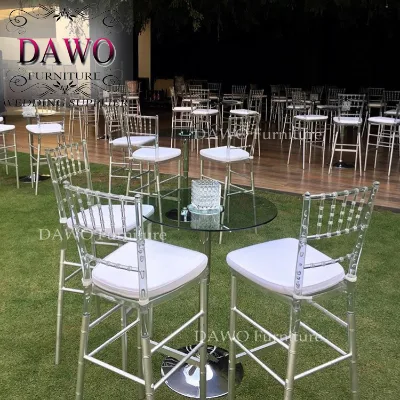
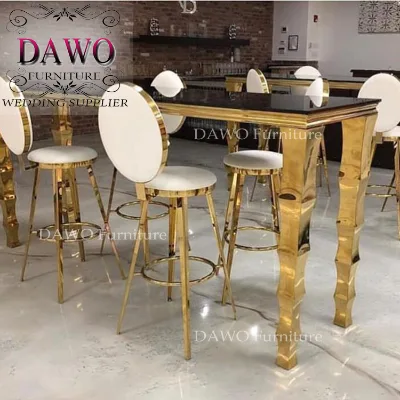


$30.00 - $100.00
MOQ: 100 Pieces


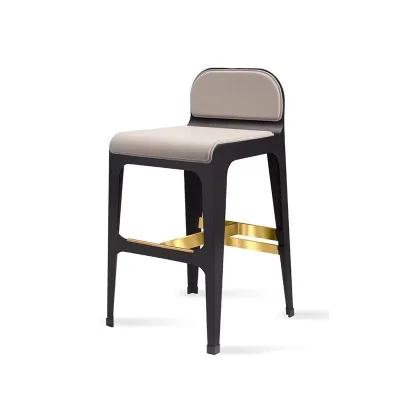
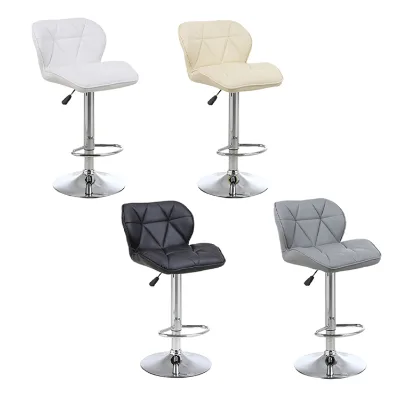
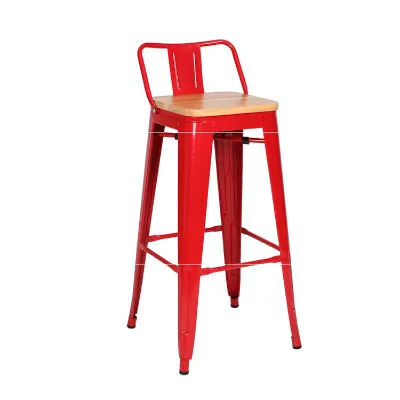
Low Back Counter Stools bar Stools for Kitchen Counter,counter Stools with Back
$17.00 - $20.00
MOQ: 2 pieces


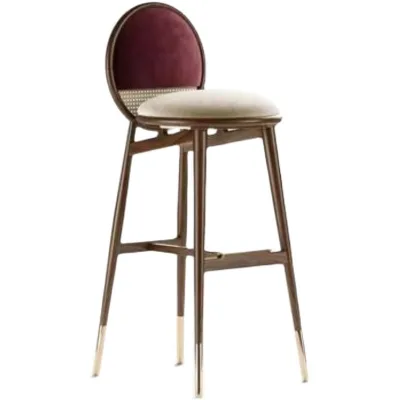
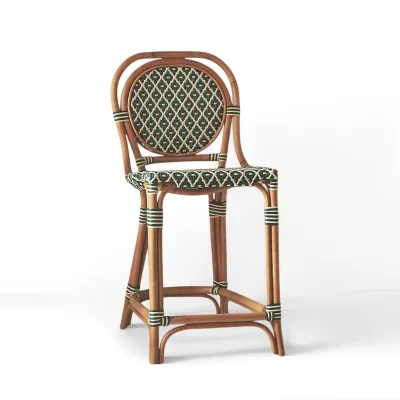
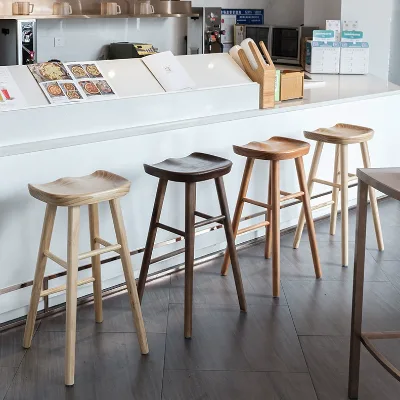
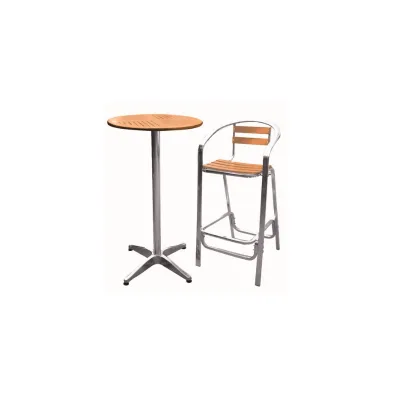
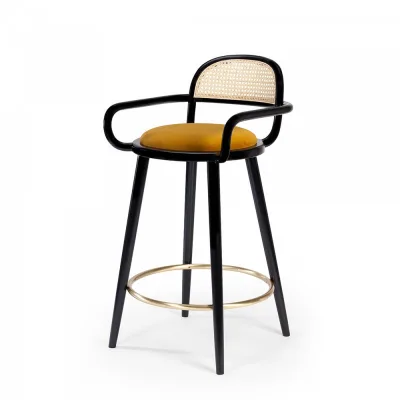

Modern Hotel Lobby Restaurant Kitchen Club Counter Height Stool Bar Chair Barstool
$125.00 - $140.00
MOQ: 10 Pieces

Modern Restaurant Club Velvet Fabric Leather Counter Height Stool Bar Chair Barstool
$90.00 - $100.00
MOQ: 10 Pieces

Modern Lobby Restaurant Club Fabric Leather Counter Height Stool Bar Chair Barstool
$125.00 - $140.00
MOQ: 10 Pieces

Modern Kitchen Hotel Restaurant Bar Stool Metal Legs Barstool Counter Height Chair
$260.00 - $280.00
MOQ: 10 Pieces

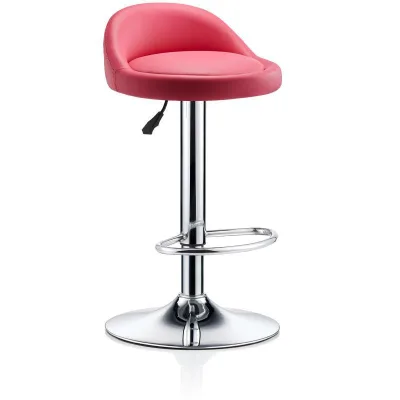
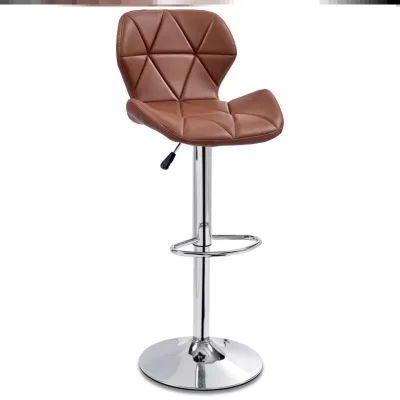

Comprehensive Sourcing Guide
Modern Restaurant Counter Stools Sourcing Guide
Sourcing Modern Restaurant Counter Stools requires balancing aesthetic appeal with rigorous durability standards, as these pieces endure constant high-traffic usage. Buyers must prioritize structural integrity, ensuring that frames constructed from stainless steel or similar robust materials can support dynamic loads without deformation. The observed market offers a wide variety of designs, ranging from fixed rotary bases to stackable units, each serving distinct operational needs in dining and hospitality environments.
Procurement teams should evaluate the interplay between material composition and finish longevity, particularly when selecting between leather, PU, or glass accents. While customization is widely available, verifying the consistency of color options like light gray or gold metal finishes across large orders is critical. Understanding the specific application context, whether for a hotel lobby, home bar, or commercial dining area, helps narrow down the appropriate feature set, such as armrest presence or stackability, to optimize space and comfort.
Product Scope and Observed Listing Signals
The current market landscape for Modern Restaurant Counter Stools reveals a diverse array of product configurations tailored to various interior design themes. Listings frequently highlight models with fixed rotary bases, ensuring stability while allowing user adjustment, and emphasize modern styling that complements contemporary decor. Buyers will encounter options with and without armrests, as well as variations in seat materials including leather and PU, which directly impact both tactile comfort and long-term maintenance requirements.
Observed listing signals indicate a strong emphasis on multi-functional utility, with products marketed for use in hotels, restaurants, banquet halls, and residential settings. Specifications often include precise dimensional data, such as heights of 64cm or 75cm paired with corresponding depths, allowing for accurate spatial planning. Additionally, the availability of stackable designs, capable of holding four units per stack, provides significant operational flexibility for venues that need to reconfigure seating arrangements quickly for different events or peak hours.
Technical Specifications to Verify
Verifying technical specifications is paramount to ensuring that selected stools meet both ergonomic and structural demands. Buyers must confirm exact dimensions, such as the observed H64xd26cm or H75xd29cm variants, to ensure compatibility with existing counter heights and clearance requirements. It is essential to validate the frame material, often cited as stainless steel, for corrosion resistance and load-bearing capacity, while also inspecting the quality of upholstery materials like leather or PU for wear resistance and ease of cleaning in high-spill environments.
Further verification should focus on the base construction and stability features, particularly for models with rotary or fixed mechanisms. Procurement teams should request detailed packing specifications to understand how products are protected during transit, as improper packaging can lead to damage upon arrival. Confirming whether units are designed to be folded or remain rigid is also crucial, as this affects storage efficiency and shipping volume, directly impacting logistics costs and warehouse space utilization for large-scale deployments.
Compliance and Safety Documentation
While specific certification statuses are not universally detailed in all listings, buyers must proactively request relevant safety and quality documentation from suppliers. This includes verifying that materials used, such as stainless steel frames and upholstery, comply with local fire safety and chemical emission standards applicable to hospitality and public seating. Ensuring that the product origin, often noted as Guangdong or Foshan in China, aligns with the buyer’s supply chain preferences and regulatory requirements is a necessary step in the due diligence process.
Documentation should also cover the warranty terms, which are frequently observed to range between three to five years, indicating the manufacturer’s confidence in product durability. Buyers should insist on clear definitions of what constitutes a defect versus normal wear and tear within this warranty period. Additionally, confirming that the manufacturing process adheres to recognized quality management systems helps mitigate risks associated with inconsistent production batches and ensures that every unit meets the same high standard of safety and performance.
Cost Drivers and Commercial Terms
Cost structures for Modern Restaurant Counter Stools are influenced by material choices, customization levels, and order volume. Stainless steel frames and premium leather or PU upholstery typically command higher price points compared to basic alternatives, while custom designs may incur additional tooling or setup fees. Buyers should analyze the observed price ranges and minimum order quantities, which can vary significantly, to determine the most cost-effective procurement strategy for their specific volume needs and budget constraints.
Commercial terms often include a deposit structure, such as a 30% deposit with the 70% balance paid before shipment, which is standard in international trade. Lead times are generally observed to range from 15 to 30 days, depending on production schedules and customization complexity. Understanding these payment and delivery terms is essential for cash flow management and inventory planning, ensuring that stock arrives in time for venue openings or seasonal demand peaks without incurring unnecessary storage costs.
Supplier Qualification and Quality Control
Evaluating supplier qualifications involves assessing their production capacity and quality control processes to ensure consistent output. Buyers should verify the supplier’s ability to meet monthly supply abilities, which can reach up to 10,000 pieces, indicating robust manufacturing infrastructure. Requesting samples before placing bulk orders allows for hands-on inspection of build quality, material authenticity, and finish consistency, providing a tangible benchmark against which to judge subsequent production runs.
Quality control measures should include pre-shipment inspections to identify any defects in frame welding, upholstery stitching, or base stability. Suppliers should provide detailed packaging protocols, such as the use of EPE foam, bubble wrap, and waterproof plastic bags, to protect products during sea freight. Establishing clear communication channels for addressing any discrepancies or damage claims is crucial, as it ensures that issues are resolved promptly without disrupting the buyer’s operational timeline or customer satisfaction.
Long-Term Procurement Checks
Long-term procurement success depends on establishing a reliable supply chain that can adapt to changing market demands and product lifecycle needs. Buyers should monitor supplier performance over time, tracking metrics such as on-time delivery rates, defect frequencies, and responsiveness to service requests. Maintaining a relationship with suppliers who offer customization options allows for future design updates or branding opportunities, ensuring that the seating inventory remains aligned with evolving interior design trends and brand identity.
Regularly reviewing warranty claims and product feedback from end-users provides valuable insights into durability and comfort issues that may not be apparent during initial sampling. This data can inform future purchasing decisions, helping buyers refine their specifications and select models with proven track records. Additionally, staying informed about industry developments in materials and manufacturing techniques enables proactive adjustments to procurement strategies, ensuring that the restaurant or hospitality venue continues to offer high-quality, durable, and aesthetically pleasing seating solutions.
FAQs
Can Modern Restaurant Counter Stools be customized?
Yes, customization is available for these stools. Buyers can request custom makes to suit specific design needs. The products are new condition and feature modern styles. Options include fixed rotary bases and various dimensions like H64xd26cm or H75xd29cm. This allows tailored solutions for dining or hotel environments.
What materials are used for Modern Restaurant Counter Stools?
Materials vary by model, including stainless steel with leather, stainless steel with glass, or stainless steel with PU. Some frames are entirely stainless steel. These durable materials ensure steady performance. The main materials are selected for longevity and aesthetic appeal in high-traffic areas like hotels, restaurants, and home offices.
What is the typical lead time for these stools?
The delivery time is typically 15-30 days. This timeframe applies to standard orders placed with suppliers. Buyers should account for this duration when planning inventory. The lead time ensures proper manufacturing and quality checks before shipping. It is a standard window for production and preparation of goods.
How are Modern Restaurant Counter Stools packaged for shipping?
Packaging includes EPE foam, bubble EPE, and waterproof plastic bags. Items are packed in cartons, often one piece per carton. Some models use two cartons per piece. This method protects against cargo clash and moisture. The packaging is designed to ensure safe transit via sea freight to the destination port.
What is the minimum order quantity for these stools?
The minimum order quantity is 1 piece. This low MOQ allows buyers to test products easily. It supports small-scale procurement for home offices or single venues. Suppliers accept this minimal quantity to facilitate initial orders. It reduces risk for buyers exploring new suppliers or product lines.
Where are these Modern Restaurant Counter Stools manufactured?
These stools are manufactured in China, specifically in Guangdong and Foshan. The place of origin is clearly stated as these regions. Buyers can expect production from these established manufacturing hubs. The location supports efficient logistics and supply chain management for global distribution.