Source Foldable Monofilament Fishing Cage for Agriculture, Fishing, and Shipping
Find 30 Foldable Monofilament Fishing Cage options from China. Compare nylon and polyethylene materials, knotting styles, and custom sizes for shrimp, crab, and lobster traps. View specs and request quotes; compare the available evidence and request quotations based on your requirements.
Updated
Key considerations
Products List


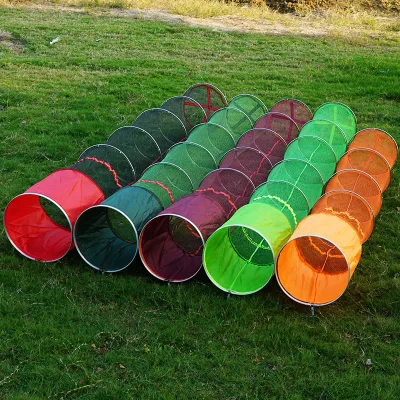
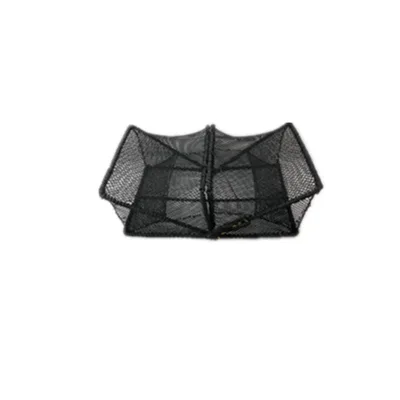
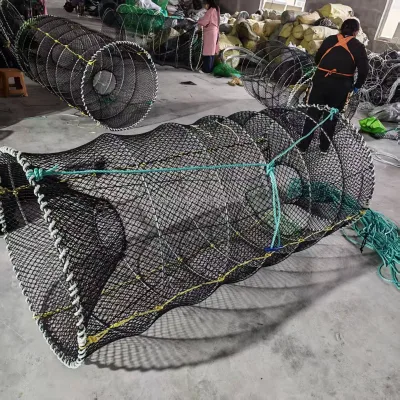
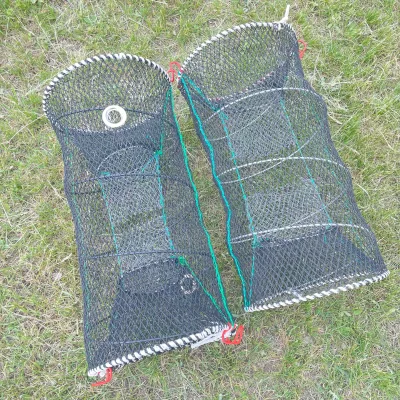
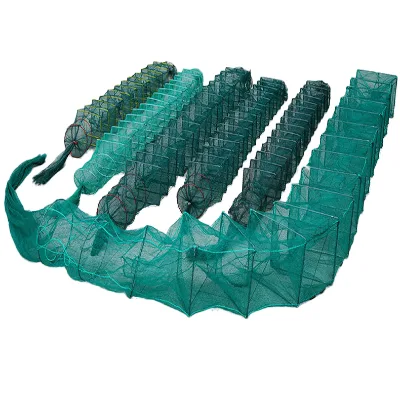
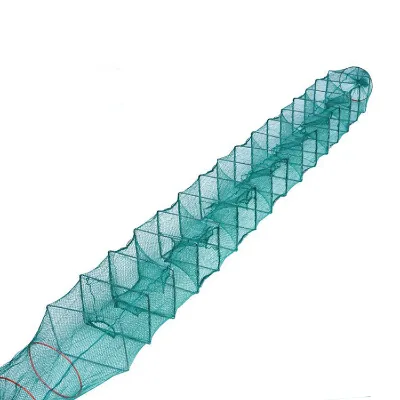
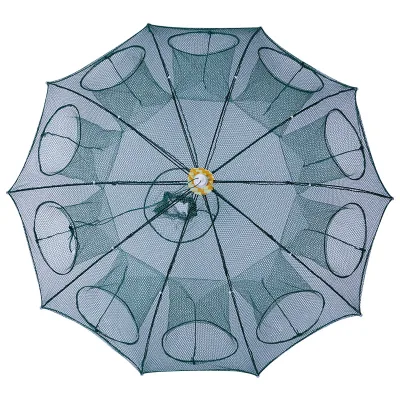
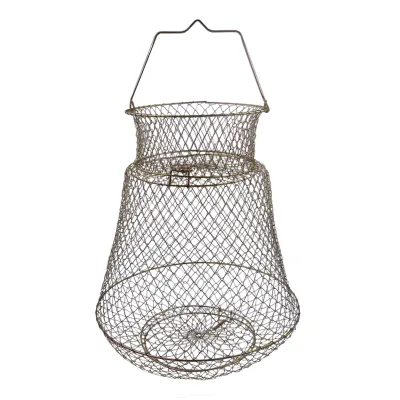
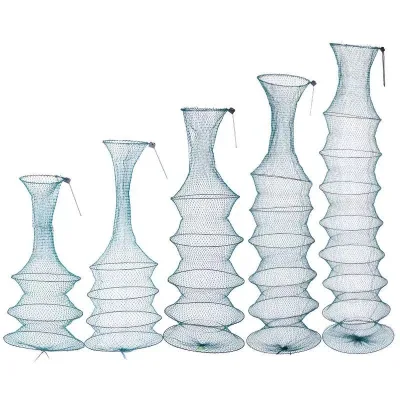
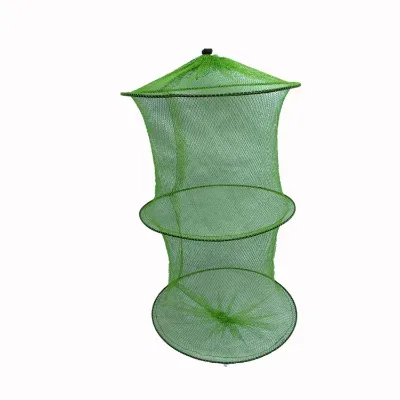
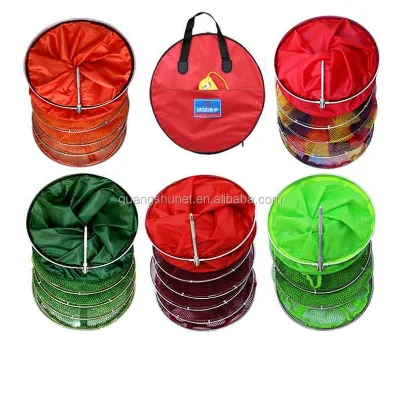
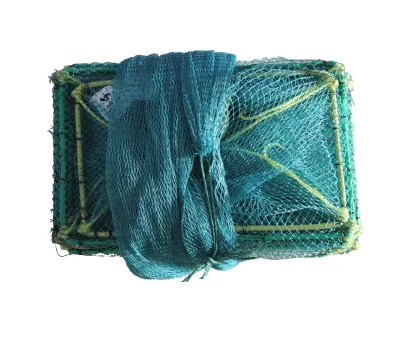
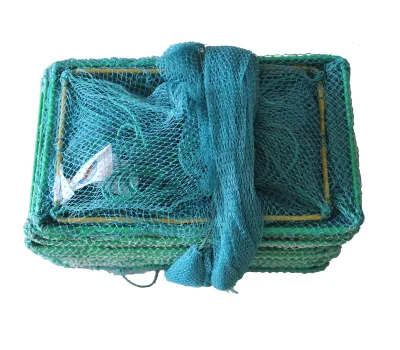
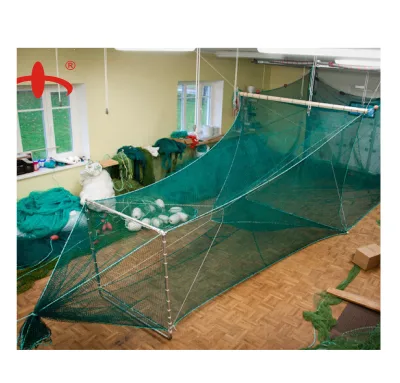


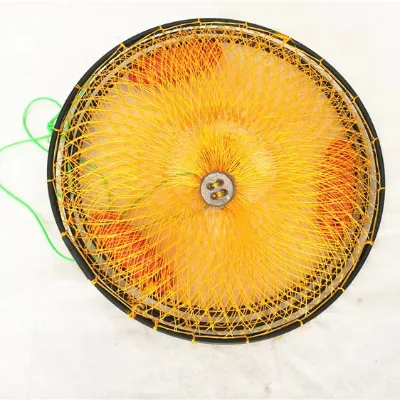
Practical Premium Material Nylon Round Shrimp Mesh Cage Foldable Fishing Net
$1.80 - $2.00
MOQ: 500 Pieces

Large Foldable Caught Portable Collapsible Mesh Bait Storage Cage Fishing Nets
$4.80 - $5.00
MOQ: 200 Pieces
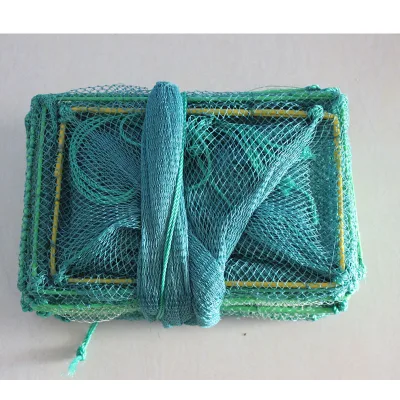
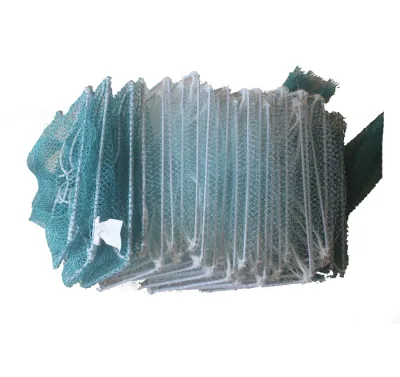


Comprehensive Sourcing Guide
Foldable Monofilament Fishing Cage Sourcing Guide
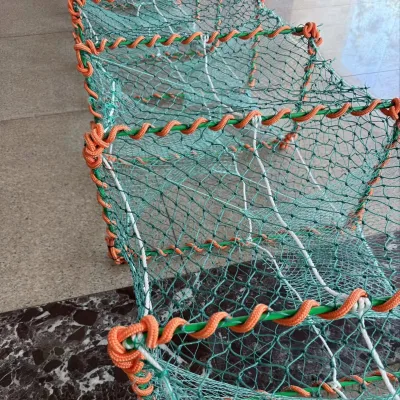
Buyers evaluating foldable monofilament fishing cages must first distinguish between monofilament and multifilament constructions, as the supplied data indicates both styles are available from different suppliers. The monofilament variant typically offers high visibility and specific knotting patterns, while multifilament options may provide different tensile characteristics. Procurement teams should verify the specific material composition, such as PA or Polyethylene, to ensure the netting aligns with the target catch species like fish, shrimp, or lobster.
The structural design often includes double edges and polygon shapes, which are critical for durability and trap efficiency. Sourcing teams must confirm whether the product features a knotless design or specific knot types like Sk or Dk, as these details directly impact the net's strength and the likelihood of catch retention. Understanding these physical attributes is essential before engaging with suppliers, as the intended usage in agriculture, fishing, or security sectors dictates the necessary performance thresholds.
Product Scope and Observed Listing Signals
The market for these cages presents a wide variance in specifications, with observed listing prices ranging from 0.95 to 42 USD and minimum order quantities spanning from 1 to 1000 units. This broad spectrum suggests that buyers can source small trial batches or large commercial shipments, but the unit price will fluctuate significantly based on material density, package size, and customization levels. Buyers should analyze the single package dimensions, which vary from compact 55x15x15 cm units to larger 80x50x10 cm configurations, to calculate accurate freight costs.
Listing signals also reveal diverse packaging methods, including OPP/carton, hank, bundle, or woven bag fillers, which affect the final landed cost and storage requirements. Some products are listed with specific weights, such as 1kg or 1.7kg, while others indicate a gross weight of 2.000 kg, necessitating careful verification of the net weight versus the shipping weight. Procurement professionals must cross-reference these physical data points with the supplier's stated delivery time, which is typically 7-10 days, to ensure the supply chain can meet operational timelines.
Technical Specifications to Verify
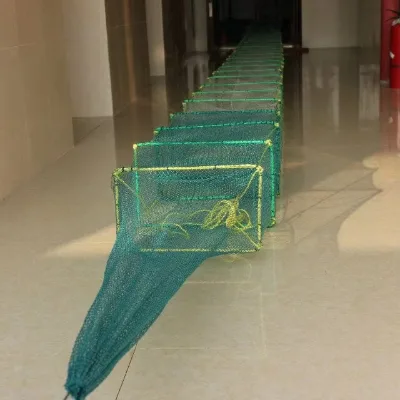
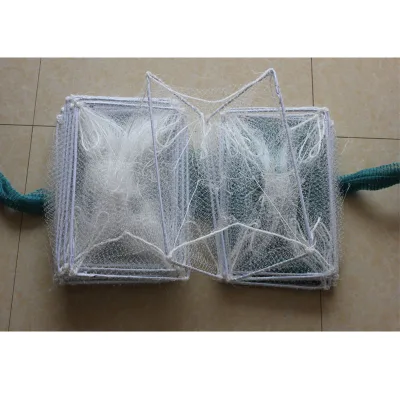
Technical due diligence requires confirming the frame material, as some listings specify plastic-coated steel wire while others rely on woven netting structures. The length of the cage is another critical variable, with observed ranges extending from 1.5 meters to 3 meters, and specific models offering sizes like 50x80 cm. Buyers must verify if the product is truly foldable, a feature explicitly listed for certain models, as this impacts portability and storage efficiency for field operations.
Verification of the knot type is equally vital, with options ranging from standard knotting to knotless designs, each offering distinct advantages for different fishing environments. The denier count, noted as 3-Knot Type in some contexts, influences the mesh strength and should be matched against the target catch size to prevent escape or damage. Additionally, the color options, such as green or red, may affect visibility and catch rates, requiring buyers to select the shade that best suits their specific water conditions and target species.
Compliance and Safety Documentation
While the supplied facts indicate that product standards are often customized, buyers must explicitly request documentation regarding material safety and environmental compliance. Since the origin is listed as China, specifically Shandong, and some brands include OEM capabilities, it is imperative to verify that the nylon or polyethylene materials used do not contain prohibited substances for the intended market. Procurement teams should ask for material safety data sheets to ensure the cages meet local regulations regarding aquatic safety and non-toxicity.
Safety documentation should also address the structural integrity of the frame, particularly for cages utilizing plastic-coated steel wire. Buyers need to confirm that the coating process prevents rust and corrosion, which is essential for long-term use in saline or freshwater environments. Although specific certification names are not provided in the source data, suppliers should be able to demonstrate adherence to relevant industry norms for fishing gear, ensuring the product does not pose a hazard to marine life or the operator.
Cost Drivers and Commercial Terms
The final cost of a Foldable Monofilament Fishing Cage is heavily influenced by the level of customization and the support for OEM and ODM services. Suppliers offering custom standards and specific branding, such as Yajie or GH, may charge a premium for these tailored solutions compared to generic stock items. Buyers should evaluate whether the cost difference justifies the branding benefits or if standard models with custom packing suffice for their immediate operational needs.
Commercial terms also vary based on the MOQ and the specific packing configuration, such as single items versus bulk bundles. The observed MOQ of 2 units allows for low-risk testing, but larger orders may unlock better pricing tiers within the 0.95-42 USD range. Procurement teams must clarify the delivery time, which is typically 7-10 days, and confirm if expedited shipping is available for urgent orders, as this can impact the total cost of ownership and inventory planning.
Supplier Qualification and Quality Control
Supplier qualification should focus on their ability to support both OEM and ODM requirements while maintaining consistent quality levels. The data indicates a "Good" quality rating for some products, but buyers must verify this through sample testing rather than relying solely on listing descriptions. It is crucial to assess the supplier's production capacity, especially given the location in Shandong, China, to ensure they can handle volume fluctuations without compromising the structural integrity of the monofilament or multifilament nets.
Quality control protocols must include checks on the double edges and the consistency of the knotting process, as these are key indicators of manufacturing precision. Buyers should request pre-shipment inspections to verify that the single gross weight and package dimensions match the agreed specifications. Establishing a clear communication channel for quality feedback is essential, as the ability to customize the product standard implies a flexible manufacturing process that requires close oversight to maintain product reliability.
Long-Term Procurement Checks
Long-term procurement success depends on establishing a reliable supply chain that can consistently deliver products with the specified foldable features and material properties. Buyers should monitor the supplier's ability to maintain the 7-10 day delivery time over multiple orders and verify that the customization options remain available without significant lead time extensions. Regular audits of the production process can help ensure that the plastic-coated steel wire frames and netting materials continue to meet the required durability standards.
Continuous evaluation of the product's performance in the field is necessary to validate the initial technical specifications, such as the polygon shape and knot type efficiency. Buyers should track the wear and tear on the double edges and the overall lifespan of the cage to determine if the initial investment yields the expected return. Maintaining a relationship with suppliers who offer flexible MOQs and support for future design iterations will ensure the procurement strategy remains adaptable to changing market demands and operational requirements.
FAQs
Can foldable monofilament fishing cages be customized for specific needs?
Yes, customization is available for these products. Buyers can request specific modifications to meet unique operational requirements. The standard offering supports both OEM and ODM services, allowing for tailored designs. This flexibility ensures that the equipment aligns perfectly with particular fishing or security applications, providing a solution that fits exact specifications rather than a one-size-fits-all approach.
What material is used to construct these fishing traps?
These traps are primarily constructed from PA or nylon materials. Some variants also utilize polyethylene for the netting components. The frame often incorporates plastic-coated steel wire for added durability. This combination of materials ensures the product is robust yet lightweight, making it suitable for various aquatic environments while maintaining structural integrity during repeated use in fishing or trapping scenarios.
What is the typical delivery time for these orders?
The usual delivery time is 7-10 days. This timeframe applies to standard orders and ensures relatively quick turnaround for buyers. While specific lead times may vary based on order volume or customization requests, the standard processing period remains consistent. This efficient schedule helps businesses manage their inventory and operational timelines effectively without significant delays in receiving their equipment.
What is the minimum order quantity for these products?
The minimum order quantity can be as low as 2 units. This low MOQ allows buyers to test the product with minimal initial investment. It is particularly useful for small-scale operations or those evaluating the equipment before committing to larger purchases. This flexibility supports diverse buyer needs, from individual fishermen to larger commercial enterprises seeking trial batches.
How are these fishing cages packaged for shipment?
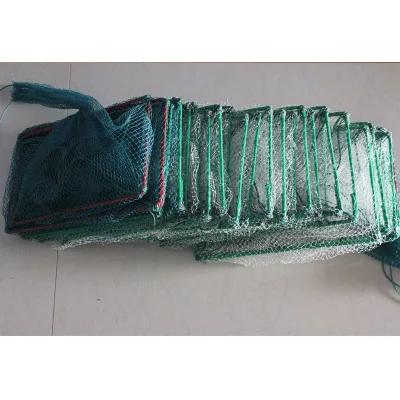
Packaging options include OPP bags, cartons, hanks, or bundles. The specific method depends on the product type and buyer preference. For instance, some items are packed in hanks or bundles, while others use standard cartons. This varied approach ensures safe transport and storage, protecting the foldable nature of the cages during transit while maintaining their structural quality until they reach the end user.
What are the primary uses for these monofilament nets?
These nets are used for agriculture, fishing, shipping, and security. Specific applications include catching fish, shrimp, crab, crawfish, and lobster. The versatile design supports various aquatic harvesting needs. Additionally, the material and construction make them suitable for security purposes, demonstrating their multi-functional utility across different industries while maintaining high performance in water-based environments.