Source Eco Friendly Tungsten Fishing Jig for River, Lake, and Ocean Beach
Find 30 Eco Friendly Tungsten Fishing Jig options from Shandong, China. Compare 97-98% pure tungsten models in various sizes and colors for river, lake, and ocean beach fishing. Suppliers offer OEM branding and fast delivery; compare the available evidence and request quotations based on your requirements.
Updated
Key considerations
Products List
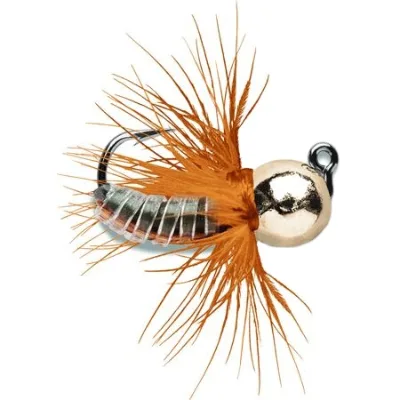
$0.1028 - $1.0292
MOQ: 1 Minimum
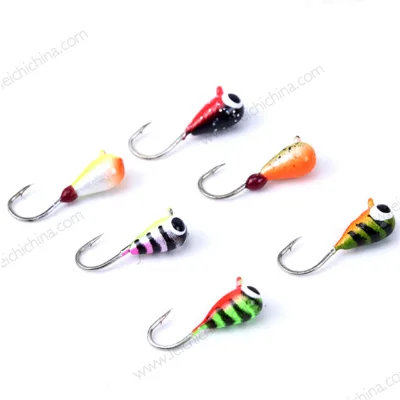
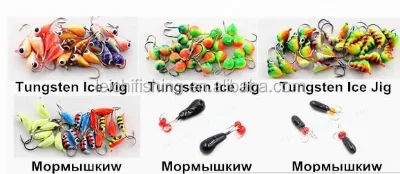


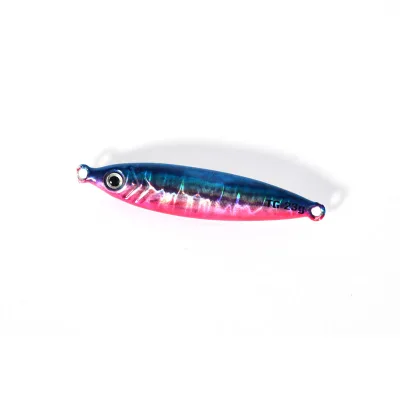
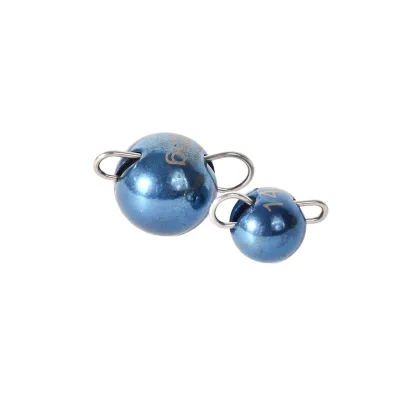
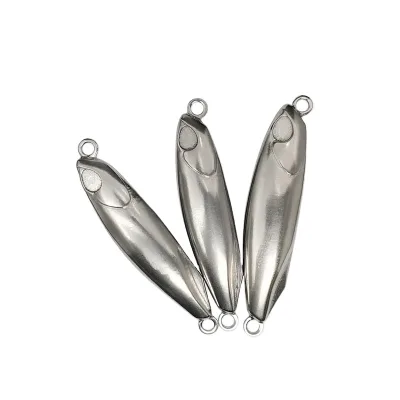
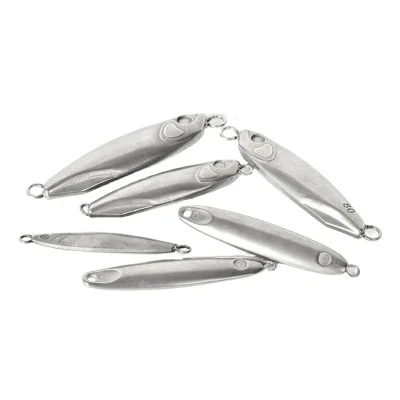
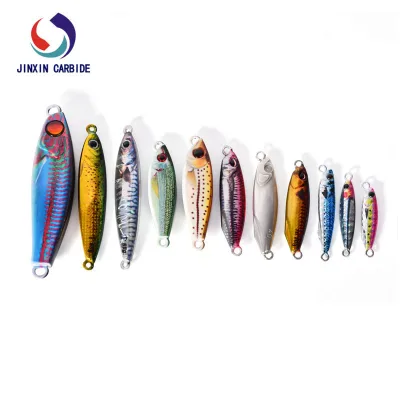
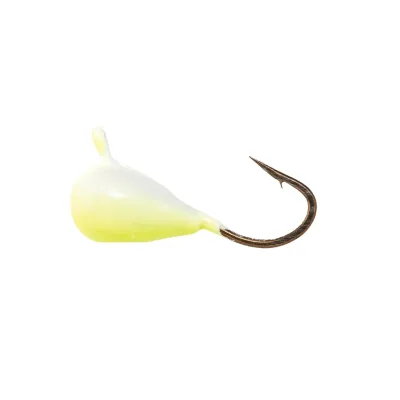
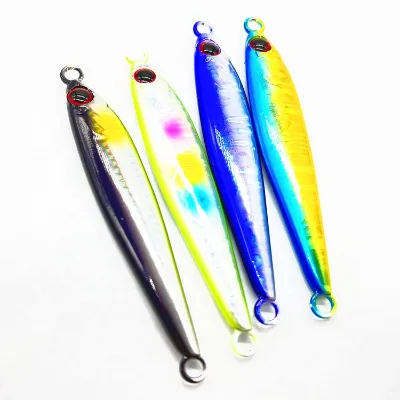


Colorful Fishing Lure Tools Up05 150g~210g Tungsten Jig Head for Fishing
$11.70 - $12.00
MOQ: 20 Pieces




Comprehensive Sourcing Guide
Eco Friendly Tungsten Fishing Jig Sourcing Guide
Procuring eco-friendly tungsten fishing jigs requires a strategic focus on material density and environmental safety. Tungsten offers superior density compared to lead, allowing for smaller, more sensitive lures that sink faster. This characteristic is critical for deep-water applications and precise bottom fishing techniques. Buyers must verify that the tungsten content meets high purity standards to ensure performance and durability. The shift toward tungsten is driven by regulatory pressures and consumer demand for sustainable fishing gear.
Sourcing decisions should prioritize suppliers who transparently disclose material composition and manufacturing processes. High-density tungsten heads provide better sensitivity and hook-up ratios, enhancing the angler's experience. However, buyers must distinguish between pure tungsten and tungsten-infused composites. Understanding the specific alloy ratios helps in evaluating cost versus performance. This guide outlines the key verification steps for sourcing high-quality, environmentally responsible tungsten jigs from global suppliers.
Product Scope and Observed Listing Signals
The observed product range includes various tungsten fly jigs and ice fishing jigs with specific size options. Listings indicate sizes such as 1/16 oz, 1/8 oz, 3/16 oz, 1/4 oz, and 5/16 oz. These sizes cater to different fishing conditions and target species. The products are described as having a round shape and are available in multiple colors, including blue, black, white, red, yellow, orange, purple, silver, green, and brown. Custom colors are also an option, allowing for brand differentiation.
Packaging details reveal that items are often packaged in plastic shell cases or foam boxes. Some listings mention packaging with custom logo cards, supporting private label opportunities. The single package size is noted as 10x10x10 cm for some items, while others are larger at 25x25x20 cm. This variation suggests different product types or bulk packaging options. Buyers should confirm the exact packaging dimensions to optimize shipping costs and storage efficiency.
Technical Specifications to Verify
Material composition is the most critical technical specification for tungsten jigs. Listings mention materials ranging from 97% to 98% pure tungsten. Buyers must verify the exact tungsten percentage to ensure high density and performance. Lower tungsten content may indicate the use of cheaper fillers, reducing the jig's sinking speed and sensitivity. The model numbers vary, including "Tungsten Fly Jig," "w jig," and "tungsten ice jig," indicating diverse product lines.
Size specifications also include diameter measurements such as 2.5mm and a range from 2.7mm to 7.0mm. These dimensions affect the jig's profile and action in the water. The weight options listed include 45g, 60g, 80g, 100g, 120g, 150g, 200g, 250g, and 300g. These heavier weights are suitable for deep-sea or fast-sinking applications. Buyers should match the weight and size specifications to their target fishing environments and techniques.
Compliance and Safety Documentation
Environmental compliance is a key driver for choosing tungsten over lead. Tungsten is non-toxic and does not pose the same environmental risks as lead. Buyers should request documentation confirming the non-toxic nature of the materials used. This includes certificates of analysis for the tungsten content and any coatings or paints applied. Ensuring that the jigs are free from harmful substances is essential for meeting international environmental standards.
Safety documentation should also cover the manufacturing process and worker safety. Suppliers should adhere to local and international labor standards. Buyers may need to verify that the production facilities comply with relevant safety regulations. This is particularly important for brands that emphasize corporate social responsibility. Requesting audit reports or compliance certificates can provide assurance of ethical manufacturing practices.
Cost Drivers and Commercial Terms
The cost of tungsten jigs is influenced by the purity of the tungsten and the complexity of the manufacturing process. Higher tungsten content generally results in a higher price. Buyers should compare prices based on the specific tungsten percentage and weight options. The observed price range is broad, reflecting variations in quality and specifications. Understanding the cost structure helps in negotiating better terms and selecting the right product for the budget.
Commercial terms such as MOQ and lead time are also significant factors. Listings indicate an MOQ of 500 pieces for some products, while others may have different requirements. Lead times vary, with some suppliers offering fast delivery and others specifying 20-30 days. Buyers should clarify these terms early in the sourcing process to avoid delays. Sample availability is mentioned, allowing buyers to test product quality before placing large orders.
Supplier Qualification and Quality Control
Supplier qualification involves verifying the company's background and production capabilities. Listings indicate that products originate from Shandong, China, with a port of dispatch in Qingdao. Buyers should confirm the supplier's location and logistics capabilities. Checking the supplier's supply ability, which is listed as 100 million pieces per month, helps assess their capacity to handle large orders. This information is crucial for ensuring timely delivery and consistent supply.
Quality control measures should be established to maintain product consistency. Buyers should request samples to evaluate the jig's construction, color accuracy, and hook quality. The listings mention features such as "100% no line hurt" and "fast sinking," which should be verified through testing. Implementing a quality inspection process, either in-house or through a third-party agency, ensures that the products meet the specified standards. This reduces the risk of defects and customer complaints.
Long-Term Procurement Checks
Long-term procurement requires regular monitoring of supplier performance and product quality. Buyers should establish key performance indicators such as delivery time, defect rate, and customer feedback. Regular audits of the supplier's production facilities can help identify potential issues early. Maintaining open communication with the supplier ensures that any changes in materials or processes are communicated promptly. This proactive approach helps in managing risks and maintaining product integrity.
Market trends and regulatory changes should also be monitored to stay ahead of industry developments. The demand for eco-friendly fishing gear is likely to increase, driving further innovation in tungsten products. Buyers should stay informed about new technologies and materials that may offer improved performance or cost savings. Building a strong relationship with reliable suppliers ensures access to the latest products and competitive pricing. This strategic approach supports long-term business success in the fishing gear market.
FAQs
What materials are used in these tungsten fishing jigs?
The jigs are crafted from high-density tungsten, with specific listings noting 97% pure tungsten and 98% tungsten content. This high material density ensures rapid sinking performance in various fishing environments, including rivers, lakes, and ocean beaches, providing superior sensitivity and durability for anglers seeking quality artificial bait solutions.
Which sizes and weights are available for these jigs?
Available sizes include 1/16 oz, 1/8 oz, 3/16 oz, 1/4 oz, and 5/16 oz. Weight options range from 45g up to 300g, with model specifications covering 2.5mm to 7.0mm diameters. This variety allows buyers to select precise dimensions for different fishing conditions and target species effectively.
Can I customize the logo and packaging for these products?
Yes, customization is available for both logos and packaging. Buyers can design their own logo to be printed on the product or included on a logo card within the packaging. The items are packaged in shell plastic cases or foam boxes, allowing for tailored branding and presentation to meet specific market requirements.
What is the minimum order quantity for these tungsten jigs?
The minimum order quantity is listed as 500 pieces for certain product lines, while other listings indicate a range of 1 to 1000 pieces. This flexibility allows buyers to place orders that suit their inventory needs, with supply abilities supporting up to 100 million pieces per month for large-scale procurement requirements.
Where are these tungsten fishing jigs manufactured and shipped from?
These products originate from Shandong, China, with the port of dispatch being Qingdao. The manufacturing location ensures access to established supply chains, while shipping from Qingdao facilitates efficient logistics for international buyers. Fast delivery times are noted, supporting timely receipt of orders for global fishing equipment distributors.
Are free samples available for these tungsten fishing jigs?
Free samples are available upon request to help buyers evaluate product quality before placing bulk orders. This service allows potential clients to inspect the high-density tungsten construction, color options, and packaging details firsthand. Samples support informed decision-making for sourcing eco-friendly and high-performance fishing tackle from verified manufacturers.