Source Folding Screen Top Computer Table for Home Office, School, and Dorm
Explore 30 Folding Screen Top Computer Table options from verified suppliers. Compare specifications, prices, and customization features for home office, school, and dormitory applications to find the ideal portable desk solution; compare the available evidence and request quotations based on your requirements.
Updated
Key considerations
Products List


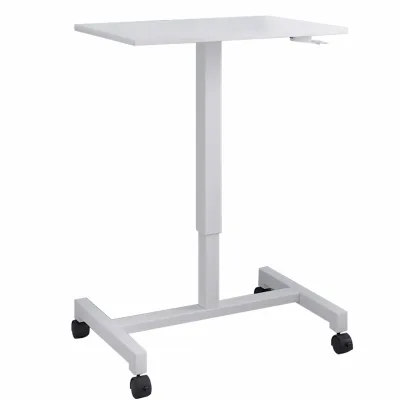
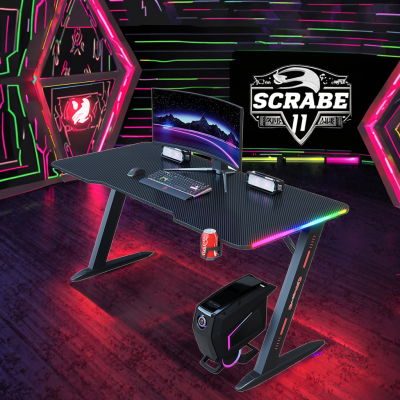
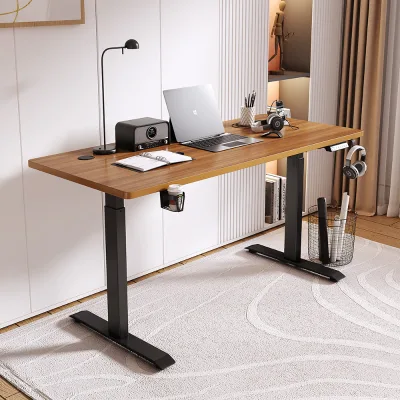
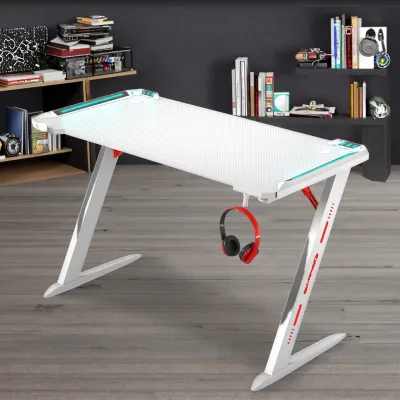
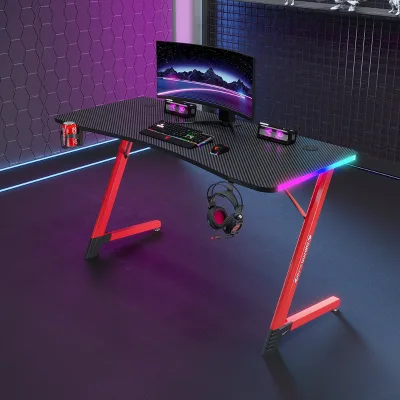
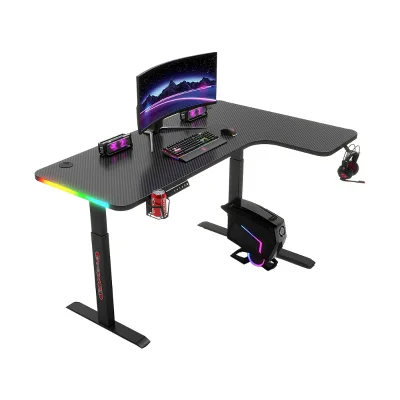
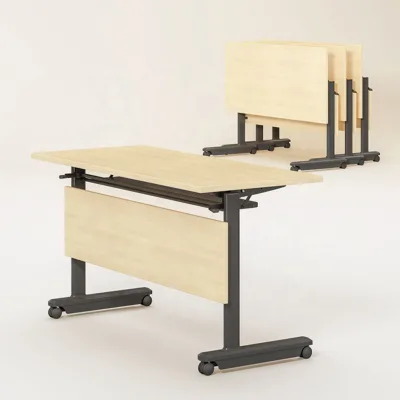

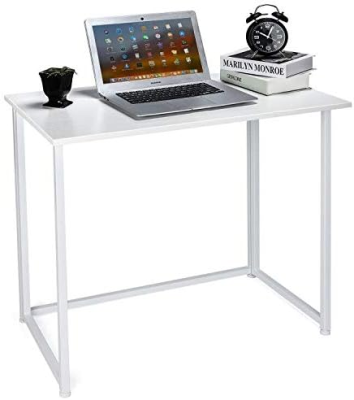
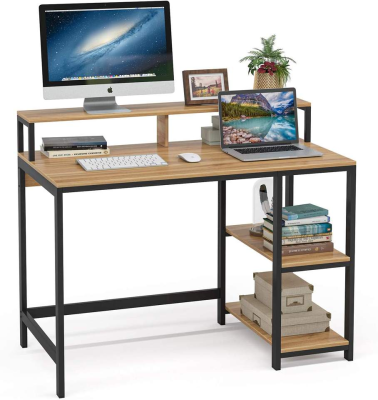


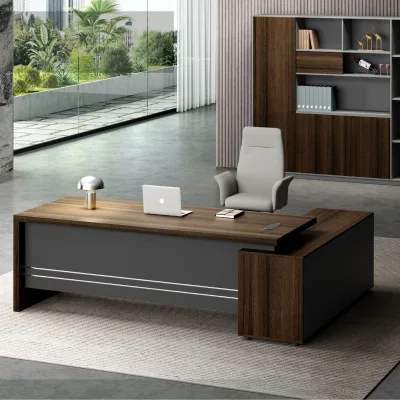
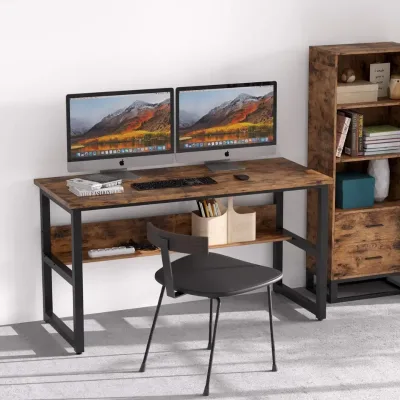
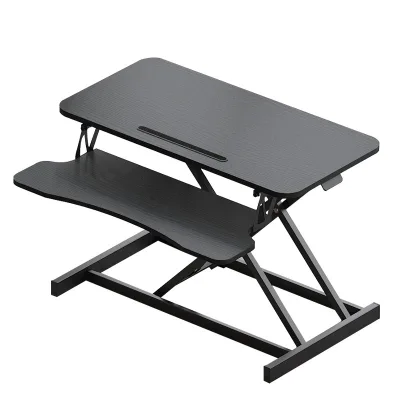
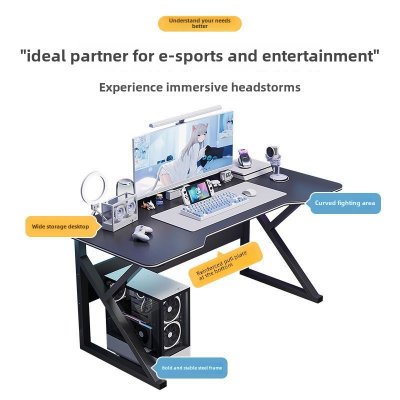
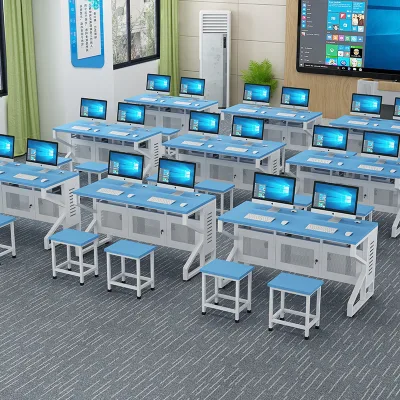



Comprehensive Sourcing Guide
Folding Screen Top Computer Table Sourcing Guide
Procuring a Folding Screen Top Computer Table requires balancing portability with structural stability, as these units serve diverse environments ranging from home offices to commercial workspaces. Buyers must first define the primary use case, whether it is for temporary remote work setups, educational institutions, or hospitality sectors requiring flexible furniture solutions. The observed market includes products labeled for children’s bed tables, office buildings, and general home furniture, indicating a broad spectrum of design intents. Understanding the specific application helps narrow down the necessary features, such as weight capacity, surface area, and folding mechanism durability.
The sourcing landscape reveals a significant variation in product attributes, including materials ranging from metal and steel to wood and manmade board. This diversity means that a single specification sheet rarely applies to all potential suppliers. Buyers should carefully review product descriptions to distinguish between fixed office desks and truly portable folding units. Some listings highlight features like "folded" status or "compact laptop table" functionality, while others describe standing desks or height-adjustable models. Clarifying these distinctions early in the inquiry process prevents misalignment between buyer expectations and supplier capabilities, ensuring that the selected product meets the intended functional requirements.
Product Scope and Observed Listing Signals
The current market signals indicate a wide range of product types under the folding computer table category, with observed prices spanning from $1.5 to $118 USD. This broad price range reflects differences in material quality, brand positioning, and included features such as adjustable heights or specialized finishes. Minimum order quantities (MOQs) vary significantly, ranging from single units to 500 pieces, which impacts sourcing strategies for both small businesses and large distributors. Buyers should note that some suppliers offer non-customized standard items, while others provide customization options, allowing for brand-specific modifications or tailored dimensions.
Observed product attributes include specific design styles such as European and modern aesthetics, alongside functional features like fine workmanship and portability. Materials cited in listings include metal, steel, solid wood legs, and manmade board desktops, suggesting that buyers must verify the exact composition of each component. Some products are marketed with specific dimensions, such as 60x40x20 cm or 110 x 48 x 59 cm, while others offer adjustable height ranges. These variations highlight the importance of cross-referencing technical specifications with visual samples to ensure the product aligns with the buyer’s spatial and ergonomic requirements.
Technical Specifications to Verify
When evaluating technical specifications, buyers must prioritize the folding mechanism’s reliability and the table’s overall weight capacity. Listings mention weights ranging from 8 kg to 25.2 kg, which directly influences portability and ease of storage. It is crucial to verify whether the table includes a "kd" (knock-down) feature or if it folds flat for compact storage. Additionally, the desktop material and leg construction should be assessed for durability, especially if the table is intended for frequent use in high-traffic areas like office buildings or schools.
Dimensional accuracy is another critical factor, as observed standards include specific measurements like 31.5"D x 19.69"W x 29.53"H and adjustable ranges such as W(40+20)D35H60-90cm. Buyers should confirm whether the product is floor-mounted or requires assembly, as some listings indicate "instructions assembly required." The presence of specific model numbers, such as Mjt-1633 or WX-HD1, allows for precise tracking of product iterations. Verifying these details ensures that the table fits the intended space and meets the ergonomic needs of the end-user, particularly for height-adjustable or standing desk configurations.
Compliance and Safety Documentation
Compliance with international standards is essential for ensuring the safety and quality of folding computer tables, particularly when they are used in commercial or educational settings. Many suppliers in the observed market hold ISO certifications, which indicates a baseline level of quality management in their production processes. Buyers should request copies of these certifications to verify their validity and scope, ensuring that the supplier adheres to recognized industry practices. Additionally, checking for any specific regional compliance requirements, such as fire safety or chemical emission standards, is crucial for markets with strict regulatory environments.
Safety documentation should also include information on the stability and structural integrity of the folding mechanism. Buyers must ensure that the table does not collapse under normal use conditions, which requires reviewing test reports or engineering specifications. The use of materials like solid wood legs or steel frames should be accompanied by evidence of their load-bearing capacity. Furthermore, verifying that the product packaging, often described as carton packages, protects the item during transit helps prevent damage that could compromise safety features. Clear labeling and instruction manuals are also vital for proper assembly and safe operation by the end-user.
Cost Drivers and Commercial Terms
Cost drivers for folding computer tables include material selection, manufacturing complexity, and branding. Products made from metal or steel may have different cost structures compared to those with wood or manmade board components. The inclusion of features like height adjustment or specific design styles can also impact the final price. Buyers should analyze the price range of $1.5 to $118 USD in the context of these variables to determine the value proposition of each supplier. Understanding the breakdown of costs helps in negotiating better terms and identifying potential areas for cost reduction without compromising quality.
Commercial terms such as MOQ, lead times, and payment conditions vary widely among suppliers. With MOQs ranging from 1 to 500 units, buyers can choose suppliers that align with their inventory needs. It is important to clarify lead times to ensure timely delivery, especially for large orders or time-sensitive projects. Payment terms should be negotiated to mitigate risk, with options like letters of credit or escrow services providing additional security. Additionally, buyers should inquire about shipping costs and Incoterms to understand the total landed cost of the product, ensuring that the final expense fits within the budget.
Supplier Qualification and Quality Control
Supplier qualification involves assessing the manufacturer’s production capabilities, quality control processes, and reputation in the market. Buyers should verify the supplier’s location, with many products originating from China, particularly from regions like Henan. This information helps in evaluating logistics costs and lead times. It is also important to check the supplier’s experience in producing folding tables and their ability to meet specific customization requests. Requesting references or case studies from previous clients can provide insights into the supplier’s reliability and consistency.
Quality control measures should be clearly defined and agreed upon before placing an order. Buyers should inquire about the supplier’s inspection processes, including pre-production samples, in-line inspections, and final random inspections. Ensuring that the product meets the specified standards, such as the observed dimensions and material requirements, is crucial. Additionally, buyers should establish a clear protocol for handling defects or non-conforming products, including return policies and compensation terms. Regular communication with the supplier during the production process helps in addressing any issues promptly and maintaining the desired quality level.
Long-Term Procurement Checks
Long-term procurement checks focus on maintaining supplier performance and adapting to market changes. Buyers should regularly review supplier performance metrics, such as on-time delivery rates, product quality consistency, and responsiveness to issues. Establishing a scorecard system can help in objectively evaluating suppliers and identifying areas for improvement. Additionally, staying informed about industry trends and technological advancements in furniture design can help buyers make informed decisions about future purchases. This proactive approach ensures that the sourcing strategy remains competitive and aligned with business goals.
Building a strong relationship with suppliers is also key to long-term success. Regular communication and collaboration can lead to better pricing, improved product quality, and innovative solutions. Buyers should consider developing a diversified supplier base to mitigate risks associated with single-source dependencies. This strategy ensures continuity of supply and provides flexibility in responding to market fluctuations. Furthermore, conducting periodic audits and reviews of supplier facilities can help in maintaining high standards and ensuring compliance with ethical and environmental practices.
FAQs
What materials are used for folding screen top computer tables?
These tables typically utilize metal, steel, or wood for construction. Desktop materials often include manmade board or solid wood options. Leg materials may be solid wood or metal. The choice depends on the specific design style, such as European or modern, and the intended general use for home or commercial furniture applications.
Can I find customized folding screen top computer tables?
Yes, customization is available for many models. While some items are listed as non-customized, others explicitly offer customized options. Buyers can often select specific design styles, such as modern or European, and choose from various materials like metal or wood. This allows for tailored solutions that fit specific office or home office requirements.
What are the standard specifications for these tables?
Standard specifications vary by model. Common dimensions include 60x40x20 cm, 110x48x59 cm, and 31.5x19.69x29.53 inches. Some height-adjustable desks feature widths of 40+20 cm with depths of 35 cm and heights ranging from 60 to 90 cm. These sizes accommodate different workspace needs and installation types.
How are folding screen top computer tables packaged?
Products are generally packed in carton packages or standard cartons. This packaging method ensures safe transit for items like folding laptop tables and office desks. The packaging is designed to protect the furniture during shipping from origins such as China or Henan. Buyers should verify specific packing details with suppliers to ensure secure delivery.
What certifications do these tables typically hold?
Many folding screen top computer tables hold ISO certifications. This indicates adherence to specific quality and management standards. Buyers sourcing from China or other origins should verify these certifications directly with suppliers. ISO certification is a common attribute for office furniture and home furniture products, ensuring a baseline of quality and reliability.
What is the typical weight range for these tables?
Weights vary significantly based on materials and size. Some models weigh around 8 kg, while others, such as certain office desks, may weigh up to 25.2 kg. Heavier tables often use solid wood or metal constructions. Lighter options may be made from manmade boards or steel. Weight impacts portability and installation requirements.
Are these tables suitable for home office use?
Yes, many models are designed for home office applications. Features include portable folding laptop tables and height-adjustable desks. They are suitable for bedrooms, living rooms, and other hall spaces. Some tables also serve commercial furniture needs in office buildings or schools. The design style often supports both functional and aesthetic home requirements.