Source Food Grade Cabinda Extract for Food, Cosmetic, and Health
Find 23 verified suppliers of Food Grade Cabinda Extract powder. Compare specifications like 99% purity, ISO certifications, and extraction types such as spray drying and solvent extraction for food, cosmetic, and health applications; compare the available evidence and request quotations based on your requirements.
Updated
Key considerations
Products List
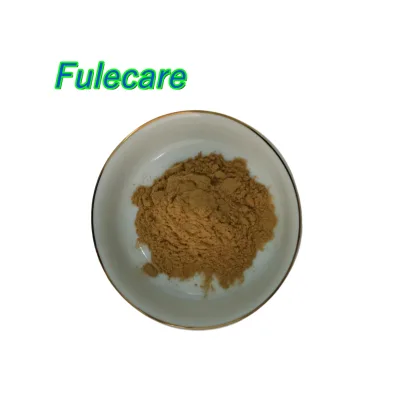
Cabinda Extract Traditional Herbal Practice-Derived Dietary Formulation Extract
$6.1949 - $9.2932
MOQ: 1 Minimum

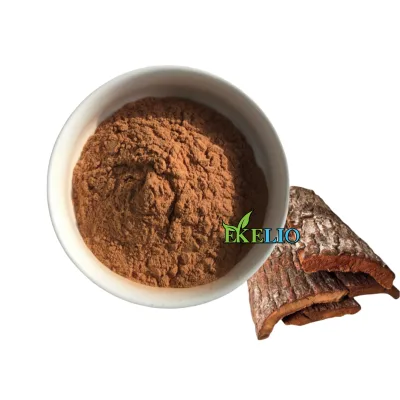
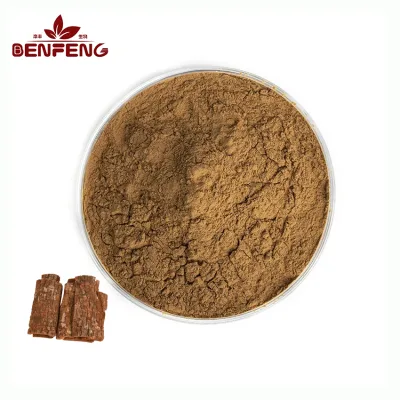
Herbal Plant Cabinda Tree Bark Powder Cabinda Tree Bark Extract Powder
$14.6578 - $17.7979
MOQ: 1 kilograms
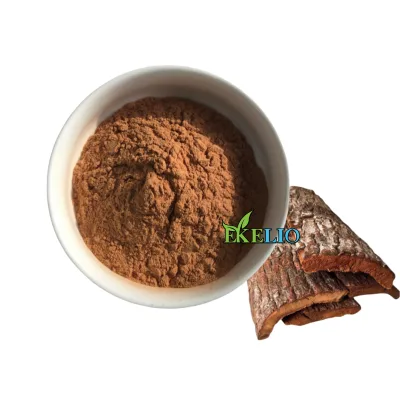
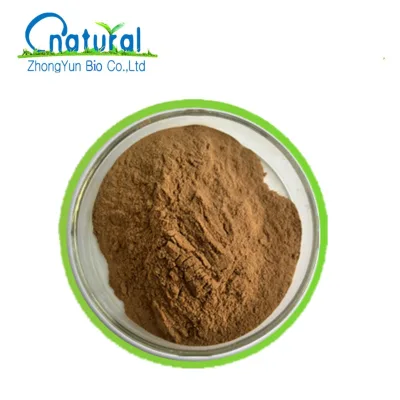



$44.6421 - $53.9847
MOQ: 1 kilograms

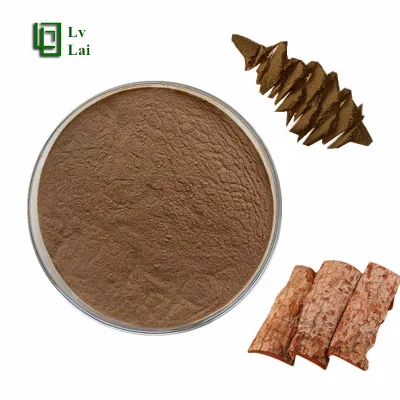
Natural Cabinda Tree Bark Extract Powder for Animal Reproductive Health & Vitality Boost
$9.00 - $13.50
MOQ: 1 kilograms


Comprehensive Sourcing Guide
Food Grade Cabinda Extract Sourcing Guide
Procuring Food Grade Cabinda Extract requires careful attention to botanical source material and extraction methodologies to ensure consistent quality for end-use applications. The core keyword highlights a specific grade of herbal extract derived from the bark of the Pausinystalia johimbe tree, commonly known as Cabinda or Pau d'Arco. Buyers must distinguish between generic herbal extracts and those specifically formulated for food, cosmetic, and health food applications, as regulatory requirements vary significantly across these sectors. Understanding the distinction between solvent extraction and spray drying techniques is essential, as these methods directly influence the purity, solubility, and active ingredient profile of the final powder.
Sourcing decisions should be guided by observed listing signals that reflect supplier transparency and product standardization. Available data indicates that products are typically presented as brown or yellow powders with a specification of 0.99 or 99% purity, suggesting a high degree of refinement. Buyers should verify whether the extract is labeled as food grade or health food grade, as this designation impacts its legal use in dietary supplements versus general food ingredients. Additionally, the availability of OEM/ODM services and sample testing allows procurement teams to validate supplier capabilities before committing to larger volume orders, ensuring that the extracted material meets specific functional requirements for capsules, tablets, or lotions.
Product Scope and Observed Listing Signals
The product scope for cabinda extract encompasses a range of forms and specifications tailored to diverse industrial needs. Observed listings indicate that the primary form is a powder, with particle sizes often specified as not less than 100% through an 80 mesh sieve, ensuring fine consistency for easy incorporation into various formulations. The active ingredient is broadly categorized as vitamin-related or herbal, depending on the supplier's analytical focus, though the botanical origin remains the bark of the Cabinda tree. Buyers should note that some products are marketed under specific model numbers such as FL-Cabinda Extract or EKELIO Cabinda Tree Bark Extract Powder, which may correspond to different extraction ratios or concentration levels.
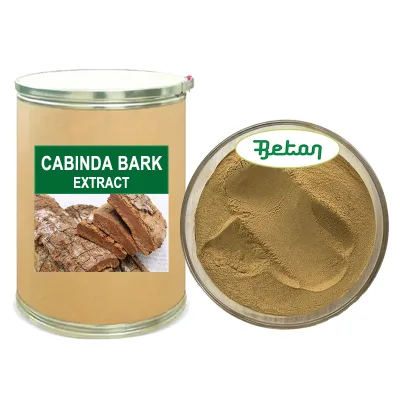
Listing signals also reveal variations in packaging and storage requirements that affect logistics and shelf life management. Products are commonly packaged in drums, plastic containers, or vacuum-packed bags, with inner linings of aluminum foil bags to protect against moisture and oxidation. The recommended storage condition is a cool, dry place, and the typical shelf life is two years, which is critical for inventory planning. Some suppliers offer packaging in 1kg bags or 25kg drums, catering to both small-scale testing and large-scale production needs. These packaging details are vital for buyers assessing the total landed cost and ensuring the integrity of the extract during transit and storage.
Technical Specifications to Verify
Technical verification begins with confirming the extraction type and solubility characteristics, which dictate how the extract integrates into final products. Common extraction methods observed include solvent extraction and spray drying, each yielding different profiles of active compounds. Solubility is a key technical parameter, with some products listed as water-soluble, facilitating their use in liquid formulations, beverages, or injectables. Buyers must verify the specific extraction ratio, such as 4:1 or 10:1, as this indicates the concentration of raw bark material required to produce one unit of extract. Higher ratios generally imply a more potent product but may also correlate with higher costs and stricter quality control requirements.
Further technical due diligence involves examining loss on drying and test methods to ensure product stability and authenticity. A maximum loss on drying of 5% is a common specification, indicating low moisture content which enhances shelf stability and prevents microbial growth. Buyers should request test results generated via HPLC, TLC, or UV methods, which are standard analytical techniques for verifying the presence and quantity of active constituents. The specification of 99% purity or 0.99 concentration should be cross-referenced with these test reports to ensure consistency. Additionally, verifying the part used, which is consistently the bark, ensures that the extract is derived from the correct botanical source, avoiding adulteration with leaves or other plant parts.
Compliance and Safety Documentation
Compliance documentation is paramount when sourcing Food Grade Cabinda Extract, particularly for markets with stringent regulatory frameworks. Suppliers typically provide certificates such as ISO9001, Halal, and Kosher, which attest to quality management systems and adherence to religious dietary laws. For international trade, buyers must verify if additional certifications like ISO are required by specific regional authorities. The grade of the product, whether labeled as food grade or health food grade, must align with the intended application, as using a non-food grade extract in consumable products can lead to regulatory violations and product recalls.
Safety documentation also includes detailed specifications on contaminants and heavy metals, although specific limits are not always listed in initial product descriptions. Buyers should request a Certificate of Analysis (CoA) that confirms the absence of harmful residues from the solvent extraction process. The application form, which may include capsules, tablets, pastes, suppositories, lotions, or injections, dictates the purity standards required. For instance, injectable applications demand the highest level of sterility and purity, whereas cosmetic lotions may have different tolerances. Ensuring that the supplier can provide comprehensive safety data sheets (SDS) and toxicological reports is essential for risk management and regulatory compliance.
Cost Drivers and Commercial Terms
Cost drivers for cabinda extract include the extraction ratio, purity level, and packaging complexity. Higher extraction ratios, such as 10:1, typically command higher prices due to the increased volume of raw material required. Similarly, products with verified 99% purity or specific active ingredient concentrations may be priced at a premium compared to standard herbal extracts. Packaging choices also influence cost, with vacuum-packed or aluminum foil-lined drums offering better protection but incurring higher material and labor costs. Buyers should consider the total cost of ownership, including shipping and handling, as the product's sensitivity to moisture and light may necessitate specialized logistics.
Commercial terms such as MOQ and lead times are critical for supply chain planning. Observed MOQs range from 1 kg to 2 kg, allowing for flexible ordering for small batches or sample testing. However, larger orders may benefit from economies of scale, reducing the per-unit cost. Lead times are not explicitly stated in the provided data, so buyers must negotiate these terms directly with suppliers. Payment terms, warranty policies, and return procedures for defective goods should also be clarified. Understanding these commercial variables helps buyers forecast budgets accurately and avoid unexpected expenses that could erode profit margins.
Supplier Qualification and Quality Control
Supplier qualification involves assessing the manufacturer's capability to produce consistent, high-quality cabinda extract. Buyers should verify the place of origin, with Shaanxi, China, being a common source for herbal extracts. The cultivation method, whether artificial planting or wild-harvested, impacts the consistency of the raw material. Suppliers offering OEM/ODM services demonstrate flexibility and technical expertise, which is valuable for brands seeking customized formulations. It is essential to audit the supplier's production facilities to ensure they adhere to Good Manufacturing Practices (GMP) and maintain cleanroom environments for powder processing.
Quality control processes should be transparent and robust. Buyers should inquire about the supplier's internal testing protocols, including in-process checks and final product verification. The availability of samples is a positive indicator, allowing buyers to perform their own quality assessments before committing to large orders. Suppliers should provide traceability documentation, linking the final extract back to the specific batch of raw bark. This traceability is crucial for managing recalls and ensuring accountability. Additionally, assessing the supplier's responsiveness and technical support capabilities can provide insights into their long-term reliability as a partner.
Long-Term Procurement Checks
Long-term procurement checks focus on maintaining supply chain resilience and product quality over time. Regular audits of supplier performance, including on-time delivery rates and defect percentages, are essential for identifying potential issues early. Buyers should establish a schedule for re-verifying certifications, such as ISO9001, Halal, and Kosher, to ensure they remain valid and up-to-date. Continuous monitoring of market trends and regulatory changes in key markets like the EU, US, and Asia is necessary to anticipate compliance requirements that may affect the use of cabinda extract.
Building a strong relationship with suppliers through consistent communication and collaborative quality improvement initiatives can enhance supply chain stability. Buyers should encourage suppliers to invest in research and development to improve extraction efficiencies and product profiles. Regularly reviewing and updating technical specifications and quality standards ensures that the procured extract remains aligned with evolving product requirements. Additionally, diversifying the supplier base can mitigate risks associated with single-source dependencies, ensuring business continuity in the face of potential disruptions in raw material supply or production capacity.
FAQs
What is the appearance of Food Grade Cabinda Extract?
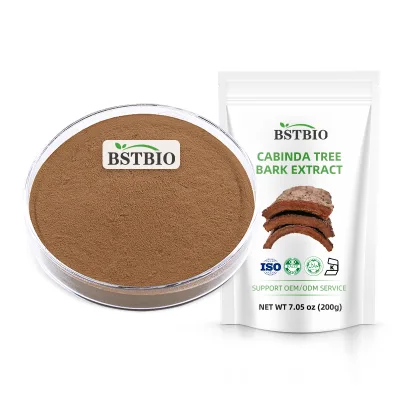
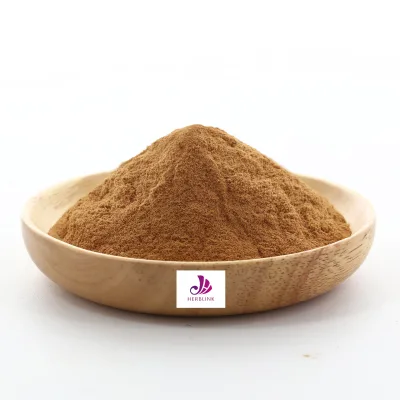
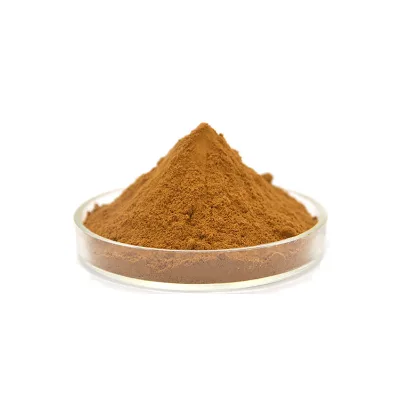
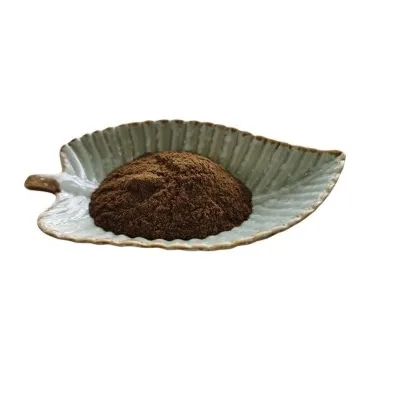
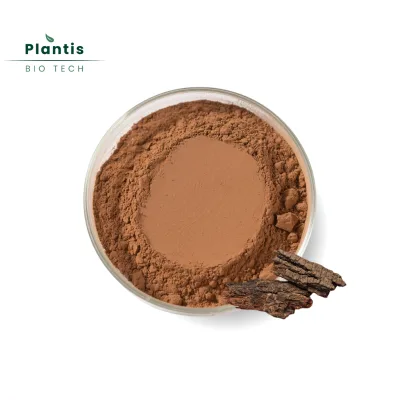
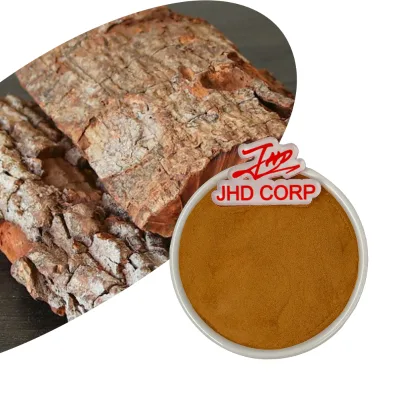
The product appears as a brown yellow powder or yellow brown powder. This visual characteristic is consistent across the available listings. The powder form allows for versatile application in various industries. Buyers can expect a uniform texture suitable for processing. The color indicates the natural extraction from the bark part.
Which certifications are available for this herbal extract?
Certifications include ISO9001, Halal, Kosher, and ISO. These documents verify quality and safety standards for international trade. The ISO9001 certificate ensures systematic quality management processes. Halal and Kosher approvals expand market accessibility for specific dietary requirements. Buyers should request these certificates to confirm compliance with their local regulations.
Can I order samples before bulk purchasing?
Yes, samples are available for evaluation before committing to large orders. This allows buyers to verify the powder quality and specifications. The sample process helps ensure the product meets your specific needs. It is a standard practice for verifying the brown yellow powder appearance. Contact suppliers directly to arrange sample shipment and testing procedures.
What is the minimum order quantity for this extract?
The minimum order quantity is typically 1 kg or 1KG. This low MOQ facilitates testing and small-scale production runs. Buyers can start with a single item purchase to assess quality. The flexible ordering policy supports various business sizes. It reduces initial investment risk for new customers exploring herbal extracts.
How should the powder be stored to maintain quality?
Store the extract in a cool dry place to preserve potency. Proper storage prevents degradation of the active vitamin ingredients. The shelf life is two years when stored correctly. Avoid exposure to moisture and direct sunlight. Following these conditions ensures the powder remains effective for food and cosmetic applications.
What packaging options are provided for bulk orders?
Packaging includes drums, plastic containers, and vacuum-packed bags. Standard options are 1kg bags or 25kg drums. Inner aluminum foil bags protect against moisture and contamination. This versatile packaging supports both small and large quantity orders. The secure design ensures product integrity during shipping and storage.