Source Ford Focus Air Outlet Vent for Cars, Trucks, and SUVs
Compare 30 listings for Ford Focus Air Outlet Vent to find suitable options for automotive repair and customization. Buyers can evaluate materials, certifications, and delivery times across verified suppliers.
Key considerations
Products List
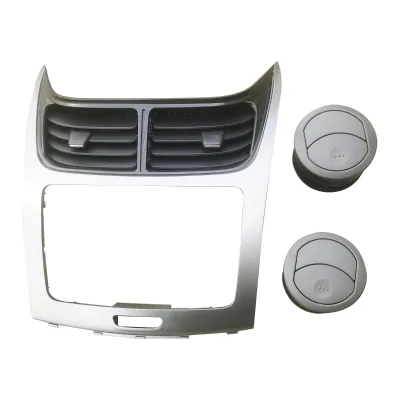
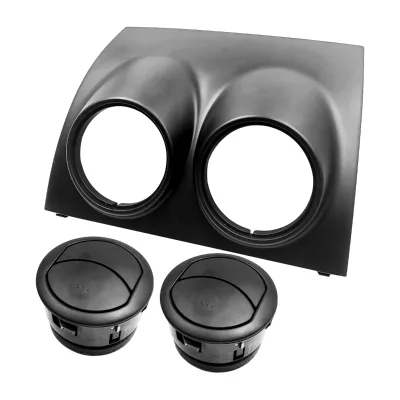
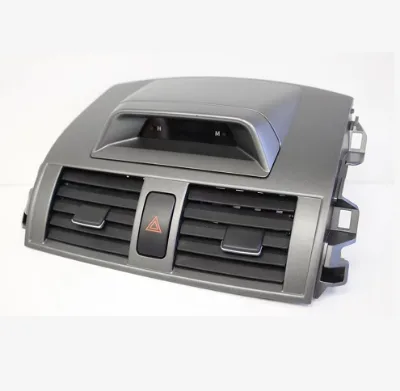
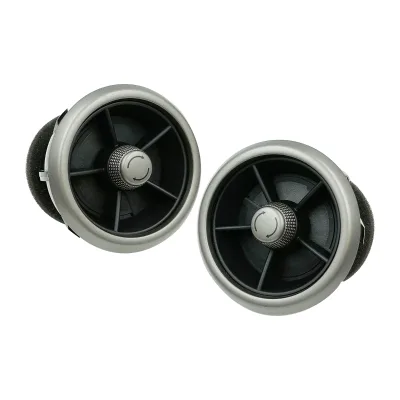


Stainless Steel Wall Air Vent Exhaust Grille Duct Ventilation Cover Outlet
$5.00 - $7.00
MOQ: 200 Pieces





Comprehensive Sourcing Guide
Strategic Sourcing Guide for Ford Focus Air Outlet Vent Components
The global automotive aftermarket and original equipment manufacturing (OEM) sectors rely heavily on precise ventilation components to maintain cabin comfort and air quality. For buyers specifically researching the Ford Focus Air Outlet Vent, the procurement landscape requires a nuanced understanding of material science, regulatory compliance, and supply chain logistics. This guide synthesizes available product attributes and industry standards to provide a disciplined framework for sourcing these critical automotive parts. The objective is to equip procurement professionals with the knowledge to evaluate suppliers and products without relying on unverified claims or speculative data.
Technical Specifications and Material Composition
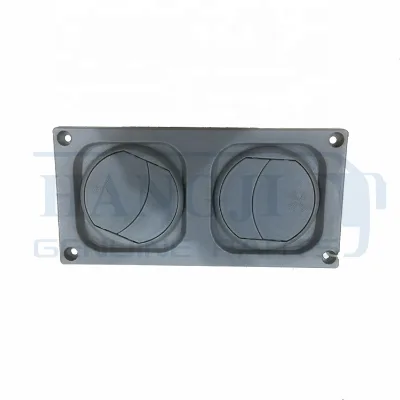
When evaluating air outlet vents for the Ford Focus, the primary technical differentiator lies in the material composition and structural design. The market presents a diverse range of materials, from standard plastics to high-grade metals, each offering distinct performance characteristics. Based on observed product data, the material spectrum includes plastic, metal, aluminum, and stainless steel. Plastic components are frequently cited for their cost-effectiveness and moldability, allowing for complex geometries that fit specific vehicle dashboards. However, for applications requiring higher durability or thermal resistance, metal and aluminum options are prevalent. Stainless steel variants are also observed, often utilized in environments demanding superior corrosion resistance or a premium aesthetic finish.
The functional design of these vents extends beyond simple airflow control. While the core function is defined as an air vent or air conditioner vent, specific product attributes indicate secondary functions such as decoration. This dual-purpose requirement necessitates a careful balance between aerodynamic efficiency and visual integration with the vehicle's interior. The color specifications observed in the market include black and gray, which are standard for automotive interiors to ensure a cohesive look with dashboard trim. Buyers must verify that the color matching aligns with the specific model year of the Ford Focus, as interior trim colors can vary significantly across production runs.
Furthermore, the installation method is a critical technical specification. Data indicates that vents are designed for both inlet and outlet configurations. The Ford Focus Air Outlet Vent typically functions as an outlet, directing conditioned air into the cabin. The physical dimensions are equally important; single package sizes observed in the market can range significantly, with some units listed at 35x25x15 cm. This variance suggests that packaging dimensions may include protective materials or bulk shipping configurations rather than the physical size of the vent itself. Procurement teams must clarify whether the quoted dimensions refer to the product unit or the shipping carton to avoid logistical errors.
Compliance and Certification Verification
Navigating the regulatory landscape is essential for any automotive component procurement. The automotive industry operates under strict quality management systems to ensure safety and reliability. In the context of air outlet vents, buyers should look for suppliers who hold recognized certifications. Observed product attributes frequently mention ISO9001 and IATF16949. These standards are critical for automotive suppliers, with IATF16949 specifically addressing quality management systems for the automotive sector. Possession of these certifications indicates that the supplier adheres to rigorous processes for design, production, and continuous improvement.
Beyond quality management, environmental and safety certifications are paramount. The market data includes references to RoHS, ISO, CE, CCC, and UR certifications. RoHS (Restriction of Hazardous Substances) compliance is vital for ensuring that the materials used in the vent, particularly plastics and coatings, do not contain prohibited hazardous substances. CE and CCC marks indicate compliance with European and Chinese safety standards, respectively, which is relevant for suppliers operating in or exporting to these regions. The presence of multiple certifications, such as a combination of RoHS, ISO, CE, and CCC, suggests a supplier capable of meeting diverse international regulatory requirements.
However, buyers must exercise caution when interpreting certification claims. While these certifications are listed as attributes, they represent specific product batches or supplier capabilities rather than a universal guarantee for every item in a catalog. It is imperative to request valid, up-to-date certification documents for the specific lot of goods being purchased. The standard of the product itself may also be customized, meaning that compliance with specific OEM standards for the Ford Focus must be explicitly confirmed. Buyers should verify that the product standard matches the original equipment specifications to ensure proper fit and function.
Cost Drivers and Pricing Dynamics
The pricing of Ford Focus air outlet vents is influenced by a complex interplay of factors, including material costs, manufacturing complexity, and order volume. The observed price range in the market spans from $0.23 to $65 USD. This wide disparity reflects the difference between basic plastic injection-molded units and more complex assemblies involving metal components or specialized finishes. The lower end of the spectrum typically corresponds to standard plastic vents with minimal customization, while the higher end likely encompasses metal or stainless steel variants with advanced design features or decorative elements.
Minimum Order Quantity (MOQ) is another significant cost driver. The market data indicates MOQs ranging from 1 to 500 pieces, with specific listings showing 50 PCS, 100 PCS, or 100PCS as thresholds. Higher MOQs generally correlate with lower unit prices due to economies of scale in production and logistics. For buyers seeking to minimize upfront capital expenditure, suppliers with lower MOQs may be preferable, though the per-unit cost will be higher. Conversely, large-scale procurement can leverage the lower price points but requires significant inventory management.
Payment terms also play a role in the overall cost structure. Standard payment methods observed include T/T with a 30% deposit. This structure requires buyers to manage cash flow effectively, as a portion of the payment is due before production begins. Additionally, the supply ability of the manufacturer, observed at 100,000 pieces per month, suggests that large orders can be fulfilled without significant delays, provided the order aligns with the supplier's capacity. Buyers should negotiate payment terms that align with their financial cycles while ensuring the supplier has sufficient liquidity to maintain production quality.
Typical Applications and Vehicle Compatibility
The primary application for Ford Focus air outlet vents is, naturally, within the Ford Focus vehicle line. However, the versatility of these components often extends to other automotive models. Product attributes list compatibility with various makes and models, including Chevrolet, Toyota Corolla, and Sail. This cross-compatibility indicates that while the Ford Focus vent is the target, the underlying design principles and manufacturing processes are often shared across different vehicle platforms. Buyers should be aware that a vent listed as "for Toyota Corolla" or "for Chevy" may share similar dimensions or mounting mechanisms with Ford Focus components, but direct interchangeability cannot be assumed without verification.
The specific OE number, such as 55670-02160, serves as a critical identifier for compatibility. While this specific number is listed in the data, it is essential to cross-reference it with the official Ford Focus parts catalog. The OE number ensures that the replacement part matches the original design specifications regarding airflow, mounting points, and aesthetic integration. In cases where the OE number is listed as "standard," it implies a generic fitment that may require additional verification to ensure it meets the specific requirements of the Ford Focus model year in question.
Beyond the vehicle interior, these vents may also find applications in experimental setups or general air conditioning systems. The attribute "Usage: for Experiment, for Air Conditioner" suggests that the design is robust enough for non-automotive testing environments. This versatility can be beneficial for buyers who require components for prototyping or for use in broader HVAC applications. However, for automotive replacement, the focus must remain on the specific fitment for the Ford Focus to ensure safety and performance standards are met.
Supplier Evaluation and Supply Chain Logistics
Selecting the right supplier is a critical step in the procurement process. The supply chain for automotive components is complex, involving multiple stages from raw material sourcing to final delivery. The observed port of dispatch is typically Shenzhen or Guangzhou, China, which are major manufacturing and export hubs. Buyers should verify the specific port of departure for their order to accurately calculate shipping costs and transit times. The lead time for delivery is observed to range from 3 to 25 days, or 15 to 30 days depending on the specific product and order volume. This variability underscores the importance of confirming the production schedule before placing an order.
The supply ability of the manufacturer, noted as 100,000 pieces per month, indicates a high-volume production capacity. This is a positive indicator for buyers requiring large quantities, as it suggests the supplier can handle significant order volumes without compromising on delivery timelines. However, buyers must also consider the supplier's quality control processes. Attributes such as "100% tested" and "Quality: 100% tested" highlight the importance of rigorous inspection. Buyers should request detailed quality control reports and inspection protocols to ensure that every unit meets the required specifications.
Packaging is another logistical consideration. Products are typically packaged in cartons with neutral packing, and the single gross weight is observed at 2.0 kg. This weight and packaging information are crucial for calculating freight costs and determining the number of units that can be shipped per container. Buyers should ensure that the packaging is robust enough to protect the vents during transit, especially for metal or aluminum components that may be prone to scratching or denting.
Quality Control and Long-Term Procurement Considerations
Ensuring long-term quality and reliability is paramount for automotive components. The warranty period observed in the market varies, with some listings offering 30 years and others 36 months. While a 30-year warranty is an exceptional claim that may indicate a specific high-end product or a marketing exaggeration, a 36-month warranty is more standard for automotive parts. Buyers should carefully review the terms of the warranty to understand what is covered, including defects in materials and workmanship. The presence of a warranty suggests that the supplier stands behind the quality of their product, but it is essential to verify the conditions under which the warranty is valid.
Quality control should be an ongoing process rather than a one-time check. The attribute "100% tested" implies a comprehensive inspection regime, but buyers should supplement this with their own quality assurance measures. This may include sampling inspections upon receipt of goods or third-party testing to verify material composition and performance. The customization options available, such as specific colors or designs, add another layer of complexity to quality control. Customized products require strict adherence to the agreed-upon specifications to ensure they meet the buyer's requirements.
Long-term procurement considerations also involve the stability of the supply chain. Buyers should assess the supplier's financial health, production capacity, and ability to scale. The ability to provide consistent quality over time is as important as the initial product performance. Additionally, buyers should consider the potential for future customization needs, as vehicle models evolve and design requirements change. Suppliers who offer flexible customization and maintain strong communication channels are better positioned to support long-term procurement strategies.
In conclusion, sourcing Ford Focus air outlet vents requires a meticulous approach that balances technical specifications, regulatory compliance, cost efficiency, and supplier reliability. By leveraging the observed data and adhering to strict verification protocols, buyers can navigate the complex automotive supply chain to secure high-quality components that meet the demanding standards of the industry. The key lies in thorough due diligence, clear communication, and a commitment to quality at every stage of the procurement process.
FAQs
What certifications do Ford Focus Air Outlet Vent suppliers typically hold?
Suppliers typically hold ISO9001, IATF16949, RoHS, CE, and CCC certifications. These standards ensure quality management and safety compliance for automotive parts. Buyers must verify specific documents for the product batch to confirm validity.
How long does delivery take for Ford Focus Air Outlet Vent orders?
Delivery times generally range from 3 to 25 days depending on the specific product and order volume. Some listings indicate a window of 15 to 30 days for larger quantities. Buyers should confirm the exact schedule before placing an order.
Which materials are used to manufacture ford focus air outlet vents?
Common materials include plastic, metal, aluminum, and stainless steel. Plastic is often used for cost-effectiveness, while metal variants offer higher durability. The choice depends on the required thermal resistance and aesthetic finish for the vehicle interior.
Can buyers customize the Ford Focus Air Outlet Vent specifications?
Yes, customization is available for specific product requirements. Buyers can request tailored standards or designs to match their needs. This option allows for flexibility in meeting unique fitment or functional demands for the vehicle.
What is the minimum order quantity for ford focus air outlet vents?
Minimum order quantities vary between 1 and 500 pieces across different suppliers. Specific listings show thresholds of 50 or 100 pieces. Lower MOQs allow smaller purchases but may result in higher per-unit costs compared to bulk orders.
Where are Ford Focus Air Outlet Vent manufacturers located?
Manufacturers are primarily located in Guangdong, China, with dispatch ports in Shenzhen or Guangzhou. This region is a major hub for automotive component production. Buyers should verify the specific port of departure to calculate accurate shipping costs.
How is the Ford Focus Air Outlet Vent packaged for shipping?
Products are typically packaged in neutral cartons with a single gross weight of 2.0 kg. The packaging is designed to protect the vent during transit. Buyers should confirm if dimensions refer to the unit or the shipping carton to avoid logistical errors.