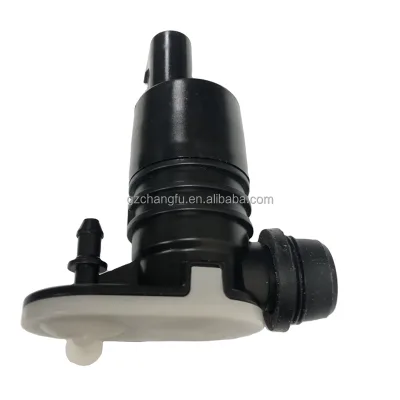
Source Ford Headlamp Washer Pump for Auto Repair and Maintenance
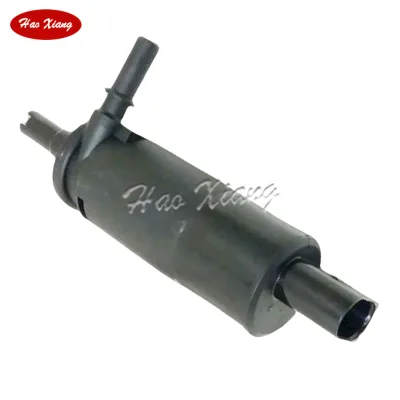
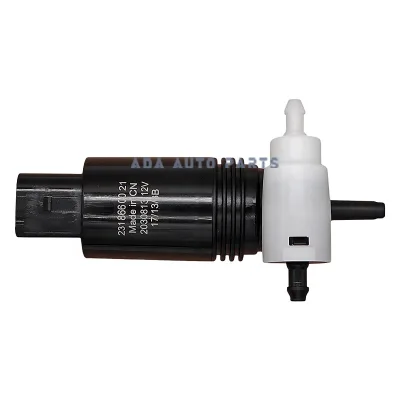
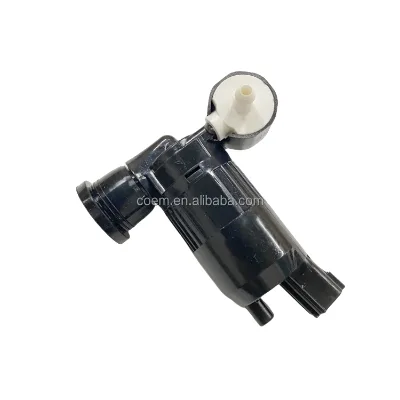
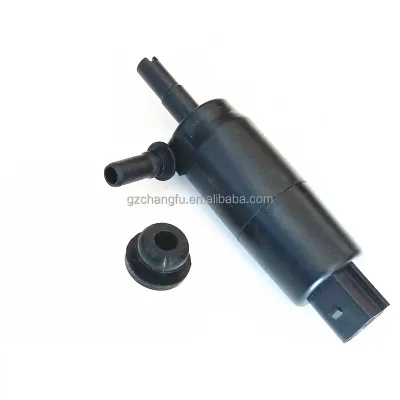
Find reliable Ford Headlamp Washer Pump options for automotive maintenance and repair. Compare 30 available models with varying OEM codes, voltage ratings, and delivery times to select the best fit for your sourcing needs; compare the available evidence and request quotations based on your requirements.
Key considerations
Products List


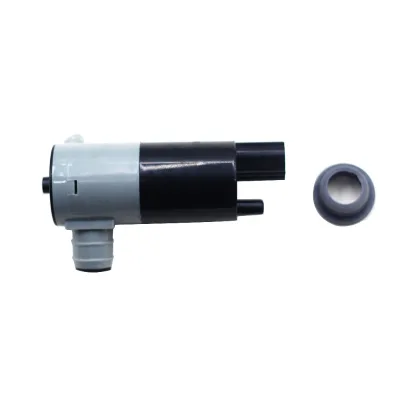
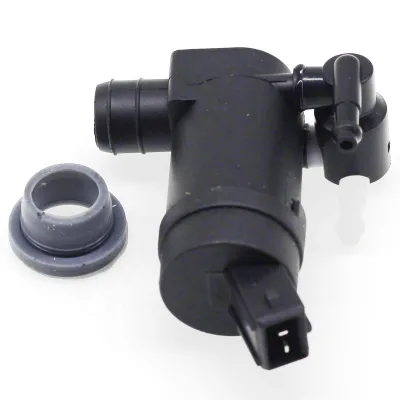
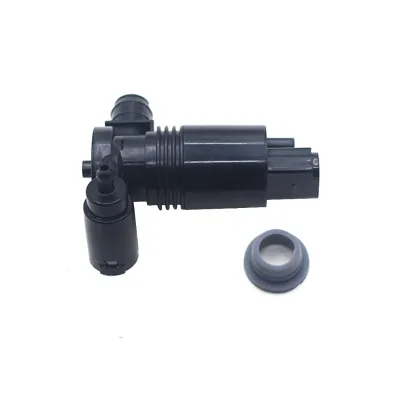
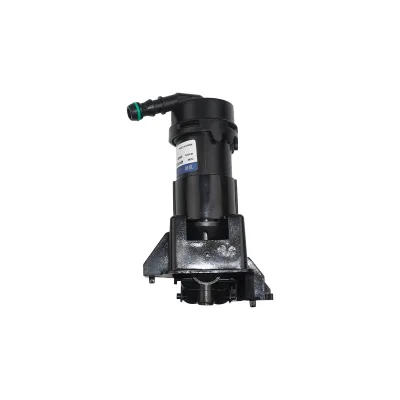
Good Performance Auto Motor Headlamp Washer Pump for 1h6955651 VW/Ford Galaxy
$1.00 - $100.00
MOQ: 50 Pieces


Chinese Manufacturers OEM 85208-0g010 Headlight Washer Nozzle Pump for Car
$22.00 - $23.50
MOQ: 10 Pieces
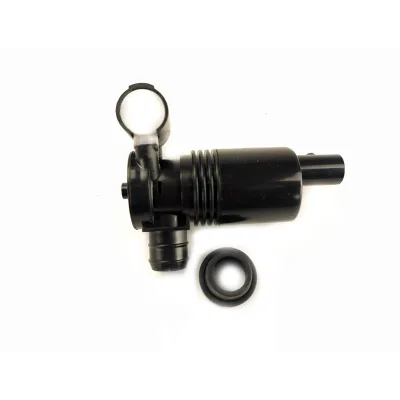
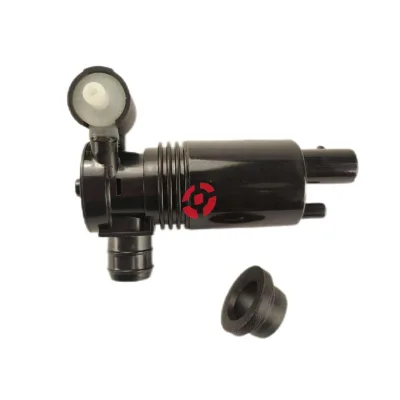
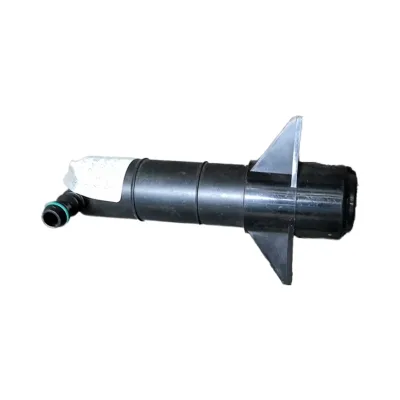
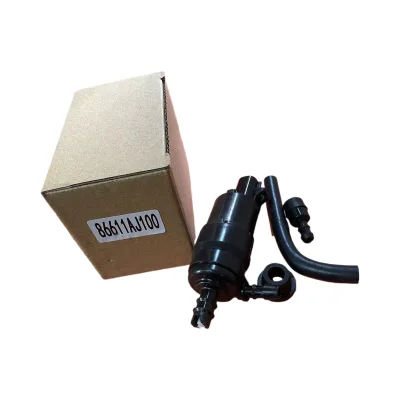
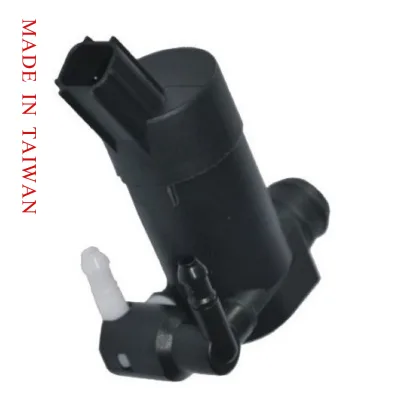
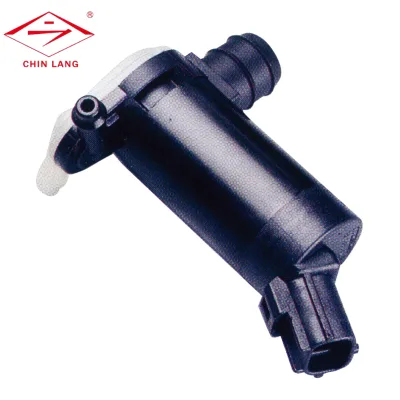
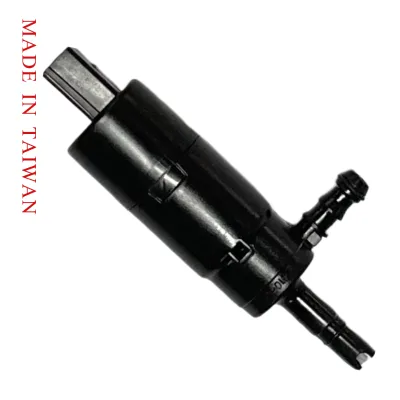
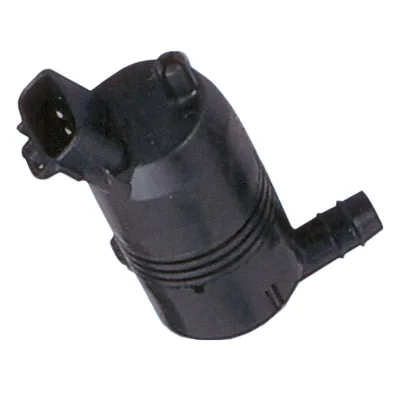


Comprehensive Sourcing Guide
Ford Headlamp Washer Pump Sourcing Guide
Sourcing replacement components for automotive lighting systems requires a precise understanding of both mechanical fitment and electrical compatibility. When targeting specific vehicle platforms, buyers must navigate a market flooded with generic aftermarket parts that may lack the rigorous engineering standards of original equipment. This guide focuses on the critical decision points for procurement professionals seeking reliable headlamp washer pumps, ensuring that every selection aligns with operational requirements and long-term durability expectations.
The complexity of modern automotive lighting assemblies means that a simple pump replacement often involves verifying voltage, flow rate, and connector types. Buyers should approach this procurement task with a structured methodology that prioritizes verified specifications over superficial marketing claims. By establishing clear technical parameters before engaging with suppliers, organizations can significantly reduce the risk of receiving incompatible units, thereby minimizing return rates and maintaining service level agreements with end customers.
Product Scope and Observed Listing Signals
Market observations indicate a diverse range of washer pump models available from various origins, with specific part numbers such as 85280-33030 and 85208-0G010 frequently appearing in listings. These identifiers suggest a broad inventory that may cater to multiple vehicle brands, necessitating careful cross-referencing to ensure the selected pump matches the specific Ford headlamp system requirements. Buyers should treat these model numbers as starting points for verification rather than definitive proof of compatibility, as generic listings often aggregate unrelated SKUs under single product pages.
Additional observed attributes include a standard voltage of 12 V and a condition described as new or 100% new, which are baseline expectations for functional replacement parts. Some listings also mention neutral packaging or customized packing options, indicating flexibility in how suppliers handle logistics and branding. However, the presence of these attributes does not guarantee that every listed item is suitable for high-pressure headlamp cleaning systems, so buyers must independently confirm pressure ratings and material compatibility with automotive washer fluids.
Technical Specifications to Verify
Electrical compatibility is paramount when selecting a washer pump, with many observed units operating at 12 V, a standard for most automotive applications. Buyers must verify that the pump’s voltage rating matches the vehicle’s electrical system to prevent damage to the pump or the vehicle’s wiring harness. Additionally, the motor type, whether brushed or brushless, should be confirmed, as brushless motors often offer longer lifespans and quieter operation, which can be a significant differentiator for premium aftermarket replacements.
Mechanical specifications such as size, material, and flow rate are equally critical for ensuring proper installation and performance. Observed data points include standard sizes and steel construction, which suggest durability but do not specify the exact dimensions required for the headlamp assembly. Buyers should request detailed dimensional drawings and material certifications to ensure the pump fits within the confined spaces of the headlamp housing and can withstand the chemical exposure of washer fluids without degrading over time.
Compliance and Safety Documentation
While specific certification statuses are not universally disclosed in observed listings, buyers should insist on documentation that proves compliance with relevant automotive safety and environmental standards. This includes verifying that the materials used in the pump construction are free from harmful substances and meet regional environmental regulations. Without explicit proof of compliance, buyers risk introducing non-conforming parts into their supply chain, which can lead to regulatory penalties and reputational damage in strict markets.
Quality assurance processes should also be scrutinized, with some suppliers claiming 100% testing before shipment. Buyers should request evidence of these testing protocols, such as quality control reports or inspection certificates, to validate the supplier’s claims. Understanding the scope of these tests, including pressure testing and electrical continuity checks, helps buyers assess the reliability of the product and ensures that the pumps will perform consistently under real-world operating conditions.
Cost Drivers and Commercial Terms
Pricing for washer pumps varies widely, with observed ranges suggesting competitive market dynamics, but buyers should look beyond the unit price to understand the total cost of ownership. Factors such as minimum order quantities, shipping terms, and packaging costs significantly impact the final expense. For instance, some listings offer flexible MOQs, while others may require bulk purchases, affecting inventory holding costs and cash flow for the buyer.
Commercial terms like EXW or FOB Ningbo define the point at which risk and responsibility transfer from the supplier to the buyer. Understanding these terms is crucial for calculating landed costs, including freight, insurance, and import duties. Buyers should also consider the implications of delivery times, which can range from a few days to several weeks, and how these timelines affect their ability to meet customer demand without incurring expedited shipping fees.
Supplier Qualification and Quality Control
Supplier capability is a key indicator of reliability, with some providers claiming to have stock and offer 24-hour customer service. These attributes suggest a readiness to fulfill orders quickly and address issues promptly, which is valuable for maintaining supply chain continuity. However, buyers should verify these claims through direct communication or third-party audits to ensure that the supplier has the infrastructure to support large or urgent orders without compromising quality.
Quality control measures, such as the use of neutral packing or customized packaging, can also reflect a supplier’s attention to detail and flexibility. Buyers should assess whether the supplier’s quality management systems are robust enough to prevent defects and ensure consistency across batches. Engaging with suppliers who demonstrate a commitment to quality through transparent processes and responsive service can lead to more stable and predictable procurement outcomes.
Long-Term Procurement Checks
Establishing a long-term relationship with suppliers requires ongoing monitoring of product performance and supplier responsiveness. Buyers should implement a feedback loop to track any failures or issues reported by end-users, using this data to evaluate the reliability of the sourced components. Regularly reviewing supplier performance against key metrics, such as delivery accuracy and defect rates, helps identify potential risks and opportunities for improvement.
Continuous improvement initiatives should also be encouraged, with buyers working closely with suppliers to refine product specifications and packaging solutions. By fostering a collaborative environment, organizations can drive innovation and efficiency in their supply chain, ensuring that they remain competitive in a dynamic market. This proactive approach to supplier management helps mitigate risks and enhances the overall value proposition of the sourced components.
FAQs
What is the warranty period for the Ford Headlamp Washer Pump?
The product comes with a 12-month guarantee to ensure reliability and performance for automotive applications. This coverage applies to the washer pump unit, providing peace of mind for buyers seeking durable replacement parts. The warranty helps mitigate risks associated with early failures, ensuring that the component meets expected operational standards during its initial year of use.
Can the Ford Headlamp Washer Pump be customized for specific vehicles?
Yes, customization is available for the Ford Headlamp Washer Pump to meet specific vehicle requirements. Buyers can request tailored solutions to ensure proper fitment and functionality within their automotive systems. This flexibility allows for precise adaptation to different models, ensuring that the pump integrates seamlessly with existing headlamp washing mechanisms without compromising performance or durability.
What is the minimum order quantity for the Ford Headlamp Washer Pump?
The minimum order quantity is set at 10 pieces for the Ford Headlamp Washer Pump. This MOQ allows buyers to procure small batches for testing or immediate replacement needs. It provides flexibility for both small-scale repairs and larger inventory replenishment, ensuring that customers can order the exact amount required without excessive commitment or inventory burden.
How long does delivery take for the Ford Headlamp Washer Pump?
Delivery typically takes about 3 to 5 days for the Ford Headlamp Washer Pump. This rapid turnaround ensures that buyers receive their orders quickly, minimizing downtime for vehicle repairs. The efficient shipping process supports urgent procurement needs, allowing automotive service providers to maintain workflow continuity and satisfy customer demands for timely part availability and installation.
What is the voltage rating for the Ford Headlamp Washer Pump?
The Ford Headlamp Washer Pump operates at a standard 12 V voltage rating. This specification ensures compatibility with most automotive electrical systems, providing reliable power for headlamp cleaning functions. The 12 V design aligns with common vehicle standards, making it a suitable replacement part for various models without requiring additional voltage conversion or complex electrical modifications.
What packaging options are available for the Ford Headlamp Washer Pump?
Packaging options include neutral packing, customized packaging, and Fengming packing for the Ford Headlamp Washer Pump. These choices allow buyers to select the most suitable presentation for their distribution or retail needs. Neutral packaging offers a generic approach, while customized options provide branding opportunities, ensuring that the product arrives securely and professionally to the end user or distributor.