Source Forklift Temperature Sensors for Engine and Cooling Systems
Source 30 Forklift Temperature Sensor options from China. Compare models like 490 and TD27 for engine coolant and water temperature monitoring. Find OEM parts with warranties and customized packaging for building material and machinery repair applications; compare the available evidence and request quotations based on your requirements.
Updated
Key considerations
Products List
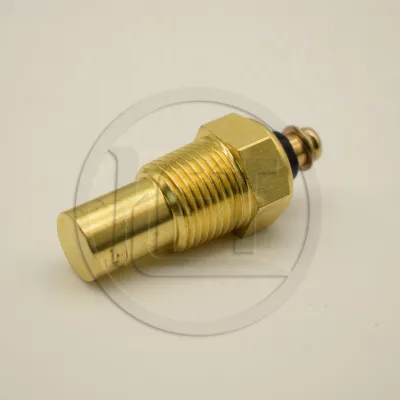
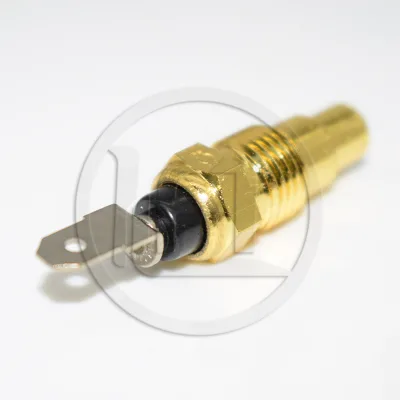
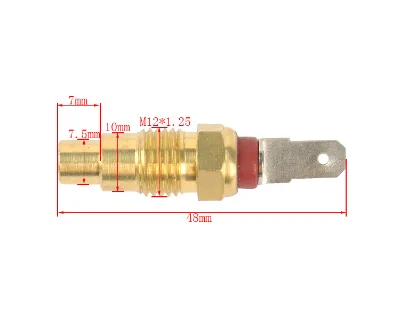
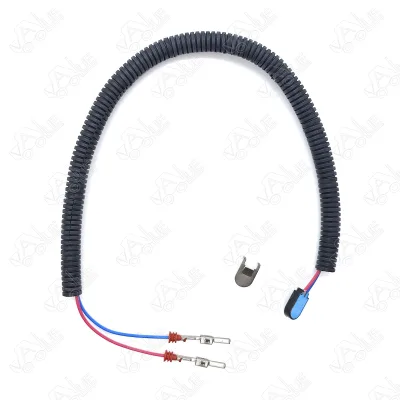


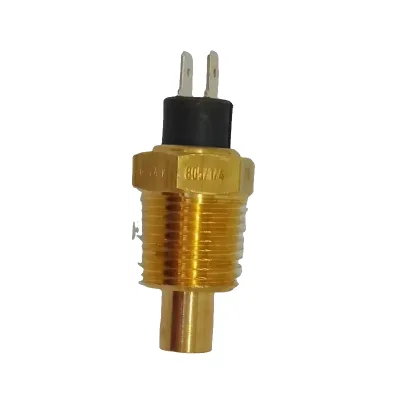

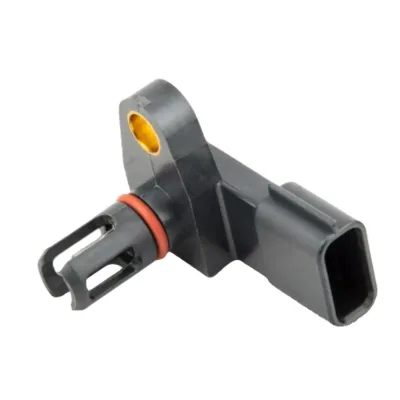


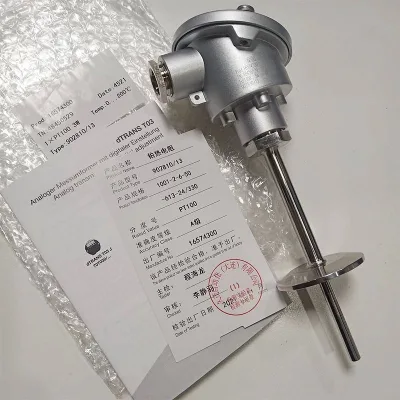

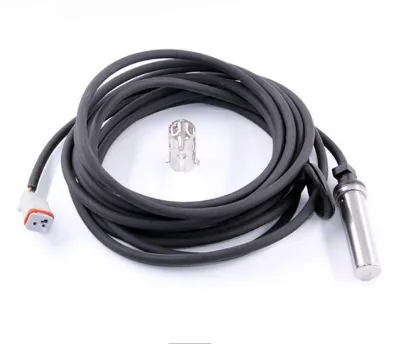
New Wheel Speed Temperature Sensor 4410323010 21296829 for FM13 Truck Replacement
$15.53 - $16.5652
MOQ: 100 pieces

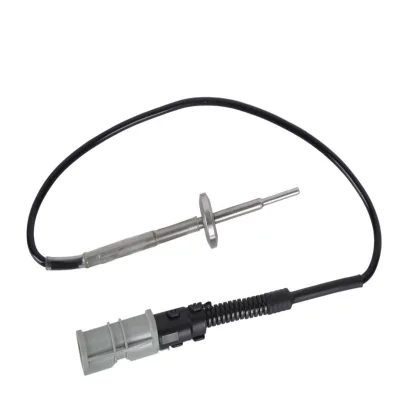

Tire Pressure and Temperature Monitoring Sensor for Truck Trailer (03)
$100.00 - $1000.00
MOQ: 1 Pieces

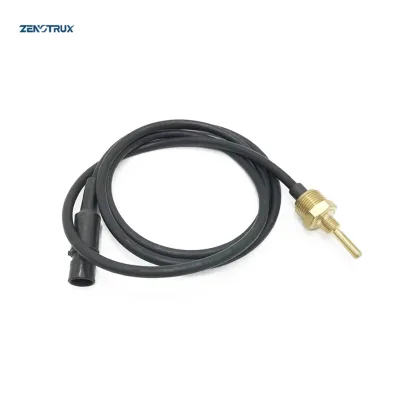
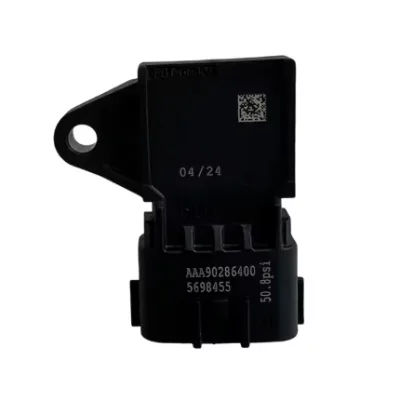
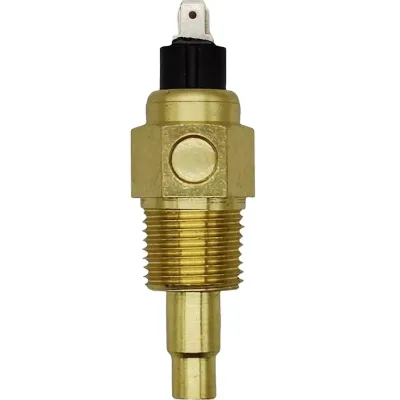

High Performance Temperature Sensor for Temperature Monitor and Control
$30.00 - $150.00
MOQ: 1 Pieces
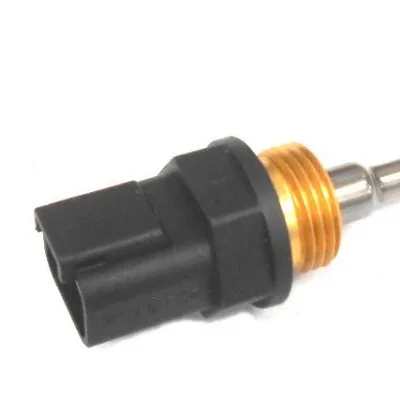
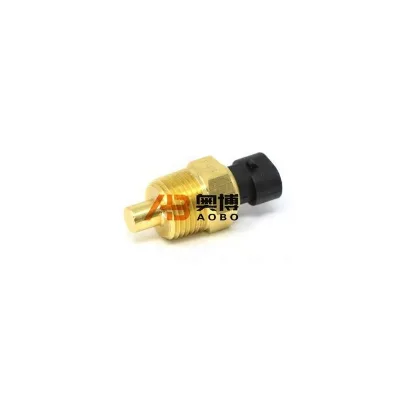


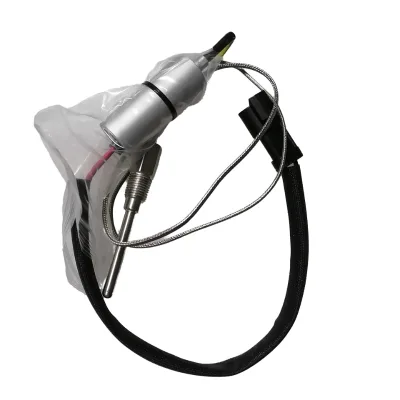
OEM Quality New Temperature Sensor 163-7882 for Caterpillar Excavator Parts
$120.0929 - $123.3826
MOQ: 10 pieces

Comprehensive Sourcing Guide
Forklift Temperature Sensor Sourcing Guide
Procuring replacement temperature sensors for forklift fleets requires a disciplined approach to component verification and supplier alignment. The market offers a variety of options, ranging from generic engine coolant sensors to specialized forklift-specific plugs, each with distinct operational parameters. Buyers must navigate a landscape where model numbers vary significantly across manufacturers, necessitating precise cross-referencing before placing orders. This guide outlines the critical steps for identifying the correct sensor, verifying technical compatibility, and ensuring long-term reliability for industrial material handling equipment.
The core keyword for this procurement category is "Forklift Temperature Sensor," which encompasses both engine coolant temperature sensors and water temperature sensor plugs. These components are vital for maintaining optimal engine performance and preventing overheating in diesel and electric forklifts. Sourcing decisions should be driven by the specific truck type and model number, as generic replacements may not fit or function correctly within the vehicle's electronic control system. Understanding the distinction between these sensor types is the first step in building a reliable supply chain for maintenance and repair operations.
Product Scope and Observed Listing Signals
Current market listings reveal a diverse range of temperature sensors, including specific models like the 490 and TD27/H20/H25 variants. These products are often categorized under broader headings such as "Engine Coolant Temperature Sensor" or "Water temperature sensor plug," indicating their primary function in monitoring thermal conditions. Buyers should observe that listings frequently highlight attributes such as "High-Quality" construction and "100% Tested" status, which serve as initial indicators of manufacturing standards. However, these claims require independent verification through supplier documentation and sample testing to ensure they meet operational demands.
The observed product scope also includes items with specific part numbers like C.A.11.01.0201B and C.A.11.01.7701B, which suggest a high degree of specificity in the supply chain. Some listings mention OEM compatibility, with references to part numbers such as 25080-89903, pointing to direct replacements for established brands. Additionally, the presence of "Customized Colors" and "OEM Customized Services" indicates that suppliers may offer tailored solutions for specific fleet requirements. Buyers must carefully match these observed signals with their actual equipment needs to avoid procurement errors.
Technical Specifications to Verify
Technical verification begins with confirming the model number compatibility, as listings show variations such as TD27/QD32/TD42/BD30/H15/H20/H25/K15/K21/K25. These alphanumeric codes correspond to specific forklift models or engine types, making accurate identification crucial for proper fitment. Buyers should also verify the physical dimensions, as single package sizes vary from 10X10X10 cm to 18X15X9 cm, reflecting differences in sensor housing and connector types. Ensuring that the sensor's electrical specifications match the vehicle's wiring harness is essential to prevent communication errors or damage to the control unit.
Weight and material composition are also key technical factors, with observed weights ranging from 0.030 kg to 0.5 kg and materials including iron. These attributes can influence the sensor's durability and thermal response time, particularly in high-vibration environments typical of forklift operations. Buyers should request detailed technical datasheets that specify the sensor's operating temperature range, resistance values, and connector pin configurations. Verifying these specifications against the original equipment manufacturer's (OEM) data sheet is the most reliable way to ensure compatibility and performance.
Compliance and Safety Documentation
While specific certification statuses are not universally provided in all listings, buyers should inquire about compliance with relevant safety and environmental standards. Some background information suggests potential alignment with standards like EN 60068-2-27 or certifications such as RoHS, which are critical for electronic components in industrial settings. Buyers must confirm whether the supplier can provide test reports or certificates of conformity that demonstrate adherence to these standards. This documentation is essential for maintaining regulatory compliance and ensuring that the sensors do not pose environmental or safety risks during operation.
The availability of video outgoing-inspection services is a notable feature in some listings, offering buyers a visual verification of the product before shipment. This service can help assess the physical condition of the sensor, including the integrity of connectors and housing. Buyers should also verify the warranty terms, which range from 3 to 6 months in observed listings, to understand the supplier's confidence in their product quality. Clear warranty policies provide a safety net against premature failures, reducing the total cost of ownership for the procurement team.
Cost Drivers and Commercial Terms
Cost structures for forklift temperature sensors are influenced by factors such as material quality, OEM licensing, and customization requirements. Observed price ranges vary significantly, reflecting differences in brand reputation and component complexity. Buyers should analyze the cost per unit in the context of the minimum order quantity (MOQ), which ranges from 1 to 1000 pieces. Understanding the MOQ helps in planning inventory levels and avoiding excess stock, while also leveraging volume discounts for larger fleet maintenance needs.
Commercial terms also include packaging and shipping details, with observations of netural export box packing and specific single gross weights. The port of dispatch, such as Xiamen, can impact lead times and logistics costs, particularly for international buyers. Buyers should negotiate clear terms regarding payment methods, shipping responsibilities, and return policies for defective items. Transparent commercial terms reduce the risk of hidden costs and ensure a smooth procurement process, allowing for better budget forecasting and supply chain management.
Supplier Qualification and Quality Control
Supplier qualification involves assessing the manufacturer's ability to consistently produce high-quality sensors that meet technical specifications. Buyers should verify the supplier's production capabilities, including their experience with OEM services and customization options. The presence of attributes like "Video outgoing-inspection" and "100% Tested" suggests a commitment to quality control, but buyers should request additional evidence, such as factory audit reports or quality management system certifications. This due diligence helps mitigate the risk of receiving substandard components that could lead to equipment downtime.
Quality control processes should also include incoming inspection protocols for the buyer's receiving team. Buyers should establish clear acceptance criteria based on the technical specifications provided by the supplier, including visual inspections and functional testing. Building a relationship with suppliers who offer online support and responsive after-warranty service can enhance the procurement experience. Regular communication with suppliers regarding performance feedback and any issues encountered can drive continuous improvement in product quality and service delivery.
Long-Term Procurement Checks
Long-term procurement success depends on establishing a robust supplier evaluation and performance monitoring system. Buyers should track key performance indicators such as delivery lead times, defect rates, and warranty claim frequencies for each supplier. This data-driven approach allows for objective comparisons and informed decisions when selecting or replacing suppliers. Regular reviews of supplier performance ensure that the procurement team maintains a high standard of quality and reliability, which is critical for minimizing operational disruptions in material handling environments.
Additionally, buyers should stay informed about technological advancements and new model releases in the forklift industry. As equipment evolves, the requirements for temperature sensors may change, necessitating updates to procurement specifications and supplier agreements. Maintaining a diverse supplier base can provide flexibility and resilience against supply chain disruptions. By continuously monitoring market trends and supplier capabilities, buyers can ensure that their forklift fleets remain equipped with the most appropriate and reliable temperature sensing solutions.
FAQs
What is the MOQ for Forklift Temperature Sensor parts?
The minimum order quantity is 1 piece. This low threshold allows buyers to test product quality before committing to larger volumes. It supports flexible procurement strategies for small repair shops or initial inventory checks without requiring bulk investment.
Where are these forklift parts manufactured?
These components originate from China, specifically Anhui and Fujian provinces. Manufacturing in these regions supports competitive pricing and established supply chains for industrial equipment parts. Buyers can verify origin details during supplier vetting to ensure alignment with sourcing preferences.
Can I get custom colors for these sensors?
Yes, customized colors are available for these products. This option allows businesses to match specific branding or identification requirements for their fleet maintenance operations. Buyers should confirm color options and any associated costs directly with the supplier during the ordering process.
What warranty is provided for these temperature sensors?
Warranty periods range from 3 to 6 months depending on the specific model. This coverage provides assurance against manufacturing defects. Buyers should review the specific warranty terms for their selected item to understand the duration and conditions of the support provided.
Which forklift models are compatible with these parts?
Compatible models include TD27, H20, H25, and various other series like QD32 and BD30. Specific compatibility depends on the exact part number, such as 490 or 7917415555. Buyers must verify the model number against their equipment to ensure proper fit and function.
Are these parts tested before shipment?
Many items are 100% tested and include video outgoing-inspection. This quality control step helps ensure the product meets operational standards before dispatch. Buyers can request inspection videos to verify the condition and functionality of the parts prior to finalizing the purchase.