Source Four Wheel Tractor Rotary Tiller for Farming, Soil Prep, and Cultivation
Compare 30 Four Wheel Tractor Rotary Tiller options from verified suppliers in Shandong, China. Evaluate specifications like working width, power requirements, and blade counts to find the right machinery for agricultural soil preparation and continuous running operations; compare the available evidence and request quotations based on your requirements.
Updated
Key considerations
Products List
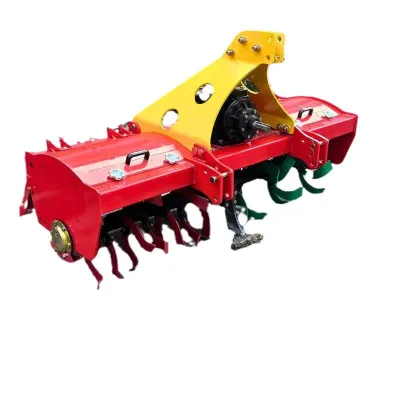


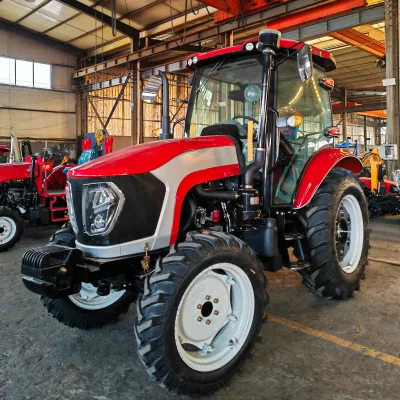
Good Quality Rotary Tractor Power Four-Wheel Drive Rotary Cultivator Mini Tiller
$3000.00 - $5000.00
MOQ: 1 sets

Farm Machinery Tractor Rotary Tiller
$470.00 - $1285.00
MOQ: 1 Pieces
Shandong Liying Agricultural Technology Development Co., Ltd.

Agricultural Machinery 3 Point Rotary Tiller
$470.00 - $1285.00
MOQ: 1 Pieces
Shandong Liying Agricultural Technology Development Co., Ltd.

Four Wheel Tractor Four Drive with Cultivator Rotary Tiller Disc Harrow
$2600.00 - $3200.00
MOQ: 1 Sets

Farm Four Wheel Tractor High Flower Paddy Wheel Rotary Tiller Agricultural
$4500.00 - $5000.00
MOQ: 1 Sets

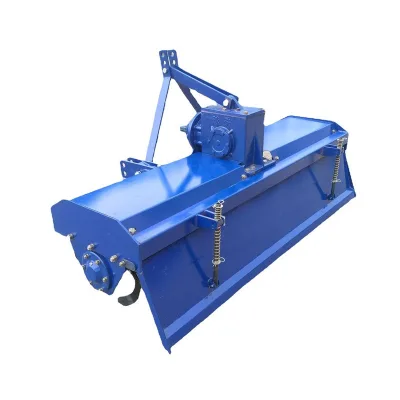
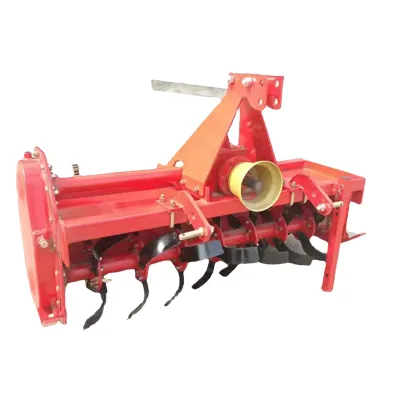
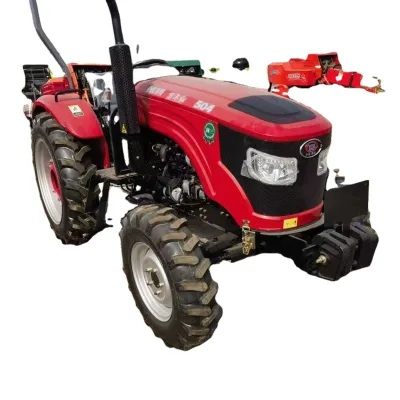
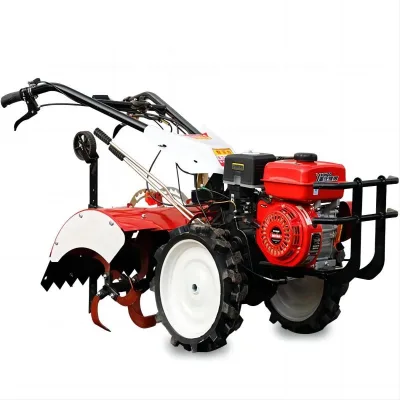
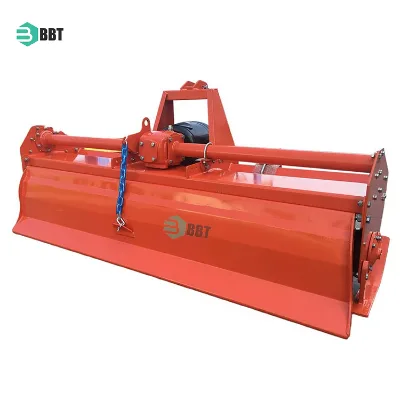
New Rotary Tiller for Four Wheel Tractor Farm Equipment with Gearbox High Efficiency
$520.00 - $3600.00
MOQ: 1 Minimum
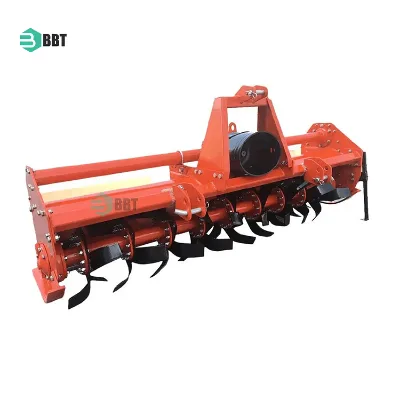
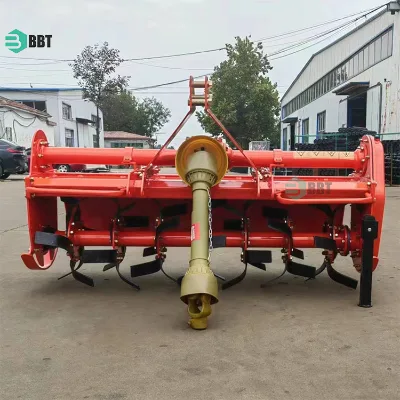
Diesel 4Wd Rotary Tiller Farm Agriculture Rotary Tiller Walk Behind Rotary Tillers
$520.00 - $3600.00
MOQ: 1 Minimum
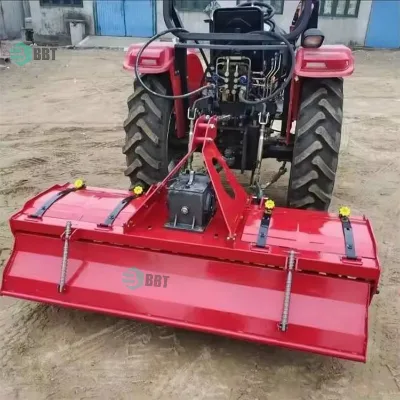


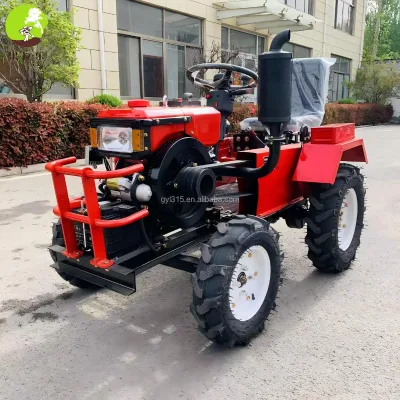
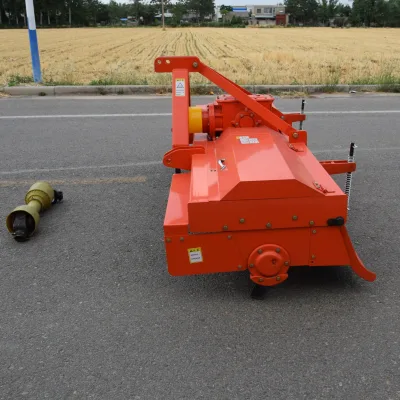


Comprehensive Sourcing Guide
Four Wheel Tractor Rotary Tiller Sourcing Guide
Procuring a Four Wheel Tractor Rotary Tiller requires careful alignment of machine specifications with your specific agricultural operations. The market offers various configurations, including models designed for dry cultivating machinery and those optimized for continuous running operation. Buyers must evaluate whether the equipment suits soil preparation tasks or if it integrates with seedling planting functions. Understanding the distinction between traction types and drive mechanisms is essential for selecting a unit that matches your field conditions and power requirements.
The observed product landscape includes diverse options ranging from basic rotary tillers to more complex units with fertilization capabilities. Some listings highlight high productivity as a key selling point, while others emphasize customization availability for specific farming policies. It is crucial to verify the power source compatibility, as many units are designed to be towed by tractors rather than operating independently. This guide helps buyers navigate these variations by focusing on verifiable technical data and commercial terms found in current market listings.
Product Scope and Observed Listing Signals
Current market listings indicate a wide range of product types, primarily centered around farm cultivators and rotary tillers. The observed data shows that many units are classified under agricultural machinery with specific applications such as corn cultivation or general soil preparation. Buyers should note that some listings describe the equipment as semi-automatic planting machines or full-size fertilizer applicators, suggesting a convergence of tillage and planting functions in modern designs. This overlap requires careful review of the product model numbers to ensure the machine meets your primary operational needs.
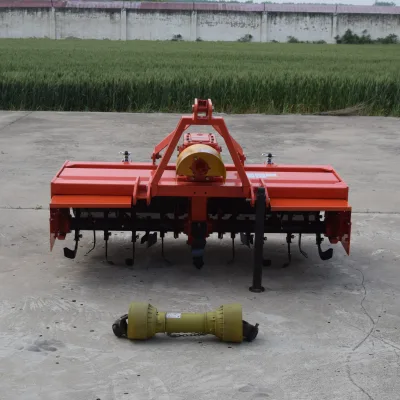
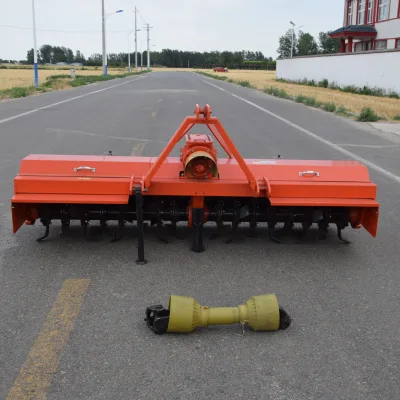
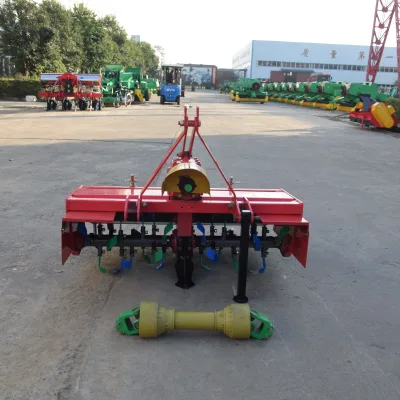
The visual and descriptive signals from suppliers often highlight specific physical attributes, such as color and packing methods. Red is a common color observed in listings, and packaging is frequently described as an iron box or iron frame, which impacts shipping costs and protection during transit. The working width varies significantly, with observations ranging from 1.35 meters to 2 meters depending on the cabinet or box body configuration. These physical dimensions directly influence the machine's coverage area and suitability for different field sizes, making them critical factors in the initial screening process.
Technical Specifications to Verify
Verifying the core components and power requirements is the most critical step in technical evaluation. The supplied facts indicate that the engine is a primary core component, with power types listed as diesel for certain models. Buyers must confirm the matched power rating, as observed data suggests compatibility with 50HP tractors, though other configurations may exist. The PTO rotation speed is another vital parameter, with observed ranges between 540-720r/Min and a 6-spline PTO shaft. Ensuring your tractor’s PTO output matches these specifications is essential for proper operation and to prevent mechanical damage during use.
Dimensional and weight specifications also require strict verification to ensure logistical feasibility and operational stability. The observed working width is listed as 1800mm, with a working depth ranging from 120-180mm, which defines the machine's tillage capacity. The number of blades, observed at 42, affects the quality of soil pulverization and the load on the drive system. Additionally, the weight of the unit, observed at 370kg for some models, influences traction requirements and fuel efficiency. Buyers should request detailed dimension and weight data for the specific model they intend to purchase to avoid mismatches with their existing infrastructure.
Compliance and Safety Documentation
Documentation verification is a key aspect of risk management in agricultural machinery procurement. The observed listings mention that machinery test reports are provided, which serves as a baseline for quality assurance. Buyers should request these reports to verify that the machine has undergone standard operational testing before shipment. The presence of a one-year warranty is also noted in the data, which provides a safety net for early-life failures. However, buyers must clarify the scope of this warranty, including whether it covers parts, labor, and travel expenses, to understand the true value of the protection offered.
Certification standards observed in the market include SGS and ISO9001:2008, which indicate a commitment to quality management systems. While these certifications are positive signals, buyers should verify the validity and scope of these certificates for the specific manufacturing facility. The mention of high-quality steel as a standard suggests a focus on durability, but this is a material claim rather than a certified standard. Buyers should ask for material test reports or mill certificates for critical structural components to ensure the machine meets long-term durability expectations in harsh agricultural environments.
Cost Drivers and Commercial Terms
Understanding the cost structure of agricultural machinery helps buyers negotiate better commercial terms. The observed price range in the market spans from 0 to 5000 USD, reflecting significant variation based on specifications, customization, and included accessories. Factors such as working width, power rating, and the inclusion of additional functions like fertilization or precision seeding can significantly impact the final price. Buyers should request detailed quotations that break down the cost of the base machine, optional attachments, and any customization fees to avoid hidden charges.
Minimum order quantities (MOQ) and payment terms are also critical commercial considerations. The observed MOQ range is between 1 and 5 units, which offers flexibility for small-scale farmers and larger operations alike. Buyers should confirm whether the MOQ applies to a single model or if mixed models are allowed within the order. Additionally, lead times and shipping terms should be clarified, as the place of origin is listed as Shandong, China, which may affect transit duration and logistics costs. Clear agreement on these terms prevents delays and ensures the machinery arrives in time for the planting season.
Supplier Qualification and Quality Control
Supplier qualification involves assessing the manufacturer’s capability to deliver consistent quality and support. The observed data indicates that products originate from Yucheng City, Shandong Province, a known hub for agricultural machinery manufacturing. Buyers should verify the supplier’s production capacity and history to ensure they can meet demand and maintain quality standards. The availability of customization is a positive sign of manufacturing flexibility, but buyers should assess the supplier’s ability to handle custom orders without compromising on core quality or delivery timelines.
Quality control processes should be explicitly discussed with the supplier before placing an order. Buyers should inquire about the inspection procedures performed before shipment, including functional tests of the engine, PTO, and blade assembly. The observation of a gear drive type suggests a robust transmission system, but buyers should ask for details on the maintenance requirements and spare parts availability. Establishing a clear communication channel for post-sale support is essential, as agricultural machinery often requires timely repairs during the growing season to minimize downtime.
Long-Term Procurement Checks
Long-term procurement success depends on evaluating the machine’s durability and serviceability over its lifecycle. The observed condition is listed as new, but buyers should consider the expected lifespan of key components such as the engine and gearbox. Regular maintenance schedules and the availability of replacement parts, such as blades and PTO shafts, are crucial for sustained operation. Buyers should request a comprehensive maintenance manual and a list of recommended spare parts to plan for future upkeep and minimize operational disruptions.
Finally, buyers should monitor the supplier’s reputation and after-sales service quality over time. The observation of high productivity as a key selling point should be validated through user feedback or case studies if available. Buyers should also stay informed about any updates to farming policies or regulations that may affect the use of their machinery. By maintaining a proactive approach to supplier relationship management and machine maintenance, buyers can maximize the return on investment and ensure reliable performance in their agricultural operations for years to come.
FAQs
What is the working width of the rotary tiller?
The working width is 1800mm. This dimension supports efficient soil preparation for agricultural tasks. The machine features a robust design suitable for continuous running operation. It is powered by a tractor via a PTO shaft. This width allows for effective coverage in field cultivation.
Can the machine be customized for specific needs?
Yes, customization is available for this agricultural machinery. Buyers can request specific modifications to suit their operational requirements. The product supports various power types and configurations. This flexibility ensures the equipment meets diverse farming standards and field conditions effectively.
What is the warranty period for this equipment?
The warranty period is one year. This coverage provides assurance for the machinery's performance and durability. The product includes a machinery test report for quality verification. Buyers receive support for the specified duration to ensure reliable operation in agricultural settings.
Which certification standards does the manufacturer follow?
The manufacturer follows SGS and ISO9001:2008 standards. These certifications ensure high-quality steel construction and reliable performance. The machinery is produced in Shandong, China. Adhering to these standards guarantees consistent quality for agricultural buyers seeking dependable equipment.
What is the matched power requirement for operation?
The matched power requirement is 50HP. This tractor power ensures effective drive through the gear system. The PTO rotation speed ranges from 540 to 720r/min. This power level is suitable for soil preparation and continuous running operation in farming.
How many blades does the rotary tiller have?
The rotary tiller has 42 blades. This configuration enhances productivity during soil cultivation. The blades are designed for efficient tilling and mixing. The machine operates with a horizontal axis arbor configuration. This setup ensures consistent performance in agricultural applications.