Source Front Bumper Air Deflector for Cars, Trucks, and Racing
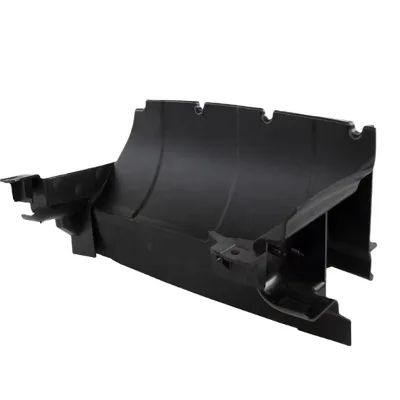
Find and compare 30 Front Bumper Air Deflector options from verified Chinese suppliers. Evaluate materials like ABS and plastic, check OEM codes such as 388305, and review warranty terms to select the right part for vehicle protection and styling needs.
Key considerations
Products List
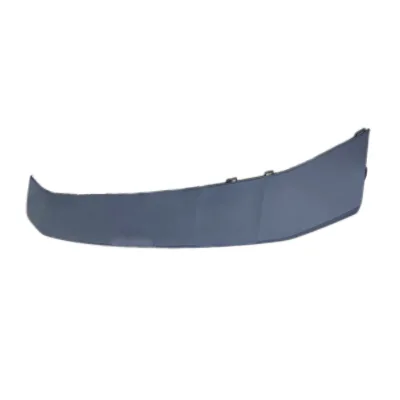


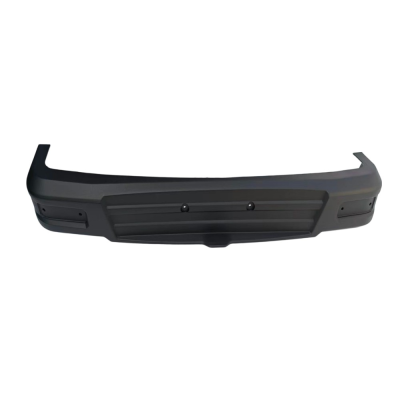


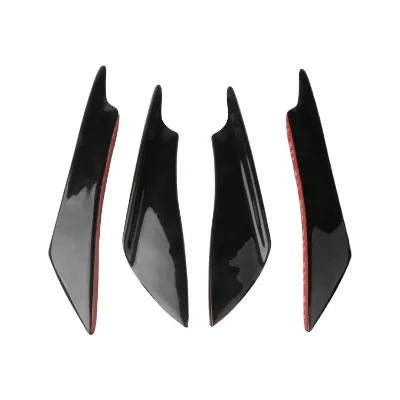


Comprehensive Sourcing Guide
Front Bumper Air Deflector Sourcing Guide
Procuring front bumper air deflectors requires a nuanced understanding of both aesthetic integration and functional aerodynamics. Buyers must distinguish between pure decorative trim pieces and structural components that influence airflow management. The market offers a wide spectrum of options, ranging from simple plastic overlays to complex carbon fiber assemblies designed for high-performance vehicles. Understanding the specific placement and purpose of the deflector is the first critical step in defining procurement requirements.
This guide focuses on the technical and commercial aspects of sourcing these components, leveraging observed market data to inform decision-making. By examining product scope, technical specifications, and compliance needs, buyers can mitigate risks associated with fitment issues and quality inconsistencies. The following sections provide a structured approach to evaluating suppliers and ensuring that the selected air deflectors meet both operational standards and aesthetic expectations for the target vehicle models.
Product Scope and Observed Listing Signals
The current market landscape for front bumper air deflectors reveals a diverse array of product types, primarily categorized by material and application. Observed listings indicate a strong presence of plastic and ABS materials, with some premium options featuring carbon fiber construction. These materials are selected for their balance of durability, weight, and cost-effectiveness. The product scope extends beyond simple bumpers to include related body protection elements, suggesting that buyers often source complementary parts to ensure a cohesive vehicle appearance and protection strategy.
Listing signals also highlight significant variation in customization capabilities and packaging standards. Many suppliers offer OEM-style replacements, indicated by specific part numbers such as 388305/388306, which are crucial for accurate fitment in repair scenarios. Packaging ranges from individual plastic bags to robust cartons, reflecting different logistical needs. Buyers should note that while some products are labeled as universal, others are tailored for specific car models, necessitating careful verification of compatibility before placing bulk orders to avoid inventory mismatches.
Technical Specifications to Verify
Verifying technical specifications is paramount to ensuring that the front bumper air deflectors fit correctly and perform as intended. Key attributes to confirm include the exact placement, such as front bumper or rear fender positions, and the intended application, whether for replacement, repair, or decoration. The material composition, whether plastic, ABS, or carbon fiber, directly impacts durability and visual appeal. Buyers must cross-reference these specifications with the vehicle’s make and model to prevent installation failures, especially when dealing with universal fitment claims that may require additional modification.
Dimensional accuracy and packaging standards are equally critical technical considerations. Observed data shows variations in single package sizes, ranging from compact dimensions for stickers to larger boxes for bumper assemblies. Weight specifications, such as a gross weight of 1.600 kg for certain items, help in calculating shipping costs and handling requirements. Additionally, the presence of customization options allows for tailored solutions, but buyers must ensure that the supplier can maintain consistent quality across customized batches. Confirming these details upfront prevents costly returns and ensures seamless integration into the vehicle’s bodywork.
Compliance and Safety Documentation
While front bumper air deflectors are often aesthetic or minor functional components, compliance with regional safety and environmental standards remains essential. Buyers should verify that suppliers adhere to relevant manufacturing standards, such as ISO certifications, which indicate a baseline level of quality control in production processes. Although specific safety test results are not always publicly listed, understanding the supplier’s commitment to standardized manufacturing helps mitigate risks associated with material degradation or improper adhesion, which could pose safety hazards in the event of an accident.
Documentation regarding material safety and environmental impact is another crucial aspect of compliance. Buyers must ensure that the plastics or carbon fibers used do not contain harmful substances prohibited in their target markets. Requesting material safety data sheets (MSDS) can provide insights into the chemical composition of the deflectors. Furthermore, verifying that the supplier follows proper waste management and recycling practices aligns with global sustainability trends. This due diligence not only ensures legal compliance but also enhances the brand reputation of the buyer by demonstrating a commitment to responsible sourcing and environmental stewardship.
Cost Drivers and Commercial Terms
Several factors influence the cost of front bumper air deflectors, with material type being the most significant driver. Carbon fiber components typically command higher prices due to their superior strength-to-weight ratio and premium aesthetic, while plastic and ABS options offer more budget-friendly alternatives. The complexity of the design, including the level of customization and the precision required for fitment, also impacts pricing. Buyers should analyze the price range of 1-1500 USD to understand the market segmentation and identify opportunities for cost optimization without compromising quality.
Commercial terms, including minimum order quantities (MOQ) and warranty provisions, play a vital role in the total cost of ownership. Observed MOQs range from 1 to 1000 units, offering flexibility for both small-scale retailers and large distributors. Warranty periods, such as six months or one year, provide a safety net against manufacturing defects. Buyers should negotiate clear terms regarding returns, replacements, and liability for fitment issues. Understanding these commercial dynamics allows for better budget planning and risk management, ensuring that the procurement process remains financially viable and operationally smooth.
Supplier Qualification and Quality Control
Evaluating supplier qualification is essential to ensure consistent quality and reliable delivery of front bumper air deflectors. Buyers should prioritize suppliers with established track records in the automotive parts industry, particularly those originating from key manufacturing hubs like Shanghai, Changzhou, and Guangdong in China. These regions are known for their robust supply chains and expertise in automotive component production. Verifying the supplier’s production capacity and quality control processes helps ensure that the products meet the required standards for durability and fitment.
Quality control measures should include rigorous inspection of materials, dimensions, and finish. Buyers can request samples to assess the quality of the plastic, ABS, or carbon fiber components before committing to large orders. Additionally, verifying the supplier’s ability to handle customization requests without compromising quality is crucial. Establishing clear communication channels and defining quality acceptance criteria in the contract helps maintain high standards. Regular audits and feedback loops can further enhance the supplier’s performance, ensuring that the procured air deflectors consistently meet the buyer’s expectations and customer demands.
Long-Term Procurement Checks
Long-term procurement success depends on continuous monitoring of supplier performance and market trends. Buyers should regularly review supplier delivery times, product quality, and responsiveness to issues. Establishing key performance indicators (KPIs) such as defect rates and on-time delivery percentages provides a quantitative basis for evaluating supplier reliability. Regularly updating the supplier base with new candidates ensures competitive pricing and access to innovative designs, preventing over-reliance on a single source and mitigating supply chain risks.
Adapting to evolving market demands and regulatory changes is also critical for long-term procurement strategies. Buyers should stay informed about emerging materials and technologies in the automotive aftermarket, such as new eco-friendly plastics or advanced carbon fiber weaving techniques. Engaging in strategic partnerships with suppliers who invest in research and development can provide a competitive edge. By maintaining a proactive approach to supplier management and market analysis, buyers can ensure a steady supply of high-quality front bumper air deflectors that meet the changing needs of their customers and the automotive industry.
FAQs
What is the warranty period for the Front Bumper Air Deflector?
The warranty period is typically 6 months or 1 year depending on the specific supplier and product model. Buyers should verify the exact terms with the manufacturer before purchase. This coverage applies to defects in materials and workmanship under normal use conditions. Always check the product description for the specific warranty duration offered by the seller.
Can the Front Bumper Air Deflector be customized for specific vehicles?
Yes, customization is available for many front bumper air deflectors. Suppliers offer options for specific car models, colors, and materials such as ABS or carbon fiber. Buyers can request tailored dimensions or branding to match their requirements. This ensures a precise fit and aesthetic alignment with the vehicle's design while maintaining structural integrity.
Which materials are used for front bumper air deflectors?
Common materials include ABS plastic and carbon fiber for durability and lightweight performance. ABS provides cost-effective protection and easy installation, while carbon fiber offers superior strength and a premium finish. Some products may also use standard plastic variants. The choice depends on the desired balance between weight, cost, and aesthetic appeal for the specific application.
How is the Front Bumper Air Deflector packaged for shipping?
Packaging varies by supplier but often includes carton boxes, plastic bags, or OPP bags. Standard packaging dimensions are approximately 78x24x18 cm or smaller for individual items. Protective materials ensure the product arrives undamaged. Buyers should confirm the specific packing method with the supplier to ensure safe transit and efficient storage upon arrival at the destination warehouse.
What is the typical MOQ for front bumper air deflectors?
The minimum order quantity ranges from 1 to 1000 pieces depending on the supplier. Custom orders may have higher MOQs, while standard items often allow lower quantities. Buyers can negotiate MOQs based on their volume requirements. It is advisable to check the specific supplier's policy to determine the most suitable order size for your business needs.
Where are front bumper air deflectors typically manufactured?
Manufacturing locations include Shanghai, Changzhou in Jiangsu, and Guangdong in China. These regions are known for automotive parts production and supply chain efficiency. Buyers can select suppliers based on their preferred origin for logistics or quality reasons. The place of origin may also influence shipping costs and lead times for international orders.