Source Front Bumper Reinforcement for Cars Trucks and Boats
Explore 30 listings for Front Bumper Reinforcement designed for cars, trucks, and boats. Buyers can compare specifications, materials like carbon fiber and ABS, and fitment options to find suitable parts for various vehicle applications.
Key considerations
Products List
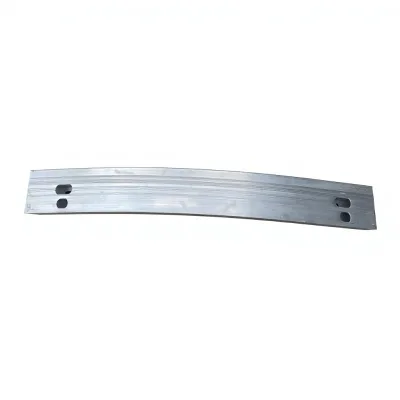


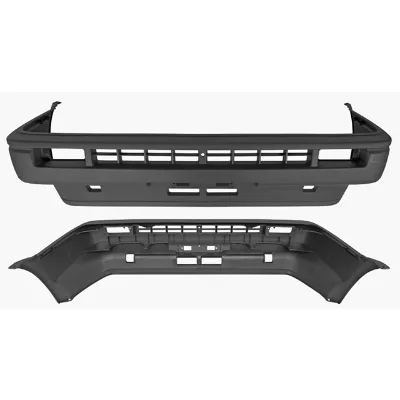


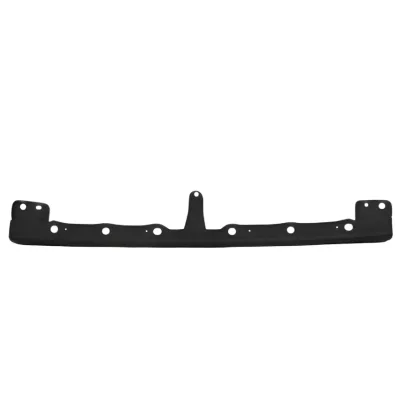
Comprehensive Sourcing Guide
Strategic Sourcing Guide for Front Bumper Reinforcement Components
Understanding Component Specifications and Material Variability
When sourcing Front Bumper Reinforcement components, buyers must first navigate a complex landscape of material definitions and physical specifications. The core keyword "Front Bumper Reinforcement" often masks significant variations in product attributes depending on the specific application, whether for heavy-duty trucks, standard passenger cars, or specialized marine environments. Based on available market data, the material composition for these components varies widely. Some listings explicitly identify Carbon Fiber as the primary material, offering high strength-to-weight ratios suitable for performance or lightweight applications. In contrast, other segments of the market utilize ABS (Acrylonitrile Butadiene Styrene) or Rubber for different functional requirements, such as impact absorption or flexibility.
The physical dimensions and structural integrity are equally critical. Specifications observed in the market include standard dimensions such as 12.883cm for smaller components or larger rolled formats like 0.06*2.5m. For cylindrical or solid structures, the shape is defined as Cylindrical with a Solid structure, while other variants may be designed as flat reinforcement strips. The "Single volume" and "Single gross weight" fields in some product data appear as 0 cm³ and 0.0 kg, which suggests that these figures may represent placeholder data or specific packaging metrics rather than the actual component mass. Buyers must verify the actual weight and volume of the reinforcement part itself, as this directly impacts shipping costs and handling requirements.
Furthermore, the fitment is a paramount specification. The market data highlights an Excellent Fitment attribute, indicating that these parts are engineered to align precisely with vehicle chassis points. However, the "Car Model" specification is often listed as Universal, which requires careful validation. A universal designation does not guarantee compatibility with every vehicle make without modification. Buyers should cross-reference the specific Car Make and model year against the supplier's technical drawings. The Position is consistently identified as the Front Bumper, but the specific mounting location—whether it is the lower valance, the upper grille support, or the side impact beam—must be confirmed. The Condition is uniformly listed as New, ensuring that the procurement is for fresh manufacturing rather than refurbished or used parts, which is a standard expectation for safety-critical automotive components.
Compliance, Certification, and Regulatory Standards
Navigating the regulatory landscape is essential for any B2B procurement of automotive parts. The supply chain for front bumper reinforcements is heavily influenced by certification requirements that vary by destination market. The observed market data indicates the presence of CE certification, which is a mandatory conformity mark for products sold within the European Economic Area. This certification suggests that the component meets specific health, safety, and environmental protection requirements. Additionally, some suppliers list BV (Bureau Veritas), SGS, and Ce (likely a variation of CE) under their certification profiles. These third-party inspections provide a layer of assurance regarding the manufacturing quality and material integrity.
However, the presence of these certifications in product listings does not automatically guarantee that every unit in a shipment is certified. Buyers must treat these as observations of the supplier's capabilities rather than a blanket claim for all inventory. The prod_standard field in the data shows values like 0.07CBM and 0.06*2.5m, which appear to be packaging or dimensional standards rather than industry safety standards like ISO or SAE. This discrepancy highlights a critical verification step: buyers must explicitly request the specific industry standard numbers (e.g., ISO 16750 for environmental conditions, or specific crash test standards) relevant to their region.
For applications involving boats and docks, the Application field notes suitability for marine environments, which introduces additional compliance layers regarding corrosion resistance and UV stability. While the Certification field lists BV and SGS, these are general inspection bodies. The buyer must verify if the specific material (Carbon Fiber, ABS, or Rubber) has been tested for saltwater resistance or marine-grade durability. The OEM/ODM attribute being "Yes" indicates that suppliers are willing to customize the product to meet specific regional regulatory requirements, but this process requires clear communication of the target market's legal standards.
Cost Drivers and Pricing Structure Analysis
The pricing structure for front bumper reinforcements is influenced by a combination of material costs, manufacturing complexity, and logistical factors. The observed price range in the market spans from 0.01 USD to 1500 USD, a variance that reflects the extreme diversity in product types. The lower end of the spectrum likely corresponds to simple rubber gaskets, small ABS clips, or basic reinforcement strips, while the higher end encompasses full carbon fiber assemblies or complex, custom-molded units for heavy-duty trucks.
Several key drivers influence where a specific component falls within this range. Material is the primary cost factor; Carbon Fiber components are significantly more expensive than ABS or Rubber alternatives due to the raw material cost and the energy-intensive curing process required. Customization availability also impacts price. While the data confirms that customization is Available, custom molds, unique dimensions, or specialized finishes will incur higher tooling and unit costs compared to stock items. The MOQ (Minimum Order Quantity) ranges from 1 to 1000, with a high-confidence observation of 10pcs. Higher MOQs often unlock lower per-unit pricing, but the initial capital outlay increases.
Logistics play a substantial role in the final landed cost. The Shipping methods listed include AIR, SEA, and Express Delivery. Air freight is faster but significantly more expensive, suitable for urgent, low-volume orders. Sea freight is cost-effective for large volumes but extends the timeline. The Place of Origin is predominantly China (specifically Guangzhou, Ningbo, Shanghai, and Guangdong), with some listings from Taiwan. The proximity of the supplier to the Port (Guangzhou, Ningbo, Shanghai) affects inland transportation costs. Additionally, the Packing method, ranging from Netural Packaging to EPE and Bubble Bag or OPP bags, influences the risk of damage and the cost of protective materials. Buyers must calculate the total cost of ownership, including the Payment terms (TT, PayPal, Western Union, Trade Assurance), which may involve transaction fees or currency exchange risks.
Typical Applications and Functional Requirements
Front bumper reinforcements serve diverse functional roles depending on the vehicle class and intended use. The Application field in the data reveals a broad spectrum, including Truck, Car, and Boat and Docks. For Truck applications, the reinforcement must withstand higher impact forces and rougher road conditions. The Function is often listed as Decoraion (Decoration) or Protection Car Body, indicating a dual role in aesthetics and structural integrity. In the context of Boat and Docks, the reinforcement may serve as a fender or bumper to prevent hull damage during docking, requiring materials with high elasticity and impact absorption, such as Rubber.
The Features listed include Easy Installation, which is a critical requirement for aftermarket parts and fleet maintenance. Components that require complex welding or specialized tools increase the total cost of ownership due to labor time. The Structure being Solid suggests a rigid reinforcement, whereas other applications might require flexible materials. The Color is typically Black, a standard for under-body and structural components, but customization may be available for specific branding or aesthetic needs.
The Fitting Position is specified as Front Bumper or Rear Fender, though the core keyword focuses on the front. It is vital to distinguish between the primary structural beam and secondary trim pieces. The Single volume and Single gross weight data points being zero in some listings suggest that the "reinforcement" might be a flexible strip or a component that is shipped in a way that minimizes volumetric weight, or it may indicate a data entry error. Buyers should verify the physical nature of the part to ensure it matches the intended application. For example, a Universal car model specification implies a one-size-fits-all approach, which is less common for structural reinforcements and more typical for trim or protective covers.
Supplier Evaluation and Verification Protocols
Evaluating suppliers for front bumper reinforcements requires a rigorous due diligence process, particularly given the variation in product data. The Place of Origin is consistently China or Taiwan, with specific hubs in Guangzhou, Guangdong, Ningbo, and Shanghai. Buyers should verify the actual factory location, as some listings may be from trading companies rather than manufacturers. The Service attribute is listed as Professional Service, which is a qualitative claim that must be validated through communication and reference checks.
Key verification steps include confirming the Warranty terms, which vary from 3 months to 12 Months. A longer warranty period often indicates higher confidence in product quality and durability. The Delivery time is observed as 7-15 Days, which is a standard lead time for manufacturing and shipping from these regions. However, this timeline can fluctuate based on order volume and customization requirements. The Payment options include TT, PayPal, Western Union, and Trade Assurance. Trade Assurance is particularly valuable as it offers buyer protection, ensuring that funds are only released once the order is fulfilled as agreed.
Buyers should also scrutinize the Packing details. Netural Packaging is common, but EPE and Bubble Bag or Each Roll in a Relative Box suggests higher care in handling. For Car Model compatibility, the Universal designation is a red flag that requires immediate clarification. Buyers must request specific fitment charts or CAD drawings to ensure the part matches their vehicle's mounting points. The OEM/ODM capability is a strong indicator of a supplier's flexibility, but it also requires clear technical specifications to avoid mismatches.
Quality Control and Long-Term Procurement Strategy
Maintaining consistent quality in Front Bumper Reinforcement procurement requires a robust quality control (QC) strategy. The Quality attribute is listed as High-Quality, but this is a subjective claim. Buyers should implement a QC protocol that includes pre-shipment inspections, particularly for Carbon Fiber and ABS components where material defects can compromise safety. The Certification of CE, BV, and SGS provides a baseline, but random sampling and third-party testing for tensile strength, impact resistance, and material composition are recommended for large orders.
Long-term procurement considerations involve building a relationship with suppliers who offer Customization and OEM/ODM services. This flexibility allows buyers to adapt to changing vehicle models or market demands. The Lead Time of 7-15 Days is relatively short, but buyers should account for potential delays during peak seasons or when custom tooling is required. The Selling Units are listed as Single item, which suggests that the market supports both small and large orders, but buyers should negotiate volume discounts for recurring purchases.
The Warranty period is a critical metric for long-term value. A 12 Months warranty is preferable to a 3 months warranty, as it covers a full cycle of potential usage issues. Buyers should also consider the Shipping method; AIR SEA Express Delivery offers a balance of speed and cost, but for large, heavy orders, SEA freight is more economical. The Port of Guangzhou, Ningbo, and Shanghai provides excellent logistics connectivity, but buyers should verify the specific port of loading to avoid inland transport surcharges.
In conclusion, sourcing front bumper reinforcements requires a meticulous approach to specifications, compliance, and supplier verification. By focusing on material integrity, certification validity, and clear communication of fitment requirements, buyers can mitigate risks and secure high-quality components that meet their specific operational needs. The diverse range of materials, from Carbon Fiber to Rubber, and the wide price spectrum necessitate a tailored strategy for each procurement project, ensuring that the final product delivers the required performance and durability.
FAQs
What certifications are available for front bumper reinforcements?
Available certifications include CE, BV, and SGS. These marks indicate compliance with safety and quality standards, though buyers must verify specific test results for their target market before purchasing.
Which materials are commonly used for front bumper reinforcements?
Common materials include Carbon Fiber, ABS, and Rubber. Carbon Fiber offers high strength for performance applications, while ABS and Rubber provide flexibility and impact absorption for various vehicle types.
Can suppliers customize Front Bumper Reinforcement dimensions?
Yes, customization is available for specific dimensions and requirements. Buyers should provide detailed specifications to ensure the custom part fits the intended vehicle model or application correctly.
How long is the delivery time for these components?
The standard delivery time ranges from 7 to 15 days. This timeline applies to standard orders, but customization or large volumes may extend the production and shipping schedule.
What is the minimum order quantity for front bumper reinforcements?
The minimum order quantity typically starts at 10 pieces. Some suppliers may accept orders as low as 1 unit, while bulk purchases often require quantities up to 1000 units.
Where are the suppliers located for these parts?
Suppliers are primarily located in China, specifically Guangzhou, Guangdong, Ningbo, and Shanghai. Some listings also indicate origins in Taiwan, offering diverse sourcing options for international buyers.
What warranty periods are offered for these products?
Warranty periods vary from 3 months to 12 months depending on the supplier. Longer warranties often indicate higher confidence in product durability and quality assurance standards.