Source Guitar Fret Rocker Leveling Tool for Setup, Repair, and Maintenance
Compare 30 verified products including the Guitar Fret Rocker Leveling Tool designed for fret height gauges and repair tasks. Buyers can evaluate specifications from suppliers in Guangdong and Henan, China, with MOQs ranging from 1 to 100 pieces for professional luthier needs.
Key considerations
Products List
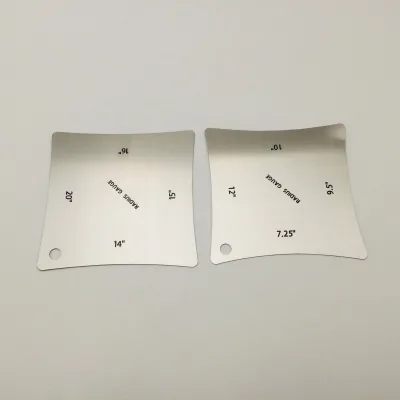
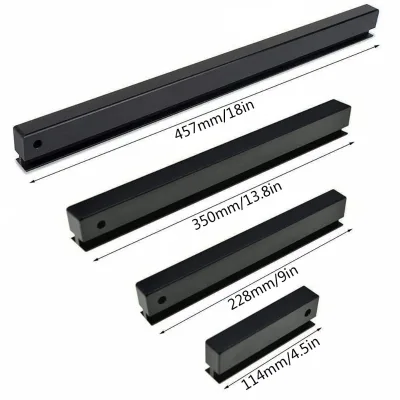
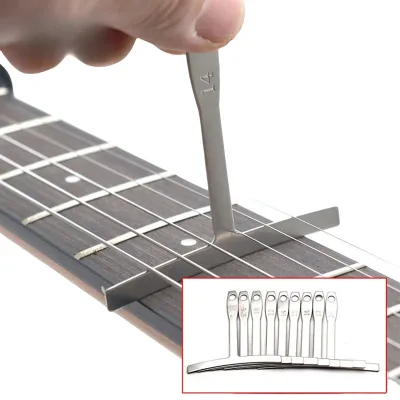
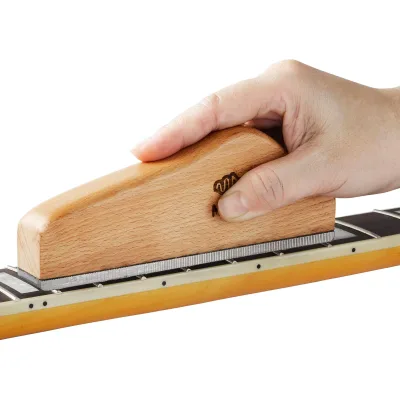
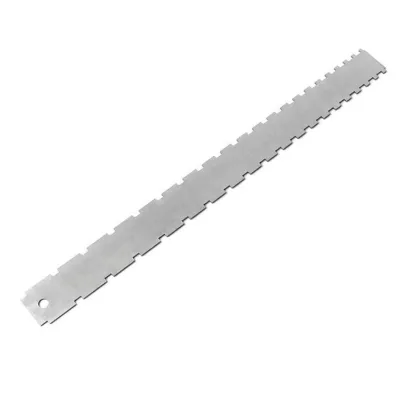
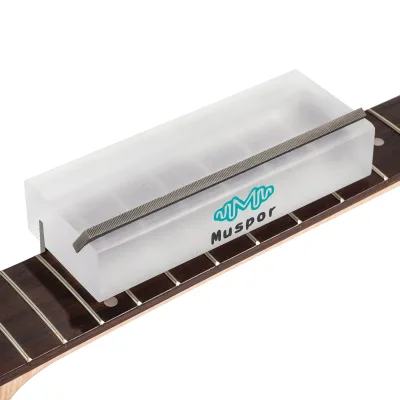
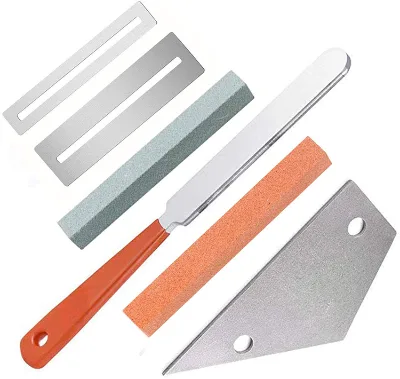
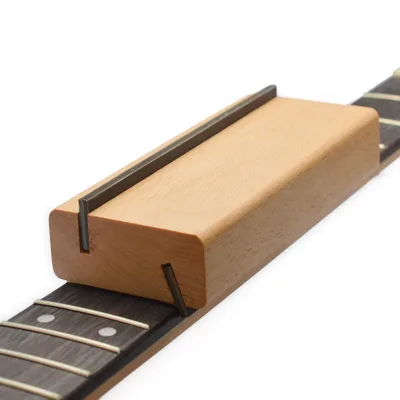
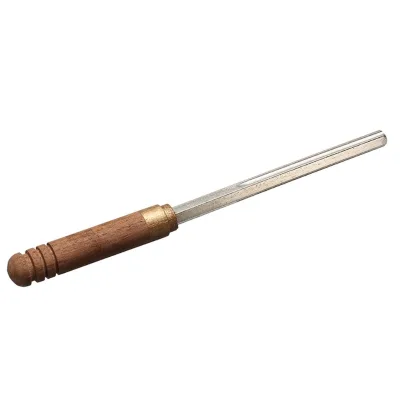
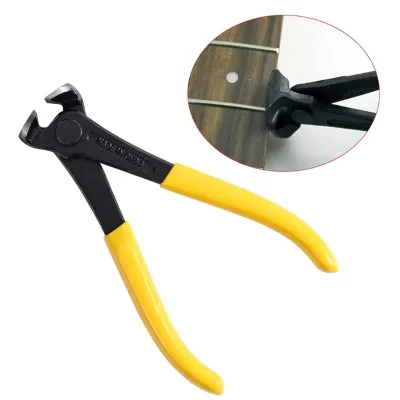
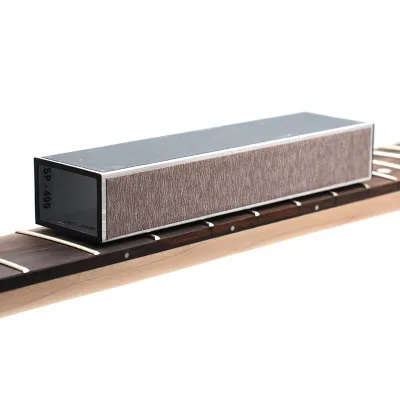
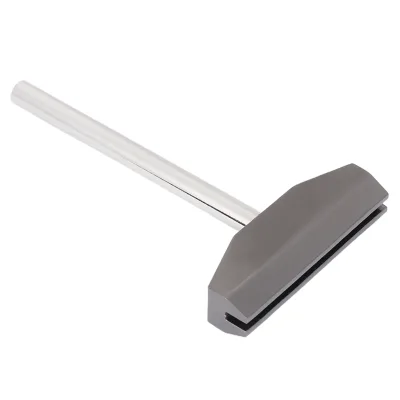


Comprehensive Sourcing Guide
Strategic Sourcing Guide for Guitar Fret Rocker Leveling Tools
Understanding Product Categories and Functional Definitions
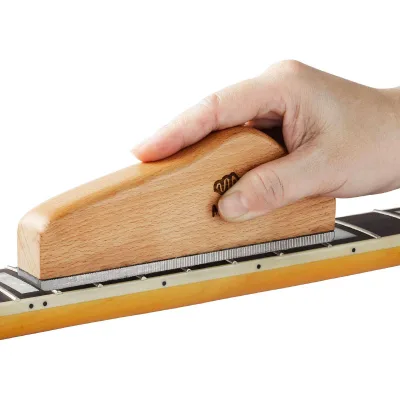
The core keyword "Guitar Fret Rocker Leveling Tool" refers to a specialized category of luthier equipment designed to assess and facilitate the leveling of guitar frets. In the context of B2B procurement, it is critical to distinguish between the primary function of these tools and related accessories. The supplied product data indicates that items classified under this functional umbrella often carry designations such as "Repair tool," "Fret Height Gauge," or "Guitar Ruler." These instruments are essential for ensuring the geometric accuracy of the instrument's neck and fretboard, which directly impacts playability and intonation.
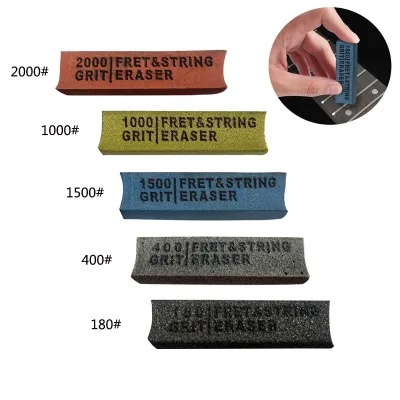
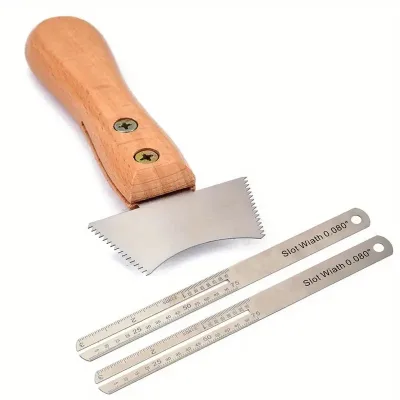
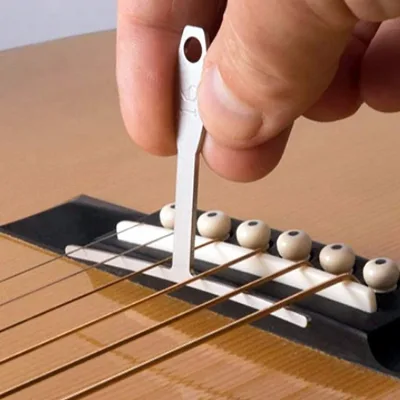
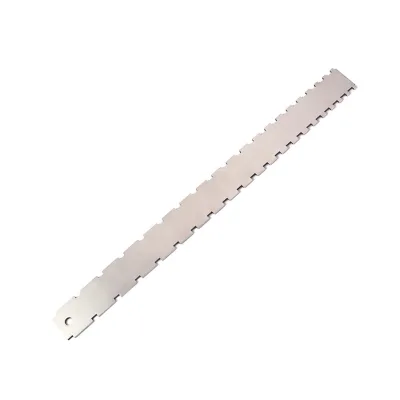
The observed product attributes reveal a diverse range of specific applications. Some listings explicitly identify the product as a "Guitar fret string Eraser(set)," while others are labeled as "Fingerboard Guitar Repair Tool" or "Luthier repair tools." This variation in nomenclature suggests that the market offers both dedicated leveling gauges and multi-purpose repair kits. A specific observation notes a "Type: Fret Height Gauge for Guitar Neck," which serves as a direct proxy for the rocker tool functionality. Buyers must verify that the specific model number, such as M-RP11 or M-RP12, aligns with the intended mechanical action of leveling rather than simple measurement or string maintenance. The functional scope extends to supporting various stringed instruments, including "Guitar Bass Violin Ukulele," though the primary engineering focus for leveling tools remains the guitar fret system.
Technical Specifications and Material Composition
When evaluating the technical specifications of guitar fret rocker leveling tools, material composition is a primary determinant of durability and precision. The supplied data highlights several distinct material classes. High-end or heavy-duty tools are frequently constructed from "Metal" or "Stainless Steel," offering the necessary rigidity to detect minute deviations in fret height. For instance, one specific model is noted to be made of "Stainless Steel," while another utilizes "Aluminum." These materials provide the structural integrity required to bridge multiple frets without flexing, which is the fundamental principle of the rocker method.
Conversely, some product listings indicate a composite construction, such as "Maple + carbon steel." This combination suggests a tool that may utilize wood for specific ergonomic handling or aesthetic integration with the instrument, while the carbon steel components provide the precise contact points for the leveling process. The physical dimensions are also critical; observed specifications include a size of "100X12X12MM" and a single package size of "15.0X10X5 cm." These dimensions indicate a compact, portable design suitable for workshop environments. Buyers should verify that the tool's length and width are sufficient to span the standard fret spacing of the target instrument class, whether it be a standard electric guitar, a bass, or a classical instrument.
The presence of specific features such as "Durable" and "Without Battery" confirms that these are passive mechanical instruments. Unlike electronic measuring devices, these tools rely on physical contact and visual inspection. The absence of battery requirements simplifies the supply chain logistics and reduces the risk of component failure during transit or storage. The color variations observed, ranging from "Gold, Silver," "Red/Green," to "Black," are primarily aesthetic or indicative of different material finishes, but they do not inherently alter the functional performance of the leveling mechanism.
Compliance, Certification, and Origin Verification
In the global procurement of guitar repair tools, verifying the origin and compliance status is essential for risk management. The supplied facts explicitly state that the "Place of Origin" for these products is primarily "Guangdong, China," with some specific items originating from "Henan, China." Guangdong is a well-established manufacturing hub for musical instrument accessories, known for its supply chain efficiency. However, the absence of specific certification data in the provided text means that buyers cannot assume compliance with international safety or quality standards without direct verification from the supplier.
The "Brand Name" field shows a mix of "OEM" and specific brand identifiers like "yindu" and "zhy." The prevalence of OEM branding suggests that many of these tools are manufactured for private label distribution. For B2B buyers, this presents an opportunity to source generic, high-quality tools without paying for brand premiums, provided the manufacturing quality is consistent. However, it also necessitates rigorous due diligence to ensure that the OEM manufacturer adheres to the same quality control protocols as branded competitors.
Regarding certifications, the supplied data does not list specific standards such as ISO 9001 or CE marking. Therefore, procurement teams must treat certification status as a variable to be confirmed during the supplier negotiation phase. Buyers should explicitly request documentation regarding material safety, particularly for tools that come into direct contact with the instrument's finish and strings. While the tools are described as "Durable," this is an observed attribute rather than a certified performance claim. Verification of material purity, especially for stainless steel and aluminum components, is crucial to prevent corrosion or chemical reactions that could damage the guitar's finish or frets.
Cost Drivers and Pricing Dynamics
The pricing landscape for guitar fret rocker leveling tools is influenced by several factors, including material quality, packaging complexity, and order volume. The observed listed price range in the market data spans from 0.3 to 80 USD. This wide disparity indicates a segmentation between basic, single-unit tools and comprehensive, multi-piece kits. The lower end of the range likely corresponds to simple metal gauges or single-piece rockers, while the higher end may reflect sets that include multiple sizes, specialized cases, or additional accessories like the "Guitar fret string Eraser(set)" mentioned in the product attributes.
Packaging details play a significant role in the final cost structure. The data notes "Boxes" as the standard packaging detail, with some items having specific single package sizes. The inclusion of a "Guitar Strap" in the product list under the same category suggests that some suppliers bundle accessories to increase the perceived value of the order. However, for a dedicated leveling tool, the cost driver is primarily the precision of the machining and the material grade.
Minimum Order Quantity (MOQ) is another critical cost driver. The observed MOQ range is 1 to 100 units. This flexibility allows buyers to test the market with small quantities, such as the "1pcs" MOQ observed for certain models, or to secure bulk pricing for larger inventory needs. The "MOQ: 100pcs" for specific items indicates that certain configurations or custom branding may require higher volume commitments. Buyers should calculate the total landed cost, including shipping from the "Port of dispatch: GUANGZHOU," to determine the true cost per unit, especially when dealing with the lower-priced items where shipping costs can constitute a significant percentage of the total expense.
Supplier Evaluation and Supply Chain Reliability
Evaluating suppliers for guitar fret rocker leveling tools requires a focus on supply capacity and logistical consistency. The "Supply Ability" is listed as "50000 sets per Month" for at least one product line, indicating a robust manufacturing capacity capable of handling large B2B orders. This high output suggests that the suppliers are well-equipped to manage fluctuations in demand, which is vital for maintaining steady inventory levels for distributors and repair shops.
The "Port of dispatch" is consistently identified as "GUANGZHOU," which is a major logistical hub in Southern China. This centralization simplifies freight forwarding and reduces the complexity of managing multiple shipping origins. However, buyers must verify the "Lead time" directly with the supplier, as this information is not explicitly provided in the product facts. The absence of stated lead times necessitates a proactive inquiry to ensure that production schedules align with the buyer's inventory planning.
Brand consistency is another factor in supplier evaluation. The mix of "OEM" and specific brand names like "zhy" and "yindu" suggests that some suppliers may offer both private label and branded options. Buyers should assess the supplier's ability to maintain quality control across different branding lines. The "Style: Classical" and "Use for: Guitar Bass Violin Ukulele" attributes indicate that suppliers should have a diverse product portfolio capable of serving various market segments. A supplier that can provide tools for multiple instrument types may offer better economies of scale and more consistent quality control processes.
Quality Control and Long-Term Procurement Considerations
Implementing a robust quality control (QC) protocol is essential when sourcing guitar fret rocker leveling tools. Since these tools are used to measure and correct the geometry of musical instruments, any deviation in the tool's own accuracy can lead to substandard repairs. The observed attribute "Durable" implies a focus on longevity, but this must be validated through physical testing. Buyers should request samples to verify the flatness of the tool's base and the precision of its contact points. The "Single gross weight" of "0.100 kg" provides a baseline for checking the weight consistency of received units, which can be an indicator of material density and manufacturing consistency.
For long-term procurement, buyers should consider the lifecycle of the tool. Metal tools, particularly those made of "Stainless Steel" or "Aluminum," generally offer a long service life if maintained correctly. However, the "Color: A set-9pcs" observation suggests that some products are sold as sets, which may include components with varying wear rates. Buyers should evaluate whether the supplier offers replacement parts or if the entire set needs to be replaced upon wear.
The "Feature: Durable" attribute, combined with the "Material: Metal" specification, suggests that these tools are designed for professional use. However, the lack of specific test results in the supplied data means that buyers must establish their own acceptance criteria. This includes verifying that the tool does not deform under pressure and that the surface finish does not scratch the guitar frets. Long-term contracts should include clauses for periodic quality audits and the right to reject batches that do not meet the agreed-upon specifications.
Comparative Analysis of Product Attributes
To facilitate decision-making, the following table summarizes the key attributes observed in the market for guitar fret rocker leveling tools and related repair equipment. This comparison highlights the diversity in specifications that buyers must navigate.
| Attribute Category | Observed Variations | Implications for Procurement |
|---|---|---|
| Model Number | M-RP11, M-RP12, 010, 028, 0911, CY B01, ZHY11319 | High variety; requires specific verification of function per model. |
| Material | Metal, Stainless Steel, Aluminum, Maple + carbon steel | Steel/Aluminum preferred for rigidity; composite for specific applications. |
| Function | Repair tool, Fret Height Gauge, Guitar Ruler, Support | Distinguish between measuring tools and active leveling aids. |
| Origin | Guangdong, China; Henan, China | Consolidated logistics from Guangzhou port; verify factory location. |
| MOQ | 1pcs to 100pcs | Flexible entry points; bulk pricing likely available for 100+ units. |
| Packaging | Boxes, Single item, Set-9pcs | Packaging affects unit cost and shipping volume efficiency. |
| Brand | OEM, yindu, zhy | OEM offers cost savings; branded items may offer specific support. |
| Battery | Without Battery | Confirms passive mechanical operation; no power supply logistics. |
This comparative analysis underscores the need for buyers to define their specific requirements clearly before engaging with suppliers. The wide range of model numbers and materials indicates that a "one-size-fits-all" approach is ineffective. Procurement strategies should focus on matching the specific technical requirements of the repair workflow with the precise attributes of the available tools. By leveraging the observed data points and conducting thorough due diligence, buyers can secure high-quality guitar fret rocker leveling tools that meet the rigorous demands of professional luthiery and instrument maintenance.
FAQs
What materials are used for guitar fret rocker leveling tools?
These tools are primarily constructed from metal, stainless steel, or aluminum to ensure rigidity. Some models combine maple with carbon steel for ergonomic handling. The material choice guarantees the tool can bridge multiple frets without flexing during the leveling process.
Can I find guitar fret rocker leveling tools with low minimum order quantities?
Yes, suppliers offer minimum order quantities ranging from 1 piece to 100 pieces. Some models allow purchasing a single unit for testing, while others require 100 pieces for specific configurations. This flexibility supports both small workshops and large distributors.
Which origin locations supply these guitar repair tools?
Products originate from Guangdong and Henan in China. Guangdong is a major manufacturing hub for musical instrument accessories, while Henan also supplies specific models. All items are dispatched from the Guangzhou port for efficient logistics.
How are guitar fret rocker leveling tools packaged for shipment?
Items are typically packed in boxes with specific single package sizes like 15.0x10x5 cm. Some sets include multiple pieces, such as a 9-piece set, while others are sold as single items. Packaging details ensure safe transport of the delicate measuring instruments.
What is the supply capacity for guitar fret rocker leveling tools?
Manufacturers can supply up to 50,000 sets per month for high-volume orders. This capacity ensures consistent availability for distributors and repair shops. Buyers should verify specific lead times with suppliers as they are not always listed in standard product facts.
Do guitar fret rocker leveling tools require batteries to operate?
No, these tools are passive mechanical instruments that do not require batteries. They rely on physical contact and visual inspection to measure fret height. This design simplifies logistics and reduces the risk of component failure during storage or transit.