Source Handmade Embossed Metal Tin Box for Food, Cosmetics, and Gifts
Find and compare 30 Handmade Embossed Metal Tin Box options from Chinese manufacturers. These cylindrical containers support OEM customization, offset printing, and eco-friendly designs for food, cosmetics, and gift packaging applications.
Key considerations
Products List


Rectangle Metal Tin Storage Box Hinged Tin Box with Offset Printed Logos
$0.17 - $0.59
MOQ: 1000 Pieces


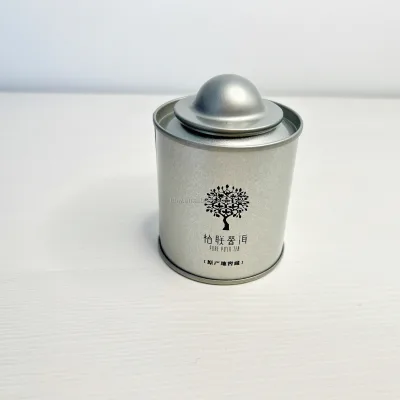


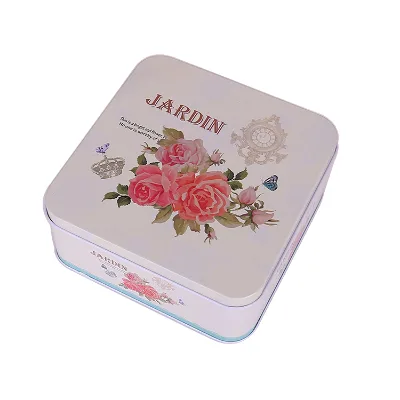

Comprehensive Sourcing Guide
Handmade Embossed Metal Tin Box Sourcing Guide
Sourcing handmade embossed metal tin boxes requires a nuanced understanding of both industrial manufacturing capabilities and artisanal finishing techniques. While the term "handmade" often implies small-batch, artisanal production, in the context of global B2B procurement for metal packaging, it frequently refers to specialized surface treatments like embossing that add tactile value and brand differentiation. Buyers must distinguish between fully handcrafted items and mass-produced tins that feature hand-applied or specialized embossed finishes. The core keyword suggests a product that combines the durability and barrier properties of metal with the aesthetic appeal of textured surfaces, making it suitable for premium packaging needs.
This guide focuses on the procurement of metal tins that feature embossed designs, typically crafted from tinplate or similar metal alloys. The sourcing process involves verifying material thickness, embossing depth, and printing compatibility. Buyers should approach this category with the understanding that "handmade" in a commercial supply chain context usually denotes a hybrid production model where automated forming is followed by specialized finishing steps. Understanding this distinction is critical for setting realistic expectations regarding lead times, minimum order quantities (MOQs), and unit costs.
Product Scope and Observed Listing Signals
The observed market signals indicate a diverse range of metal tin products, with prices ranging from $0.17 to $3.00 USD and MOQs varying significantly from 5 to 10,000 pieces. This wide variance suggests that the category includes both simple, functional containers and more complex, customized packaging solutions. The presence of models such as "Gift Tin-038T" and "THB-37" highlights the importance of specific model identification when sourcing. Buyers should note that while some listings offer low MOQs, others require volumes of 3,000 to 5,000 pieces, which directly impacts inventory planning and cash flow for new product launches.
Key features observed in the supply base include metal tin cans, tin packages, and specific printing methods like offset and silk printing. The material is consistently identified as metal, with specific mentions of 0.23mm tinplate material. This thickness is a critical specification for ensuring structural integrity, especially when embossing is applied, as thinner materials may deform or weaken during the embossing process. The observed applications span food, electronics, apparel, cosmetics, and household goods, indicating the versatility of these containers. However, buyers must verify that the specific tin selected is suitable for their intended content, particularly for food-grade applications.
Technical Specifications to Verify
Material composition and thickness are the primary technical factors to verify. The supplied data indicates a material thickness of 0.23mm or 0.25mm, which is standard for many tinplate applications. Buyers must confirm that the tinplate meets the required gauge for their specific product weight and shipping conditions. Thicker materials provide better protection but may increase costs and weight. Additionally, the metal type is specified as tinplate, which offers good corrosion resistance and printability. It is essential to verify if the tinplate is coated or lacquered, especially for acidic or oily products, to prevent chemical reactions between the metal and the contents.
Embossing and printing specifications are equally critical for aesthetic and functional quality. The observed surface handling includes embossing and offset printing, with printing methods ranging from single-page to CMYK+PMS color matching. Buyers should request physical samples to assess the depth and clarity of the embossed design. Shallow embossing may not provide the desired tactile experience, while deep embossing can complicate the printing process and increase the risk of ink cracking. Furthermore, verify the printing method compatibility with the embossed surface, as flat printing on highly textured surfaces can result in uneven ink coverage.
Compliance and Safety Documentation
Food safety compliance is paramount if the tin boxes are intended for food, tea, or health care products. Buyers must ensure that the supplier provides documentation confirming the tinplate is food-grade and free from harmful substances such as lead or cadmium. While specific certifications like ISO and CE were observed, these generally relate to quality management systems and general product safety rather than direct food contact compliance. Buyers should request additional certifications, such as FDA compliance or equivalent regional standards, to ensure the packaging meets regulatory requirements for food contact materials.
Environmental and eco-friendly claims require careful verification. The observed data mentions "Eco-Friendly" attributes, which may refer to the recyclability of the metal material. However, buyers should clarify what specific eco-friendly practices are in place, such as the use of water-based inks or sustainable sourcing of raw materials. Certifications like ISO 14001 for environmental management can provide additional assurance. It is also important to verify that any coatings or lacquers used inside the tin do not compromise the eco-friendly status or introduce toxic elements during disposal or recycling.
Cost Drivers and Commercial Terms
The cost of handmade embossed metal tin boxes is influenced by several factors, including material thickness, embossing complexity, and printing requirements. Thicker tinplate and deeper embossing patterns typically increase production costs due to higher material usage and more complex tooling. The observed MOQs of 500 to 5,000 pieces also play a significant role in pricing, with larger orders generally benefiting from economies of scale. Buyers should negotiate based on their volume requirements and consider the trade-off between lower unit costs and higher inventory holding costs.
Commercial terms such as lead times and shipping methods are critical for supply chain planning. The observed lead time of 45 days is a standard benchmark for customized metal packaging, allowing for production, quality control, and finishing. Buyers should confirm if this lead time includes sample approval and tooling setup. Shipping options include air and sea freight, with sea freight being more cost-effective for large volumes but requiring longer transit times. Understanding these terms helps in aligning procurement schedules with product launch dates and managing stock levels effectively.
Supplier Qualification and Quality Control
Supplier qualification should focus on their ability to handle customization and maintain consistent quality. The observed data indicates that OEM and ODM services are accepted, and customization is available. Buyers should verify the supplier's experience with embossed designs and their ability to replicate complex patterns accurately. Requesting references or case studies from previous clients can provide insight into the supplier's reliability and quality standards. Additionally, check if the supplier has a dedicated quality control team that inspects products at various stages of production, from raw material intake to final packaging.
Quality control procedures should include checks for material thickness, embossing depth, printing alignment, and overall structural integrity. Buyers should establish clear acceptance criteria for defects such as dents, scratches, or ink misregistration. It is advisable to conduct pre-shipment inspections or hire third-party inspection services to verify that the delivered goods meet the agreed-upon specifications. Regular communication with the supplier regarding quality issues and continuous improvement initiatives can help maintain high standards and build a long-term partnership.
Long-Term Procurement Checks
Long-term procurement success depends on the supplier's ability to adapt to changing market demands and regulatory requirements. Buyers should regularly review the supplier's compliance with international standards and their capacity to innovate in design and material technology. Staying informed about new eco-friendly materials and printing techniques can provide a competitive advantage. Additionally, maintaining a diversified supplier base can mitigate risks associated with supply chain disruptions and ensure continuity of supply.
Building a strong relationship with the supplier through consistent ordering and open communication can lead to better pricing, priority production, and collaborative product development. Buyers should schedule regular performance reviews to assess the supplier's reliability, quality, and responsiveness. Providing constructive feedback and sharing market insights can help the supplier improve their offerings and better meet the buyer's needs. Ultimately, a strategic approach to supplier management ensures that the procurement of handmade embossed metal tin boxes remains efficient, cost-effective, and aligned with brand values.
FAQs
Can I customize the logo on the metal tin box?
Yes, customized logo printing is available for these metal tins. The product supports OEM services and offers options like offset printing, silk printing, or labelling to meet specific branding needs for food, cosmetics, or electronics packaging.
What is the minimum order quantity for these tins?
The minimum order quantity varies by model, typically starting at 500 pieces or 3000 pieces depending on the specific product configuration. Some listings indicate an MOQ of 5000 pieces, so buyers should verify the exact requirement for their selected model.
How long is the production lead time for custom orders?
The standard production period is approximately 45 days for custom orders. This timeline applies to manufacturing the metal tins with specified customization features such as embossing or specific logo printing methods before shipment.
What materials are used to make these embossed tin boxes?
These boxes are constructed from tinplate material with thickness options of 0.23mm or 0.25mm. The metal type is specified as tin, ensuring durability for applications ranging from food storage to jewelry and cosmetic packaging.
Which printing methods are supported for these metal tins?
Supported printing methods include offset printing, silk printing, and labelling. CMYK plus PMS color modes are available, allowing for detailed designs on the single printing page of the cylindrical or custom-shaped metal containers.
Are these metal tins suitable for food packaging?
Yes, these metal tins are designed for use in food, cosmetics, electronics, and household applications. The material is eco-friendly and meets standards suitable for storing items like tea, drinks, and health care products.
What certifications do these metal tin manufacturers hold?
The products are associated with ISO and CE certifications. These standards ensure the manufacturing process and final product quality meet international requirements for safety and performance in various industrial and consumer applications.