Source handmade eco-friendly vintage wicker basket for storage, decor, and picnics
Explore 30 listings of handmade eco-friendly vintage wicker basket options suitable for home storage, garden decoration, and outdoor picnics. Buyers can compare materials, dimensions, and customization features across verified suppliers.
Key considerations
Products List
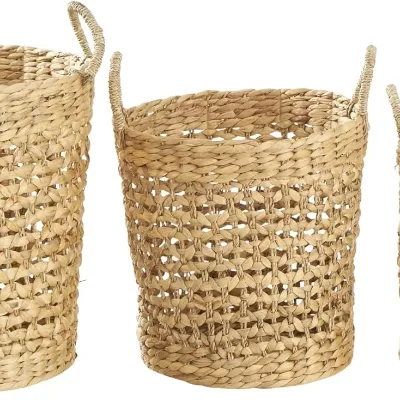
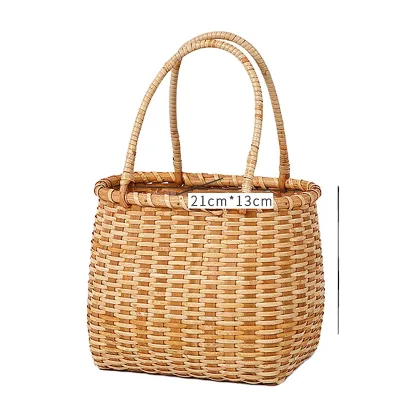
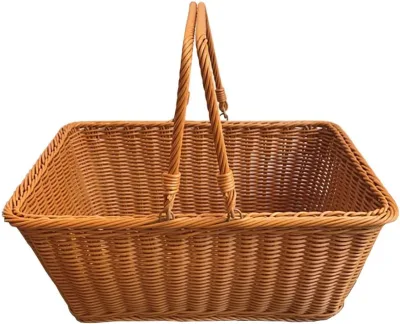
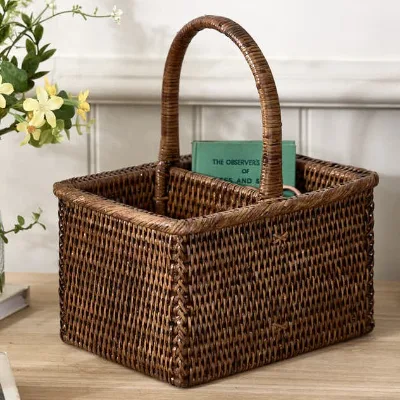


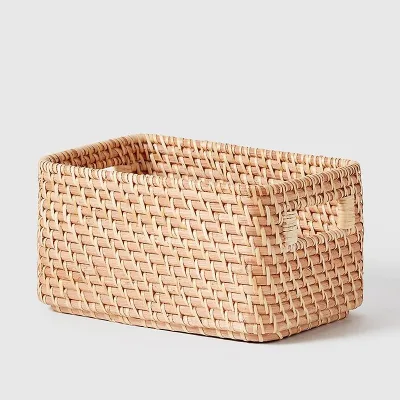
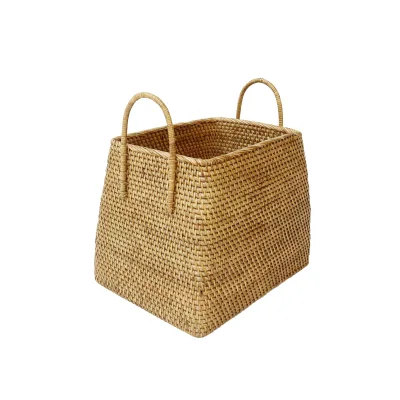
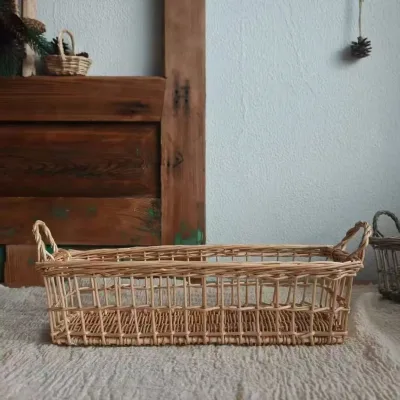
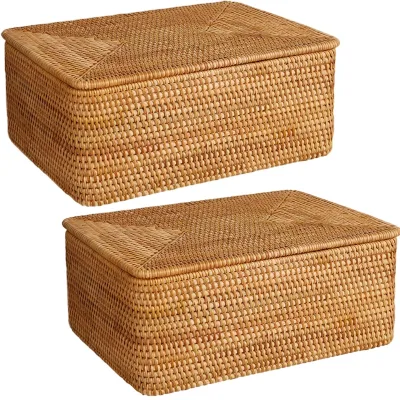
Comprehensive Sourcing Guide
Strategic Sourcing Guide for Handmade Eco-Friendly Vintage Wicker Baskets
Understanding Product Attributes and Material Composition
When sourcing handmade eco-friendly vintage wicker baskets, the primary focus must be on verifying the material composition and the specific craftsmanship techniques employed. The core keyword implies a product that balances aesthetic appeal with sustainable sourcing. Based on available market data, the primary materials identified for this category include natural wicker, rattan, and willow. These materials are distinct in their texture and durability, yet they share a common origin in natural plant fibers, which aligns with the "eco-friendly" and "sustainable" attributes often requested by modern buyers.
The "vintage" designation in this context does not necessarily refer to an antique age but rather to a specific stylistic execution. Buyers should look for products where the "technics" are explicitly listed as "Handmade." This distinction is critical because machine-woven items often lack the irregularities and structural integrity associated with traditional hand-weaving. The visual style often falls under categories such as "Classic," "Nautical," or "Home Decor," with a color palette that is predominantly "Natural" or "Natural Color." This natural finish is a key indicator of minimal chemical processing, further supporting the eco-friendly claim.
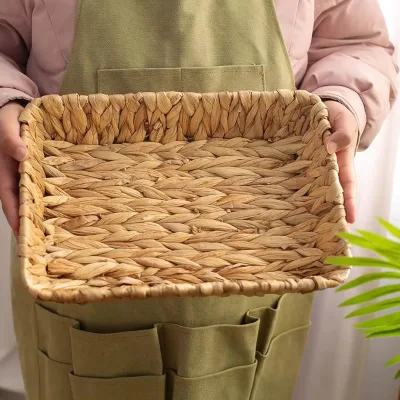
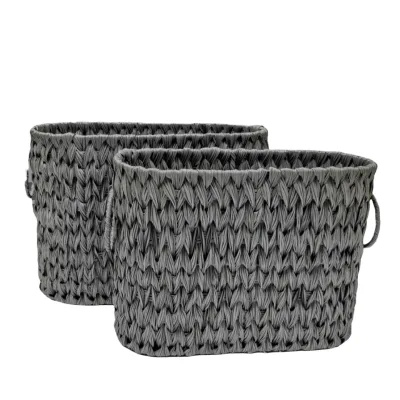
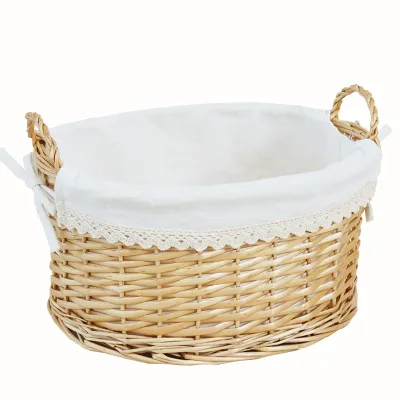
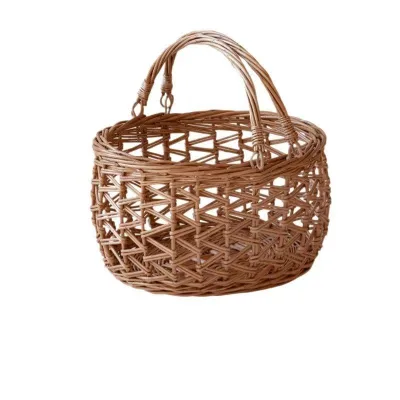
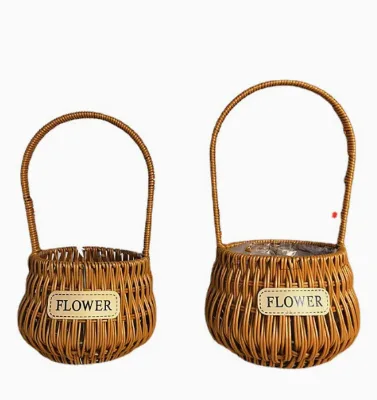
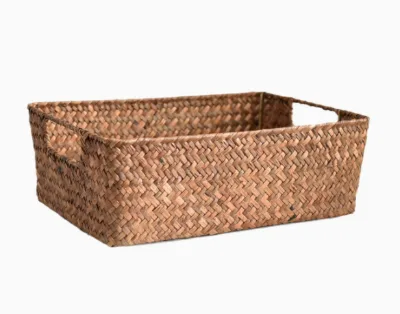
The physical form of these baskets varies significantly. While the core keyword suggests a general shape, observed market data indicates a prevalence of both "circle" and "Rectangle" shapes. The "Shape" attribute is a primary filter for buyers, as the intended use often dictates the geometry. For instance, storage solutions for vegetables or fruits may favor a rounder, more open structure, whereas decorative storage might lean towards rectangular forms. The "Style" can range from simple utility to elaborate "Vintage Picnic Basket" designs, which often include handles and specific structural reinforcements.
Technical Specifications and Dimensional Tolerances
Precision in manufacturing is a common challenge in the handmade sector. While "Handmade" implies a degree of variation, buyers must establish clear technical specifications to ensure consistency across large orders. The supplied data reveals a wide range of dimensional tolerances, which serves as a critical warning for procurement planning. Some listings indicate a "dimensional tolerance" of less than ±2cm, while others claim a much stricter standard of less than ±1mm.
This discrepancy highlights the necessity for buyers to verify the specific tolerance requirements for their application. A tolerance of ±2cm may be acceptable for general garden storage or decorative display, but it would be unsuitable for applications requiring precise stacking or integration into modular furniture systems. Conversely, a ±1mm tolerance is exceptionally tight for a hand-woven natural fiber product and may indicate a specific high-precision manufacturing process or a different material composition entirely.
Weight is another critical specification. The "Single gross weight" for these baskets varies from approximately 1.724 kg to 5.000 kg, depending on the size and density of the weave. Buyers must account for "weight tolerance," which is observed in the market ranging from less than ±1% to less than ±10%. A tolerance of ±10% is significant for logistics planning, as it affects shipping costs and inventory weight calculations. The "Single package size" also varies, with observed dimensions such as 43.18x43.18x53.34 cm and 45x45x45 cm. These dimensions are essential for calculating container load efficiency and storage space requirements in the buyer's warehouse.
Compliance, Certification, and Sustainability Verification
The "eco-friendly" and "sustainable" claims associated with wicker baskets require rigorous verification. While the market data mentions "Eco-Friendly" and "Sustainable" as product features, these are observations rather than guaranteed certifications. Buyers should not assume that a product labeled as eco-friendly automatically holds third-party validation. The background information references potential certifications such as BSCI (Business Social Compliance Initiative) and FSC (Forest Stewardship Council), but these are listed as low-confidence background data.
Consequently, buyers must treat these certifications as verification targets rather than pre-existing facts. When evaluating a supplier, the procurement team should explicitly request current, valid certificates for FSC or BSCI if these are mandatory for the buyer's corporate sustainability goals. The absence of a certificate does not necessarily mean the product is not sustainable, but it does mean the claim is unverified by a third party. The "Custom" brand name and the availability of "Customization" suggest that many suppliers operate as private label manufacturers, which further necessitates a direct inquiry into their sourcing policies for raw materials.
Buyers should also investigate the "Surface Treatment" of the baskets. The data indicates "Polishing" as a possible treatment, but for a truly eco-friendly product, the use of chemical finishes, varnishes, or dyes should be minimized. The "Natural Color" attribute is a strong indicator of a lack of synthetic dyes, but buyers should confirm whether any preservatives or anti-fungal treatments are applied, as these can impact the "eco-friendly" status of the final product.
Cost Drivers and Pricing Structures
The pricing for handmade wicker baskets is influenced by several complex factors, including material scarcity, labor intensity, and order volume. The observed price range in the market spans from $1.40 to $39.00 USD. This wide variance is not merely a reflection of brand prestige but is heavily driven by the "MOQ" (Minimum Order Quantity) and the complexity of the design.
The "MOQ" range observed is substantial, varying from as low as 1 unit to as high as 800 units. A specific data point notes an MOQ of 300 pieces for certain models. This suggests that the $1.40 price point is likely associated with high-volume orders or simpler, mass-produced items, whereas the $39.00 range corresponds to smaller batches, intricate vintage designs, or custom-branded products. The "Selling Units" are typically listed as "Single item," which can be misleading for B2B buyers who need to understand the unit economics at scale.
Labor is the primary cost driver for "Handmade" products. The "technics" being handmade means that production speed is inherently slower than machine manufacturing, leading to higher unit costs. Additionally, the "Custom Size" and "Customization" options add significant value but also increase the cost per unit. Buyers should anticipate that requests for specific dimensions, such as the "Medium" size or custom capacities like "10-20L," will incur a premium. The "Packing" method, typically "Carton," also adds to the cost, especially if custom packaging is required to protect the fragile woven structure during transit.
Typical Applications and Functional Design
The versatility of wicker baskets makes them suitable for a diverse array of applications. The data explicitly lists "Application" as "Vegetable" and "use" as "Storage," "Decoration," and "Fruit/Vegetable Storage." This confirms their utility in both commercial and residential settings. In a retail environment, these baskets are ideal for displaying fresh produce, leveraging their natural aesthetic to enhance the visual appeal of the goods.
Beyond food storage, the "Usage" attributes expand to include "Wedding," "Wine," "Gift," "Picnic," "Garden," "Bicycle," and "Shopping." This broad scope indicates that the product is not limited to a single niche. The "Vintage Picnic Basket" designation suggests a specific application for outdoor leisure, often requiring a sturdy handle and a secure closure mechanism. The "Nautical" style points to potential use in coastal-themed retail or home decor, while the "Home Decor" and "Decoration" uses highlight their role as aesthetic elements in interior design.
The "functional design" is described as "Multifunction," which is a key selling point. A basket that can serve as a storage solution for laundry, a decorative piece for a living room, and a utility item for a garden requires a robust construction. The "Shape" and "Size" must be chosen carefully to match the specific function. For example, a "circle" shape might be better for a central decorative piece, while a "Rectangle" shape is more efficient for stacking in a pantry or under a bed.
Supplier Evaluation and Quality Control Protocols
Selecting the right supplier for handmade wicker baskets requires a multi-faceted evaluation strategy. The "place of origin" data shows suppliers located in Beijing, Zhejiang, and Guangxi, China. While these locations are known for manufacturing, buyers should not assume uniform quality across all regions. The "brand_name" is often "Custom," indicating that many suppliers are OEM (Original Equipment Manufacturer) partners rather than established consumer brands.
Quality control is paramount due to the nature of handmade production. Buyers must verify the "weight tolerance" and "dimensional tolerance" before placing a large order. A discrepancy in these tolerances can lead to significant issues in logistics and customer satisfaction. For instance, a basket that is 2cm larger than specified may not fit in the intended storage space, while a weight variance of 10% could disrupt shipping calculations.
Buyers should request samples to inspect the "technics" firsthand. The "Handmade" claim should be validated by examining the consistency of the weave, the strength of the joints, and the finish of the surface. The "Surface Treatment" of "Polishing" should be checked to ensure it does not leave a rough or uneven texture. Additionally, the "Packing" method must be evaluated to ensure the baskets arrive without damage, as wicker is susceptible to crushing or bending during transit.
Long-Term Procurement Considerations
Sourcing handmade wicker baskets is not a one-time transaction but a long-term partnership that requires careful planning. The "Customization" availability suggests that buyers may need to work closely with suppliers to develop unique products over time. This relationship requires clear communication regarding design changes, material sourcing, and production timelines.
Buyers should also consider the "Stocked" status of the products. Some items are listed as "Stocked," which implies immediate availability, while others may require production lead times. The "MOQ" of 300 pieces or higher for custom items means that buyers need to forecast demand accurately to avoid overstocking or stockouts. The "Single gross weight" and "Single package size" are critical for long-term logistics planning, as they determine the storage footprint and shipping costs over the life of the contract.
Finally, the "Eco-Friendly" and "Sustainable" attributes are becoming increasingly important for brand reputation. Buyers should maintain a dialogue with suppliers regarding the sourcing of raw materials and the environmental impact of the production process. Ensuring that the "natural wicker" and "rattan" are sourced responsibly will protect the buyer from potential reputational risks and align with global sustainability trends. By focusing on these long-term factors, buyers can secure a reliable supply chain for high-quality, handmade wicker baskets that meet both functional and ethical standards.
FAQs
What materials are used for handmade eco-friendly vintage wicker baskets?
These baskets are primarily made from natural wicker, rattan, and willow. The materials are selected for their eco-friendly properties and natural color, ensuring a sustainable product that aligns with vintage aesthetic requirements.
How are dimensional tolerances managed in handmade wicker basket production?
Dimensional tolerances vary significantly, ranging from less than 2 centimeters to less than 1 millimeter depending on the specific manufacturer. Buyers must verify the exact tolerance standard before ordering to ensure the basket fits intended storage spaces.
Which certifications verify the eco-friendly claims of these wicker baskets?
While products are labeled as eco-friendly and sustainable, third-party certifications like FSC or BSCI are not guaranteed facts in the current data. Buyers should explicitly request valid certificates from suppliers to confirm sustainability claims before purchase.
Can buyers find wicker baskets with specific storage capacities like 10-20 liters?
Yes, available listings include baskets with capacities ranging from 10 to 20 liters. These sizes are suitable for various applications such as fruit storage, picnic use, or general home decoration, often featuring custom size options.
What is the typical price range for sourcing handmade wicker baskets?
The observed price range spans from 1.40 to 39.00 USD per unit. This variance depends heavily on the minimum order quantity, with lower prices often associated with higher volume orders and higher prices for custom or smaller batches.
How does the handmade technique affect the weight tolerance of the baskets?
Weight tolerance varies between less than 1 percent and less than 10 percent due to the handmade nature of the weave. This variation impacts shipping calculations and requires careful planning for logistics and inventory management.