Source Handmade Elegant Hair Ties for Weddings, Daily Wear, and Gifts
Find 30 Handmade Elegant Hair Ties from verified suppliers in Guangdong, China. Compare options including floral lace fabric, polyester elastic, and satin styles with customizable packaging and OEM services for bulk orders.
Key considerations
Products List
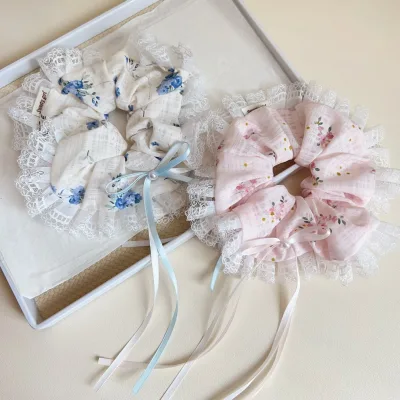

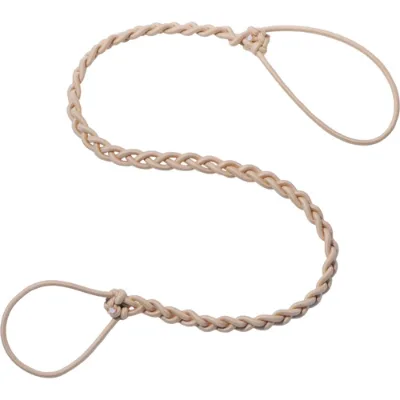
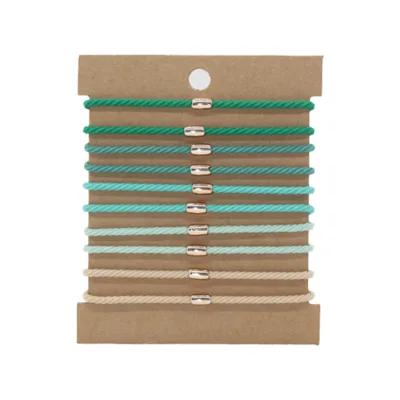
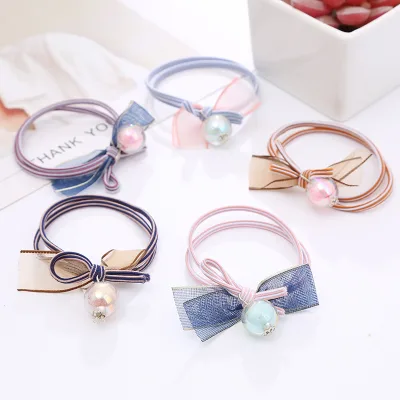


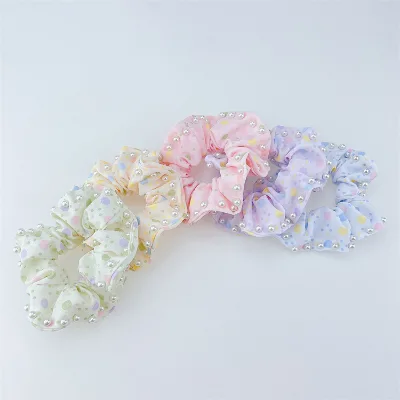
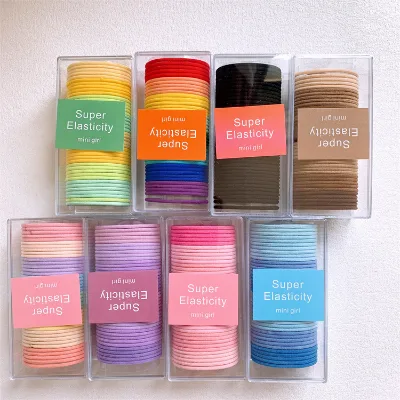

Fine Unique Hairstyles Hair Accessories to Style Ponytail Holders Elastic Hair Tie
$0.02 - $0.03
MOQ: 33000 Pieces
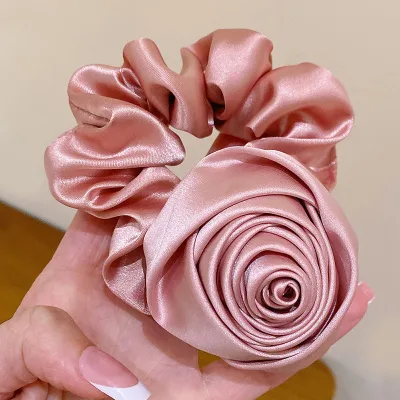
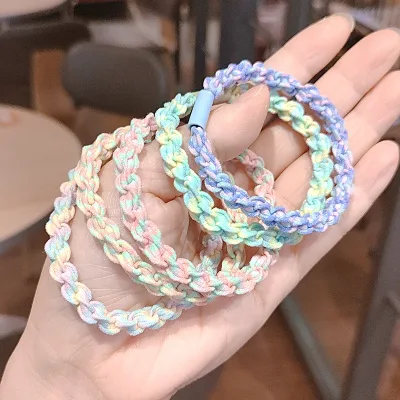


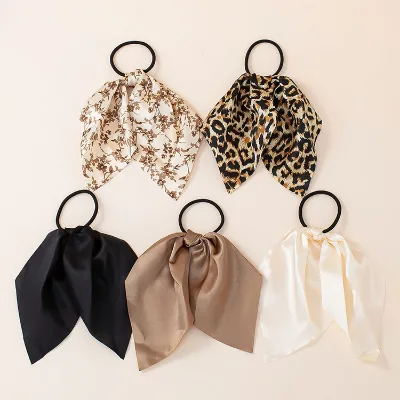
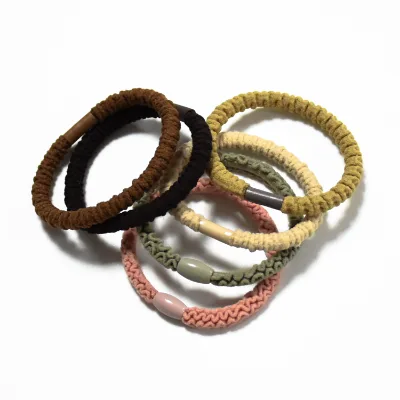
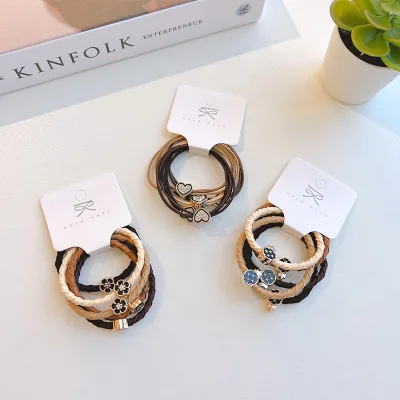
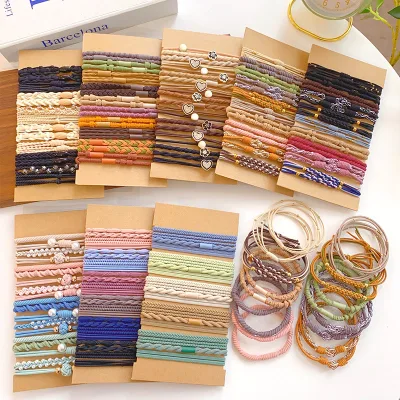


Comprehensive Sourcing Guide
Handmade Elegant Hair Ties Sourcing Guide
Sourcing Handmade Elegant Hair Ties requires a nuanced understanding of the intersection between artisanal craftsmanship and scalable manufacturing capabilities. The market for these accessories often features products that blend traditional weaving techniques with modern elastic materials to achieve a balance of durability and aesthetic appeal. Buyers must recognize that "handmade" in a B2B context frequently refers to semi-automated processes where human oversight ensures the quality of the weave, rather than purely manual production for every unit. This distinction is critical when evaluating supplier claims, as the term can imply different levels of labor intensity and cost structures depending on the specific production method employed.
The procurement strategy for this category must account for the diverse range of styles available, from floral lace designs to solid color woven options. Suppliers often cater to specific fashion trends, such as European and American styles, while also offering customization for branding and packaging. A successful sourcing initiative involves identifying vendors who can maintain the "elegant" quality of the finish while adhering to strict delivery timelines and minimum order quantities. Understanding the specific material composition, such as polyester or satin, is essential for aligning the product with the intended market segment, whether it targets daily decoration or specialized sports usage.
Product Scope and Observed Listing Signals
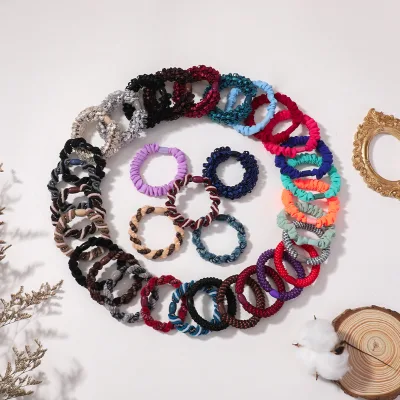
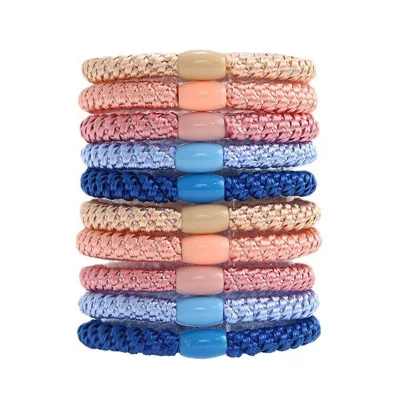
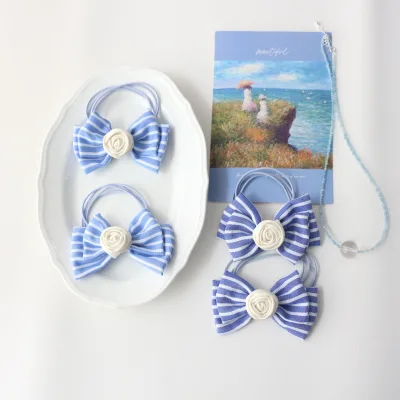
The product landscape for Handmade Elegant Hair Ties encompasses a wide variety of configurations, including spiral designs, elastic bands, and woven ties with specific decorative elements like floral lace. Listings indicate that these items are available in various sizes, ranging from compact 19cm options to larger 60cm variants, and often feature customizable dimensions to meet specific client needs. The color palette is extensive, offering solid colors such as black, khaki, and brown, as well as multi-color combinations like pink and purple or green and pink. This variety allows buyers to source products that align with seasonal trends or specific brand identities without being limited to a single aesthetic.
Commercial signals in the market reveal significant variability in minimum order quantities (MOQ), with observed ranges spanning from as low as 50 pieces to as high as 33,000 units. This disparity suggests that suppliers operate at different scales, with some catering to small boutique orders and others serving large-scale retail distribution. The packaging options also vary, with some suppliers offering standard OPP bags while others provide customized packing solutions to enhance the unboxing experience. Buyers should carefully review the selling units, which may be listed as single items or sets, to ensure the pricing structure aligns with their inventory planning and budget constraints.
Technical Specifications to Verify
When evaluating technical specifications, the material composition is a primary factor that dictates the product's feel, durability, and suitability for different hair types. The observed market includes products made from fabric, polyester, and satin, each offering distinct characteristics; for instance, satin provides a smooth texture that reduces hair breakage, while polyester offers robust elasticity and color retention. Buyers must verify the specific material grade and weave density, as these attributes directly influence the "handmade" quality and the product's ability to hold hair securely without slipping or causing damage. The presence of elements like floral lace or solid colors should be confirmed against physical samples to ensure the visual design matches the digital listing.
Dimensional accuracy and packaging metrics are equally critical for logistics and retail presentation. Specifications often list single package sizes, such as 12x12x4 cm or 12x11x2 cm, and gross weights around 0.05 kg, which are vital for calculating shipping costs and storage requirements. The size of the hair ties themselves, whether fixed at 19cm or 60cm or fully customizable, must be validated to ensure they meet the functional requirements of the target demographic, which ranges from women and girls to kids. Additionally, the model numbers, such as YG2097 or generic OEM identifiers, serve as unique references for tracking specific product iterations and ensuring consistency across repeat orders.
Compliance and Safety Documentation
While specific certification statuses like OEKO-TEX or GOTS are noted in background data, buyers should not assume these certifications are automatically included with every listing unless explicitly verified by the supplier. The safety of hair accessories, particularly those intended for children or sensitive skin, relies on the absence of harmful chemicals and the use of non-toxic dyes. Procurement teams must request current test reports or material safety data sheets (MSDS) to confirm that the fabric, elastic, and any decorative elements comply with the safety regulations of the destination market. Relying on general claims without documented proof can lead to compliance issues, product recalls, or reputational damage in regulated markets.
Documentation regarding the origin of materials and the manufacturing process is also essential for establishing a transparent supply chain. Suppliers in regions like Guangdong, China, may have varying levels of adherence to international labor and environmental standards. Buyers should inquire about the specific standards applied during the production of the "hand woven" or "elastic" components to ensure they meet the ethical sourcing policies of their organization. Verifying that the supplier can provide evidence of compliance with relevant safety standards is a necessary step before finalizing any large-scale order, ensuring that the product is safe for end-users and legally marketable.
Cost Drivers and Commercial Terms
The cost structure for Handmade Elegant Hair Ties is influenced by several key drivers, including the complexity of the weaving technique, the type of material used, and the level of customization required. Products featuring intricate floral lace or custom colors often command higher prices due to the additional labor and setup time involved. Furthermore, the choice between standard packaging and customized branding solutions can significantly impact the unit cost. Buyers must analyze the trade-off between price and value, considering that lower-priced items may use standard materials while premium options offer superior elasticity and finish.
Commercial terms, including payment methods and lead times, vary widely among suppliers and must be negotiated to align with the buyer's cash flow and inventory needs. Payment options observed in the market include PayPal, Western Union, and Telegraphic Transfer (TT), each carrying different implications for transaction security and fees. Lead times for production typically range from 7 to 15 days, with sample times varying between 3 to 7 days depending on the complexity of the request. Understanding these timelines is crucial for planning production schedules and ensuring that stock levels are maintained to meet customer demand without incurring rush fees or stockouts.
Supplier Qualification and Quality Control
Qualifying a supplier for handmade hair ties involves assessing their capability to deliver consistent quality across large batches, especially when customization is involved. Suppliers that offer mold making and sample making services demonstrate a higher level of technical proficiency and flexibility, which is essential for developing unique product designs. Buyers should verify the supplier's experience with specific styles, such as European and American designs, and their ability to maintain the "elegant" aesthetic through rigorous quality control checks. The availability of OEM and ODM services indicates that the supplier can adapt to specific branding requirements, but this capability must be backed by a proven track record of successful collaborations.
Quality control protocols should be established early in the sourcing process to prevent defects such as uneven weaving, color bleeding, or elastic failure. Buyers should request pre-shipment inspections or third-party quality assurance reports to ensure that the final products meet the agreed-upon specifications for size, color, and material. The observation of varying MOQs suggests that some suppliers may struggle with small batch consistency, so it is important to validate their quality control processes for the specific order size being placed. Establishing clear acceptance criteria and communication channels for defect resolution is vital for maintaining a reliable supply chain and protecting the brand's reputation.
Long-Term Procurement Checks
Sustaining a successful procurement relationship for Handmade Elegant Hair Ties requires ongoing monitoring of supplier performance and market trends. Buyers should regularly review the supplier's ability to meet delivery deadlines and maintain consistent quality over time, as these factors directly impact customer satisfaction and brand loyalty. The dynamic nature of fashion trends means that product specifications, such as colors and styles, may need to be updated frequently to remain relevant. Establishing a system for periodic performance reviews and feedback loops ensures that any deviations in quality or service are addressed promptly before they escalate into larger issues.
Strategic planning for long-term procurement also involves evaluating the supplier's capacity for innovation and scalability. As the market evolves, suppliers may need to introduce new materials or production techniques to stay competitive. Buyers should assess whether their current suppliers are capable of adapting to these changes and offering new product variations that align with emerging consumer preferences. Additionally, maintaining a diversified supplier base can mitigate risks associated with supply chain disruptions, ensuring that the business can continue to meet demand even if one supplier faces challenges. Regular engagement with suppliers to discuss future roadmaps and potential improvements fosters a collaborative environment that supports long-term growth.
FAQs
What materials are used for Handmade Elegant Hair Ties?
Materials include fabric, polyester, and satin depending on the specific product model. Some items feature floral lace elements while others offer solid colors. Buyers can select from various options like black, blue, or pink based on availability.
How long does it take to receive samples?
Sample times typically range from 3 to 7 days for most products. Some specific models may require 5 to 7 days or 3 to 5 days for preparation. This duration allows for quality checks before bulk production begins.
Can I customize the size and packaging?
Customization is available for size and packaging options. Buyers can request customized packing or specific dimensions like 19cm or 60cm. The supplier accepts OEM and ODM services to meet unique design requirements.
What is the minimum order quantity for these items?
Minimum order quantities vary by product, ranging from 50 pieces to 33,000 units. Specific models may require 500 pieces, 500 sets, or 1,000 pieces as a baseline. Buyers should verify the exact MOQ for their selected item.
Where are these hair ties manufactured?
Products originate from Guangdong, China. This location supports the manufacturing of various styles including European and American designs. The region provides access to established supply chains for fabric and accessory production.
What payment methods are accepted for orders?
Accepted payment methods include PayPal, Western Union, and TT. These options facilitate secure transactions for both sample and bulk orders. Buyers should confirm the specific payment terms with the supplier before finalizing the purchase.
How long is the delivery time for bulk orders?
Delivery times generally range from 7 to 15 days after order confirmation. This period covers production and shipping logistics for standard quantities. Expedited options may vary based on the specific product model and current factory capacity.