Source Hard Enamel Casting Nameplate for Branding, Decor, and Gifts
Compare 30 listings for Hard Enamel Casting Nameplate from verified suppliers. Buyers can evaluate customization options, materials like aluminum, and lead times ranging from 10 to 15 days for public and personal applications; compare the available evidence and request quotations based on your requirements.
Updated
Key considerations
Products List


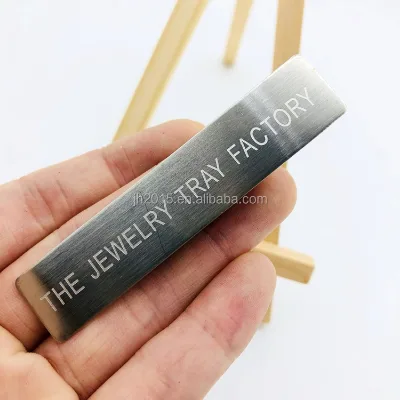
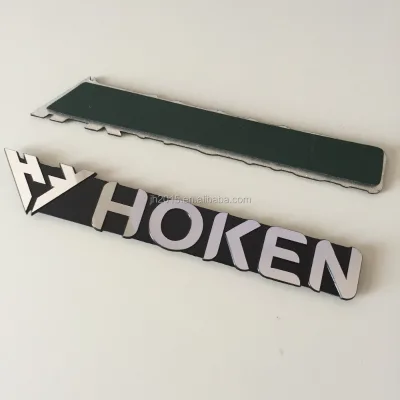
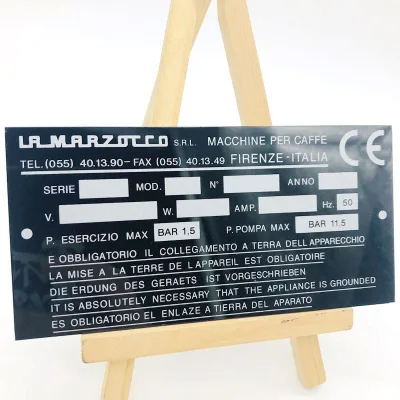

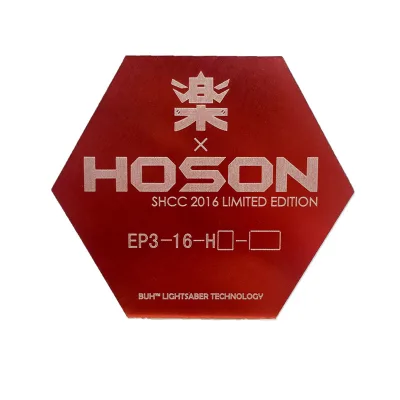
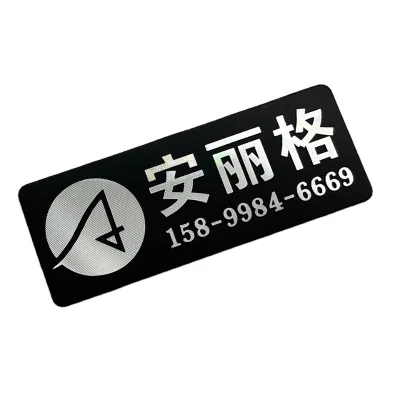


Long Lasting Industrial Nameplate with Fine Detail Etched Stainless Steel Name Plates
$0.10 - $0.95
MOQ: 200 Pieces


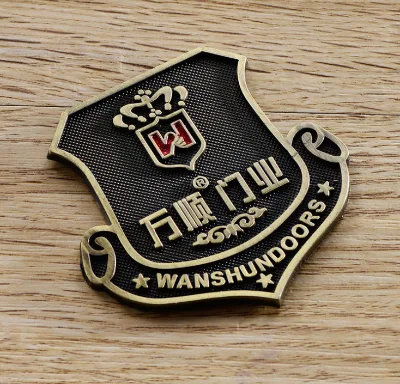
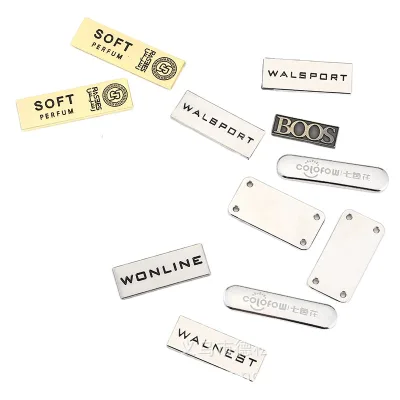
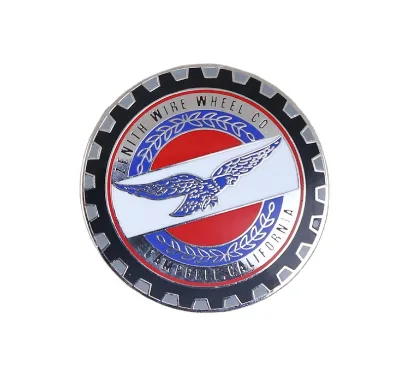
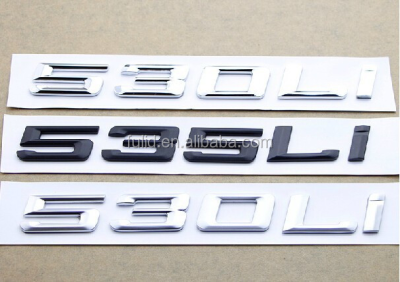
Plastic ABS Nameplate, Plastic Chrome Nameplate, Plastic ABS Nickel Plating Nameplate
$0.20 - $0.70
MOQ: 1000 Minimum
Comprehensive Sourcing Guide
Hard Enamel Casting Nameplate Sourcing Guide
Hard enamel casting nameplates combine the weight and dimensional depth of cast metal with the smooth, polished surface of hard enamel filling, making them a premium option for brand identification and decorative use. Buyers in the B2B channel encounter these products primarily through custom manufacturing listings from Chinese industrial regions, where factories offer etched and cast nameplate production under OEM and ODM arrangements. The core keyword covers a narrow but important segment: plates where raised metal borders hold colored enamel at or near surface level, then are ground and polished flat to produce a jewelry-grade finish suitable for public-facing applications.
Because the keyword is highly specific, sourcing results often mix related items such as etched metal nameplates, silk-screen printed plates, and stamped logos. Before comparing listings, define whether your project truly requires casting and hard enamel, or whether etching or printing satisfies the requirement at lower cost. Listings observed under this product family emphasize customization as the default selling point—customized logos, custom sizes, and custom shapes appear consistently—so buyers should prepare artwork and dimensional drawings early, since suppliers in this segment typically quote only after receiving complete specifications.
Product Scope and Observed Listing Signals
Observed listings in this category present a consistent product profile. Materials are described as aluminum or aluminum alloy, with some listings generalized to metal. Surface finish is listed as glossy, with edges described as ground or polished and either flat or round. The vertical form factor, silver color, and nameplate usage recur across listings, as does customization of logo, size, and shape. Techniques include etching with related processes, and some listings specify silk screen printing as a secondary decoration method. Packing is described as standard, as buyer requirements, or as safe exportation packing, indicating export-oriented suppliers.
Application signals are broad but instructive. Listings cite public applications, art and collectible use, souvenirs, promotion gifts, home decorations, commerce gifts, collection items, religious crafts, and personal decorations. Suitability for outdoor use and indoor/outdoor location appear as stated attributes. Attachment options include self-adhesive backing, which matters for buyers planning surface mounting rather than mechanical fastening. Export market is described as global, and origins cluster in Guangdong and Zhejiang, China, with Shenzhen specifically named. Brand names such as JH appear in some model listings, alongside model references like Nameplate 33, Nameplate 2020, metal nameplates, and L090.
Technical Specifications to Verify
Size is universally listed as customized, so buyers must supply exact dimensions, thickness, and tolerance expectations in writing. Confirm the base material specification—aluminum alloy grade versus generic metal—affects weight, corrosion behavior, and casting detail, and should be documented on the purchase order rather than left to the supplier's discretion. Ask how the casting and enamel processes interact with your design: fine text, thin borders, and multi-color areas each impose limits that the factory should confirm against your artwork before tooling. Request a pre-production sample representing your actual enamel colors.
Edge treatment is a stated variable—edges ground or polished, flat or round—so specify which profile you require and inspect sample edges under magnification, since hard enamel quality is judged largely by surface flatness and polish consistency. For attachment, confirm whether self-adhesive backing is included, its coverage area, and its expected performance on your mounting surface. If the plate will serve outdoors, ask the supplier to state which material, plating, and enamel combinations they recommend for outdoor exposure, and record that recommendation as part of the approved specification.
Compliance and Safety Documentation
One certification appears across observed listings—ISO—so buyers should request the supplier's current ISO certificate and verify its scope covers the relevant manufacturing processes rather than only administrative functions. Do not assume additional certifications exist: listings provide no evidence of material compliance documents, RoHS declarations, REACH statements, or consumer product safety test reports, so any such requirements must be raised explicitly during RFQ. If nameplates will be sold into regulated markets or applied to children's products, food-adjacent goods, or electrical equipment, identify the applicable regulations yourself and ask the supplier to confirm whether their materials and inks can meet them.
Because enamel pigments, plating chemistries, and adhesives vary by factory, request written disclosure of the substances used in the color fill, plating layer, and self-adhesive backing where relevant. For outdoor-declared products, ask what evidence supports that suitability claim—an acceleration test, prior field use, or supplier judgment—and treat unsupported claims as unverified. Retain certificates, material declarations, and correspondence as part of your product file, and state in the contract that documentation must be refreshed or reconfirmed at defined intervals during the supply relationship.
Cost Drivers and Commercial Terms
Observed MOQs in this category range from 500 pieces to 1000 pieces, so buyers below those volumes should expect quotation resistance or surcharges, while larger programs may negotiate tiered pricing. Customization itself drives cost: bespoke sizes, non-standard shapes, multiple enamel colors, and ground or polished edge work each add process steps. Casting tooling is typically a one-time investment; ask whether tooling fees apply, whether they amortize at stated volumes, and who owns the tooling. Silk screen printing, plating variations, and special packing beyond standard export packing are additional cost levers to clarify at quotation stage.
Observed lead times run 10–15 days, but that range likely applies after artwork approval and tooling completion; confirm the calendar impact of sample iterations, and build buffer time into launch schedules. Listings show a very wide price span, from a few cents to thousands of dollars per unit across the broader category, reflecting size and process differences—so compare quotes only on identical specifications. Agree on Incoterms, payment terms, currency, and price validity in writing. For repeat orders, negotiate a framework agreement locking specifications and defining how price adjusts when material or volume changes.
Supplier Qualification and Quality Control
Prioritize suppliers whose listings demonstrate relevant process capability: those stating machinery processing, etching technique, plating capability, and edge polishing show a fuller production chain than trading intermediaries. Origin clusters in Shenzhen, Guangdong, and Zhejiang suggest mature nameplate manufacturing ecosystems; verify whether a listed company manufactures in-house or subcontracts casting and enamel work, since subcontracting affects quality control and lead time. Ask for factory photos, process flow descriptions, and references from comparable custom nameplate programs before committing to tooling.
Structure quality control around the customized nature of the product. Approve a golden sample covering dimensions, color, gloss, edge profile, and attachment, and reference it in the purchase order. Define inspection points: first-article approval before mass production, in-process checks on enamel fill and polish, and final inspection with an agreed acceptance sampling plan. Specify how defects—color deviation, surface pits, incomplete fill, adhesive failure—are classified and remediated. For first orders, consider third-party inspection before shipment. Keep rejected-sample records to establish an objective baseline for dispute resolution on later batches.
Long-Term Procurement Checks
Sustained supply of a customized product depends on controlled documentation. Maintain a specification file containing approved artwork, dimensional drawings, material and color references, the golden sample identification, and the packing standard—listings indicate packing may be standard, per buyer requirements, or safe export packing, so fix your requirement in the file. Reconfirm specifications at each reorder rather than relying on the supplier's memory, and require written acknowledgment that no process or material changes occur without notification.
Monitor supplier performance with simple metrics: on-time delivery against the quoted lead time, defect rates by batch, and responsiveness to quality claims. Review certification validity annually and ask for updated ISO documentation when certificates expire. Diversification is prudent in this segment: qualify a second capable source, using the same specification file, so a single factory's disruption does not halt your program. Finally, revisit commercial terms periodically—if your volumes have grown, tooling amortization, MOQ, and unit pricing are typically renegotiable, and documenting these improvements formally protects the value you have built with the supplier relationship.
FAQs
What materials are used for these nameplates?
These nameplates are primarily manufactured from aluminum or aluminum alloy. The material selection ensures durability for both indoor and outdoor applications. The metal substrate provides a solid foundation for various surface finishes, including glossy treatments and etching techniques, ensuring long-term performance in public or commercial settings.
Can I customize the logo and design?
Yes, customized OEM and ODM services are available for these nameplates. Buyers can request customized logos, specific sizes, and unique shapes to match their brand identity. The production process supports creative styles and European or American design preferences, allowing for tailored solutions that meet specific aesthetic and functional requirements.
What is the typical lead time for orders?
The standard lead time for production is typically 10 to 15 days. This timeframe applies to most customized orders, including those requiring specific surface finishes or etching techniques. Buyers should account for this duration when planning their procurement schedules, especially for bulk orders that may require additional processing or quality assurance steps.
What is the minimum order quantity required?
The minimum order quantity varies by supplier, generally ranging from 100 to 1000 pieces. Some listings specify an MOQ of 500 pieces, while others require 1000 pieces. Buyers should verify the specific MOQ with their chosen supplier, as this threshold can impact pricing tiers and production scheduling for custom metal nameplate orders.
Are these nameplates suitable for outdoor use?
Yes, these nameplates are suitable for both indoor and outdoor applications. The aluminum alloy construction and surface treatments like glossy finishes or etching provide resistance to environmental factors. The products are designed to maintain their appearance and functionality in public spaces, making them ideal for durable identification and decorative purposes in various settings.
What certifications do the products hold?
The products are certified with ISO standards, ensuring quality management and production consistency. This certification indicates that the manufacturing processes meet international requirements for quality and reliability. Buyers can rely on these certifications as a baseline for product quality, particularly when sourcing nameplates for commercial or public use where compliance is essential.