Source Heated Electric Bolster Pillow for Office, Hotel, Home
Explore 30 listings for the Heated Electric Bolster Pillow, featuring options with mechanical kneading, heating functions, and various battery capacities. Buyers can compare specifications like working time, voltage, and dimensions to find suitable fatigue elimination solutions for office workers, hotel guests, and household use.
Key considerations
Products List


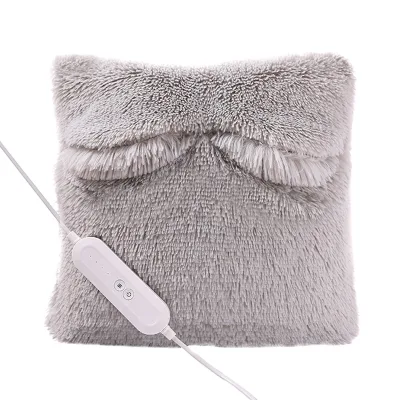


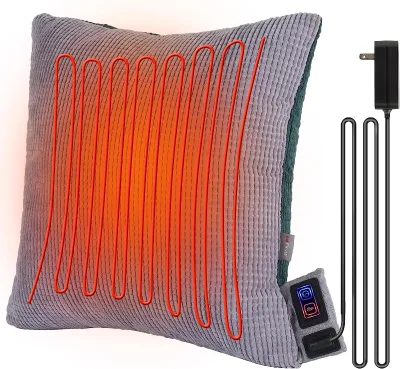

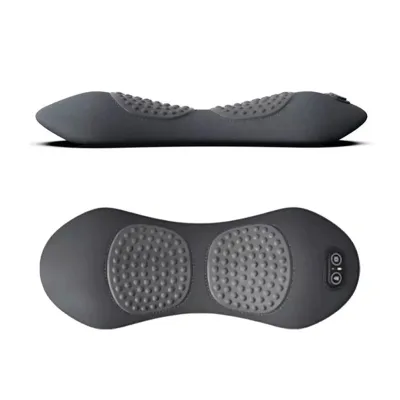
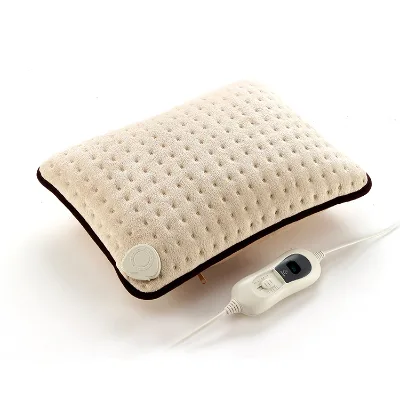


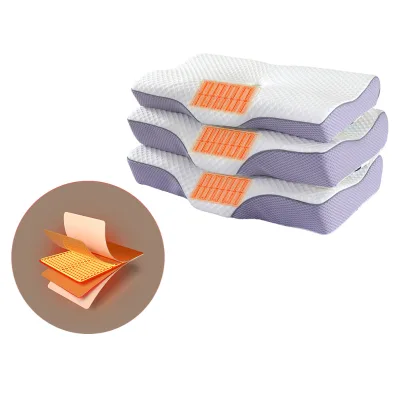
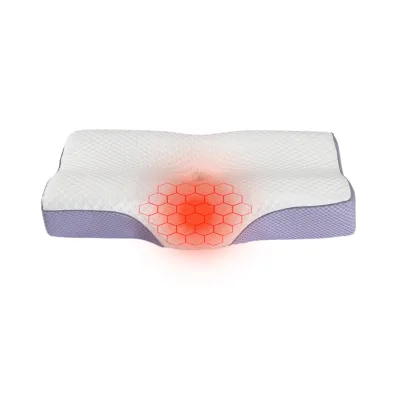
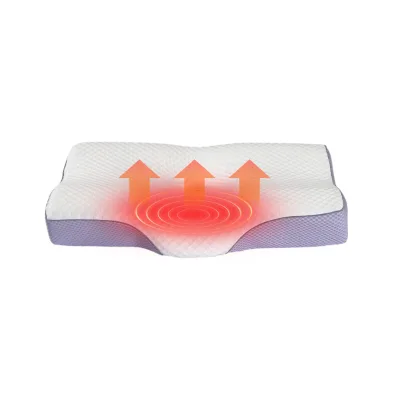

Car Home Electric Massage Pillow Neck Shoulder Back Massager Pillow with Heat
$19.20 - $23.00
MOQ: 200 Pieces


Comprehensive Sourcing Guide
Strategic Sourcing Guide for Heated Electric Bolster Pillows
The global market for personal wellness devices has seen a significant surge in demand for heated electric bolster pillows, driven by a growing consumer awareness of posture health and the need for fatigue elimination in both professional and domestic settings. For B2B procurement professionals, navigating this category requires a disciplined approach that distinguishes between marketing narratives and verifiable product attributes. This guide synthesizes observed market data and technical specifications to provide a framework for sourcing high-quality electric massagers, specifically focusing on bolster-style units designed for neck, shoulder, and back relief. Buyers must prioritize evidence-based evaluation over generic claims to ensure supply chain reliability and product safety.
Technical Architecture and Functional Specifications
The core functionality of a Heated Electric Bolster Pillow relies on the integration of mechanical kneading systems with thermal therapy elements. Based on observed product data, the primary operational mechanism involves a combination of mechanical kneading and heating functions. These devices typically utilize electric motors to simulate human hand movements, such as backward massage or kneading, targeting specific muscle groups. The thermal component is a critical differentiator, with observed operating temperatures ranging between 38°C and 45°C. This range is generally considered safe for therapeutic use, aiming to increase blood circulation and relax tense muscles without causing thermal injury.
Power systems vary significantly across different models, influencing portability and runtime. Some units are designed with internal battery packs, such as a 2200mAh capacity, which supports a working time of approximately 90 minutes on a single charge. Other models may feature lower capacity batteries, such as 700mAh, offering a shorter operational window of 60 minutes. The charging infrastructure is equally diverse; while some units require a standard 5V input, others may utilize higher voltage systems like 7.4V. Charging times can be substantial, with observed durations ranging from 160 minutes to 240 minutes. Procurement teams must verify that the input voltage and charging time align with the target market's electrical standards and user expectations for convenience.
The physical dimensions of these units are also a key technical consideration. Observed specifications indicate a wide variance in size, with some models measuring approximately 380mm in length, while others are more compact at 210mm. The standard packaging dimensions often reflect the product size, with carton sizes varying from 379120278mm to larger configurations like 400150380mm. These dimensions dictate the internal packaging requirements and the logistics costs associated with shipping. Furthermore, the product weight and material composition, often housed in a carton, must be evaluated to ensure durability during transit and ease of use for the end consumer.
Compliance, Safety Standards, and Certification Verification
In the realm of electrical wellness devices, compliance is not merely a regulatory formality but a fundamental requirement for market access and consumer trust. While specific certification statuses cannot be assumed for all listed products, buyers must rigorously verify that manufacturers adhere to international safety standards. The supply chain data indicates that products originate from regions like Hebei, China, where manufacturing capabilities are robust, but regulatory oversight varies.
Buyers should explicitly request documentation regarding electrical safety, such as UL, CE, or RoHS compliance, depending on the destination market. The presence of a "Low-confidence background" regarding Oeko-Tex standards suggests that while some products may claim textile safety, this should not be taken as a universal attribute. Instead, procurement teams must treat such claims as observations requiring validation. The operating temperature of the heating element, observed up to 45°C, necessitates thermal safety testing to prevent burns. Additionally, the electrical components, including the battery and charging circuitry, must undergo rigorous testing for short-circuit protection and overheat prevention.
When evaluating suppliers, it is essential to confirm that the product model numbers, such as uCosy-6820 or uNeck-6828, correspond to specific, tested prototypes. The absence of a universal standard for "heated electric bolster pillows" means that each model may have unique safety profiles. Buyers should demand test reports that specifically address the thermal and electrical risks associated with the device's specific voltage and battery configuration. Relying on general industry knowledge without verifying specific test results for the targeted model can lead to significant liability issues.
Cost Drivers and Pricing Dynamics
The pricing structure for heated electric bolster pillows is influenced by a complex interplay of factors, including battery capacity, heating technology, and customization options. Observed market data reveals a price range between $4 and $25.45 USD. This wide disparity suggests that the lower end of the spectrum likely corresponds to basic models with smaller batteries and simpler mechanical functions, while the higher end reflects units with advanced features, larger capacities, and premium packaging.
Battery technology is a primary cost driver. Models featuring a 2200mAh battery with a 90-minute working time command a higher price point compared to those with 700mAh batteries and 60-minute runtimes. The inclusion of heating elements, particularly those capable of maintaining a precise temperature range like 45°C, also adds to the manufacturing cost. Furthermore, the complexity of the mechanical kneading system, which may involve multiple motors or advanced gear mechanisms, contributes to the overall unit cost.
Customization is another significant factor. The availability of customization options, such as OEM branding, laser printing of logos, and tailored packaging, can influence the final price. While basic models may be sold in standard cartons, custom orders often require color boxes and specific carton quantities, such as 12 pieces per carton, which can increase the per-unit cost due to the setup and labor involved. Buyers must balance the desire for branding and customization against the budget constraints, understanding that higher customization levels often result in higher minimum order quantities (MOQs) and longer lead times.
Typical Applications and Target Demographics
Understanding the intended application of the product is crucial for aligning procurement with market demand. The observed data indicates that these devices are suitable for a diverse range of users, including white-collar workers, office workers, and general household consumers. The primary function is fatigue elimination, making these products highly relevant for individuals who spend long hours sitting at desks or engaging in repetitive physical tasks.
The applicability extends to various body parts, with specific models targeting the neck, shoulder, waist, and legs. This versatility allows for a broader market reach, as the same product can be marketed for office ergonomics, post-workout recovery, or general home relaxation. The "Adjuvant Therapy" and "Cosmetology" functions observed in some product attributes suggest that these devices may also be positioned for use in professional wellness settings, such as hotels, spas, or beauty salons.
The operating environment is another consideration. While many units are designed for household use, some specifications mention applicability in hotels and garages, indicating a need for durability and versatility in different settings. The inclusion of features like an auto-timer, set to 15 minutes, ensures that the device can be used safely without constant supervision, which is a key selling point for busy professionals. Buyers should evaluate the specific application scenarios of their target customers to select the most appropriate model, ensuring that the device's features align with the user's daily routine and physical needs.
Supplier Evaluation and Quality Control Protocols
Selecting the right supplier requires a thorough evaluation of their manufacturing capabilities, quality control processes, and ability to meet specific product requirements. The supply chain data indicates that many products originate from China, with specific regions like Hebei being noted as places of origin. Buyers should verify the supplier's production capacity, particularly regarding the ability to handle custom orders and maintain consistent quality across large batches.
Quality control should be a central component of the procurement strategy. Given the electrical nature of the products, rigorous testing is essential to ensure safety and performance. Buyers should implement a quality assurance plan that includes pre-production sample verification, in-process inspections, and final random inspections. Key areas to focus on include the integrity of the battery, the consistency of the heating element, and the durability of the mechanical components. The packaging, often described as a carton or color box, must also be inspected to ensure it protects the product during transit and meets the branding requirements.
When evaluating suppliers, it is important to look for transparency in their operations. Suppliers should be willing to provide detailed specifications, test reports, and production timelines. The ability to offer customization, such as logo printing and packaging design, is a strong indicator of a supplier's flexibility and commitment to meeting client needs. However, buyers must remain vigilant against inflated claims and ensure that all assertions are backed by verifiable evidence.
Long-Term Procurement Considerations and Sustainability
Sourcing heated electric bolster pillows is not just a one-time transaction but a long-term partnership that requires strategic planning. Buyers should consider the lifecycle of the product, including maintenance, repair, and end-of-life disposal. The use of lithium-ion batteries, common in these devices, raises environmental concerns that must be addressed through proper recycling programs and compliance with waste electrical and electronic equipment (WEEE) regulations.
Sustainability is becoming an increasingly important factor in B2B procurement. Buyers should inquire about the materials used in the product construction, seeking options that are recyclable or made from sustainable sources. The packaging, which often includes cardboard cartons and plastic inserts, should be evaluated for its environmental impact. Opting for suppliers who use eco-friendly packaging materials can enhance the brand's reputation and align with corporate sustainability goals.
Furthermore, the long-term viability of the product depends on the availability of spare parts and technical support. As the product evolves, buyers should ensure that their suppliers can provide updates and improvements to the design. This includes staying informed about new battery technologies, more efficient heating elements, and advanced control systems. By fostering a collaborative relationship with suppliers, buyers can ensure a steady supply of high-quality products that meet the evolving needs of their customers.
Comparative Analysis of Product Attributes
To facilitate decision-making, the following table summarizes the key technical attributes observed across different product models. This comparison highlights the variations in battery capacity, working time, and dimensions, which are critical factors in selecting the right product for specific market segments.
| Attribute | Model uCosy-6820 | Model uNeck-6828 | Model uNeck-5800 |
|---|---|---|---|
| Product Name | Massage Pillow | Neck Massager | Neck Massage Pillow |
| Battery Capacity | 2200mAh | 7.4V 2200mAh | 700mAh |
| Working Time | 90min | 90min | 60min |
| Charge Time | N/A | 240min | 160min |
| Temperature | N/A | 45°C | 38/42+3°C |
| Dimensions | 400150380mm | 379120278mm | 210200108mm |
| Packing | Carton | 1PCS/Packing Box | Color Box |
| Functions | Heating, Kneading | Heating, Kneading | Heating, Kneading |
This table illustrates the diversity in product specifications available in the market. Buyers must carefully assess these differences to determine which model best suits their specific requirements. The variation in battery capacity and working time, for instance, may dictate the suitability of a product for different use cases, such as short office breaks versus extended home therapy sessions. By leveraging this data, procurement professionals can make informed decisions that align with their strategic objectives and customer needs.
FAQs
What functions do heated electric bolster pillows offer?
These devices primarily provide fatigue elimination and mechanical kneading with heating capabilities. Some models also support metabolism increasing and adjuvant therapy functions for comprehensive muscle relief and wellness.
Which battery capacity options are available for these massagers?
Observed models feature battery capacities ranging from 700mAh to 2200mAh. Higher capacity units typically support a working time of 90 minutes, while lower capacity versions offer approximately 60 minutes of operation.
Can buyers request customization for branding and packaging?
Yes, customization is available for logos, graphic designs, and packaging types. Suppliers can apply laser printing for branding and offer options like color boxes or standard cartons depending on order requirements.
What are the typical operating temperatures for the heating element?
The heating elements operate within a safe therapeutic range of 38°C to 45°C. This temperature spectrum is designed to increase blood circulation and relax muscles without causing thermal injury to the user.
How long does it take to fully charge the battery?
Charging times vary by model, ranging from 160 minutes to 240 minutes. Most units require a 5V input, though some specific models may utilize a 7.4V system for power delivery.
Which body parts can these electric massagers target effectively?
The devices are designed to target the neck, shoulder, waist, and legs. Specific models focus on the neck and shoulder areas, while others provide broader coverage for full-body fatigue elimination.
What is the standard packaging configuration for these products?
Products are typically packed in cartons or color boxes with quantities ranging from 1 to 12 pieces per carton. Dimensions vary by model, with standard carton sizes accommodating the specific product footprint.