Source Heated Massage Car Seat Cushion for Office, Travel, and Home Use
Source the Heated Massage Car Seat Cushion from 30 verified listings. Compare features like 12V voltage, 9 massage modes, and universal fitment to find the right supplier for your business needs.
Key considerations
Products List


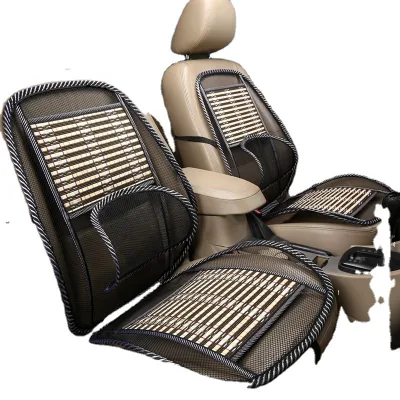
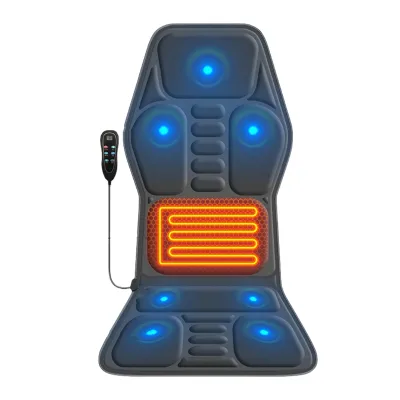


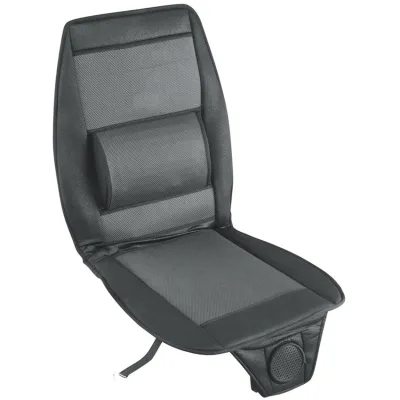
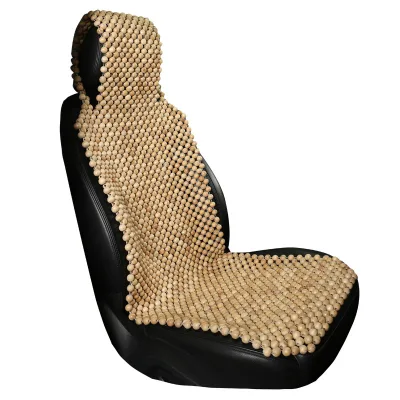


Comprehensive Sourcing Guide
Heated Massage Car Seat Cushion Sourcing Guide
Sourcing heated massage car seat cushions requires a careful balance between functional performance, electrical safety, and commercial viability. These products are designed to enhance driver comfort by providing thermal therapy and mechanical massage, addressing common issues such as muscle fatigue and poor circulation during long drives. Buyers must navigate a market where specifications vary significantly, from simple heating elements to complex multi-mode massage systems with cooling functions. Understanding the technical nuances and supply chain dynamics is essential for selecting a product that meets both end-user expectations and regulatory requirements.
The procurement process involves evaluating multiple dimensions, including material composition, power requirements, and customization options. Many suppliers offer universal fitment designs, which simplifies integration into various vehicle types but demands rigorous quality control to ensure proper installation and stability. Additionally, the rise of OEM branding opportunities allows retailers to create exclusive product lines, though this often comes with higher minimum order quantities and longer lead times. A structured approach to verification and supplier assessment is necessary to mitigate risks associated with electrical components and mechanical durability.
Product Scope and Observed Listing Signals
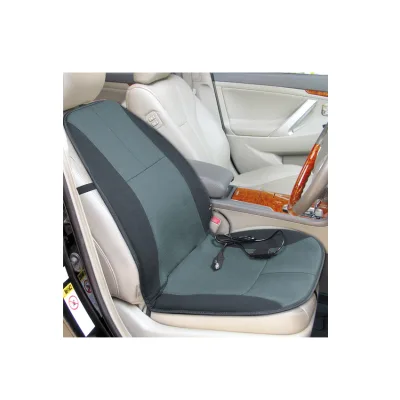
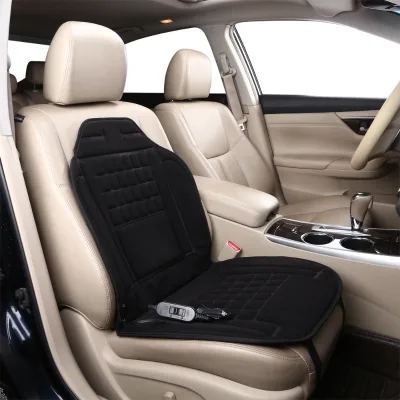
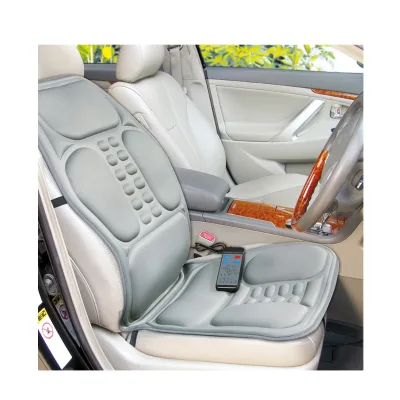
The current market landscape for heated massage car seat cushions reveals a diverse range of product configurations and feature sets. Listings indicate that these cushions often serve as universal accessories, designed to fit a wide array of vehicle seats without requiring permanent modification. Common attributes observed include knitted fabric materials, such as compound mesh pressure lines, which provide breathability and durability. The shapes are typically square or rectangular, with specific dimensions like 100*50 cm noted for certain models, ensuring adequate coverage for standard car seats. Buyers should note that while "universal" is a common claim, fitment can vary based on seat contour and headrest presence.
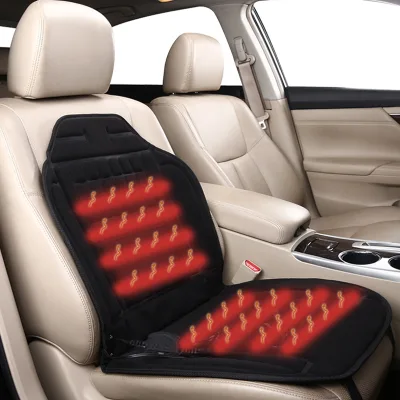
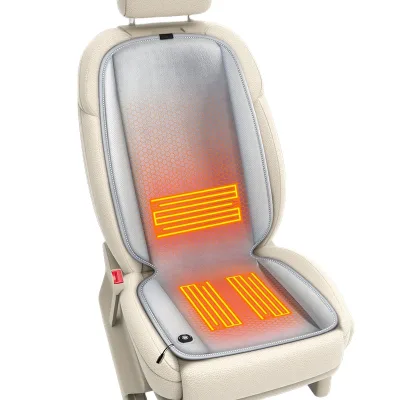
Functional capabilities extend beyond basic heating, with many products offering advanced features such as massage, cooling, and timing controls. Some models boast multiple massage modes, including vibration at fixed points, while others integrate cooling functions for year-round usability. The power source is predominantly 12V DC, aligning with standard automotive electrical systems, which simplifies installation via cigarette lighter ports. However, the presence of electronic components introduces variability in performance and safety standards. Buyers must distinguish between basic heating-only models and complex units with integrated massage motors and cooling fans, as these differences significantly impact cost and reliability.
Technical Specifications to Verify
Verifying technical specifications is critical to ensuring that the purchased cushions perform as expected and integrate safely with vehicle electrical systems. Key parameters to confirm include voltage ratings, typically 12V, and power consumption levels, which affect battery drain and overall efficiency. Buyers should request detailed schematics or datasheets that outline the electrical circuitry, particularly for models with multiple functions like heating, massage, and cooling. It is also essential to verify the type of connectors used, ensuring they are compatible with standard automotive plugs and resistant to wear and tear from frequent insertion and removal.
Material composition and construction quality are equally important factors that influence comfort and longevity. The outer fabric, often described as knitted or made from polyester blends, should be tested for abrasion resistance and ease of cleaning. Internal components, such as heating wires and massage motors, must be securely embedded to prevent shifting or damage during use. Buyers should inquire about the thickness of the cushion, with some models specifying 1cm thickness, and the backing material, which should provide stability without slipping on the seat. Additionally, single package dimensions and gross weight are useful for calculating shipping costs and storage requirements, especially for large-volume orders.
Compliance and Safety Documentation
Electrical safety is paramount when sourcing products that plug into a vehicle’s power system. Buyers must ensure that suppliers provide appropriate certification documentation, such as CE marks, to verify compliance with regional safety standards. These certifications indicate that the product has undergone testing for electrical shock, overheating, and short-circuit protection. It is crucial to request copies of test reports from accredited laboratories, focusing on specific tests relevant to automotive accessories, such as vibration resistance and thermal stability. Without proper documentation, buyers risk liability issues and potential harm to end-users.
Beyond electrical safety, buyers should also consider environmental and material safety regulations. Depending on the target market, there may be restrictions on the use of certain chemicals in fabrics or adhesives. Suppliers should be able to provide material safety data sheets (MSDSDs) and confirm that their products comply with relevant environmental directives. Additionally, warranty terms, such as a one-year warranty mentioned in some listings, should be clearly defined in the contract. This ensures that buyers have recourse in case of premature failure or defects, protecting their brand reputation and customer satisfaction.
Cost Drivers and Commercial Terms
Several factors influence the final cost of heated massage car seat cushions, including material quality, feature complexity, and order volume. Products with multiple functions, such as heating, massage, and cooling, typically command higher prices due to the increased number of components and assembly steps. Customization options, such as OEM logos or specific packaging, also add to the cost, as they require additional setup and production time. Buyers should analyze the price-to-feature ratio to determine the best value for their target market, considering that higher-priced items may offer better durability and performance.
Minimum order quantities (MOQs) and lead times are significant commercial terms that affect procurement planning. Listings show a wide range of MOQs, from 100 pieces for some models to 3000 pieces for others, reflecting the flexibility of different suppliers. Lead times can vary, with some suppliers indicating a production time of 30 days, which buyers must account for in their inventory management. Negotiating favorable terms, such as reduced MOQs for initial trials or expedited shipping for urgent orders, can provide a competitive advantage. Buyers should also consider payment terms and currency exchange risks, especially when sourcing from international suppliers.
Supplier Qualification and Quality Control
Selecting a reliable supplier is essential for maintaining product quality and supply chain stability. Buyers should conduct thorough due diligence, including verifying the supplier’s business license, production capacity, and quality management systems. Suppliers located in manufacturing hubs like Zhejiang, China, often have established supply chains and expertise in automotive accessories, but this does not guarantee consistent quality. It is advisable to request samples for rigorous testing before placing large orders, evaluating aspects such as heating uniformity, massage effectiveness, and material durability.
Quality control processes should be clearly defined and enforced throughout the production cycle. Buyers should inquire about the supplier’s inspection protocols, including pre-production, during-production, and pre-shipment inspections. Implementing a third-party inspection service can provide an additional layer of assurance, identifying defects before the goods are shipped. Clear communication of quality standards and acceptable defect rates is crucial to avoid disputes. Additionally, suppliers should be willing to collaborate on continuous improvement initiatives, addressing any issues that arise during the initial sales period.
Long-Term Procurement Checks
Sourcing heated massage car seat cushions is not a one-time transaction but an ongoing relationship that requires regular evaluation and adjustment. Buyers should monitor product performance in the market, collecting feedback from end-users to identify any recurring issues or areas for improvement. This feedback loop can inform future design changes or supplier negotiations, ensuring that the product remains competitive and meets evolving customer expectations. Regular audits of supplier performance, including on-time delivery rates and quality consistency, are necessary to maintain a reliable supply chain.
As technology and regulations evolve, buyers must stay informed about new standards and innovations in the automotive accessory market. This includes updates to electrical safety regulations, changes in material restrictions, and advancements in massage and heating technologies. Proactive engagement with suppliers to discuss these developments can lead to better product offerings and stronger partnerships. By maintaining a strategic approach to procurement, buyers can mitigate risks, optimize costs, and deliver high-quality products that enhance driver comfort and satisfaction.
FAQs
What materials are used for the car seat cover?
The product uses Compound Mesh Pressure Line with 1cm thickness for the cover material. The backing material is listed as universal, and the main fabric composition includes polyester. These materials support the knitted technical construction of the seat cushion.
Can I customize the logo on the product?
Yes, OEM logo customization is available for this item. Buyers can request specific branding through the accepted OEM service. This allows businesses to brand the heating and massage seat cushion with their own identity before shipping.
What is the minimum order quantity for this cushion?
The minimum order quantity varies by listing, with observed values of 800 pieces, 500 sets, or 1000 pieces. Some suppliers may accept orders as low as one unit, while others require up to 3000 units. Buyers should verify the specific MOQ with the vendor.
How long does production take for this order?
The standard production time for this item is 30 days. This lead time applies to the manufacturing of the universal fit seat cushion with heating and massage functions. Buyers should account for this duration when planning their inventory replenishment schedules.
What functions does the heated massage cushion offer?
The cushion provides heating, massage, and cooling functions with nine distinct massage modes. It features seven fixed points for vibration massage and includes timing control capabilities. The device operates on a 12V voltage system suitable for vehicle use.
Where is the product manufactured and shipped from?
The product originates from Zhejiang, China, with shipping ports available in Shanghai and Ningbo. The place of origin is confirmed as Zhejiang, China Mainland. This location supports the manufacturing of the universal fit car seat cushion for global distribution.
What packaging is used for the single item?
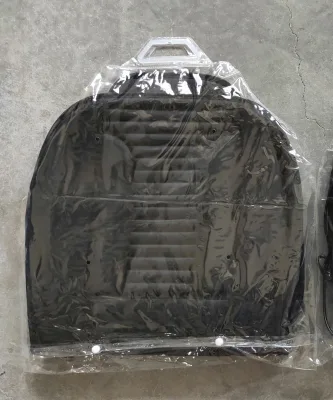
The single item is packaged in an OPP bag with a color card or a PVC bag. The single package size measures approximately 95 by 45 by 3 cm with a gross weight of 0.250 kg. Some variants may use a gift box measuring 51 by 16 by 31 cm.