Source Heated Black Inner Wears for winter, outdoor, and cold weather
Find 30 verified listings for Heated Black Inner Wears designed for winter, outdoor activities, and cold weather applications. Buyers can compare specifications like material, size, and features from manufacturers in China to select the right option for their needs.
Key considerations
Products List


Women's Heated Jacket with Internal Heating System and Detachable Hood
$24.50 - $45.90
MOQ: 1000 piece


Sexy All Over Print One-Piece Swimsuit Hollow and Ring in Middle Front Swimwear
$2.99 - $7.90
MOQ: 300 Pieces



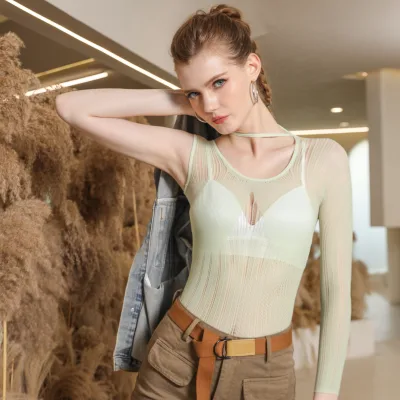
Charming New Style Pretty Mesh Sexy Hollow Out Longsleeve Bodysuits for Sale
$4.75 - $7.50
MOQ: 20 pieces
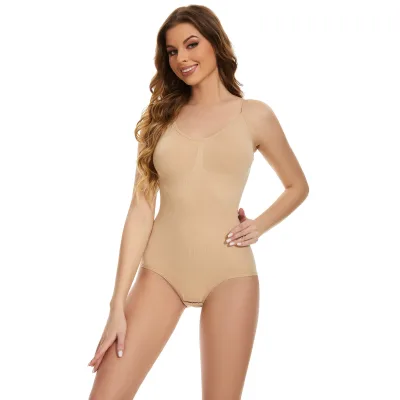
New Pattern Fashion Sexy Compression Ventilate Hollow Out Bodysuit for Sale
$4.85 - $7.65
MOQ: 20 pieces

Comprehensive Sourcing Guide
Strategic Sourcing Guide for Heated Black Inner Wears
The global demand for Heated Black Inner Wears has surged as cold-weather protection evolves from passive insulation to active thermal management. For B2B procurement professionals, sourcing these items requires a nuanced understanding of the intersection between textile engineering, electrical safety, and supply chain logistics. The market segment encompasses a diverse range of products, from heated vests designed for high-intensity outdoor labor to specialized bodysuits targeting specific thermal regulation needs. This guide provides a disciplined framework for evaluating suppliers, verifying technical specifications, and mitigating procurement risks associated with these specialized garments.
Technical Specifications and Material Composition
The foundation of any successful procurement strategy for heated inner wear lies in the precise definition of technical specifications. Unlike standard apparel, heated garments integrate electrical components with textile substrates, creating a complex product architecture. The material composition is a primary differentiator. Market observations indicate a split between high-performance synthetic blends and specialized functional fabrics. One prevalent configuration involves a blend of 95% Polyester and 5% Spandex, offering a balance of durability and stretch. Another segment utilizes a mix of Spandex and Nylon, prioritizing elasticity and moisture management. In contrast, some offerings are constructed from 100% Polyester, which may offer specific cost advantages or distinct thermal retention properties.
The physical attributes of the garment are equally critical. Sourcing teams must verify the closure type, with zippered closures being a standard feature for ease of wear and component access. Collar styles vary, ranging from Crew Neck designs to V-Neck options, each serving different layering strategies. The clothing length is another variable; while some heated vests are categorized as "Other" or short-length for maximum mobility, others are designed as Medium Length bodysuits. Weight is a significant factor for comfort and portability; specific listings indicate a unit weight of approximately 680g, which buyers must consider against the intended use case.
Furthermore, the sizing standards must be clearly defined. While some products adhere to a standard range of S/M/L/XL/XXL/XXXL, others offer a broader spectrum from S to XXL. Customization is a key attribute in this sector, with many suppliers offering customizable sizing and standard production runs. The color palette for these items is predominantly Black, with some variations including Red accents, though Custom color options are frequently available for bulk orders.
Compliance, Certification, and Electrical Safety
Electrical safety is the non-negotiable pillar of sourcing heated inner wear. Because these products involve heating elements powered by batteries or direct current, they must adhere to rigorous international safety standards. Procurement teams must verify that suppliers possess valid certifications. Observed market data confirms the presence of CE and RoHS certifications, which are essential for selling in the European Union and other regulated markets. The CE mark indicates conformity with health, safety, and environmental protection standards, while RoHS ensures the absence of specific hazardous substances.
Buyers should not assume that all listed products meet these standards without explicit verification. The presence of a certification label on a product page does not guarantee that every unit in a production run is compliant. It is imperative to request valid test reports from independent laboratories that specifically address the heating element's safety, including overheat protection, short-circuit prevention, and battery safety. The supplier's business type, often listed as Manufacturer & Exporter, suggests a direct line of control, but the verification of the certification documents remains the buyer's responsibility.
Additionally, the packaging and labeling standards must align with destination market regulations. The product packing is typically described as Box or 1PC/Polybag with 12PCS/CTN, but specific labeling requirements for electrical components may dictate additional packaging protocols. The origin of the product, frequently cited as China or specifically Xiamen China, is a known manufacturing hub, but the specific factory's audit status regarding electrical safety is a critical due diligence point.
Cost Drivers and Pricing Dynamics
Understanding the cost structure of heated inner wear is essential for budgeting and margin analysis. The observed price range in the market spans from $1 to $92.9 USD, a variance that reflects differences in material quality, heating technology complexity, and order volume. The lower end of the spectrum likely corresponds to basic heating elements with standard materials, while the higher end may reflect advanced thermal regulation, premium fabrics, or integrated smart controls.
The Minimum Order Quantity (MOQ) is a significant cost driver. The market observes an MOQ range from 1 to 3000 units. For buyers testing the market, an MOQ of 1 allows for sample acquisition, but the unit cost will be significantly higher. As the order volume increases, the per-unit cost typically decreases, though the specific price curve depends on the supplier's capacity and material sourcing. Customization options, such as branding, specific sizing, or unique colorways, often incur additional setup fees and may increase the MOQ threshold.
Lead times also impact the total cost of ownership. Delivery times are noted as being based on order quantity, with a standard window of 60-90 days for production. Sample times vary, with some suppliers requiring 10 working days and others 15 working days. These timelines must be factored into the procurement schedule to avoid stockouts. The port of delivery, such as Qingdao, influences shipping costs and logistics planning. Buyers should calculate the landed cost, including freight, duties, and insurance, rather than focusing solely on the ex-factory price.
Typical Applications and User Demographics
The application of Heated Black Inner Wears extends across various sectors, each with distinct requirements. The primary application is cold weather protection, making these garments essential for outdoor workers, winter sports enthusiasts, and individuals with specific medical needs regarding temperature regulation. The product is designed for adults and is generally categorized as unisex, though specific listings target female or male demographics with tailored fits.
One specific application involves the use of heated bodysuits with features designed for body shaping and thermal comfort. These products may claim effects such as pulling in the stomach, warming the uterus, or lifting the buttocks, combining thermal technology with shapewear functionality. The style is often described as "Leisure" or "Good," indicating suitability for casual wear or light activity. The feature set often includes Breathable, Windproof, and Waterproof capabilities, which are crucial for maintaining comfort in harsh environments.
The intended user base is broad, ranging from general consumers to specialized industrial workers. The "Plus Size" and "Quick Dry" features suggest an inclusive approach to sizing and functionality. For buyers targeting specific niches, such as medical rehabilitation or extreme sports, the ability to customize the product to meet these specific user needs is a vital competitive advantage. The product's versatility allows it to be adapted for various scenarios, from urban commuting to industrial construction sites.
Supplier Evaluation and Operational Capabilities
Selecting the right supplier requires a thorough evaluation of their operational capabilities and business model. The market features suppliers who identify as Manufacturer & Exporters, offering OEM (Original Equipment Manufacturer) and ODM (Original Design Manufacturer) services. This dual capability allows buyers to either produce under their own brand or leverage the supplier's existing designs. The availability of customization is a high-confidence fact, with many suppliers offering tailored solutions for size, color, and branding.
When evaluating suppliers, buyers should verify the sample time and production lead time. A sample time of 10 to 15 working days is standard, but delays can occur if the design is complex. The delivery time of 60-90 days is a critical constraint for inventory planning. Buyers must also assess the supplier's capacity to handle large orders, given the observed MOQ of up to 3000 units. The product origin, specifically Xiamen China, is a known industrial cluster, but the specific factory's quality control processes and financial stability are key indicators of reliability.
The business type and service offerings, such as OEM and ODM, should be matched against the buyer's strategic goals. If the goal is rapid market entry, ODM solutions may be preferable. If the goal is brand differentiation, OEM services with custom specifications are necessary. The supplier's ability to provide detailed product models, such as ML20211224 or BWSHC0012, indicates a structured product line, which can simplify the sourcing process.
Quality Control and Long-Term Procurement Considerations
Implementing a robust quality control (QC) protocol is essential for mitigating risks associated with heated inner wear. Given the integration of electrical components, QC must go beyond standard textile inspection. Buyers should establish a checklist that includes visual inspection of the heating elements, functional testing of the heating zones, and verification of the battery safety mechanisms. The presence of certifications like CE and RoHS is a prerequisite, but on-site testing or third-party verification of these claims is recommended.
Long-term procurement considerations involve building a sustainable supply chain. Buyers should prioritize suppliers who offer consistent quality over the lifecycle of the product. The ability to customize packaging, such as using boxes or polybags, and the flexibility to adjust production standards are important for adapting to market changes. The product standard, often listed as S/M/L/XL/XXL/XXXL or customizable, should be aligned with the target market's sizing expectations.
Furthermore, buyers should consider the environmental impact and end-of-life disposal of the electronic components. While the materials listed include Polyester, Spandex, and Nylon, the integration of heating elements adds complexity to recycling. Establishing a clear communication channel with the supplier regarding warranty terms, return policies, and after-sales support is crucial for maintaining customer satisfaction. The remark that OEM and ODM customization are available suggests a collaborative approach, but the specific terms of these agreements must be clearly defined in the contract to ensure mutual benefit and risk sharing.
Comparative Analysis of Product Attributes
To facilitate decision-making, the following table summarizes key product attributes observed in the market, highlighting the variations that buyers must navigate.
| Attribute Category | Observed Variations | Procurement Consideration |
|---|---|---|
| Material Composition | 95% Polyester + 5% Spandex; Spandex/Nylon; 100% Polyester | Verify stretch, durability, and thermal retention properties. |
| Certifications | CE, RoHS | Mandatory for EU markets; request valid test reports. |
| Closure Type | Zipper | Ensure smooth operation and compatibility with heating elements. |
| Size Standards | S/M/L/XL/XXL/XXXL; S-XXL; Customizable | Align with target demographic sizing charts. |
| Lead Time | 60-90 Days (Production); 10-15 Days (Sample) | Critical for inventory planning and market timing. |
| MOQ | 1 to 3000 Units | Balance between sample testing and bulk cost efficiency. |
| Origin | China; Xiamen China | Assess logistics costs and supply chain resilience. |
| Features | Breathable, Windproof, Waterproof, Quick Dry | Match features to specific environmental use cases. |
This comparative view underscores the importance of detailed specification checks. Buyers must not rely on general descriptions but must demand precise data sheets for every batch. The diversity in material and feature sets allows for a wide range of applications, but it also increases the complexity of the sourcing process. By adhering to a disciplined evaluation framework, procurement professionals can secure high-quality Heated Black Inner Wears that meet both safety standards and market demands.
FAQs
What certifications do Heated Black Inner Wears typically have?
These products typically hold CE and RoHS certifications for electrical safety. Buyers must verify valid test reports from independent laboratories to ensure compliance with health and environmental standards before placing bulk orders.
Which materials are used in heated black inner wear construction?
Common materials include blends of 95% Polyester and 5% Spandex, or mixes of Spandex and Nylon. Some variations use 100% Polyester to balance durability, stretch, and moisture management for cold weather applications.
How long is the delivery time for Heated Black Inner Wears?
Delivery time is based on order quantity and normally ranges from 60 to 90 days. Buyers should factor this window into their inventory planning to avoid stockouts during the peak cold weather season.
Can buyers customize the size and color of these garments?
Yes, customization is available for size, color, and branding to meet specific buyer needs. Suppliers offer standard sizes like S to XXL, but custom sizing and colors are often provided for bulk orders.
What is the minimum order quantity for Heated Black Inner Wears?
The minimum order quantity ranges from 1 to 3000 units depending on the supplier. Lower quantities allow for sampling, while higher volumes typically reduce the per-unit cost and may require specific setup fees.
Where are Heated Black Inner Wears typically manufactured?
Products are typically manufactured in China, with specific origins noted as Xiamen. Buyers should verify the specific factory's audit status regarding electrical safety and quality control processes before finalizing procurement.