Source Heavy Duty Aluminum Limit Switch for cranes, ovens, and machinery
Compare 30 Heavy Duty Aluminum Limit Switch options from verified Chinese suppliers. Buyers can evaluate specifications like voltage, IP ratings, and breaking capacity for tower cranes, microwave ovens, and industrial machinery applications; compare the available evidence and request quotations based on your requirements.
Updated
Key considerations
Products List


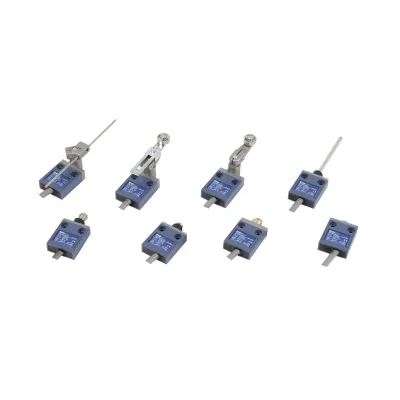
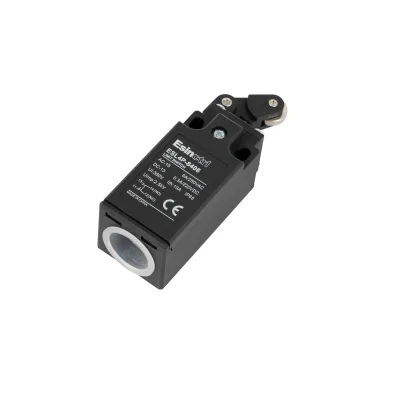
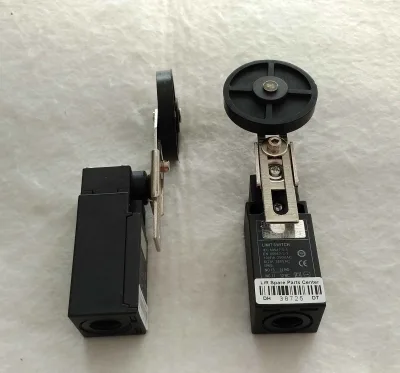
$10.2397 - $20.4793
MOQ: 1 Minimum


$6.77 - $11.77
MOQ: 2 Pieces

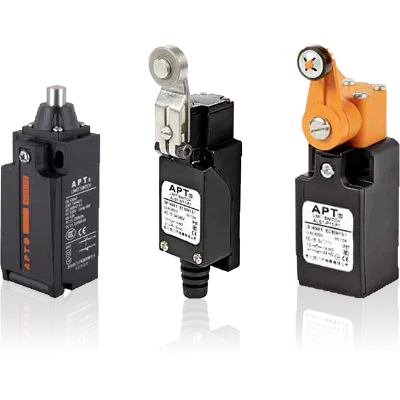






Comprehensive Sourcing Guide
Heavy Duty Aluminum Limit Switch Sourcing Guide
Procuring heavy duty aluminum limit switches requires a disciplined approach to verifying mechanical robustness and electrical reliability. These components serve as critical safety interlocks in industrial automation, ensuring machinery operates only within safe parameters. Buyers must prioritize switches that combine durable aluminum housings with precise actuation mechanisms to withstand harsh operational environments. The selection process involves evaluating material integrity, switching capacity, and environmental resistance to prevent premature failure in high-cycle applications.
This guide outlines the essential verification steps for sourcing these industrial components. It focuses on interpreting technical data sheets, confirming compliance certifications, and understanding commercial terms that impact total cost of ownership. By adhering to structured procurement practices, engineering teams can mitigate risks associated with equipment downtime and safety hazards. The following sections provide a comprehensive framework for evaluating suppliers and selecting the most suitable limit switches for specific heavy duty requirements.
Product Scope and Observed Listing Signals
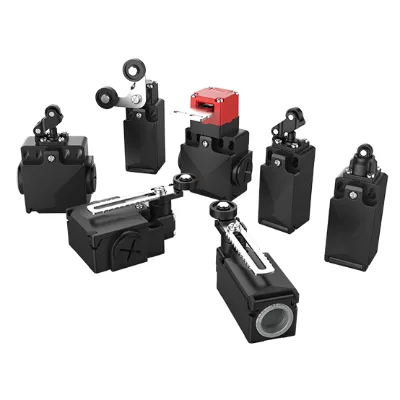
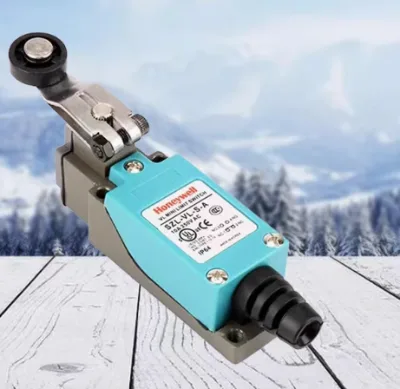
The market for heavy duty aluminum limit switches includes various models designed for different mechanical actuation needs. Observed listings indicate a range of housing materials, with aluminum being a preferred choice for its lightweight yet robust properties. Some products feature stainless steel idler wheels, suggesting variations in actuator design to suit specific mechanical linkages. Buyers should note that product attributes such as pressing type, including spring roller and lever roller mechanisms, vary significantly across suppliers. Understanding these mechanical differences is crucial for matching the switch to the intended application’s physical constraints.
Listing signals also reveal diverse electrical specifications and environmental ratings. Products are observed with IP ratings of 65 and 67, indicating varying degrees of protection against dust and water ingress. Operating environments are typically specified for temperatures below 250℃ or within a range of -25℃ to +60℃, highlighting the need for thermal stability. Additionally, features like waterproof protection and specific breaking forms, such as duplex or multi-joint types, are common differentiators. Procurement teams must cross-reference these observed attributes with their technical requirements to ensure compatibility with existing machinery and safety standards.
Technical Specifications to Verify
Verifying electrical ratings is paramount when selecting a Heavy Duty Aluminum Limit Switch. Buyers must confirm the maximum current and voltage capacities, which can range from micro-current applications to high-current industrial loads. Specific models may support AC250V or 380V 2.5A, while others are rated for DC breaking capacity. It is essential to match these electrical parameters with the control circuit’s requirements to prevent arcing or contact welding. Additionally, the operating frequency, such as 30 operations per minute, should be evaluated against the machinery’s cycle speed to ensure the switch can handle the mechanical wear without degradation.
Mechanical specifications also require careful scrutiny to ensure long-term reliability. The effective working circles, such as 0~120 degrees, define the actuator’s range of motion, which must align with the machine’s travel limits. Weight variations, observed between 580-680g and 1.6kg, indicate differences in internal construction and durability. Buyers should verify the breaking form, whether single, duplex, or multi-joint, to ensure it meets the circuit’s safety redundancy needs. Furthermore, checking the model numbers, such as LX33-22 or WLCA2-2, helps in identifying the exact component specifications and ensuring replacement part compatibility across different production lines.
Compliance and Safety Documentation
Compliance with international safety standards is non-negotiable for industrial limit switches. Buyers must verify that products carry recognized certifications such as CCC and CE, which indicate adherence to specific safety and electromagnetic compatibility regulations. The presence of ISO certifications further suggests a supplier’s commitment to quality management systems. It is crucial to request valid certification documents directly from the supplier to confirm that the specific model batch has been tested and approved. Relying on generic claims without documented proof can expose procurement teams to significant regulatory and liability risks in regulated markets.
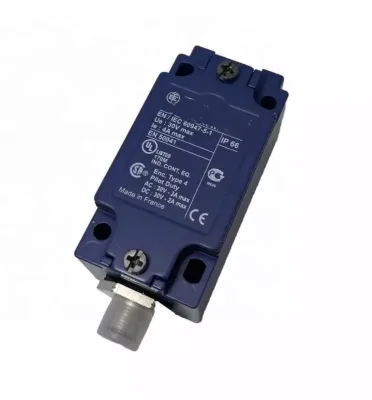
Beyond certifications, understanding the applicable standards helps in assessing the product’s design integrity. While IEC 60947-5-1 is a relevant standard for low-voltage switchgear, buyers should confirm if the product explicitly meets this or equivalent national standards. Documentation should also include detailed test reports for environmental resistance, such as humidity tolerance below 95% RH and temperature stability. Ensuring that the switch’s IP rating is verified through independent testing adds another layer of confidence. Procurement teams should maintain a file of all compliance documents for each purchased batch to facilitate audits and ensure ongoing regulatory compliance.
Cost Drivers and Commercial Terms
Several factors influence the pricing of heavy duty aluminum limit switches, including material costs, certification fees, and production volume. Observed price ranges can vary significantly, reflecting differences in quality, brand reputation, and feature sets. Buyers should analyze the cost per unit in the context of the minimum order quantity (MOQ), which typically ranges from 1 to 100 pieces. Higher MOQs may offer better unit prices but require careful inventory management to avoid obsolescence. Understanding the total landed cost, including shipping and tariffs, is essential for accurate budgeting and supplier comparison.
Commercial terms also play a critical role in the procurement process. Packaging specifications, such as 10 pieces in one box or export-standard cartons, affect handling and storage efficiency. Suppliers may offer customization options, which can impact lead times and costs. Buyers should negotiate clear terms regarding warranty, return policies, and after-sales support. Additionally, verifying the supplier’s origin, often Zhejiang China (Mainland) or Yueqing, can provide insights into the local supply chain dynamics and potential logistics advantages. Transparent communication about these commercial details helps in establishing a sustainable and cost-effective procurement relationship.
Supplier Qualification and Quality Control
Evaluating supplier qualifications is a critical step in mitigating procurement risks. Buyers should assess the supplier’s manufacturing capabilities, quality control processes, and track record in the industry. Suppliers originating from established industrial hubs like Zhejiang, China, often have mature supply chains and experienced workforces. However, it is essential to verify their production capacity and consistency in maintaining quality standards. Requesting samples for rigorous testing before placing bulk orders allows buyers to validate the product’s performance and durability firsthand. This due diligence helps in identifying potential suppliers who can meet long-term supply demands.
Quality control measures should be explicitly defined in the procurement agreement. Buyers should inquire about the supplier’s inspection protocols, including incoming material checks, in-process monitoring, and final product testing. Certifications like CE and CCC should be backed by regular audits and consistent product quality. Additionally, understanding the supplier’s approach to customization and their ability to adapt to specific design requirements is vital. Establishing a clear communication channel for addressing quality issues ensures that any deviations are promptly resolved. A robust supplier qualification process lays the foundation for a reliable and responsive supply chain.
Long-Term Procurement Checks
Long-term procurement success depends on continuous monitoring of supplier performance and product reliability. Buyers should establish key performance indicators (KPIs) to track delivery times, defect rates, and responsiveness to issues. Regular reviews of these metrics help in identifying trends and addressing potential supply chain disruptions early. Additionally, staying updated on industry standards and technological advancements ensures that the procured limit switches remain relevant and compliant. Engaging in periodic technical discussions with suppliers can also provide insights into new product developments and potential improvements.
Sustainability and lifecycle management are increasingly important considerations in industrial procurement. Buyers should evaluate the supplier’s environmental practices and their ability to support product end-of-life management. Understanding the availability of spare parts and the supplier’s support for maintenance and repairs is crucial for minimizing downtime. Furthermore, fostering a collaborative relationship with suppliers can lead to better pricing, priority service, and joint innovation opportunities. By implementing a structured long-term procurement strategy, organizations can ensure a stable supply of high-quality heavy duty aluminum limit switches, supporting their operational efficiency and safety goals.
FAQs
What certifications do heavy duty aluminum limit switches have?
Heavy duty aluminum limit switches typically hold CE and CCC certifications. These approvals ensure compliance with international safety and quality standards for industrial applications. Buyers should verify specific model documentation to confirm the exact certification status before procurement, as variations exist across different manufacturers and product lines.
Can heavy duty aluminum limit switches be customized?
Yes, customization is available for many Heavy Duty Aluminum Limit Switch models. Manufacturers often accommodate specific requirements for housing, actuator types, or electrical ratings. Buyers should contact suppliers directly to discuss custom specifications, ensuring the final product meets their unique operational needs and integration constraints.
What is the maximum voltage rating for these switches?
The maximum voltage rating for these switches is AC250V. Some models support higher voltages like 380V with specific current limits. Always check the technical datasheet for the exact model to ensure compatibility with your system's electrical requirements and to prevent damage from overvoltage conditions.
Which IP ratings are available for aluminum limit switches?
Available IP ratings include IP65 and IP67. These ratings indicate protection against dust and water ingress, suitable for various industrial environments. Select the appropriate IP rating based on your operating conditions to ensure long-term reliability and prevent environmental damage to the internal electrical components.
What is the typical packaging for these limit switches?
Typical packaging includes 10 pieces in one box or carton. Export standard packing is commonly used to ensure safe transit. Some suppliers offer custom packaging requests. This standardization helps protect the switches during shipping and simplifies inventory management for buyers receiving bulk orders from manufacturers.
Where are heavy duty aluminum limit switches manufactured?
These switches are primarily manufactured in Zhejiang, China, including areas like Yueqing. This region is a known hub for electrical component production. Buyers can source directly from these locations to benefit from established supply chains and competitive pricing while ensuring quality control through local manufacturer partnerships.