Source Music Boxing Machine for Training, Competition, and Gym
Explore 30 verified options for the Music Boxing Machine designed for training, competition, and gym use. Compare features like durability, customization, and power sources to find the right equipment for your needs; compare the available evidence and request quotations based on your requirements.
Updated
Key considerations
Products List

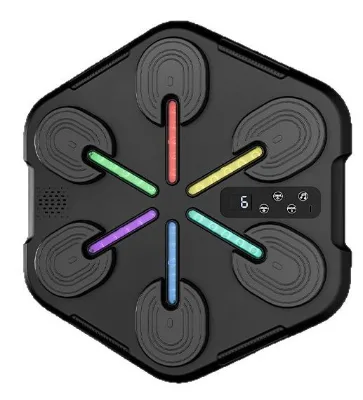
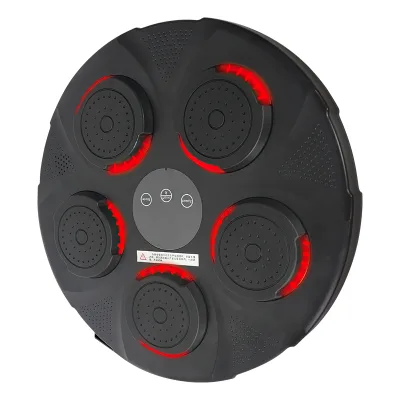
Music Boxing Trainer Wall Mounted Music Boxing Target Music Boxing Machine
$8.00 - $22.00
MOQ: 50 Pieces


Electronic Boxing Target Fitness Training Music Punching Machine Music Boxing Equipment
$8.00 - $22.00
MOQ: 50 Pieces


Wall Mount Smart Fitness Equipment Music Boxing Target Music Boxing Machine
$8.00 - $22.00
MOQ: 50 Pieces
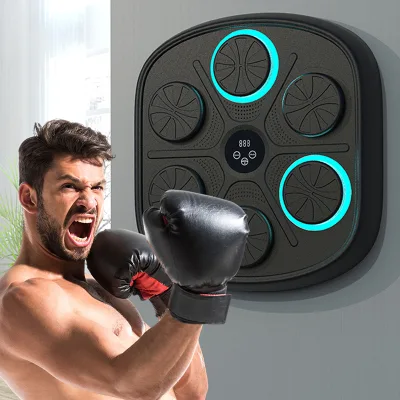
Music Boxing Machine Electronic Smart Boxing Punching Bag Boxing Machine
$20.34 - $26.53
MOQ: 2 pieces


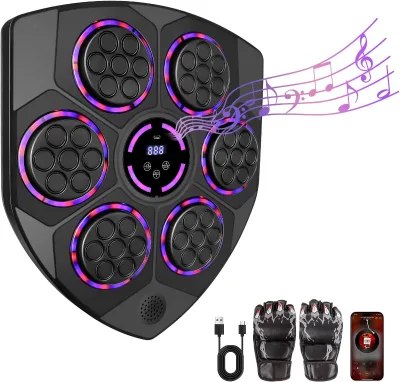
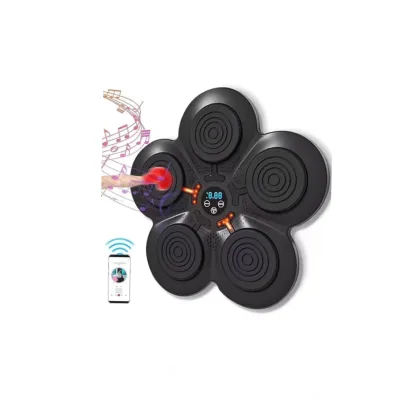
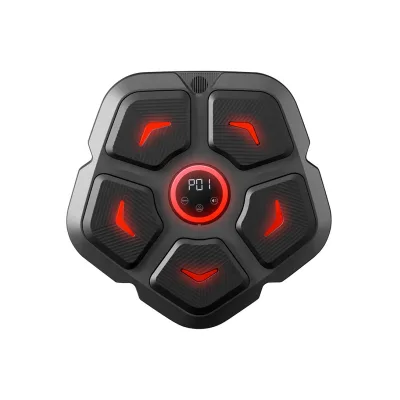
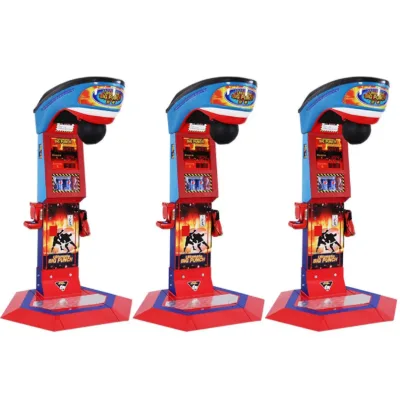


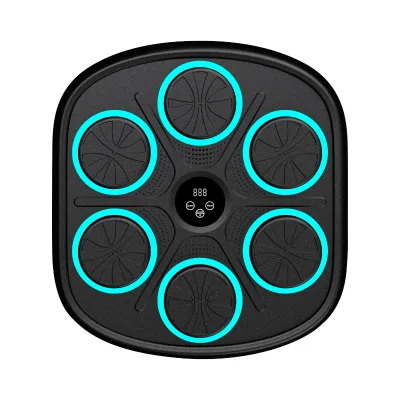
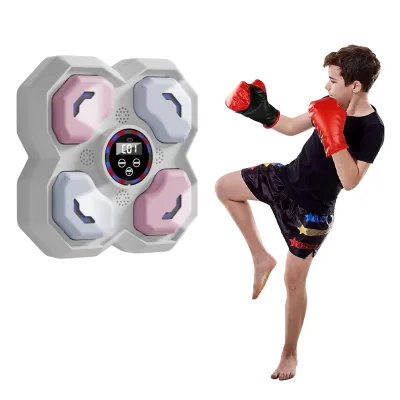
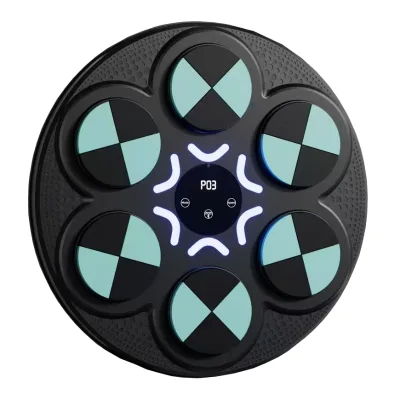
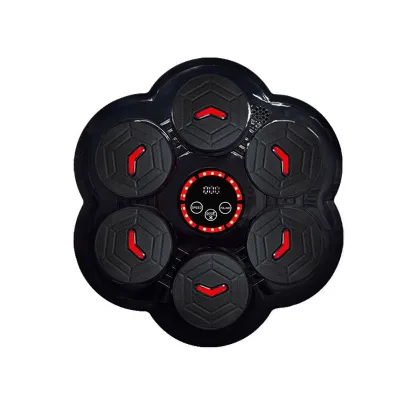


Comprehensive Sourcing Guide
Music Boxing Machine Sourcing Guide
Sourcing electronic fitness equipment requires a disciplined approach to verifying technical integrity and commercial viability. Buyers must distinguish between arcade-style entertainment units and professional training targets, as the procurement criteria differ significantly. The market offers diverse options ranging from simple punching pads to complex, music-synced boxing machines. Understanding these distinctions is the first step in defining a precise request for quotation. This guide outlines the critical verification steps needed to secure reliable supply chains for these specialized fitness products.
Procurement teams should focus on aligning product attributes with their specific operational needs. Whether the goal is gym installation, competitive training, or home use, the selection criteria must be rigorous. Key factors include power source requirements, volume adjustment capabilities, and physical dimensions. By establishing clear technical boundaries early in the sourcing process, buyers can filter out incompatible suppliers and reduce the risk of receiving equipment that fails to meet performance expectations or safety standards.
Product Scope and Observed Listing Signals
The current market landscape for music boxing machines includes distinct categories such as arcade-style units and manual hand pads. Observed listings indicate a wide range of product types, including electric-powered machines with speed settings and manual PU-based targets. Buyers should note that some products are marketed as eco-friendly and durable, while others emphasize customization options for branding or specific training applications. The presence of both "Boxing Arcade Machine" and "Boxing Target" labels suggests a fragmented market with varying levels of technological integration.
Listing signals also reveal significant variation in physical specifications and packaging. Single package sizes range from compact 20x20x20 cm boxes to larger cartons measuring up to 49x46.5x58 cm. Weight observations vary from light 0.15 kg items to heavier 2.0 kg units, indicating differences in material density and internal components. These physical attributes directly impact shipping costs and storage requirements. Procurement teams must carefully review these details to ensure the selected products fit within their logistical constraints and budgetary limits for freight and warehousing.
Technical Specifications to Verify
Technical verification begins with confirming power source and operational modes. Many electronic models rely on electric power with features like five-level volume adjustment and multiple speed settings. Buyers must verify whether the machine supports specific functionalities, such as short-press next song buttons or three-song loops. It is crucial to confirm if the unit is designed for continuous high-intensity use or intermittent play. Understanding the electrical requirements ensures compatibility with existing gym infrastructure and prevents operational failures during peak usage hours.
Physical dimensions and material composition are equally critical for long-term durability. Materials often include PU, microfiber leather, and polyurethane blends, which affect impact resistance and maintenance needs. Buyers should verify exact product sizes, such as 38x36x5 cm or 53x43.5x10 cm, to ensure they fit designated installation spaces. Additionally, confirming the availability of size options like S, XL, L, and XXL is essential for products intended for diverse user groups. Accurate specification verification prevents costly returns and ensures the equipment meets the physical demands of its intended training environment.
Compliance and Safety Documentation
Safety compliance is non-negotiable for electronic fitness equipment. Buyers must request valid certification documents, such as CE and RoHS marks, to ensure the products meet international safety and environmental standards. These certifications verify that the electrical components and materials used in the boxing machines are free from hazardous substances and operate within safe voltage limits. Without proper documentation, importing these products can lead to customs delays, fines, or liability issues in the event of equipment failure or injury.
Beyond certifications, buyers should verify the service life and warranty terms provided by the supplier. Typical service life observations suggest a range of five to eight years, but this must be confirmed in writing. Understanding the warranty coverage for electronic components, such as speakers and sensors, is vital for total cost of ownership calculations. Buyers should also inquire about the availability of spare parts and technical support. A robust after-sales service framework ensures minimal downtime and sustained performance, protecting the buyer’s investment in the long term.
Cost Drivers and Commercial Terms
Cost structures for music boxing machines are influenced by material quality, electronic complexity, and customization levels. Products with advanced features like speed settings and volume controls typically command higher prices than manual targets. Buyers should analyze the observed price range of 1.71 to 4500 USD to understand market positioning. However, price alone is not indicative of value; buyers must correlate cost with specifications, certification status, and supplier reputation. Transparent pricing helps in comparing quotes accurately and avoiding hidden fees that can inflate the final landed cost.
Commercial terms, including minimum order quantities and lead times, significantly impact procurement planning. Observed MOQs range from 1 to 50 pieces, offering flexibility for small-scale buyers. Shipment lead times are often cited as five days, but this should be verified for bulk orders. Buyers must also consider payment terms, packaging standards, and return policies. Clear commercial terms reduce financial risk and ensure smooth transaction processes. Negotiating favorable terms based on order volume can lead to substantial savings and improved supply chain reliability.
Supplier Qualification and Quality Control
Supplier qualification requires a thorough assessment of manufacturing capabilities and quality control processes. Buyers should verify the place of origin, with many products originating from regions like Jiangsu, China. Understanding the supplier’s production capacity and history helps gauge their ability to meet demand consistently. Requesting factory audits or third-party inspection reports can provide insights into their quality management systems. A supplier with a strong track record in producing durable, eco-friendly fitness equipment is more likely to deliver products that meet specified standards.
Quality control measures should include pre-shipment inspections and functional testing of electronic components. Buyers must ensure that each unit undergoes rigorous checks for electrical safety, material integrity, and performance consistency. Verifying that products are packed in sturdy cartons helps prevent damage during transit. Additionally, confirming that customization options, if required, are executed with precision is essential for branded orders. Establishing a clear quality assurance protocol with the supplier ensures that every delivered unit meets the buyer’s expectations for durability and functionality.
Long-Term Procurement Checks
Long-term procurement success depends on continuous monitoring of supplier performance and product reliability. Buyers should establish key performance indicators, such as defect rates, delivery punctuality, and response time to technical issues. Regular feedback loops with the supplier help identify areas for improvement and strengthen the partnership. Tracking the actual service life of the products in the field provides valuable data for future purchasing decisions. This data-driven approach ensures that procurement strategies evolve in response to real-world performance and market changes.
Sustainability and adaptability are also critical for long-term sourcing strategies. Buyers should prioritize suppliers who demonstrate commitment to eco-friendly materials and manufacturing practices. As technology advances, the ability to upgrade or replace electronic components becomes increasingly important. Maintaining a diversified supplier base reduces dependency on single sources and mitigates supply chain risks. By focusing on these long-term checks, buyers can build a resilient procurement function that supports their business goals and delivers consistent value over time.
FAQs
What is the service life of the Music Boxing Machine?
The service life is typically 5-8 years. This duration depends on usage frequency and maintenance. Regular care ensures longevity. The durable PU and polyurethane materials contribute to this lifespan. Users should follow manufacturer guidelines for optimal performance and extended product life in training environments.
Can the Music Boxing Machine be customized for specific needs?
Yes, customization is available for this equipment. Buyers can request specific modifications to suit their requirements. The product supports customized options for various applications. This flexibility allows gyms and training centers to tailor the machine. Contact suppliers directly to discuss specific customization details and feasibility for your project.
What certifications does the Music Boxing Machine hold?
The machine holds CE and RoHS certifications. These standards ensure compliance with safety and environmental regulations. CE certification is critical for European market entry. RoHS compliance indicates restricted hazardous substances are managed. Buyers should verify specific certificate documents with suppliers before placing orders for international shipments.
What is the minimum order quantity for this product?
The minimum order quantity is 50 pieces. This MOQ applies to standard bulk orders. Buyers seeking smaller quantities should inquire about exceptions. The 50-piece threshold helps suppliers manage production efficiency. Wholesale buyers can benefit from economies of scale at this volume level for gym equipment procurement.
How long is the shipment lead time for orders?
The shipment lead time is approximately 5 days. This timeframe applies after order confirmation and payment. Expedited shipping options may be available for urgent needs. Buyers should confirm exact dates with suppliers based on stock levels. Planning for this lead time ensures timely delivery for training facility setups and gym installations.
What power source does the Music Boxing Machine use?
The machine uses an electric power source. It features volume adjustment and speed settings for operation. Electric power ensures consistent performance during training sessions. Users must ensure access to appropriate electrical outlets. The electric system supports features like song skipping and volume control for an engaging workout experience.