Source Leg Clamp Kegel Trainer for Pelvic, Hip, and Leg Strength
Find and compare 30 Leg Clamp Kegel Trainer options from China. These devices support pelvic floor strengthening, hip muscle engagement, and general leg conditioning. Review specifications for materials like PP and TPE, adjustable features, and OEM availability to select the right fitness equipment for your needs.
Updated
Key considerations
Products List
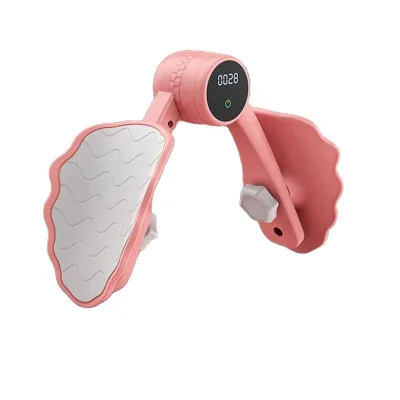
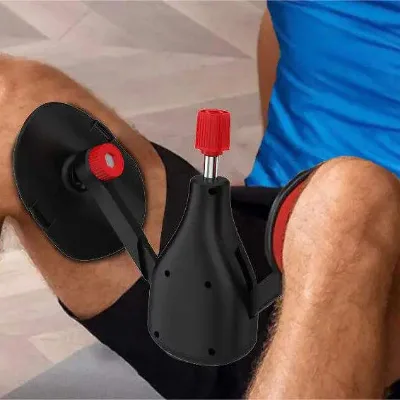
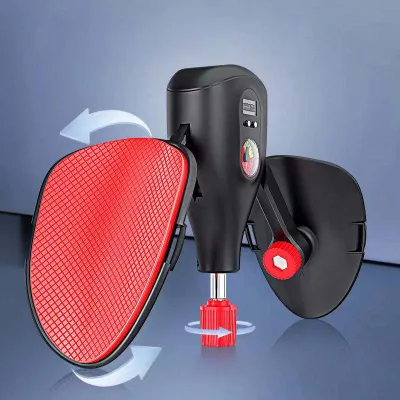
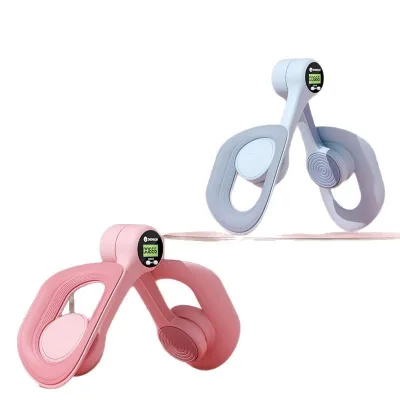
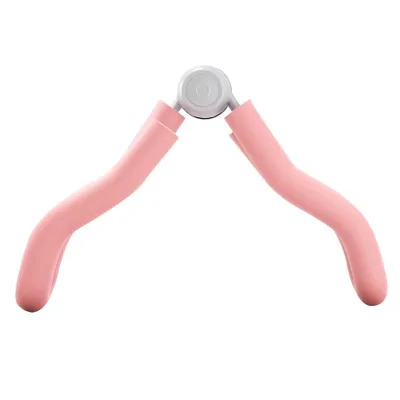
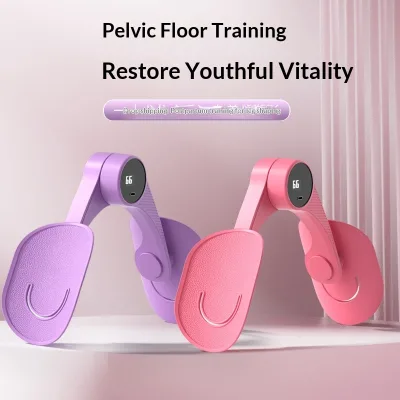
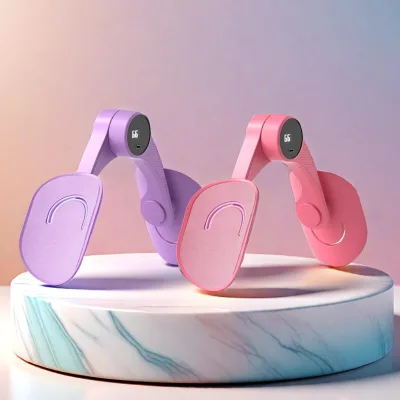
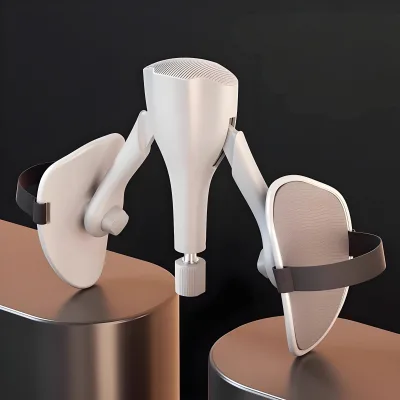
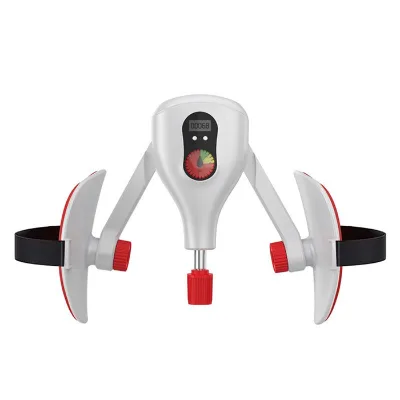
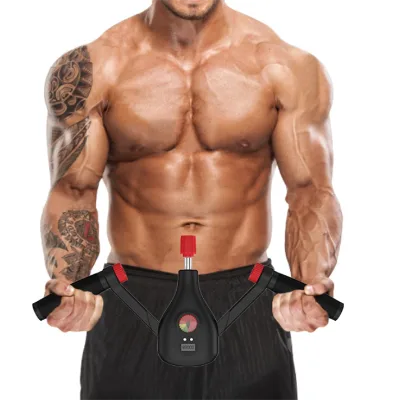
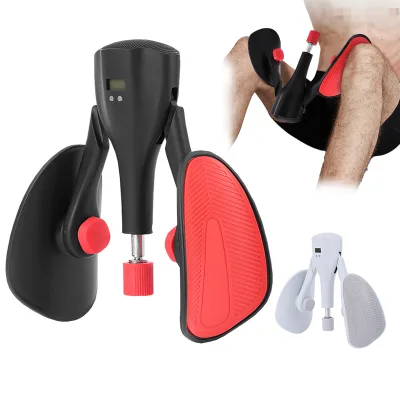
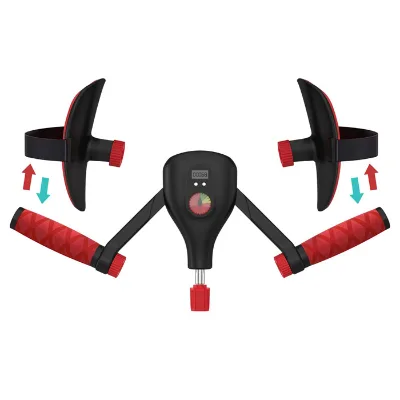
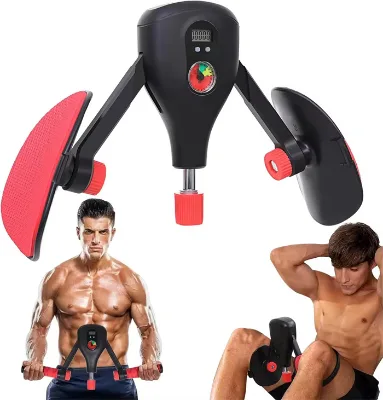

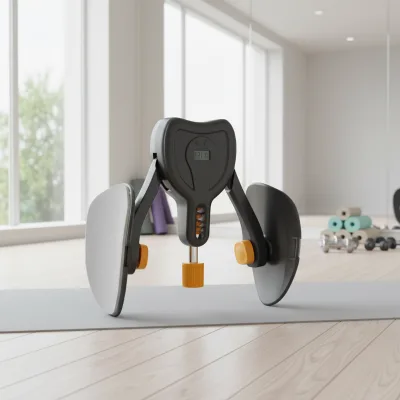
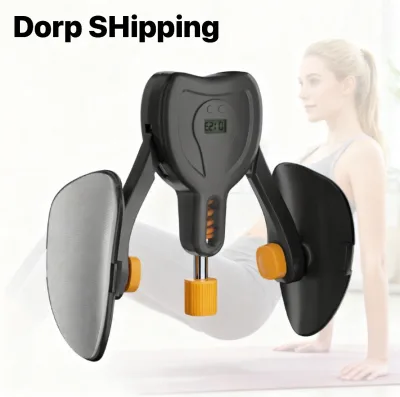
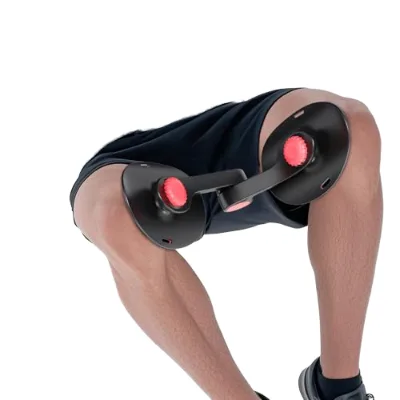
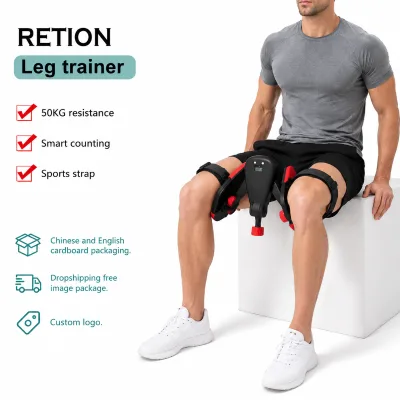
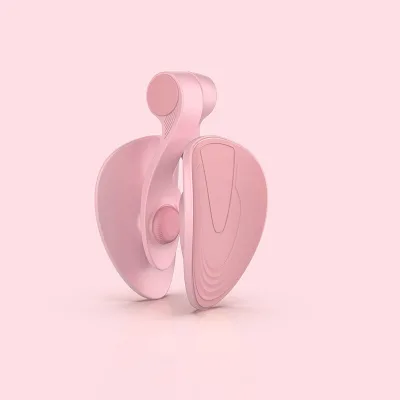
Gym Kegel Equipment Pelvic Floor Muscle Exerciser Buttocks Lifting Hip Trainer
$3.60 - $5.50
MOQ: 500 Pieces
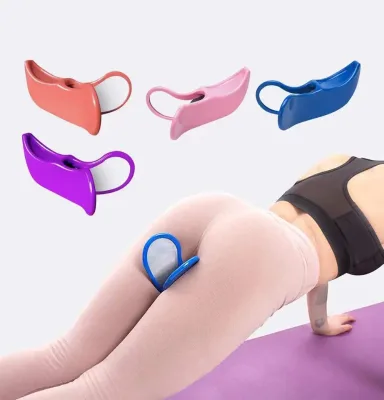


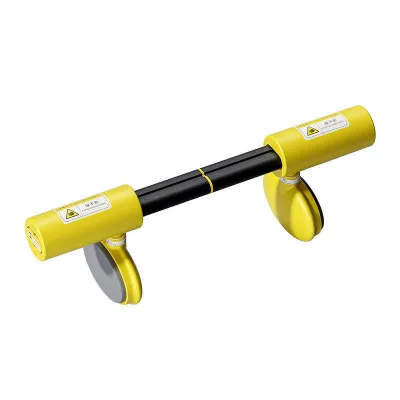
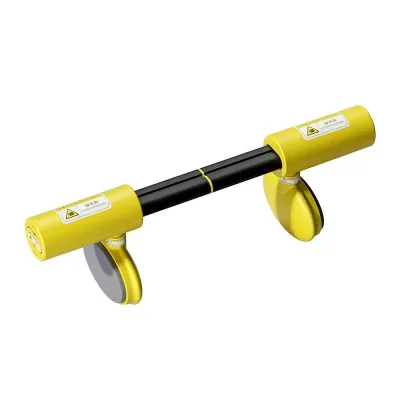
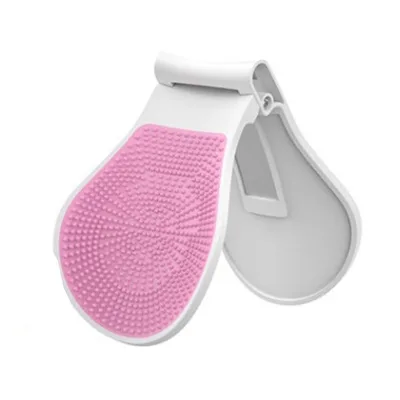
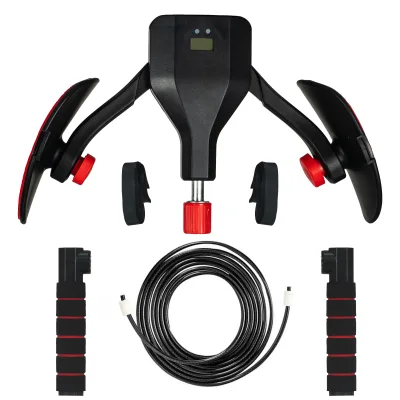
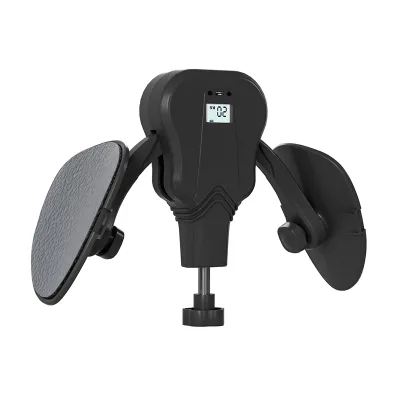
Comprehensive Sourcing Guide
Leg Clamp Kegel Trainer Sourcing Guide
Sourcing leg clamp kegel trainers requires a nuanced understanding of the intersection between pelvic floor rehabilitation and general fitness equipment. These devices are often marketed under various names, including pelvic floor muscle trainers, intelligent hip trainers, and leg exercisers, which can create confusion in supplier catalogs. Buyers must carefully distinguish between products designed for clinical rehabilitation and those intended for general gym use, as the regulatory pathways and material safety standards differ significantly. The observed market signals indicate a strong presence of manufacturers from Hebei and Zhejiang provinces in China, suggesting a mature supply chain for these specific mechanical aids.
Procurement teams should approach this category with a focus on material composition and mechanical adjustability. The devices typically utilize polypropylene (PP) combined with thermoplastic elastomers (TPE) or ethylene-vinyl acetate (EVA) to ensure comfort and durability during repeated use. Observations show that many listings emphasize features such as portability, eco-friendly materials, and adjustable resistance levels. These attributes are critical for user compliance, particularly in home-use scenarios where space and storage are limited. Understanding these physical characteristics helps buyers evaluate product quality beyond superficial marketing claims.
Product Scope and Observed Listing Signals
The current market landscape for leg clamp kegel trainers reveals a diverse range of product configurations and branding strategies. Suppliers frequently list these items under multiple product names, such as "pelvic floor muscle trainer," "leg trainer," or "hip trainer machine," reflecting the multifunctional nature of the devices. Observed listings indicate that brands like Maikesi, AOFIT, and ARYDA are active in this space, offering both OEM and ODM services. This flexibility allows buyers to customize products with their own logos and packaging, which is essential for private label strategies in the fitness and wellness sectors.
Price and minimum order quantity (MOQ) variations are significant across different suppliers. The observed price range spans from $0.50 to $12.50 USD, while MOQs typically range from 1 to 500 units. This wide variance suggests that buyers can find options suitable for both small-scale testing and large-volume distribution. Additionally, sample times are generally reported as 3-7 working days, indicating a responsive supply chain for prototyping and quality verification. Buyers should leverage these signals to negotiate favorable terms and ensure alignment with their inventory turnover goals.
Technical Specifications to Verify
When evaluating technical specifications, buyers must prioritize material safety and mechanical integrity. The primary materials observed include PP, TPE, PA, and EVA, each offering distinct benefits in terms of flexibility, durability, and skin contact safety. It is crucial to verify the exact material grades used, especially for components that come into direct contact with the user’s skin. Adjustable features are a common selling point, allowing users to customize resistance levels. Buyers should request detailed specifications on the adjustment mechanism to ensure it remains secure during intense use and does not degrade over time.
Packaging and dimensional specifications are also key verification points. Single package sizes vary, with observations ranging from compact dimensions like 15x25x6 cm to larger boxes measuring 35x20x15 cm. These dimensions impact shipping costs and storage efficiency, particularly for international buyers. Weight observations range from 0.5 kg to 1.5 kg per unit, which influences freight calculations. Buyers should confirm whether the packaging is designed for retail display, such as color boxes, or for bulk shipping, as this affects the final product presentation and unboxing experience for the end consumer.
Compliance and Safety Documentation
Regulatory compliance is a critical aspect of sourcing leg clamp kegel trainers, particularly given their classification as fitness or medical-adjacent devices. Many suppliers list certifications such as CE, BV, ISO9001, and ISO13485. The presence of ISO13485 suggests that some manufacturers adhere to quality management standards specific to medical devices, which may be relevant for products marketed for therapeutic purposes. Buyers must verify the validity and scope of these certifications, ensuring they cover the specific manufacturing facilities and product lines being sourced. This verification process helps mitigate risks associated with non-compliant products in regulated markets.
Safety documentation should also include material safety data sheets and test reports for the plastics and elastomers used. Since these devices are used by individuals of various ages, including children as young as two years old according to some listings, age-appropriate safety standards are essential. Buyers should request evidence that the materials are free from harmful substances such as phthalates or heavy metals. Additionally, understanding the intended age ranges and usage instructions provided by the supplier is vital for ensuring that the product is marketed and used safely, reducing the risk of injury or adverse reactions.
Cost Drivers and Commercial Terms
Several factors influence the total cost of ownership for leg clamp kegel trainers, including material costs, manufacturing complexity, and customization requirements. The use of multiple materials like PP, TPE, and EVA can increase production costs compared to single-material alternatives. Customization options, such as logo printing and unique packaging, add to the unit price but can enhance brand value. Buyers should analyze the cost breakdown to understand where savings can be made without compromising quality. For instance, standardizing packaging designs or reducing customization levels can lower costs for high-volume orders.
Payment terms and logistics also play a significant role in commercial negotiations. Common payment methods observed include PayPal, Western Union, TT, and online assurance platforms, offering flexibility for different transaction sizes. Buyers should negotiate favorable payment terms, such as partial upfront payments and balance upon shipment, to manage cash flow and risk. Additionally, understanding the lead times for production and shipping is crucial for inventory planning. Suppliers often provide sample times of 3-7 working days, but bulk production lead times may vary. Clear communication on these timelines helps prevent delays and ensures timely product availability.
Supplier Qualification and Quality Control
Supplier qualification involves a thorough assessment of manufacturing capabilities, quality control processes, and business stability. Buyers should verify the supplier’s production capacity and history, particularly for brands like Maikesi, AOFIT, and ARYDA, which have established presences in the market. Requesting factory audits or third-party inspections can provide insights into the manufacturing environment and adherence to quality standards. Suppliers offering OEM/ODM services should demonstrate robust design and engineering capabilities to support custom product development. This due diligence helps ensure that the supplier can consistently meet quality and delivery expectations.
Quality control measures should be clearly defined and agreed upon before production begins. Buyers should specify acceptance criteria for materials, dimensions, and functionality. Implementing pre-shipment inspections is a best practice to catch defects early and avoid costly returns. Suppliers should provide detailed quality control reports, including test results for mechanical strength and material safety. Establishing a clear communication channel for addressing quality issues is also essential. By setting high standards for quality control, buyers can protect their brand reputation and ensure customer satisfaction with the leg clamp kegel trainers they distribute.
Long-Term Procurement Checks
Long-term procurement success depends on continuous monitoring of supplier performance and market trends. Buyers should regularly review supplier metrics, such as on-time delivery rates, defect rates, and responsiveness to issues. Building a strong relationship with suppliers can lead to better pricing, priority production, and access to new product innovations. Additionally, staying informed about changes in regulatory requirements and consumer preferences is crucial. As the fitness and wellness industry evolves, new features or materials may become standard, requiring buyers to adapt their sourcing strategies accordingly.
Sustainability and ethical sourcing are increasingly important considerations for long-term procurement. Buyers should assess suppliers’ environmental practices, such as waste management and energy efficiency, especially given the eco-friendly claims associated with many products in this category. Verifying that suppliers adhere to ethical labor practices is also essential for maintaining brand integrity. By integrating these long-term checks into their procurement processes, buyers can build a resilient and responsible supply chain that supports sustainable growth and meets the evolving demands of the market.
FAQs
What materials are used in leg clamp kegel trainers?
These devices typically utilize durable materials such as PP, TPE, PA, and EVA to ensure safety and comfort during use. The specific composition varies by model, with some featuring PP+TPE blends for flexibility and others using PP+PA+EVA for enhanced structural integrity. These material choices support the adjustable and portable nature of the equipment while maintaining eco-friendly standards.
Can I customize the logo on these pelvic floor trainers?
Yes, customized logos are available for many of these hip trainer machines. Manufacturers often accept OEM orders, allowing buyers to brand the products with their own designs. This customization option is particularly useful for businesses looking to create unique fitness equipment lines. Buyers should confirm specific logo requirements and minimum order quantities with the supplier directly.
What certifications do these fitness equipment applications hold?
Many pelvic floor muscle trainers come with recognized certifications such as CE, BV, ISO9001, and ISO13485. These credentials indicate compliance with international quality and safety standards. Buyers sourcing these items for regulated markets should verify that the specific model holds the necessary documentation. Certifications ensure the product meets required manufacturing and performance benchmarks for global distribution.
How does the adjustable feature benefit leg exerciser users?
The adjustable feature allows users to modify resistance levels to suit different strength training needs. This adaptability makes the hip trainer machine suitable for various fitness levels, from beginners to advanced gymnastics practitioners. Users can gradually increase intensity, ensuring effective muscle engagement. This versatility enhances the product's utility as a portable and durable leg trainer for home or gym use.
What is the typical sample time for these leg trainers?
The sample time for these products is generally 3-7 working days. This timeframe allows buyers to evaluate product quality, material feel, and functionality before placing bulk orders. Quick sampling helps streamline the sourcing process for international buyers. Buyers should account for shipping duration when planning their procurement schedules to ensure timely decision-making and order fulfillment.
Which brands offer unisex pelvic floor muscle trainers?
Brands such as Maikesi, AOFIT, and ARYDA offer unisex pelvic floor muscle trainers. These products are designed for both male and female users, focusing on general fitness and strength training applications. The unisex design ensures broad market appeal, making them suitable for diverse customer bases. Buyers can choose from various colors and specifications to match their target demographic preferences.