Source High Temperature Ceramic Electric Kiln for Lab, School, and Small Batch
Source High Temperature Ceramic Electric Kiln models from 30 verified suppliers. Compare capacities from 70L to 228L, power ratings up to 100kW, and temperatures up to 1300°C. Evaluate PLC controls, ISO/CE certifications, and warranty terms to find the right furnace for your sintering or heat treatment needs.
Updated
Key considerations
Products List
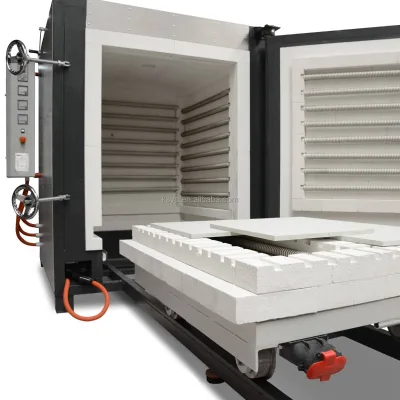
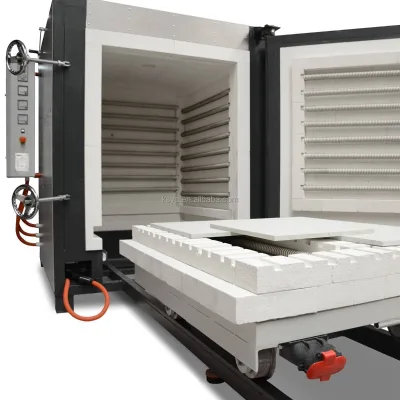
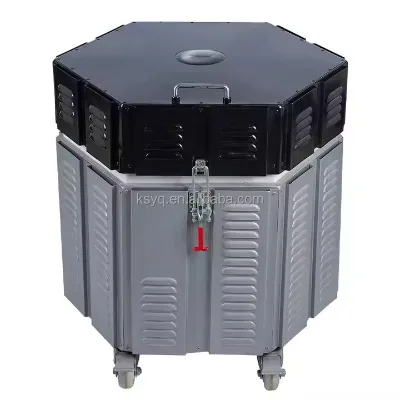
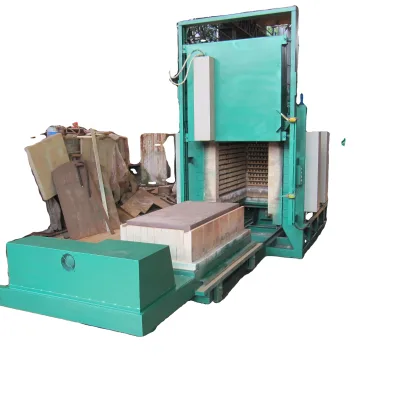


High Temperature Electric Heating Calcining Kiln for Advanced Refractory and Ceramic Production
$37500.00 - $122800.00
MOQ: 1 Pieces

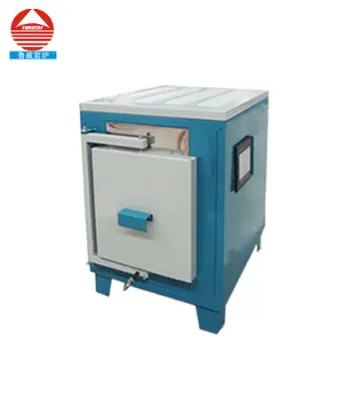
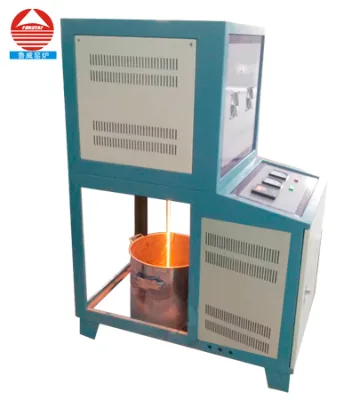
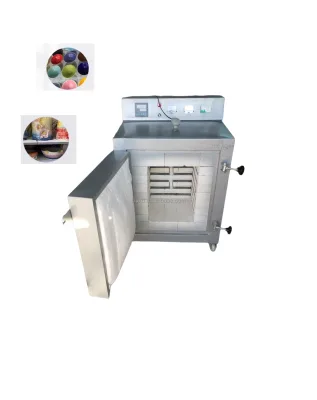


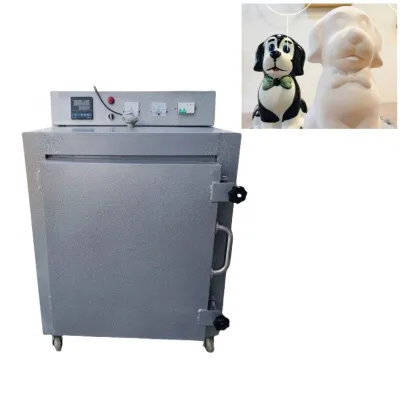
Intelligent Curve High Temperature Pottery Electric Kiln Domestic Kiln
$288.8477 - $1390.3974
MOQ: 1 Minimum
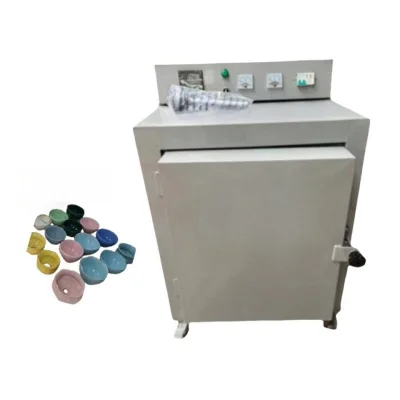

High Temperature Heating Ceramic Kiln Furnace Pottery Ceramic Roller Kiln
$2000.00 - $2300.00
MOQ: 1 Pieces

Electric Ceramic Kiln High Temperature Furnace for Bricks and Pottery
$2000.00 - $2300.00
MOQ: 1 Pieces

High Temperature Electric Pottery Kiln Furnace for Ceramics Molding and Sintering Pottery Furnaces
$2000.00 - $2300.00
MOQ: 1 Pieces

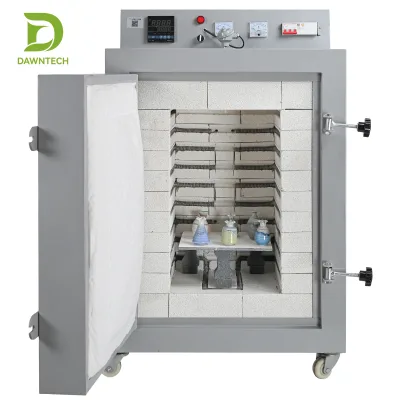


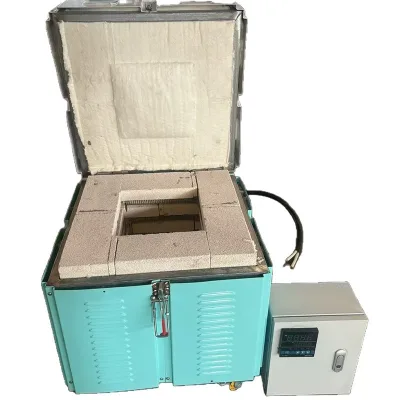
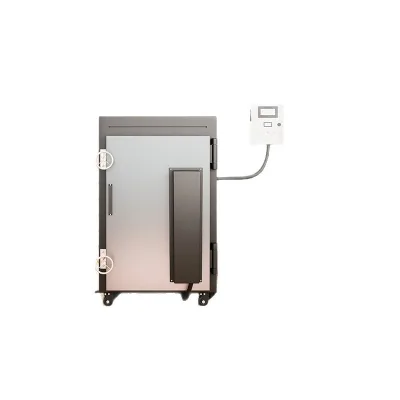


1700 Degree High Temperature Electric Muffle Furnace with Ceramic Chamber
$599.00 - $6480.00
MOQ: 1 Pieces
Comprehensive Sourcing Guide
High Temperature Ceramic Electric Kiln Sourcing Guide
Procuring high-temperature ceramic electric kilns requires a precise understanding of thermal capabilities and electrical infrastructure demands. Buyers must align the kiln’s maximum temperature and working temperature with their specific ceramic firing profiles, ensuring the equipment can sustain the required heat without degradation. The observed market listings indicate a wide variance in thermal performance, with some units rated for working temperatures around 1240°C and maximums reaching 1300°C, while others operate at 1200°C. This variation necessitates careful selection based on the material being fired, as exceeding the rated limits can compromise the heating elements and insulation integrity.
Electrical compatibility is another critical initial consideration, as power requirements span from low-voltage single-phase units to high-power three-phase industrial systems. Listings show power inputs ranging from 2.3 kW to 21 kW, with voltages including 220V, 110V, and 380V. Procurement teams must verify that their facility’s electrical grid can support the specific amperage and voltage of the chosen model. Mismatched electrical specifications can lead to operational failures or safety hazards, making it essential to confirm the power rating and voltage requirements before finalizing any purchase agreement.
Product Scope and Observed Listing Signals
The current market for high-temperature ceramic electric kilns presents a diverse array of models, primarily categorized by chamber capacity and structural design. Observed listings feature capacities ranging from small benchtop units with 70L chambers to larger industrial systems with 228L volumes. Some suppliers offer horizontal type structures with customizable dimensions, catering to specialized sintering or heat treatment applications. The product scope extends beyond simple ceramic firing to include uses in sintering furnaces and general heat treatment processes, indicating a versatile utility for various industrial and laboratory environments.
Key selling points highlighted in the market include easy operation, accurate temperature control, and long service life. These attributes suggest that modern kilns are equipped with advanced control systems, such as PID auto-control with programmable segments, allowing for precise thermal management. Buyers should note that while many listings emphasize competitive pricing and high productivity, the actual performance depends on the specific model’s construction quality and component reliability. Understanding these market signals helps buyers identify products that balance cost-efficiency with the technical requirements of their ceramic production workflows.
Technical Specifications to Verify
When evaluating technical specifications, the chamber dimensions and overall footprint are paramount for facility planning. Listings provide specific chamber sizes, such as H500W550D830mm for 228L models and smaller variants like H310W270D230mm. Buyers must ensure that the kiln’s physical dimensions fit within their available workspace, considering not just the chamber but also the external dimensions and required clearance for ventilation and maintenance. The weight of the units also varies significantly, from 0.1 tons for smaller models to 16 tons for large industrial systems, impacting floor load requirements and installation logistics.
Core components and control systems are critical for operational reliability. Many listings specify PLCs as core components, often accompanied by engines, motors, and pumps in larger systems. The temperature control mechanism, typically PID auto-control with 32 programmable segments, allows for complex firing cycles. Buyers should verify the accuracy of these controls and the durability of the heating elements. Additionally, the type of furnace, such as resistance furnace, influences energy efficiency and heat distribution. Confirming these technical details ensures the kiln meets the precise thermal and operational needs of the intended ceramic processes.
Compliance and Safety Documentation
Safety and regulatory compliance are non-negotiable aspects of sourcing industrial heating equipment. Buyers must request comprehensive machinery test reports, which are provided by some suppliers, to verify the kiln’s structural integrity and electrical safety. These reports should detail stress tests, thermal cycling results, and electrical insulation checks. Ensuring that the equipment has undergone rigorous testing helps mitigate risks associated with high-temperature operations, such as electrical faults or thermal runaway. Buyers should insist on these documents before proceeding with any purchase to guarantee that the kiln meets established safety standards.
Certification status is another vital area of verification. While some listings mention ISO and CE certifications, buyers must confirm the validity and scope of these certifications for the specific model being purchased. CE certification indicates compliance with European health, safety, and environmental protection standards, which is crucial for operations within or exporting to the EU. ISO certification, particularly ISO9001, suggests a robust quality management system, though buyers should verify the specific standards applied. Proper documentation ensures legal compliance and provides a basis for insurance and liability coverage in case of operational incidents.
Cost Drivers and Commercial Terms
The cost of high-temperature ceramic electric kilns is influenced by several factors, including capacity, power rating, and customization options. Listings show a wide price range, reflecting the diversity in specifications and build quality. Larger capacity units with higher power ratings, such as those exceeding 20 kW, naturally command higher prices. Additionally, customized dimensions and specialized features can increase the overall cost. Buyers should analyze the total cost of ownership, considering not just the initial purchase price but also energy consumption and maintenance requirements over the kiln’s lifespan.
Commercial terms, including minimum order quantity (MOQ) and warranty, vary among suppliers. Observed listings indicate an MOQ of 1 piece for many models, offering flexibility for small-scale buyers. Warranty periods, typically one year, provide a baseline for post-purchase support. Buyers should negotiate clear terms regarding spare parts availability and technical support. Understanding these commercial aspects helps in budgeting accurately and avoiding unexpected costs. It is also important to clarify the delivery terms and lead times, as these can impact production schedules and overall project timelines.
Supplier Qualification and Quality Control
Supplier qualification is essential to ensure the reliability and longevity of the purchased kiln. Buyers should assess the supplier’s place of origin and manufacturing capabilities, with listings indicating origins in Henan and Guangdong, China. These regions are known for their industrial manufacturing bases, but buyers must verify the supplier’s specific expertise in high-temperature furnace production. Requesting references or case studies can provide insight into the supplier’s track record and customer satisfaction levels. A qualified supplier will demonstrate a commitment to quality and continuous improvement in their manufacturing processes.
Quality control measures should be integrated into the procurement process. Buyers should inquire about the supplier’s quality assurance protocols, including material inspections and final product testing. The use of high-quality materials, such as alloy components, can enhance the kiln’s durability and performance. Additionally, buyers should verify the supplier’s ability to provide customization services, as this may be necessary for specific operational requirements. Establishing a strong relationship with a qualified supplier ensures better support, faster resolution of issues, and access to the latest technological advancements in kiln design and functionality.
Long-Term Procurement Checks
Long-term procurement success depends on ongoing performance monitoring and maintenance planning. Buyers should establish a routine maintenance schedule to inspect heating elements, insulation, and control systems regularly. This proactive approach can extend the kiln’s service life and prevent unexpected downtime. Suppliers that offer comprehensive machinery test reports and detailed operational manuals facilitate easier maintenance and troubleshooting. Buyers should ensure that they have access to these resources and that their technical staff is trained in proper kiln operation and maintenance procedures.
Continuous evaluation of the kiln’s performance against initial specifications is crucial for identifying any deviations or degradation over time. Buyers should track energy consumption, temperature accuracy, and firing cycle consistency to assess the kiln’s efficiency. If performance declines, it may indicate the need for component replacement or recalibration. Engaging with the supplier for periodic reviews and updates can help maintain optimal performance. By focusing on long-term checks and maintenance, buyers can maximize the return on investment and ensure consistent quality in their ceramic production processes.
FAQs
What is the maximum temperature for these ceramic kilns?
The maximum temperature reaches 1300C for the KS-CK-228L model. Other variants operate at 1200C or 1240C depending on the specific configuration. These resistance furnaces are designed for high-temperature ceramic sintering and heat treatment applications. Users should verify the exact rating for their chosen chamber size and power setup.
How is the temperature controlled in these electric kilns?
Temperature control utilizes PID auto control with 32 programmable segments. This system ensures accurate temperature regulation during the firing process. The PLC core component manages the heating elements efficiently. Operators can program specific ramps and holds to achieve consistent ceramic results across different batch sizes and material types.
What is the minimum order quantity for these kilns?
The minimum order quantity is one piece for most models. This allows buyers to purchase single units for testing or small-scale production. The selling unit is listed as a single item. Buyers can order multiple units if needed, but there is no bulk requirement for initial procurement of these ceramic electric kilns.
Can these kilns be customized for specific chamber sizes?
Customization is available for certain large-scale models. For instance, dimensions can be adjusted to 19000X1700X2100mm or other custom specifications. Standard models have fixed chamber sizes like H500*W550*D830mm. Buyers requiring non-standard dimensions should contact suppliers directly to discuss feasibility and potential modifications to the horizontal structure.
What certifications do these high temperature kilns hold?
Some models hold ISO and CE certifications. These documents verify compliance with international safety and quality standards. Buyers should request specific certification documents for the exact model they intend to purchase. Not all listed products may display these marks, so verification is essential before finalizing the order for industrial use.
What is the power consumption for these ceramic kilns?
Power ratings vary from 2.3KW to 100KW depending on the model. Smaller units operate on 220V or 110V, while larger industrial furnaces use 380V. The KS-CK-228L requires 21KW at 380V. Buyers must ensure their facility has the appropriate electrical infrastructure to support the specific voltage and kilowatt requirements of the selected kiln.