Source Honda Digital Car Key with NFC Function for Toyota, Honda, and Hyundai
Find 30 listings for a Honda Digital Car Key with NFC Function tailored for various vehicle brands. Buyers can compare features like button counts, materials, and minimum order quantities to select the right smart key for their needs.
Key considerations
Products List
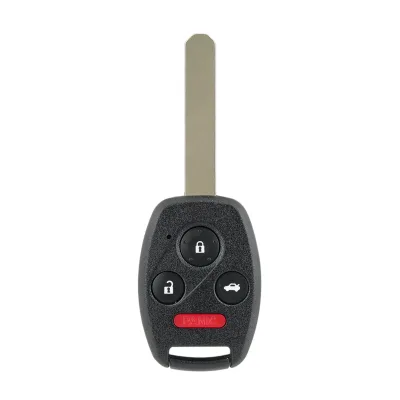
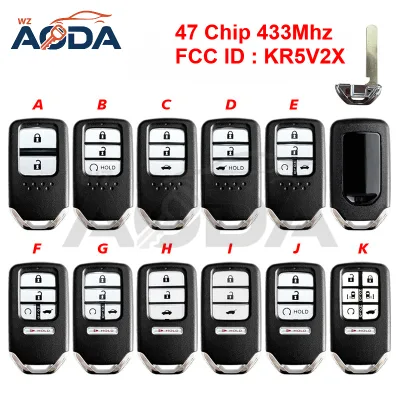
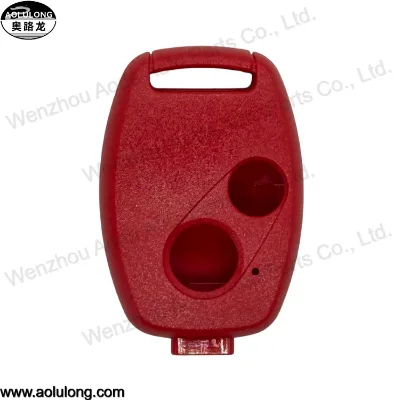
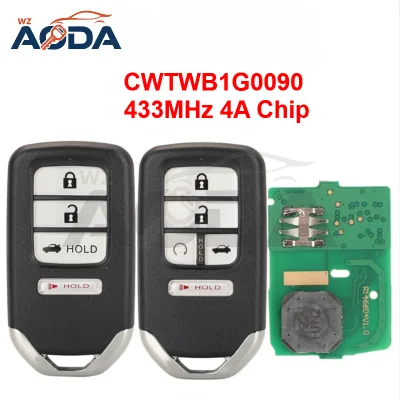
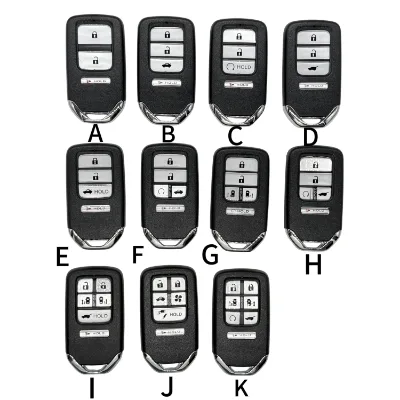
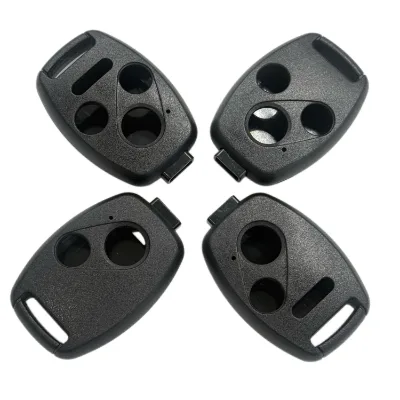
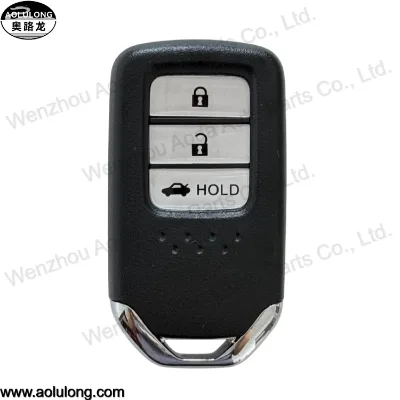


Wholesale Car Key Replacement Wireless Universal Remote Control Car Key
$1.20 - $3.00
MOQ: 1000 Pieces


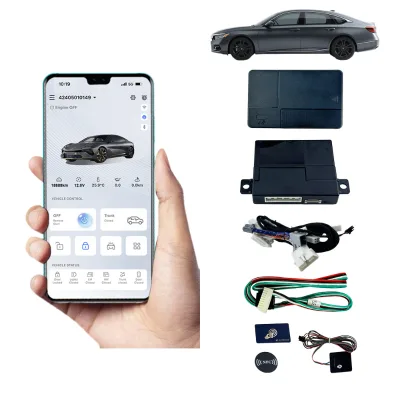
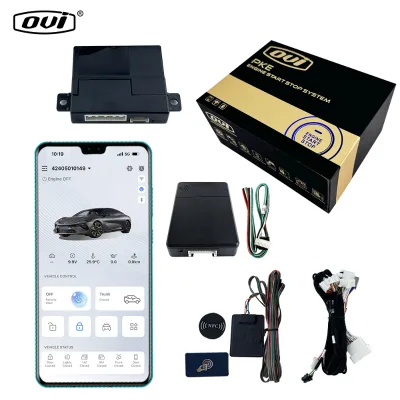
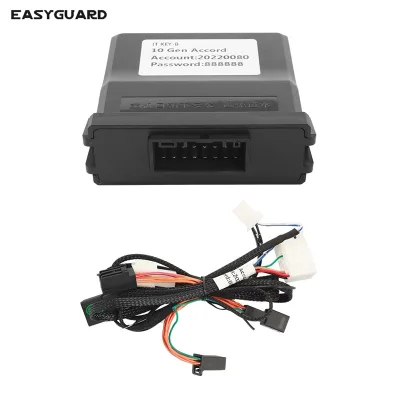
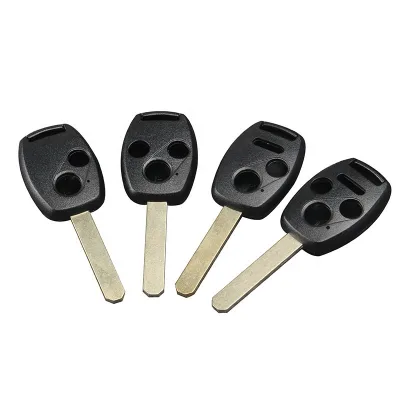

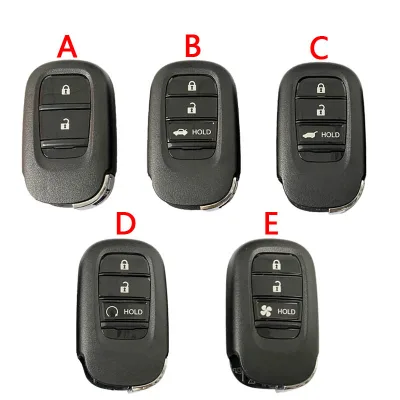
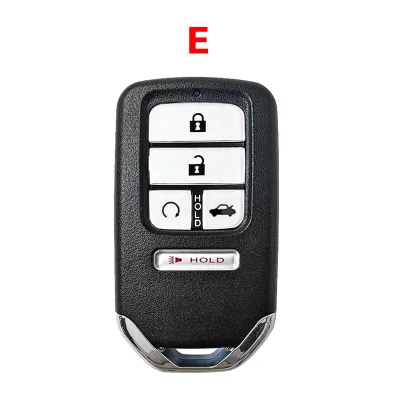
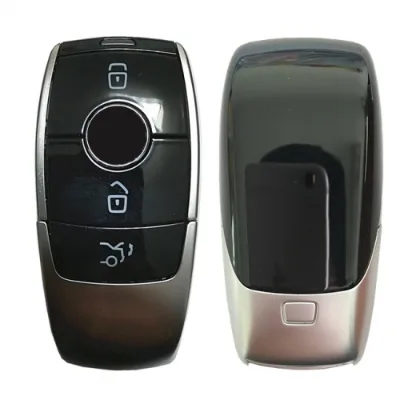
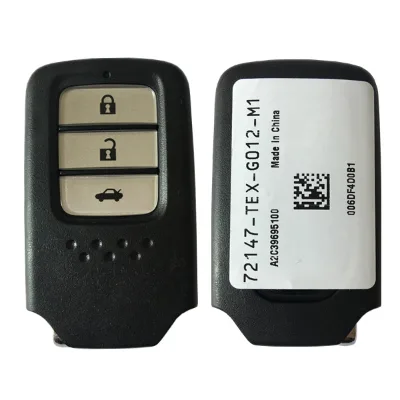
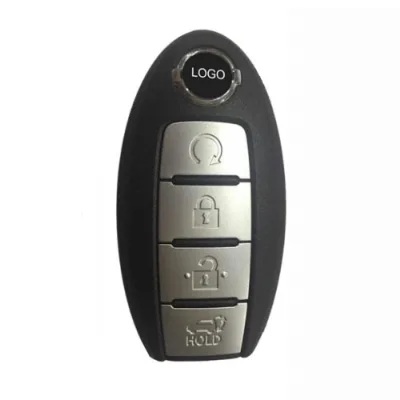
Comprehensive Sourcing Guide
Strategic Sourcing Guide for Honda Digital Car Key with NFC Function
Understanding the Product Landscape and Technical Specifications
When sourcing a digital car key with NFC functionality specifically for Honda vehicles, buyers must first distinguish between the physical remote key fob and the underlying digital authentication system. The product landscape includes various configurations of remote controls designed for specific vehicle models, such as the Honda brand. Based on observed market data, these devices often feature distinct physical attributes that define their utility and compatibility. For instance, some units are designed with a compact form factor, measuring approximately 5.3 by 3.5 by 1.4 centimeters, while others may be larger, reaching dimensions of 66 by 36 by 15 millimeters. The physical construction typically involves durable materials like ABS plastic, PC (polycarbonate), or a combination of ABS and metal to ensure longevity against daily wear and tear.
The interface of these keys is critical for user experience and security. The number of buttons varies significantly across different SKUs, with common configurations including 2-button, 3-button, and even 3+1 or 4+1 button layouts. These buttons serve functions such as unlocking, locking, and trunk release. In terms of connectivity, the frequency of operation is a vital technical parameter. Observed data indicates frequencies such as 313.8 MHz, which is a standard band for automotive remote keyless entry systems in certain regions. The presence of an NFC function implies a proximity-based communication layer that allows for contactless interaction, often used for keyless entry or ignition start without removing the key from a pocket or bag. The internal electronics rely on specific chip IDs, such as the 46 series, which are standard in automotive transponders for immobilizer systems. Buyers must verify that the chip ID and frequency match the specific year and model of the Honda vehicle to ensure seamless integration with the car's onboard computer.
Compliance, Certification, and Regulatory Verification
Navigating the regulatory landscape is essential for importing automotive electronics. Products intended for the global market must adhere to strict electromagnetic compatibility (EMC) and safety standards. One critical certification observed in the market is the FCC ID, such as MLBHLIK-1T, which indicates compliance with Federal Communications Commission regulations in the United States regarding radio frequency emissions. However, the absence of a visible logo or specific certification marking on a product listing does not guarantee compliance. Buyers must request valid certification documents from the supplier rather than relying on visual inspection alone.
Furthermore, the origin of the product plays a significant role in regulatory compliance. Many automotive keys are manufactured in Guangdong or Zhejiang, China. While these regions have robust manufacturing ecosystems, the specific factory's adherence to international standards varies. Buyers should verify if the product meets the relevant standards for the destination market, such as CE marking for Europe or specific automotive industry standards like ISO/TS 16949 (now IATF 16949) for quality management in the automotive sector. The "Quality" attribute often listed as "High Quality" is a subjective claim and must be substantiated by third-party test reports. Without verified test data regarding signal strength, interference resistance, and battery safety, the risk of non-compliance remains high. It is crucial to ensure that the product does not violate local laws regarding radio frequency usage, as unauthorized transmission on specific frequencies can lead to legal penalties and product seizure at customs.
Cost Drivers and Pricing Dynamics
The pricing structure for Honda digital car keys with NFC capabilities is influenced by several factors, including material composition, button count, and the complexity of the embedded electronics. The observed price range in the market spans from as low as $0.05 to over $140.13. This wide disparity highlights the difference between basic remote shell replacements and fully functional, pre-programmed keys with advanced NFC chips. The lower end of the price spectrum often corresponds to products that may be shell-only replacements or generic remotes requiring programming by a professional locksmith. Conversely, higher-priced units likely include the integrated circuit, battery, and pre-configuration for specific vehicle models.
Material costs are a primary driver of price variation. Keys constructed from ABS Metal or high-grade PC materials generally command a higher price than those made from standard ABS plastic. Additionally, the inclusion of a battery, indicated by the "Button Battery: Yes" attribute, adds to the unit cost. The "Selling Units" being listed as "Single item" suggests that pricing is often per unit, but bulk purchasing can significantly alter the effective cost per piece. Buyers should be wary of prices that seem unusually low, as they may indicate inferior components or a lack of necessary certifications. The "Single gross weight" of approximately 0.1 kg also influences shipping costs, which can be a hidden cost driver for international procurement. Understanding these variables allows buyers to budget accurately and avoid unexpected expenses related to shipping, tariffs, or the need for re-programming services.
Typical Applications and Vehicle Compatibility
The primary application of these devices is as a replacement or backup for lost or damaged car keys, specifically for Honda vehicles. The "For Vehicle Brand" attribute explicitly mentions compatibility with Honda models. However, specific model compatibility is not always universal. Some listings specify compatibility with brands like Toyota, such as the Prado, indicating that suppliers may offer multi-brand inventory. Buyers must exercise extreme caution to ensure the key is programmed for the exact Honda model year and trim level. The "Usage" attribute often describes the product as "Car Key Storage," which might imply a protective case rather than the key itself, or it could refer to the storage of the key within the vehicle's system.
The "Function" of these keys extends beyond simple locking and unlocking. Advanced functions include "Protection," which may refer to anti-theft immobilizer features, and "Smart Car Remote Key" capabilities that enable push-to-start ignition. The "Type" classification as a "Smart Car Remote Key" suggests the presence of an NFC or RFID chip that communicates with the vehicle's immobilizer system. For the NFC function to work effectively, the vehicle must be equipped with the corresponding reader. Buyers should verify that the specific Honda model supports NFC keyless entry before purchasing. Additionally, the "Feature" of being "Eco-Friendly" may relate to the materials used or the energy efficiency of the battery, but it does not inherently guarantee enhanced performance. The "Warranty" of 1 year is a common offering, providing a safety net for manufacturing defects, but it is crucial to understand the terms of this warranty, including whether it covers programming issues or physical damage.
Supplier Evaluation and Sourcing Strategy
Evaluating suppliers requires a meticulous approach to ensure reliability and product authenticity. The "Brand Name" attribute varies, with examples including "Heart Horse" and "Aoda." These brands may be private labels or established manufacturers. Buyers should not rely solely on brand recognition but must investigate the supplier's track record. The "Place of Origin" is consistently listed as China, specifically Guangdong or Zhejiang. While these regions are hubs for electronics manufacturing, the quality of output depends on the specific factory. Buyers should request detailed information about the manufacturing facility, including their capacity to handle ODM (Original Design Manufacturing) requests, as indicated by the "ODM: Acceptable" attribute.
The "MOQ" (Minimum Order Quantity) is another critical factor in supplier evaluation. Observed MOQs range widely from 2 pieces to 10,000 pieces. This flexibility allows buyers to start with small test orders, such as 2 or 10 pieces, to verify product quality before committing to larger volumes. However, suppliers with high MOQs may offer better pricing per unit. The "Packing" method, often listed as "OPP bag," is a basic packaging solution. For B2B procurement, buyers should negotiate for more robust packaging to prevent damage during transit, especially for electronic components. The "Logo" attribute, which can be "No" or "Customized Logo," offers an opportunity for branding. Suppliers offering customized logos can help buyers establish a unique product identity, but this usually requires meeting a higher MOQ threshold.
Quality Control and Long-Term Procurement Considerations
Implementing a robust quality control (QC) process is vital to mitigate the risks associated with sourcing automotive electronics. Given the variation in "Single volume" and "Single gross weight" across different listings, buyers should establish clear specifications for packaging and dimensions to ensure consistency. The "Quality" attribute is often subjective; therefore, buyers must define objective QC criteria, such as button responsiveness, battery life, and signal range. Testing the NFC functionality is particularly important, as this feature is prone to interference if not properly shielded.
Long-term procurement considerations involve building a sustainable relationship with suppliers who can provide consistent quality and support. The "Warranty" period is a key indicator of supplier confidence in their product. A 1-year warranty is standard, but buyers should clarify the process for claims, including who bears the cost of return shipping and replacement. The "Feature" of being "Eco-Friendly" may become a differentiator in markets with strict environmental regulations, so verifying the actual environmental impact of the materials used is advisable. Additionally, buyers should consider the scalability of the supply chain. If the "Number of Buttons" or "Model Number" changes, the supplier must be able to adapt quickly to meet evolving market demands. Regular audits and sample testing should be part of the procurement strategy to ensure that the products continue to meet the required standards over time.
Comparative Analysis of Key Attributes
To facilitate decision-making, the following table summarizes the key attributes observed in the market for Honda digital car keys with NFC functionality. This comparison highlights the variability in specifications that buyers must navigate.
| Attribute | Observed Variation | Implication for Buyer |
|---|---|---|
| Number of Buttons | 2, 3, 3+1, 4, 4+1 | Must match vehicle control requirements; more buttons offer more functions. |
| Material | ABS, PC, ABS+PC, ABS Metal | Metal/PC blends offer higher durability; ABS is lighter and cheaper. |
| Frequency | 313.8 MHz (observed) | Critical for signal compatibility; must match vehicle receiver specs. |
| Chip ID | 46 (observed) | Determines immobilizer compatibility; essential for ignition function. |
| MOQ | 2 to 10,000 Pcs | Low MOQ allows testing; high MOQ reduces unit cost but increases risk. |
| Origin | Guangdong, Zhejiang | Major manufacturing hubs; verify factory certifications for quality. |
| Packaging | OPP Bag | Basic; consider upgrading for bulk shipping to prevent damage. |
| Warranty | 1 Year (observed) | Standard protection; verify claim process and coverage details. |
In conclusion, sourcing a Honda Digital Car Key with NFC Function requires a balanced approach that considers technical compatibility, regulatory compliance, cost efficiency, and supplier reliability. By carefully analyzing the observed attributes and verifying them against specific vehicle requirements, buyers can make informed decisions that minimize risk and ensure the delivery of high-quality automotive solutions. The wide range of available options necessitates a thorough vetting process to select the product that best fits the specific needs of the end-user and the strategic goals of the procurement organization.
FAQs
What materials are used for these car keys?
These keys are constructed from ABS Metal, ABS plus PC, or pure PC materials. Buyers should verify the specific material composition for each model number to ensure durability matches their requirements.
How many buttons do these Honda keys typically have?
The number of buttons varies across models, with options including 2, 3, 4, or 3+1 button layouts. Select the configuration that matches the specific control functions required for your Honda vehicle model.
Can I find keys with a 313.8 MHz frequency?
Yes, specific listings indicate a frequency of 313.8 MHz for certain automotive remote keyless entry systems. Ensure this frequency matches your vehicle's receiver specifications before purchasing to guarantee proper signal transmission.
What is the minimum order quantity for these products?
Minimum order quantities range from 2 pieces up to 10,000 pieces depending on the supplier. Buyers can start with low-volume orders to test quality before committing to larger bulk purchases.
Where are these car keys manufactured?
Products originate from manufacturing hubs in Guangdong and Zhejiang, China. Buyers should confirm the specific place of origin for each supplier to assess logistics and regulatory compliance for their target market.
Do these keys include a battery for operation?
Some listings explicitly state that the product includes a button battery for immediate operation. Verify this attribute for each SKU to determine if a separate battery purchase is necessary for your order.
Which vehicle brands are compatible with these keys?
While designed for Honda, some listings also show compatibility with Toyota Prado models. Always cross-reference the specific model number and brand attribute to ensure the key fits your exact vehicle year and trim.