Source honda accord 2016-2021 headlights for Repair, Upgrade, and Replacement
Find 30 listings for honda accord 2016-2021 headlights with varying voltage, wattage, and fitment options. Buyers can compare LED and halogen assemblies from Guangdong suppliers to find suitable parts for front position lamps and high beams.
Key considerations
Products List


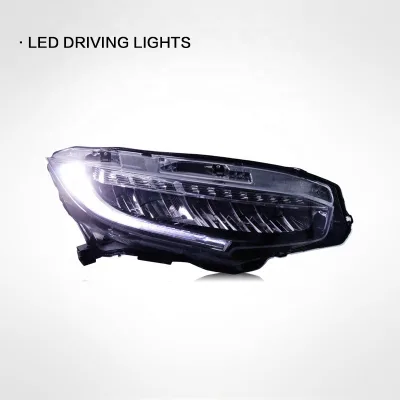


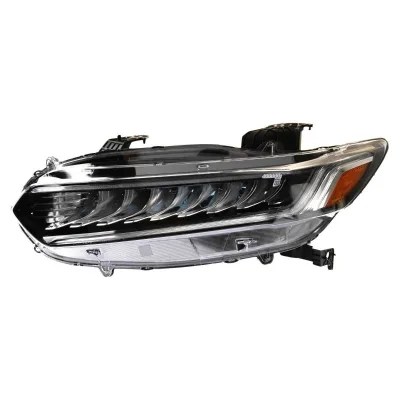
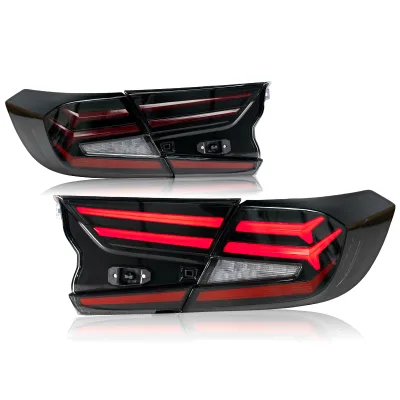
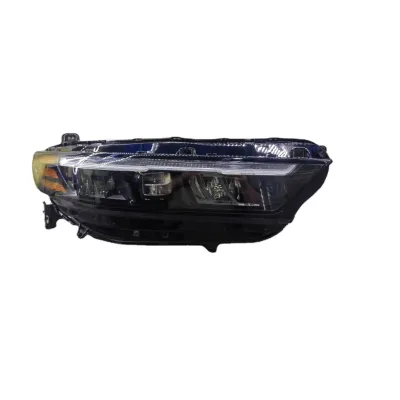
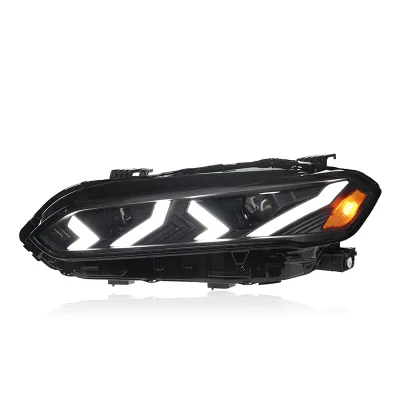
Car Spare Part Headlights Head Light Car Front Lamp for Honda Civic 2016-2020
$1.00 - $3.00
MOQ: 10 Pieces


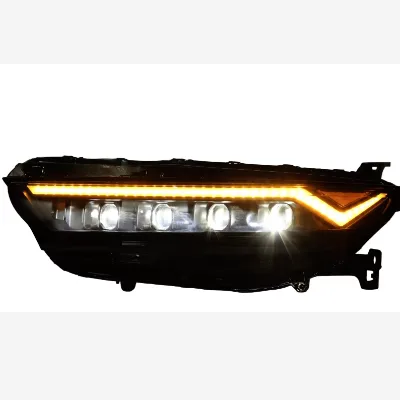
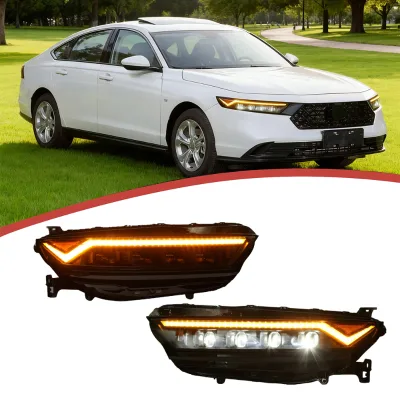
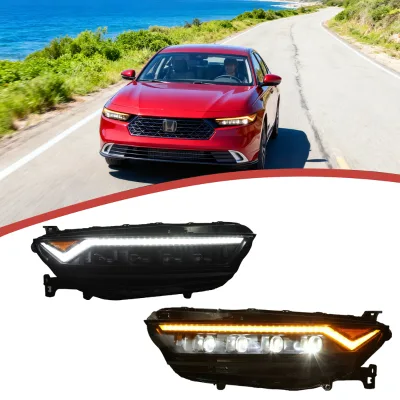
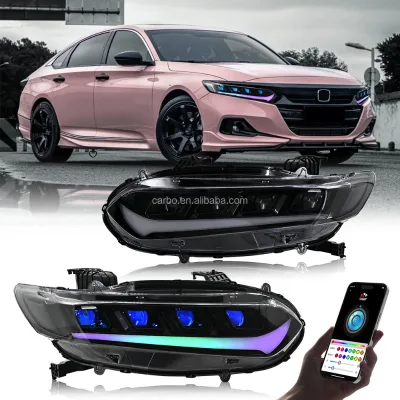
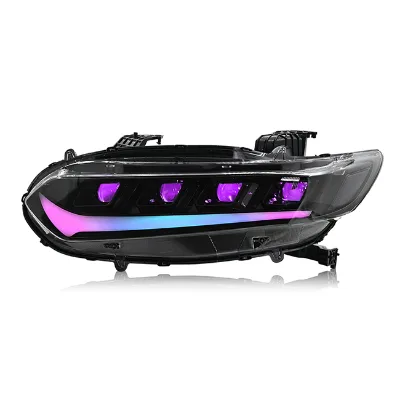
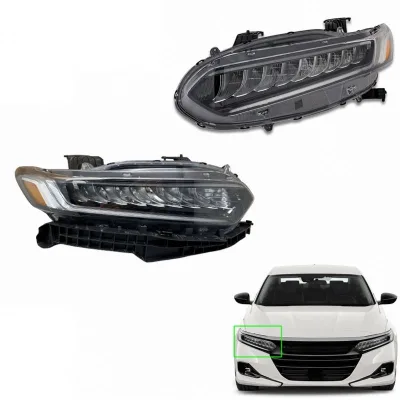
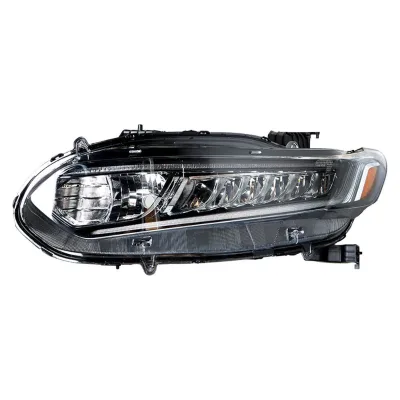
Comprehensive Sourcing Guide
Strategic Sourcing Guide for Honda Accord 2016-2021 Headlight Assemblies
Procuring replacement lighting systems for the Honda Accord within the 2016 to 2021 model years requires a disciplined approach that balances technical compatibility with rigorous supplier verification. The automotive lighting market is saturated with variations ranging from OEM-equivalent assemblies to aftermarket LED upgrades, each presenting distinct procurement challenges. For B2B buyers, the primary objective is to secure units that meet specific fitment criteria while ensuring long-term reliability and compliance with regional safety standards. This guide outlines the critical factors for sourcing these components, drawing on observed market data and technical requirements to establish a robust procurement framework.
Technical Specifications and Fitment Verification
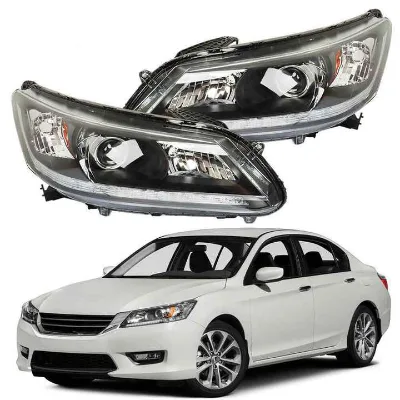
The foundation of any successful procurement cycle for Honda Accord headlights lies in precise technical specification matching. The 2016-2021 Accord generation features distinct lighting architectures that differ significantly from previous or subsequent model years. Buyers must verify that the product model is explicitly designated for "Honda Accord 2008-2013" or "For Honda Civic" if considering cross-compatibility, though the primary focus remains on the 2016-2021 Accord. Observed data indicates that specific listings reference models such as "For Honda Civic 11th" and "For Honda," necessitating a granular review of the product model field to ensure the unit is not mislabeled for a different chassis.
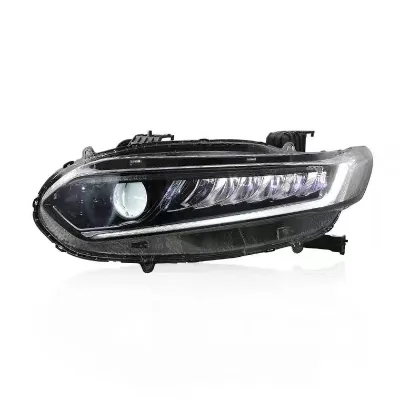
Voltage compatibility is a critical technical parameter that often varies between vehicle markets. While many automotive lighting systems operate on a standard 12V platform, observed product attributes list both 12V and 24V options. For the Honda Accord, the standard electrical system is 12V; therefore, any listing specifying 24V requires immediate validation to prevent electrical system damage. Furthermore, wattage ratings observed in the market include 36W units, which aligns with high-efficiency LED configurations. Buyers should confirm that the rated power matches the vehicle's electrical load capacity. The light color is frequently described as "LED headlight assembly," and the function often includes "High Beam" and "Front Position Lamp" capabilities. Ensuring that the specific assembly includes both high beam and position lamp functions is essential for regulatory compliance and safety.
| Specification Category | Observed Market Data | Verification Requirement |
|---|---|---|
| Voltage | 12V, 24V | Confirm 12V for standard Accord models |
| Wattage | 36W | Verify against vehicle electrical load |
| Material | LED, Plastic, Halogen | Confirm material matches desired performance |
| Base Type | P27W | Check bulb base compatibility if applicable |
| Fitment | High Fitment | Cross-reference with specific model year |
Compliance, Certification, and Safety Standards
In the B2B automotive sector, compliance is not merely a formality but a prerequisite for market entry and liability protection. While specific certification names were not universally listed in the provided product attributes, the presence of a "Standard" designation suggests adherence to general manufacturing norms. Buyers must independently verify that the supplier can provide documentation proving compliance with local safety regulations, such as ECE or DOT standards, depending on the destination market. The attribute "100% Tested" indicates a quality assurance process, but this should be corroborated with third-party test reports rather than accepted as a standalone claim.
Packaging standards also play a role in compliance and logistics. Observed data mentions "Carton Package" and "Standard packing," with specific dimensions noted as 754085cm for single packages. These dimensions are unusually large for a single headlight unit, suggesting that the listed size may represent a bulk carton or a specific packaging configuration for a set. Buyers should clarify whether the dimensions refer to the individual unit or the master carton to avoid miscalculations in freight costs and warehouse space. Additionally, the "Waterproof" resistance attribute is a critical safety feature for exterior lighting. This characteristic must be verified against IP rating standards (e.g., IP67) to ensure the assembly can withstand environmental exposure without failure.
Cost Drivers and Pricing Dynamics
The pricing structure for automotive lighting components is influenced by a complex interplay of material costs, technology level, and supply chain logistics. The observed price range in the market spans from $1 to $575 USD. This wide disparity reflects the difference between simple bulb replacements, which may fall at the lower end, and complete LED headlight assemblies, which command premium pricing due to integrated electronics and advanced optical engineering. A unit priced at $575 likely represents a high-end LED assembly with custom features, whereas a $1 item may be a single bulb or a low-cost aftermarket component.
MOQ (Minimum Order Quantity) is another significant cost driver. The observed MOQ range is 1 to 24 units, with specific listings noting an MOQ of "1 Pair." This flexibility allows buyers to test the market with small orders before committing to larger volumes. However, buyers should be aware that unit prices often decrease as order volume increases, a standard economic principle in B2B trade. The "Selling Units" attribute of "Single item" suggests that some suppliers sell individual units, while others may require purchasing in pairs to maintain symmetry in vehicle lighting. Understanding these unit structures is vital for accurate budgeting and inventory planning.
Typical Applications and Functional Requirements
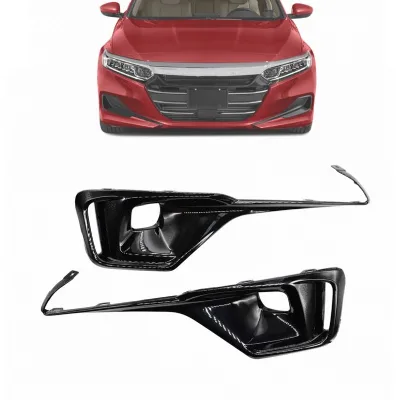
The application of Honda Accord headlights extends beyond simple illumination; they are integral to the vehicle's safety and aesthetic identity. The primary function observed is "Front Position Lamp" and "High Beam," which are essential for night driving and signaling. The "Position" attribute is listed as "Front Bumper," indicating that some components may be auxiliary lights or fog lamps rather than the main headlight assembly. Buyers must distinguish between main headlight units and auxiliary lighting to ensure the correct part is ordered.
The "Condition" of the product is another critical factor. While most listings specify "New," some entries list "Other" conditions, which could imply refurbished, used, or open-box items. For B2B procurement, "New" is generally the preferred condition to ensure warranty validity and performance consistency. The "Produce Name" is identified as "Car Headlight," confirming the general category, but the specific application for the 2016-2021 Accord requires careful filtering. The "Style" is predominantly "LED," reflecting the industry shift toward energy-efficient and brighter lighting solutions. However, "Halogen" materials are also observed, indicating that traditional technology is still available in the market. Buyers should align their procurement strategy with the specific technological requirements of their target customer base.
Supplier Evaluation and Operational Capabilities
Evaluating suppliers for automotive lighting components requires a deep dive into their operational capabilities and production standards. The "Place of Origin" is frequently listed as "Guangdong, China," a major manufacturing hub for automotive parts. This location suggests a robust supply chain but also necessitates due diligence regarding the specific factory's quality control processes. The "Brand Name" "Smart Star" appears in the data, serving as an example of a potential supplier identity, though buyers should not limit their search to this specific name.
Customization is a key differentiator in the supplier landscape. The attribute "Customization: Available" indicates that suppliers may offer OEM/ODM services, allowing buyers to request specific modifications or branding. The "OEM/ODM: Accept" attribute further supports this, suggesting flexibility in production. However, buyers must verify the extent of these customization options, including lead times and minimum order requirements for custom runs. The "Warranty" of "1 Year" is a standard offering, but the terms of this warranty should be clearly defined in the contract. Additionally, the "Resistance" to shock and water must be validated through actual testing data rather than relying solely on marketing claims.
Quality Control and Long-Term Procurement Considerations
Ensuring consistent quality is paramount in long-term procurement relationships. The "Quality" attribute is described as "High Quality," "Good quality," and "100% Tested." While these are positive indicators, they are subjective without objective metrics. Buyers should implement a rigorous quality control protocol that includes sampling, third-party inspections, and performance testing upon receipt of goods. The "Single gross weight" of 15.000 kg for a package suggests that the items are heavy, likely due to the inclusion of metal housings or multiple units. This weight impacts shipping costs and handling requirements, which must be factored into the total cost of ownership.
Long-term procurement considerations also involve the stability of the supply chain. The "OE No.: Contact us" attribute indicates that specific part numbers are not always publicly listed, requiring direct communication with the supplier to ensure compatibility. This lack of transparency can be a risk factor, as it may lead to errors in ordering. Buyers should establish a clear communication channel with suppliers to verify part numbers and specifications before placing orders. Furthermore, the "Customization" and "OEM/ODM" capabilities should be leveraged to build a unique value proposition, but only after confirming the supplier's ability to maintain consistent quality across different production runs.
In conclusion, sourcing Honda Accord 2016-2021 headlights requires a meticulous approach that prioritizes technical accuracy, compliance verification, and supplier reliability. By carefully analyzing the observed data and applying rigorous due diligence, buyers can navigate the complexities of the automotive lighting market to secure high-quality components that meet the demands of their customers. The wide range of prices, MOQs, and technical specifications available in the market offers significant opportunities for strategic sourcing, provided that buyers remain vigilant in their verification processes.
FAQs
What voltage options exist for Honda Accord headlights?
Both 12V and 24V options are observed in the market data. Buyers must verify that the unit is 12V to match the standard electrical system of the Honda Accord and prevent potential damage to the vehicle's electrical components.
Which materials are used for these headlight assemblies?
The product attributes list LED, Plastic, and Halogen as available materials. LED is the predominant style for modern assemblies, while Halogen options remain available for traditional lighting requirements.
Can I find suppliers offering customization for these lights?
Yes, customization is available and OEM or ODM services are accepted by suppliers. This allows buyers to request specific modifications or branding, though lead times and minimum order quantities for custom runs must be confirmed.
What is the typical packaging size for a single unit?
Single package sizes are listed as 85X45X75 cm with a gross weight of 15 kg. These dimensions likely represent a bulk carton or a specific configuration for a set rather than a single small unit.
How do I verify the fitment for my specific model year?
Verify that the product model explicitly states compatibility with your specific year, such as 2016-2020. Listings may also reference other models like Civic or Accord 2008-2013, requiring careful cross-referencing to ensure correct fitment.
What warranty terms are typically offered by suppliers?
A standard warranty of 1 year is commonly offered for these automotive lighting components. Buyers should ensure the warranty terms are clearly defined in the contract to protect against defects or premature failure.