Source Hunting Archery Equipment Case with Wheels for Bow Transport, Arrow Storage, and Field Carry
Compare 30 Hunting Archery Equipment Case with Wheels options from verified Chinese manufacturers. Buyers can evaluate specifications like waterproof ratings, internal dimensions, and delivery times to select the right gear for bow transport, arrow storage, and field carry.
Key considerations
Products List
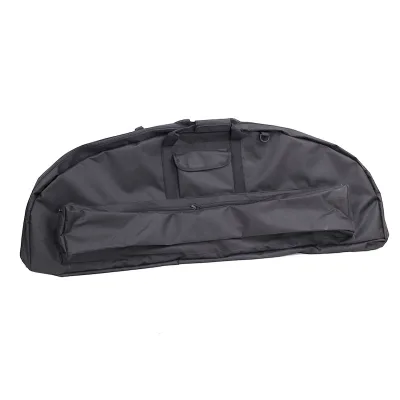
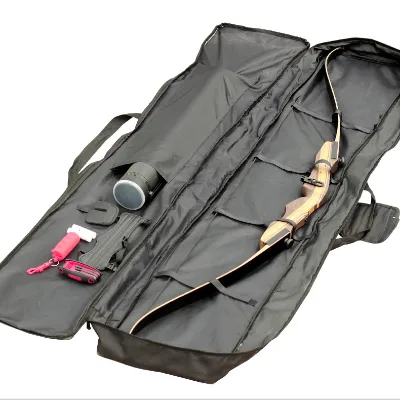
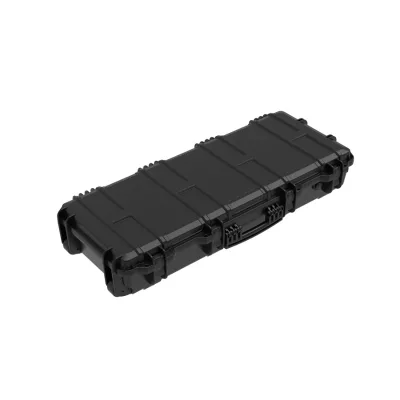
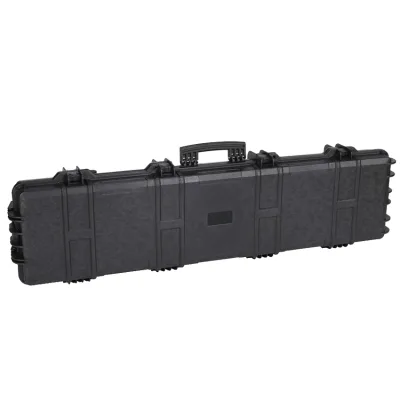
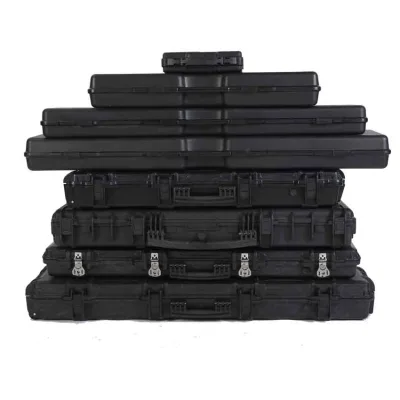
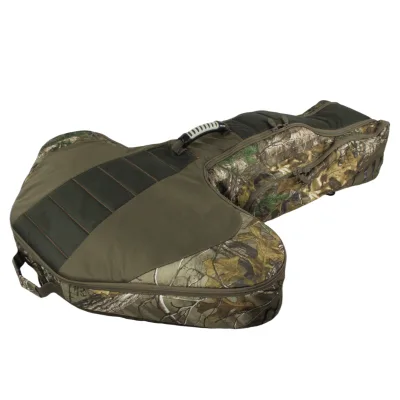
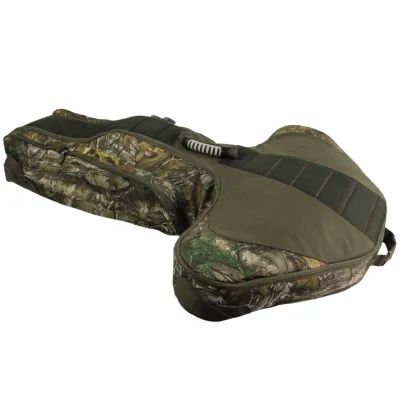
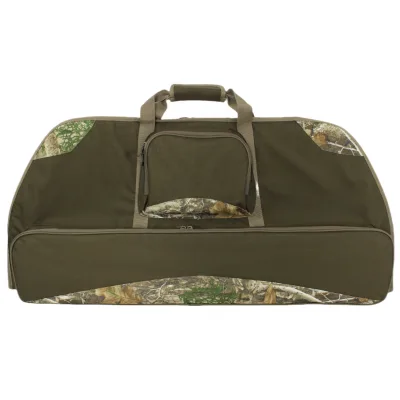
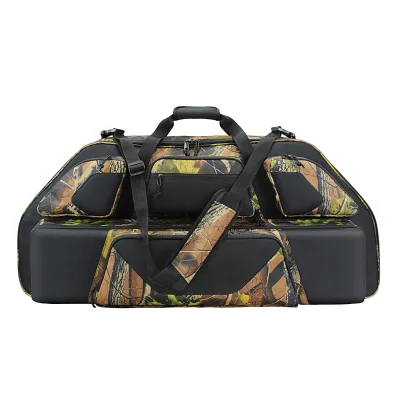
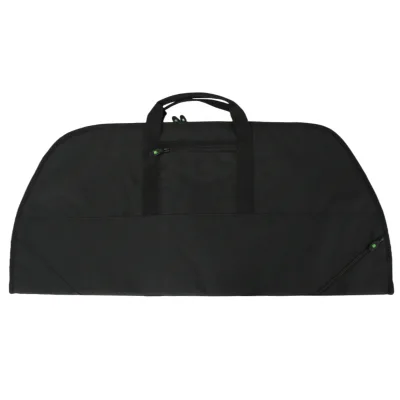
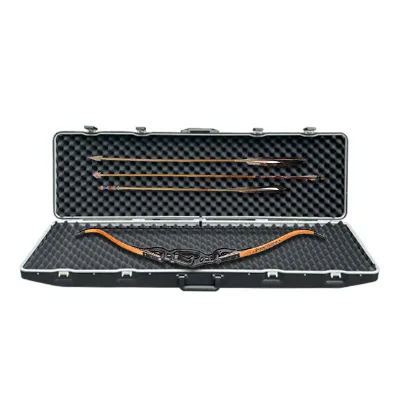

$19.00 - $50.00
MOQ: 10 Pieces
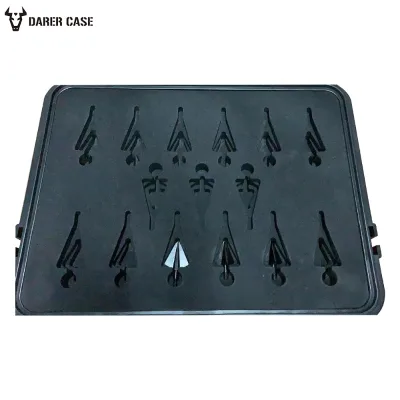


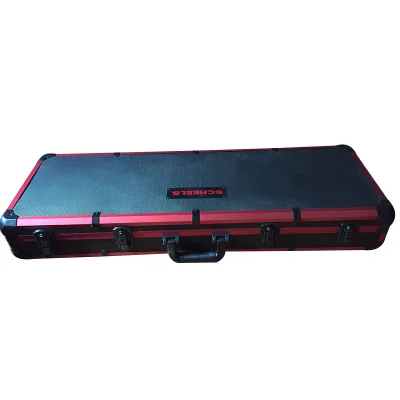
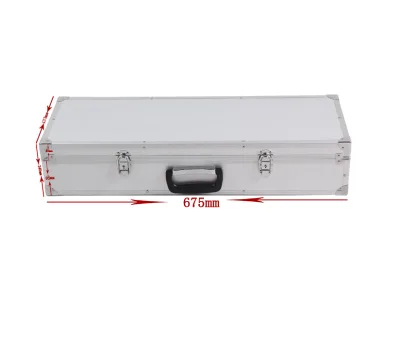

Newest Design Anodized Powder Coated Aluminum Equipment Case for Hunting Gear
$11.00 - $14.00
MOQ: 50 Pieces


Comprehensive Sourcing Guide
Strategic Sourcing Guide for Hunting Archery Equipment Cases with Wheels
Understanding the Product Category and Core Specifications
When sourcing hunting archery equipment cases with wheels, buyers must first distinguish between general carrying solutions and specialized transport units designed for heavy, high-value gear. The market offers a spectrum of products ranging from simple canvas shoulder bags to robust, wheeled hard cases. For the specific keyword of "Hunting Archery Equipment Case with Wheels," the focus shifts toward durability, impact protection, and mobility for large bow sets or arrow quivers.
Based on available product data, the category includes items with specific dimensions and material compositions. For instance, standard canvas cases often feature dimensions such as 4595cm or 45115cm, designed to accommodate recurve bows and accessories. These are typically constructed from canvas material or high-strength cloth, offering a balance between weight and protection. In contrast, specialized wheeled cases utilize advanced materials like PP (polypropylene) combined with glass fiber to ensure structural integrity. These hard cases often feature internal dimensions around 930x356x152mm (36.61"x14.02"x5.98") and include pick-and-puck foam for custom cushioning.
The presence of wheels is a critical differentiator. While many archery bags are designed as shoulder-type or portable types with adjustable straps, wheeled variants are engineered for logistics-heavy scenarios. These units typically include a wheel mechanism and are built to withstand rough handling during transport to hunting grounds or competition venues. The weight of these units varies significantly; canvas models may weigh around 1kg to 1.1kg, whereas heavy-duty wheeled cases can reach weights of 5.8kg or more, depending on the inclusion of wheels, foam inserts, and reinforced shells.
Technical Specifications and Material Integrity
Evaluating the technical specifications of archery cases requires a deep dive into material science and design geometry. The material composition is the primary determinant of a case's longevity and protective capabilities. Standard soft cases rely on canvas or high-strength cloth, which provides flexibility and water resistance but limited impact protection. Conversely, hard cases utilize a composite of PP and glass fiber. This combination offers a high strength-to-weight ratio, essential for protecting delicate recurve bows and precision arrows from crushing forces.
Dimensional accuracy is equally vital. Buyers must verify that the internal dimensions of the case align with the specific length of their archery equipment. Data indicates that bow cases are available in lengths ranging from 1.35m to 1.72m. A case designed for a 1.35m bow may not adequately secure a 1.72m bow, leading to potential damage during transit. Furthermore, the internal layout, such as the pick-and-puck foam system, allows for customization. This feature enables buyers to create a snug fit for specific bow models, preventing movement that could cause scratches or structural stress.
Water resistance is another technical parameter that requires verification. Some products in the market claim a waterproof rate of IP67, indicating protection against dust ingress and temporary immersion in water. For hunting scenarios where equipment may be exposed to rain, mud, or river crossings, this specification is crucial. However, buyers should not assume all canvas cases meet this standard. It is essential to confirm the specific IP rating or water-resistant coating of the material before finalizing a procurement order.
Compliance, Certification, and Safety Standards
In the realm of B2B procurement, compliance and certification are often the most misunderstood aspects of sourcing archery equipment. Unlike consumer electronics or medical devices, archery cases do not typically carry mandatory global safety certifications such as CE or UL, as they are passive storage units rather than active machinery. However, this does not mean compliance is irrelevant. Buyers must verify that the manufacturing processes adhere to local labor standards and environmental regulations in the country of origin.
For products originating from China, such as those from Anhui or Guangdong provinces, buyers should request documentation regarding the factory's production standards. While specific certification names like ISO 9001 may not be explicitly listed in product descriptions, the presence of OEM, ODM, and OBM support suggests a level of manufacturing maturity and quality control infrastructure. The "customized support" attribute indicates that suppliers are capable of adapting to specific buyer requirements, which often includes adhering to specific compliance protocols for international markets.
Buyers should also be vigilant about material safety. The use of glass fiber and PP plastics in hard cases must meet flammability and toxicity standards for the destination market. While the provided data does not list specific fire ratings, the presence of "high strength cloth" and "glass fiber" implies a need for verification that these materials do not release harmful fumes or particles under stress or heat. It is the buyer's responsibility to request Material Safety Data Sheets (MSDS) or equivalent documentation to ensure the materials meet the safety standards of the target export market.
Cost Drivers and Pricing Dynamics
The pricing of hunting archery equipment cases is influenced by a complex interplay of material costs, manufacturing complexity, and logistical factors. The observed price range in the market spans from $1 to $85 USD, a significant variance that reflects the difference between simple canvas bags and complex wheeled hard cases. The primary cost driver is the material composition. Canvas and cloth materials are generally less expensive than the PP and glass fiber composites used in hard cases. Additionally, the inclusion of wheels, reinforced handles, and custom foam inserts adds substantial manufacturing costs.
Minimum Order Quantity (MOQ) is another critical factor affecting the unit cost. The market data shows an MOQ range from 2 pieces to 600 pieces. Suppliers offering low MOQs, such as 2 pieces, often charge a premium per unit to cover setup and handling costs. Conversely, bulk orders with higher MOQs, such as 10 pieces or more, typically benefit from economies of scale, resulting in a lower price per unit. Buyers must balance their inventory needs with their budget constraints to determine the optimal order size.
Logistics and supply chain capabilities also impact the final cost. The "Supply Ability" of 5000 pieces per month indicates that some suppliers have the capacity to handle large orders without significant delays. However, the "Delivery Time" of 7-12 working days or 7-15 working days suggests that lead times can vary based on order volume and production scheduling. Buyers should factor in potential shipping costs, which can be significant for heavy items like wheeled cases weighing up to 5.8kg. The "Port of dispatch" being Shanghai is a common hub, but buyers should verify if the quoted price includes freight or if it is an Ex-Works (EXW) or Free on Board (FOB) term.
Typical Applications and Usage Scenarios
The intended use of archery cases dictates the specific features required. The market data highlights two primary usage categories: "Hunting" and "Shooting." Hunting applications demand cases that are rugged, weather-resistant, and capable of protecting equipment in outdoor environments. For hunters, the "Shoulder Type and Portable Type" designs are popular for their ease of carrying through dense terrain. However, for those transporting heavy equipment over long distances, wheeled cases offer a significant advantage by reducing physical strain.
In competitive shooting or training environments, the focus shifts to organization and protection. The "pick and puck foam" feature is particularly valuable here, as it allows for the secure storage of multiple arrows, sights, and other accessories alongside the bow. The "Internal Dim" specifications ensure that the equipment fits precisely, preventing rattling and damage during transport to and from the range. The "Color" options, including black and camouflage, also play a role in the selection process. Camouflage patterns are preferred for hunting to blend with the environment, while black is often chosen for shooting competitions for a professional appearance.
The "Type" classification of "Bow & Arrow Set" versus "Accessories" further clarifies the application. Cases labeled as "Bow & Arrow Set" are designed to hold the entire rig, including the bow and a quiver, whereas "Accessories" cases may be smaller and intended for individual components. Buyers must carefully assess their inventory needs to ensure they are purchasing cases that match the size and type of equipment they intend to store.
Supplier Evaluation and Quality Control Protocols
Selecting the right supplier is paramount to ensuring product quality and reliability. When evaluating potential partners, buyers should look for suppliers that offer "OEM, ODM, OBM" support, as this indicates a flexible and experienced manufacturing base. The "Place of Origin" in provinces like Anhui and Guangdong suggests a concentration of manufacturing expertise in China, but buyers should not rely solely on location. Instead, they should request samples to verify the quality of stitching, material thickness, and the functionality of wheels and zippers.
Quality control should be a continuous process rather than a one-time check. Buyers should establish clear acceptance criteria based on the product specifications. For example, verifying that the "Single gross weight" matches the stated 5.0kg or 5.8kg ensures that the materials used are consistent with the description. Additionally, checking the "Single package size" of 40X30X15 cm or 102X45X21 cm helps in planning logistics and storage.
It is also essential to verify the "Delivery Time" consistency. A supplier promising 7-12 working days must demonstrate the ability to meet this timeline consistently. Delays in production can disrupt the buyer's supply chain, leading to stockouts and lost sales. Buyers should consider implementing a pre-shipment inspection to ensure that the final products meet all agreed-upon specifications before they are shipped from the "Port of dispatch."
Long-Term Procurement Considerations and Sustainability
Sourcing hunting archery equipment cases is not just a one-off transaction but a long-term partnership that requires strategic planning. Buyers should consider the scalability of their supplier. A supplier with a "Supply Ability" of 5000 pieces per month can accommodate growth, but buyers must ensure that quality remains consistent as order volumes increase. The "Packaging Details" and "Packing" methods, such as "carbon boxes" or "OPP Bag," should be evaluated for their ability to protect the product during long-term storage and transit.
Sustainability is an emerging consideration in B2B procurement. While the provided data does not explicitly mention eco-friendly materials, buyers should inquire about the recyclability of the PP and glass fiber composites used in hard cases. The use of "High strength cloth" and canvas may also offer opportunities for sourcing more sustainable materials in the future. Additionally, the "Customized support" attribute allows buyers to work with suppliers to develop more environmentally friendly packaging solutions, reducing waste and improving the brand's sustainability profile.
Finally, buyers should plan for after-sales support and warranty. The "Feature" of "adjustable strap length" and the robust design of wheeled cases suggest a focus on user experience. However, if a wheel breaks or a zipper fails, the buyer needs a reliable mechanism for replacement or repair. Establishing a clear communication channel with the supplier for such issues is crucial for maintaining customer satisfaction and protecting the brand's reputation in the competitive archery market. By focusing on these long-term factors, buyers can build a resilient supply chain that supports their business growth and meets the evolving needs of their customers.
FAQs
What materials are used for hunting archery equipment cases with wheels?
Hard cases with wheels use PP and glass fiber for durability. Soft canvas bags rely on high-strength cloth or canvas material. The material choice depends on whether you need impact protection or lightweight portability for your gear.
Can I find wheeled cases with a specific waterproof rating?
Yes, some hard cases feature an IP 67 waterproof rate for dust and water protection. Standard canvas bags may offer water resistance but do not always meet the IP 67 standard. Verify the specific rating before purchasing for wet hunting conditions.
Which dimensions are available for archery bow cases?
Available sizes include lengths of 1.35m, 1.5m, and 1.72m for bows. Internal dimensions for hard cases can reach 930x356x152mm. Ensure the case length matches your specific bow size to prevent damage during transport.
How much do these cases typically weigh?
Canvas bags weigh approximately 1kg to 1.1kg per unit. Heavy-duty wheeled cases can weigh up to 5.8kg due to reinforced shells and wheels. Check the single gross weight to plan your shipping and handling logistics effectively.
What is the minimum order quantity for these products?
Minimum order quantities range from 2 pieces to 600 pieces depending on the supplier. Some vendors require 10 pieces for standard orders while others allow smaller batches. Review the specific MOQ for each product model before placing a bulk order.
Can suppliers offer customization for these archery cases?
Yes, many suppliers support OEM, ODM, and OBM customization services. You can request specific colors like black or camouflage and custom foam inserts. Confirm the customization options and lead times with the manufacturer before finalizing your design requirements.
How long does delivery take for these cases?
Delivery times typically range from 7 to 15 working days after order confirmation. Production capacity allows for 5000 pieces per month from major factories. Factor in the port of dispatch, usually Shanghai, when calculating total arrival time for your inventory.