Source Hypoallergenic Gold Pearl Necklace for gifts, fashion, and decoration
Compare 30 listings of Hypoallergenic Gold Pearl Necklace options featuring alloy, stainless steel, and 925 sterling silver materials. Buyers can evaluate plating types, lengths, and customization availability for gifts, fashion wear, and religious decoration; compare the available evidence and request quotations based on your requirements.
Updated
Key considerations
Products List
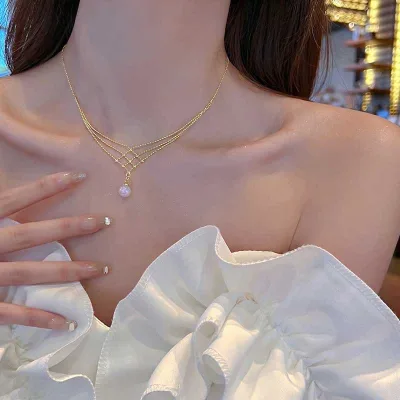
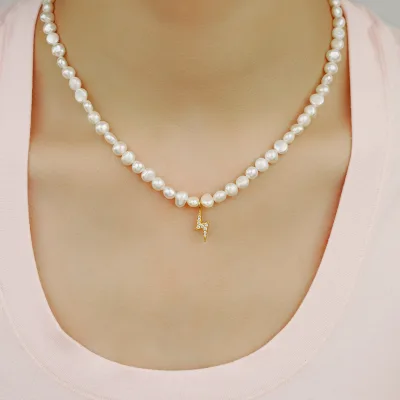
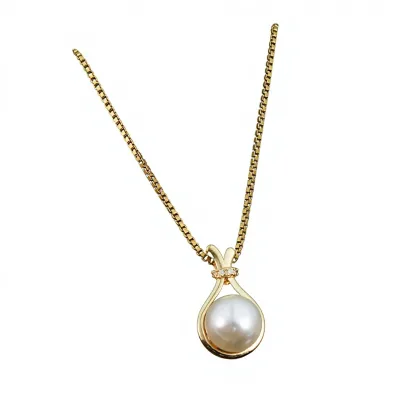
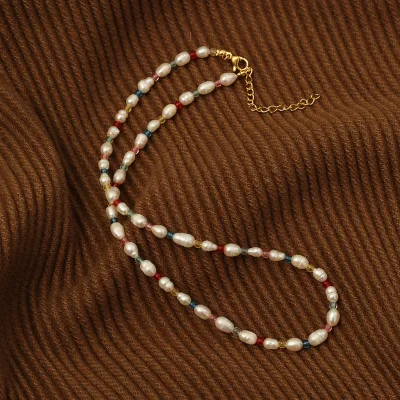
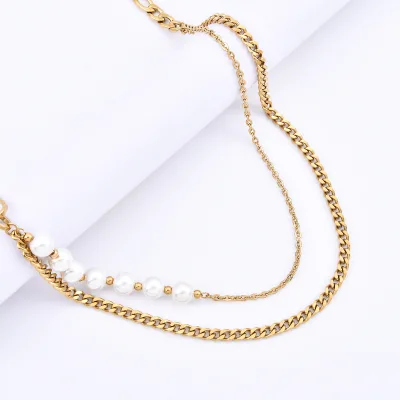
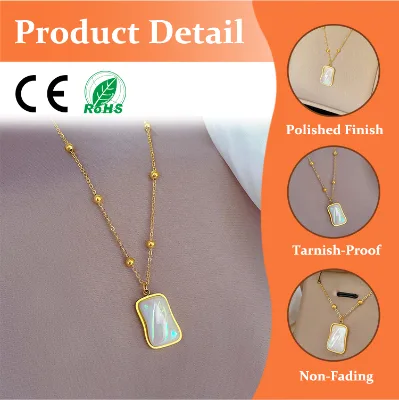
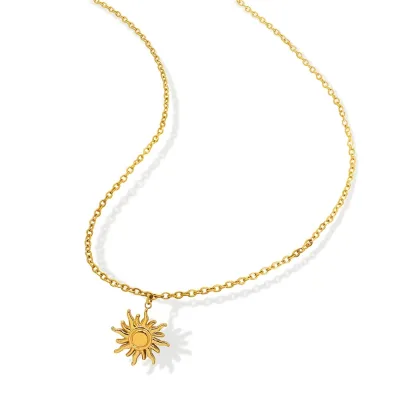
Simple Geometric Gold Plated Necklace Personality Multilayer Necklace Shine Pearl Necklace
$1.0358 - $1.1917
MOQ: 2 pieces











Comprehensive Sourcing Guide
Hypoallergenic Gold Pearl Necklace Sourcing Guide
Sourcing hypoallergenic gold pearl necklaces requires a nuanced understanding of material composition, plating integrity, and supplier transparency. Buyers must distinguish between solid gold, gold-plated alloys, and sterling silver options, as each offers different durability and skin-sensitivity profiles. The term "hypoallergenic" is often used loosely in listings, so verification of base metals and plating thickness is critical to ensure the product meets strict skin-contact standards. This guide outlines the essential steps for identifying reliable suppliers and validating product claims through observable data points.
Procurement teams should focus on suppliers who provide clear documentation regarding material origins and manufacturing processes. The presence of certifications such as SGS or specific material stamps like "925" for sterling silver can serve as initial indicators of quality. However, these markers alone are insufficient; buyers must cross-reference these claims with physical samples and third-party lab tests. Establishing a rigorous vetting process helps mitigate the risk of receiving products that fail to meet hypoallergenic standards, thereby protecting brand reputation and customer satisfaction in the competitive jewelry market.
Product Scope and Observed Listing Signals
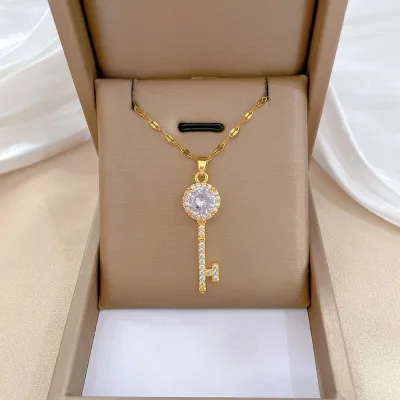
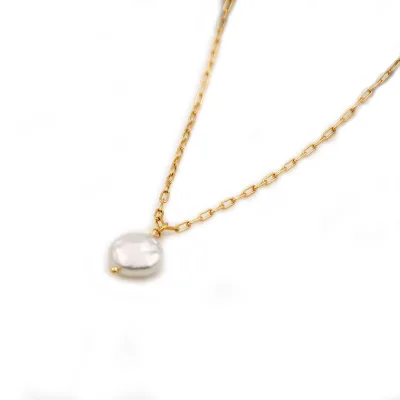
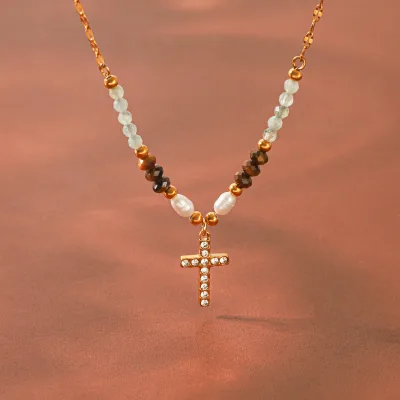
The current market landscape for hypoallergenic gold pearl necklaces reveals a diverse range of materials and design options. Observed listings indicate that products are frequently crafted from alloy, stainless steel, or 925 sterling silver, with gold plating being a common finish. Some items feature rhodium or silver plating as alternatives, catering to varied aesthetic preferences while maintaining hypoallergenic properties. The shape of the pendant or chain elements varies, with square, round, and bead-style designs appearing frequently. These variations allow buyers to select products that align with specific target demographics, whether for fashion-forward youth or more traditional elderly consumers.
Listing signals also highlight the importance of customization and packaging in the sourcing decision. Many suppliers offer OEM/ODM services, allowing for customized logos and packaging solutions, which are crucial for brand differentiation. The observed single package size of 22x22x22 cm and gross weight of 0.025 kg provide baseline logistical data for inventory planning. Additionally, the availability of customized packing options, such as OPP bags or strong cartons, indicates flexibility in supply chain management. Buyers should leverage these signals to identify suppliers who can accommodate specific branding and logistical requirements without compromising on the hypoallergenic integrity of the product.
Technical Specifications to Verify
Verifying technical specifications is paramount when sourcing hypoallergenic jewelry, particularly regarding plating and material composition. Buyers must confirm the thickness and type of gold plating, as thin layers can wear off quickly, exposing the base metal and causing allergic reactions. The observed data points to options like PVD plating, which offers superior durability compared to standard electroplating. Additionally, the setting method, such as micro wax setting, can impact the security and longevity of pearl or gemstone components. Understanding these technical details helps buyers assess the product's lifespan and suitability for long-term wear, ensuring that the hypoallergenic claim remains valid throughout the product's lifecycle.
Chain type and length are also critical technical factors that influence both comfort and aesthetic appeal. Listings show variations such as bead chains and charm necklaces, with lengths ranging from 16 to 20 inches. These specifications must align with the intended use case, whether for everyday wear or special occasions. Furthermore, the polish quality, described as high polish in some listings, affects the visual appeal and ease of cleaning. Buyers should request detailed technical sheets that specify chain link sizes, clasp types, and pearl dimensions to ensure consistency across batches. This level of detail is essential for maintaining quality control and meeting customer expectations for premium hypoallergenic jewelry.
Compliance and Safety Documentation
Compliance and safety documentation form the backbone of a trustworthy sourcing strategy for hypoallergenic products. Certificates such as SGS provide independent verification of material safety and compliance with international standards. Buyers should insist on seeing these certificates for each batch or product line, ensuring that the materials used do not contain harmful substances like nickel or lead. The presence of a "925" stamp on sterling silver items is a positive indicator, but it must be supported by official documentation. This rigorous approach to compliance helps mitigate legal risks and ensures that the products meet the stringent safety requirements of target markets, particularly in regions with strict jewelry regulations.
In addition to material certifications, buyers should verify the supplier's adherence to ethical manufacturing practices. While not always explicitly stated in listings, the availability of customized standards and logos suggests a level of professionalism and attention to detail. Suppliers who are willing to provide comprehensive documentation are more likely to maintain consistent quality and safety standards. Buyers should also inquire about the supplier's internal quality control processes and any additional testing they conduct beyond standard certifications. This proactive approach to compliance ensures that the hypoallergenic claims are substantiated by robust evidence, protecting both the buyer and the end consumer from potential health risks.
Cost Drivers and Commercial Terms
Understanding the cost drivers and commercial terms is essential for effective budgeting and negotiation in the sourcing process. The price range of $0.75 to $100 USD reflects significant variation based on material quality, plating thickness, and design complexity. Stainless steel and alloy options tend to be more affordable, while 925 sterling silver and intricate gold-plated designs command higher prices. Buyers should analyze these cost differences to determine the optimal balance between quality and margin. Additionally, the minimum order quantity (MOQ) ranges from 1 to 1000 units, offering flexibility for both small-scale testers and large-volume purchasers. This variability allows buyers to manage inventory risk and cash flow more effectively.
Commercial terms such as payment methods and delivery times also impact the overall cost of procurement. Suppliers typically accept payments via PayPal, T/T, or Western Union, with delivery times ranging from 20 to 35 days after receiving the deposit. These lead times must be factored into inventory planning to avoid stockouts or excess inventory. Buyers should negotiate favorable terms, such as extended payment periods or discounted shipping rates, to improve their bottom line. Furthermore, the availability of customized shipping methods like DHL, FedEx, or UPS provides options for optimizing logistics costs. By carefully evaluating these commercial terms, buyers can secure a competitive advantage and ensure a smooth procurement process.
Supplier Qualification and Quality Control
Supplier qualification is a critical step in ensuring the reliability and consistency of hypoallergenic gold pearl necklaces. Buyers should assess suppliers based on their production capacity, quality control systems, and customer service responsiveness. The observed data indicates that suppliers are located in regions like Zhejiang and Guangdong, China, which are known for their jewelry manufacturing expertise. However, geographic location alone is not a guarantee of quality. Buyers should conduct thorough due diligence, including factory audits and sample evaluations, to verify the supplier's capabilities. This process helps identify suppliers who can consistently deliver high-quality products that meet hypoallergenic standards.
Quality control measures should be integrated into the procurement process from the outset. Buyers should establish clear quality benchmarks and inspection protocols, including random sampling and third-party testing. The availability of customized packaging and logos suggests that suppliers are capable of meeting specific brand requirements, but this must be validated through rigorous testing. Buyers should also monitor supplier performance over time, tracking metrics such as defect rates and delivery punctuality. By maintaining a proactive approach to supplier qualification and quality control, buyers can minimize risks and ensure a steady supply of premium hypoallergenic jewelry products.
Long-Term Procurement Checks
Long-term procurement checks are essential for maintaining a sustainable and competitive supply chain for hypoallergenic gold pearl necklaces. Buyers should regularly review supplier performance and market trends to identify potential risks and opportunities. This includes monitoring changes in material costs, regulatory requirements, and consumer preferences. By staying informed about these factors, buyers can adapt their sourcing strategies to remain competitive and responsive to market demands. Additionally, building strong relationships with suppliers can lead to better pricing, priority production, and access to new product innovations. These long-term checks ensure that the procurement process remains efficient and effective over time.
Continuous improvement in quality and compliance is another key aspect of long-term procurement. Buyers should encourage suppliers to adopt best practices in manufacturing and sustainability, such as using eco-friendly materials and reducing waste. This not only enhances the brand's reputation but also aligns with growing consumer demand for ethical and sustainable products. Regular audits and feedback loops with suppliers can help drive these improvements. By focusing on long-term procurement checks, buyers can build a resilient supply chain that delivers high-quality, hypoallergenic jewelry products while minimizing risks and maximizing value.
FAQs
What materials are used for hypoallergenic gold pearl necklaces?
These necklaces are crafted from stainless steel, 925 sterling silver, or alloy to ensure hypoallergenic properties. The plating options include gold, rhodium, or silver finishes. This combination provides durability while maintaining a luxurious appearance suitable for daily wear without causing skin irritation.
Can I customize the logo on these necklaces?
Yes, customization is available for logos and stamps on these items. You can request a 925 stamp or a customized logo design. This service allows buyers to brand the jewelry uniquely while adhering to the specific material and plating requirements of the selected product model.
What is the delivery time for these orders?
The standard delivery time is 20 to 35 days after receiving the deposit. This timeline applies to the manufacturing and shipping process for the customized or standard items. Buyers should plan their inventory accordingly to ensure timely receipt of the goods at their destination.
Which certifications do these necklaces hold?
The products come with SGS certification to verify quality and safety standards. Additional certificates are available upon request for specific market requirements. This ensures that the hypoallergenic claims and material compositions meet international safety regulations for jewelry sold globally.
How are these necklaces packaged for shipping?
Items are packed in OPP bags and placed inside strong cartons for protection. Custom packaging options are also available to meet specific branding needs. This secure packaging method ensures the jewelry arrives in pristine condition, preventing damage during transit to the final destination.
What are the available length options for these necklaces?
Standard lengths include 16 inches, 18 inches, and 20 inches to suit various styles. Some models offer a size of 35 plus 5 centimeters for adjustable fit. These dimensions allow buyers to select the perfect length for their target demographic, whether for women, men, or the elderly.
Where are these necklaces manufactured?
Manufacturing takes place in Zhejiang, Guangzhou, or Guangdong, China. These regions are known for their jewelry production capabilities and supply chains. Buyers can expect efficient logistics and established manufacturing processes when sourcing these hypoallergenic gold pearl necklaces from these specific locations.