Source Luxury Beaded Pearl Bralette for fashion, events, and daily wear
Compare 30 Luxury Beaded Pearl Bralette options featuring varied designs, materials, and styles. Buyers can evaluate specifications like cup size, strap type, and customization availability to find the right fit for their needs; compare the available evidence and request quotations based on your requirements.
Updated
Key considerations
Products List
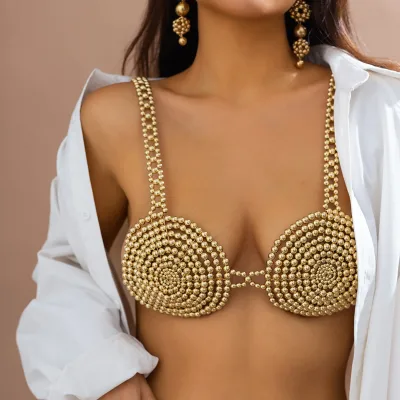


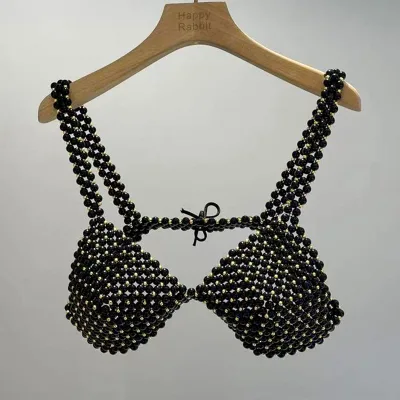
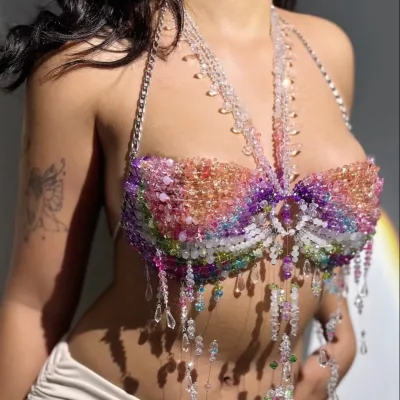
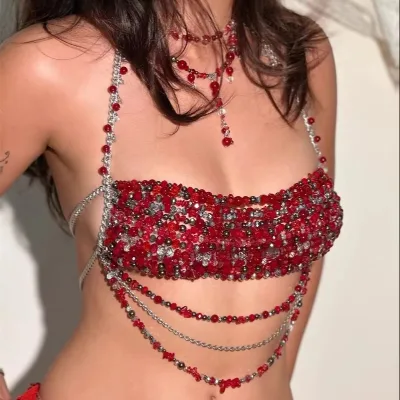

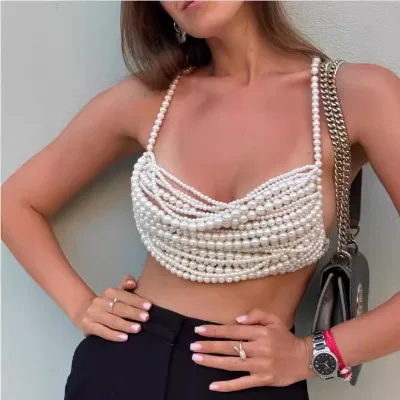
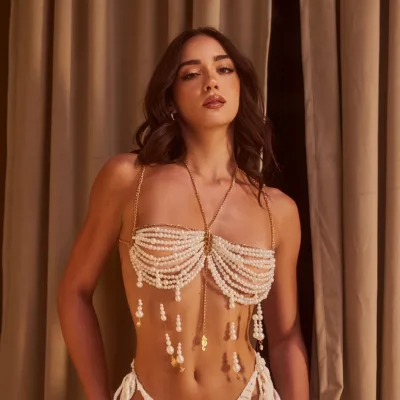
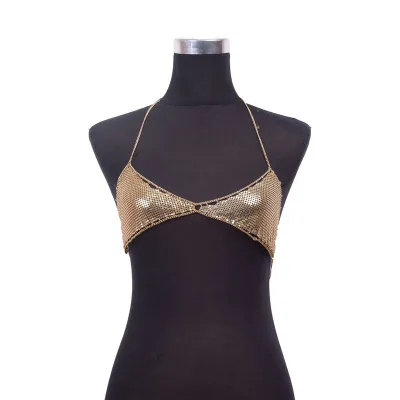
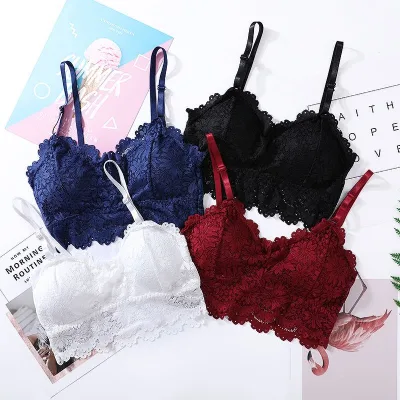
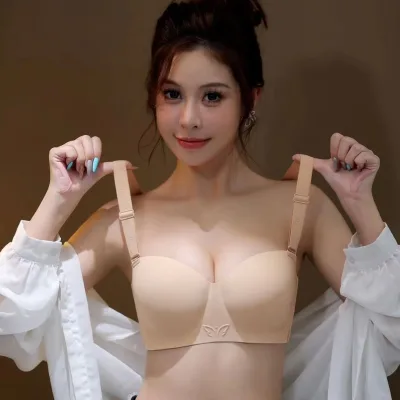


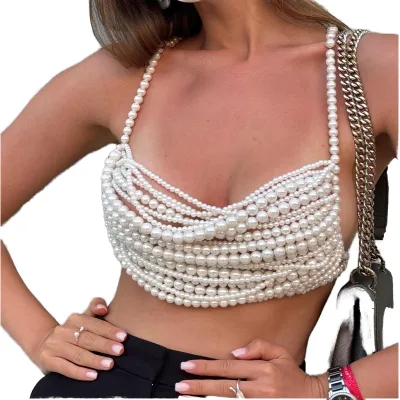


Comprehensive Sourcing Guide
Luxury Beaded Pearl Bralette Sourcing Guide
Sourcing luxury beaded pearl bralettes requires a nuanced understanding of the intersection between delicate craftsmanship and structural integrity. Buyers must recognize that this category blends traditional lingerie aesthetics with high-end decorative elements, demanding suppliers who excel in both knitting techniques and beadwork application. The observed market signals indicate a diverse range of styles, from seamless designs to traditional underwire constructions, each presenting unique challenges in quality control and material sourcing.
Procurement teams should prioritize suppliers who demonstrate verified expertise in handling mixed materials, such as nylon blends combined with intricate bead or pearl embellishments. The presence of various cup shapes, including half cups and full cups, suggests that a one-size-fits-all approach to supplier qualification is ineffective. Instead, buyers need to evaluate specific production capabilities for each style variant, ensuring that the decorative elements do not compromise the garment’s fit, comfort, or durability during wear and laundering.
Product Scope and Observed Listing Signals
The current market landscape for luxury beaded pearl bralettes reveals a wide spectrum of design attributes, ranging from fashion-forward racerback styles to traditional underwire supports. Observed listings highlight specific models such as VA-82 and V25053, which showcase distinct features like push-up functionality and wire-free comfort. These variations indicate that buyers must carefully define their target demographic, as the aesthetic appeal of beaded details must align with the underlying structural support required by different customer segments.
Color and pattern options further complicate the sourcing process, with available palettes including white, gold, black, and purple, alongside solid and floral prints. The customization availability noted in several listings suggests that brands can tailor these pieces to specific seasonal trends or collection themes. However, the presence of basic strap types alongside backless and strapless designs requires precise specification management to ensure that the final product meets the intended visual and functional requirements of the end consumer.
Technical Specifications to Verify
Verifying technical specifications is critical when sourcing beaded pearl bralettes, particularly regarding material composition and construction techniques. The standard composition of 90% nylon and 10% spandex provides essential elasticity and durability, but buyers must confirm that this blend is consistent across all colorways and styles. Additionally, the knitting and printing techniques used must be evaluated to ensure that the fabric’s stretch recovery is not compromised by the weight or attachment method of the beads and pearls.
Cup shape and size specifications, such as B cup or A cup options, must be cross-referenced with the corresponding bra part components, including cups and straps. Buyers should verify that the layering, such as two-layer constructions, provides adequate opacity and support without adding unnecessary bulk. The packing methods, whether flat-packed into polybags or hung with tags, also impact the product’s presentation and protection during transit, requiring clear agreements on packaging standards to prevent damage to delicate embellishments.
Compliance and Safety Documentation
Compliance and safety documentation form the backbone of responsible sourcing for luxury lingerie items, ensuring that products meet international regulatory standards. Buyers must request certificates of conformity that verify the safety of dyes, beads, and pearls used in the manufacturing process, particularly regarding heavy metal content and chemical residues. These documents are essential for market access in regions with strict textile regulations, protecting brands from potential recalls or legal liabilities associated with non-compliant materials.
Furthermore, safety testing should extend to the mechanical integrity of the embellishments, ensuring that beads and pearls are securely attached to withstand normal wear and tear. Buyers should inquire about the supplier’s quality assurance protocols for inspecting each piece for loose threads, uneven stitching, or insecure bead placements. Establishing clear acceptance criteria for these safety and quality metrics helps mitigate risks and ensures that the final product maintains its luxury appeal while adhering to consumer safety expectations.
Cost Drivers and Commercial Terms
Cost drivers for luxury beaded pearl bralettes are heavily influenced by the complexity of the embellishment process and the quality of raw materials. The manual application of beads and pearls significantly increases labor costs compared to standard knitted garments, making it essential for buyers to understand the breakdown of material versus labor expenses. Suppliers may offer varying price points based on the density of beadwork, the type of pearls used, and the intricacy of the design, requiring detailed cost analysis to negotiate favorable terms.
Minimum order quantities (MOQs) and lead times also play a crucial role in commercial planning, with observed ranges indicating flexibility for both small and large orders. Buyers should negotiate clear terms regarding customization fees, sample costs, and payment schedules to avoid unexpected expenses. Understanding the supplier’s production capacity and scheduling helps in aligning order volumes with inventory needs, ensuring that the luxury appeal of the product is maintained without incurring excessive holding costs or stockouts.
Supplier Qualification and Quality Control
Supplier qualification for luxury beaded pearl bralettes requires a rigorous assessment of both technical capabilities and quality control systems. Buyers should conduct on-site or virtual audits to evaluate the supplier’s expertise in handling delicate materials and their proficiency in beadwork application. This includes reviewing their production lines for specialized equipment and trained artisans who can maintain consistency in design execution and finish quality across large production runs.
Quality control protocols must be established to address the specific risks associated with embellished garments, such as bead loss or fabric distortion. Buyers should implement pre-production sample approvals and in-line inspections to catch defects early in the manufacturing process. Defining clear rejection criteria for issues like uneven bead spacing or loose attachments ensures that only products meeting the highest luxury standards reach the final consumer, protecting the brand’s reputation for quality and craftsmanship.
Long-Term Procurement Checks
Long-term procurement checks for luxury beaded pearl bralettes involve continuous monitoring of supplier performance and market trends. Buyers should establish key performance indicators (KPIs) related to defect rates, on-time delivery, and responsiveness to design changes to ensure ongoing supplier reliability. Regular performance reviews help identify areas for improvement and foster a collaborative relationship that supports innovation and quality enhancement over time.
Additionally, staying informed about evolving consumer preferences and regulatory changes is essential for maintaining a competitive edge. Buyers should periodically reassess their supplier base to ensure alignment with sustainability goals and ethical sourcing practices. By maintaining a proactive approach to supplier management and market analysis, brands can ensure that their Luxury Beaded Pearl Bralette offerings remain relevant, high-quality, and compliant with global standards.
FAQs
What materials are used in these bralettes?
The bralettes are primarily constructed from a blend of 90% nylon and 10% spandex. This specific material standard ensures durability and elasticity. Some styles also incorporate knitted or printed techniques to enhance the final texture and fit for the wearer.
Which cup sizes are available for these styles?
Available cup sizes include A Cup and B Cup options. Specific models feature half cup, three-quarter cup, or full cup shapes. Buyers can select the appropriate fit based on the specific product model number and the desired coverage level for their inventory needs.
Can these items be customized for buyers?
Yes, customization is available for these bralette styles. Buyers can request specific design adjustments or packaging modifications. The products are typically packed in polybags with hangtags, but custom packing solutions can be arranged to meet specific retail or distribution requirements.
What are the common color options?
Common color options include white, black, blue, purple, gold, and silver. Some styles offer mixed color variations like white and gold combinations. These colors are selected to match current fashion trends and provide versatile options for various customer preferences and seasonal collections.
Where are these products manufactured?
These products originate from China, with specific manufacturing located in Jieyang, Guangdong. This region is known for its textile industry capabilities. Buyers can rely on established supply chains from this location for consistent quality and efficient logistics for international orders.
What is the typical MOQ for these items?
The minimum order quantity ranges from 3 to 4800 pieces depending on the specific style. Lower MOQs may apply for standard items, while larger quantities are often required for customized orders. Buyers should check the specific product model to determine the exact MOQ requirements.