Source Aperture Setting Gold Necklace for Decoration, Health, Religious
Compare 30 Aperture Setting Gold Necklace options featuring 925 sterling silver, brass, and various plating finishes. Buyers can evaluate models like SN31753-M and N34164-BR for customization, sample fees, and delivery times ranging from 20 to 35 days; compare the available evidence and request quotations based on your requirements.
Updated
Key considerations
Products List


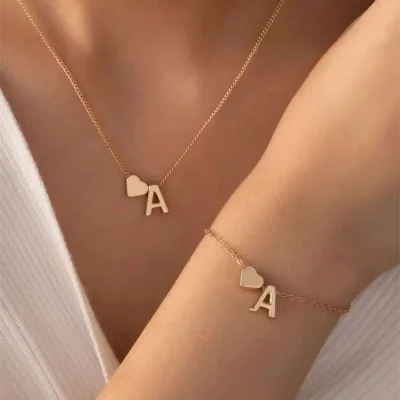


Gold Necklace Starfish Pendant Collarbone Necklace for Fashion Jewelry Accessories
$26.46 - $32.53
MOQ: 1 Pieces


Fashion jewelry elegant gold colored zirconia collarbone necklace for accessories
$20.79 - $26.19
MOQ: 1 Pieces





Comprehensive Sourcing Guide
Aperture Setting Gold Necklace Sourcing Guide
Sourcing aperture setting gold necklaces requires a nuanced understanding of both the aesthetic appeal and the technical precision involved in their construction. These pieces typically feature intricate designs where metalwork frames gemstones or charms, creating a distinctive visual depth that appeals to fashion-forward consumers. Buyers must recognize that "aperture" often refers to the open-work or framed design elements rather than a mechanical component, necessitating close collaboration with suppliers to ensure the final product matches the intended artistic vision.
The procurement process for these items involves balancing style trends with material integrity. Given the observed market data, products range from simple fashion accessories to more complex pieces using 925 sterling silver with gold plating. Procurement teams should focus on verifying the specific plating thickness and base material, as these factors directly influence durability and customer satisfaction. Understanding the supplier’s capability to handle delicate settings is crucial for maintaining quality across large orders.
Product Scope and Observed Listing Signals
The current market landscape for gold necklaces includes a diverse array of styles, from simple pendants to elaborate charm sets. Observed listings indicate a strong presence of fashion-oriented designs, with many products featuring gold, silver, or rhodium plating over brass or sterling silver bases. The price range is broad, reflecting variations in material quality and complexity, with some items starting at very low entry points while others command higher prices due to intricate craftsmanship or precious metal content.
Key signals from supplier listings highlight the importance of customization and branding. Many manufacturers offer OEM and ODM services, allowing buyers to tailor designs to their specific brand identity. Common attributes include customizable logos, various pendant shapes such as stars, flowers, or charms, and specific model numbers that help in tracking inventory. Buyers should pay attention to these details to ensure the products align with their target demographic’s preferences for style and personalization.
Technical Specifications to Verify
Verifying technical specifications is critical to ensuring the longevity and aesthetic quality of aperture setting gold necklaces. Buyers must confirm the base material, which can range from brass to 925 sterling silver, as this affects both weight and hypoallergenic properties. The plating process, whether it involves gold, rhodium, or platinum, should be clearly defined to prevent tarnishing and ensure color consistency. Additionally, the setting method, such as micro wax setting, impacts how securely stones are held in place.
Dimensional accuracy and packaging standards are also vital technical considerations. Listings often specify dimensions, such as a length of 45cm or specific pendant sizes, which must be verified against sample products. Packaging requirements, ranging from individual OPP bags to sturdy cartons, protect the delicate aperture settings during transit. Buyers should request detailed technical drawings or samples to confirm that the physical attributes match the digital listings, particularly for items with complex geometric shapes or delicate metalwork.
Compliance and Safety Documentation
Compliance with international safety standards is non-negotiable for jewelry imports, particularly when dealing with metals and platings that come into direct contact with skin. Buyers should insist on certificates of compliance, such as SGS certification, which verify that the products meet specific regulatory requirements for heavy metals and chemical safety. These documents provide assurance that the gold plating and base materials do not contain harmful substances that could cause allergic reactions or violate import regulations in target markets.
Beyond material safety, documentation should also cover the origin and standard of the products. Suppliers may provide information on whether the items adhere to specific industry standards, such as those for brass or customized jewelry manufacturing. It is essential to verify that the supplier can provide consistent documentation for each batch, ensuring that every shipment meets the same safety and quality benchmarks. This diligence helps mitigate legal risks and protects the brand’s reputation in the global marketplace.
Cost Drivers and Commercial Terms
Understanding the cost structure of gold necklaces involves analyzing several key drivers, including material costs, labor intensity, and customization requirements. The choice between brass and sterling silver significantly impacts the base price, while the thickness and type of plating add further variability. Buyers should also consider the cost of customization, such as logo stamping or unique packaging, which can increase the unit price but add value to the final product.
Commercial terms, including minimum order quantities (MOQ) and payment methods, play a crucial role in budgeting. Observed MOQs vary, with some suppliers requiring as few as 30 pieces, while others may have higher thresholds. Payment terms typically include options like T/T, Western Union, or PayPal, and buyers should negotiate favorable conditions, such as sample fee refunds upon order placement. Lead times, often ranging from 20 to 35 days after deposit, must be factored into inventory planning to avoid stockouts or excess holding costs.
Supplier Qualification and Quality Control
Qualifying suppliers for aperture setting gold necklaces requires a thorough assessment of their manufacturing capabilities and quality control processes. Buyers should verify the supplier’s experience with similar products, particularly those involving delicate settings or intricate metalwork. Requesting references or case studies can provide insight into their reliability and consistency. Additionally, assessing their ability to handle OEM and ODM requests ensures they can meet specific design and branding needs.
Quality control measures should be established before production begins. This includes defining clear acceptance criteria for plating uniformity, setting security, and overall finish. Buyers may consider third-party inspections to verify that the products meet the agreed-upon specifications before shipment. Establishing a robust quality control protocol helps minimize defects and returns, ensuring that the final products delivered to customers are of the highest standard and reflect the brand’s commitment to quality.
Long-Term Procurement Checks
Long-term procurement success depends on continuous monitoring of supplier performance and market trends. Buyers should regularly review supplier delivery times, product consistency, and responsiveness to issues. Establishing a feedback loop with the supplier allows for continuous improvement and adaptation to changing customer preferences. This proactive approach helps maintain a competitive edge and ensures that the product line remains relevant and appealing to the target audience.
Additionally, staying informed about regulatory changes and material cost fluctuations is essential for long-term planning. Buyers should periodically reassess their supplier base to ensure they are getting the best value and quality. Building strong relationships with reliable suppliers can lead to better pricing, priority production, and access to new designs. By maintaining a strategic focus on quality and compliance, buyers can sustain a successful and profitable jewelry business over time.
FAQs
What materials are used for these necklaces?
The necklaces are crafted from 925 Sterling Silver and brass standards. Some items feature gold, rhodium, silver, platinum, or copper plating options. The core material ensures durability and a premium finish suitable for fashion decoration and religious usage.
Can I customize the logo on the product?
Yes, customization is available for logos and stamps. You can choose a 925 stamp or request a customized logo design. The service welcomes OEM and ODM requests, allowing you to tailor the product branding to your specific business needs and market requirements.
What is the minimum order quantity for these items?
The standard MOQ is 30 pieces per model. However, observed ranges indicate flexibility from 1 to 1000 units depending on the specific supplier and product line. This low entry point allows for testing market demand before committing to larger bulk orders.
How long does delivery take after payment?
Delivery typically occurs within 20 to 35 days after receiving the deposit. Some listings specify a window of 30 to 35 days post-deposit. Sample times are within 15 work days, and sample fees are returned upon placing the main order.
Which certifications are provided for the silver products?
SGS certification is provided for the 925 Sterling Silver products. This ensures the material composition meets international standards for purity and quality. Buyers can verify the authenticity of the silver content through this documented certification before finalizing bulk procurement agreements.
What packaging options are available for shipment?
Products are packed in individual OPP bags or PP bags, placed inside strong cartons. Custom packaging requests are welcome to meet specific client requirements. This ensures safe transit via DHL, FedEx, TNT, UPS, or other carriers while protecting the delicate jewelry items.