Source 14k Gold Plated Beaded Bracelet with Imitation Pearl for gifts decor fashion
Compare 30 listings of 14k Gold Plated Beaded Bracelet with Imitation Pearl from verified Chinese suppliers. Options include white, gold, and blue styles with nickel and lead-free testing for informal occasions and gifts; compare the available evidence and request quotations based on your requirements.
Updated
Key considerations
Products List


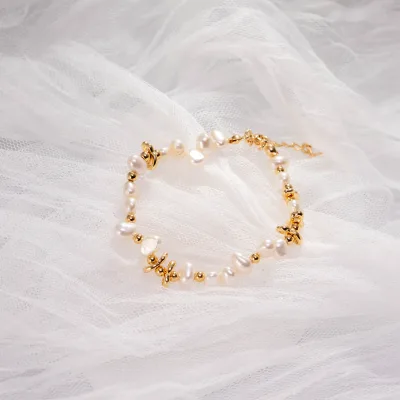
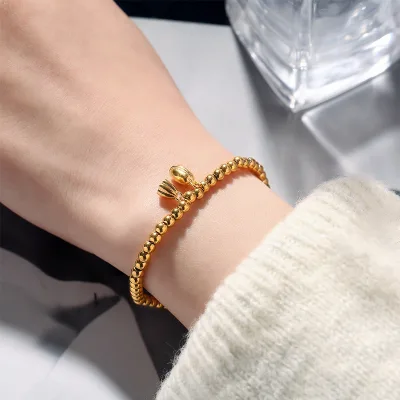
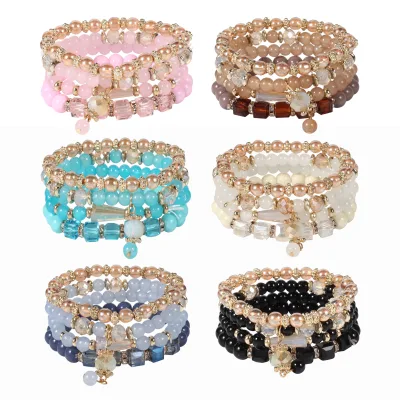
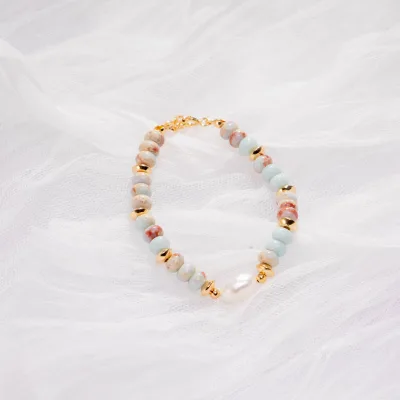


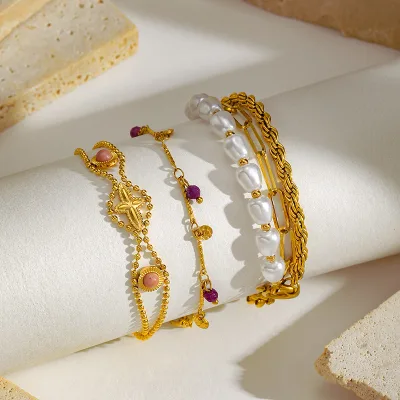

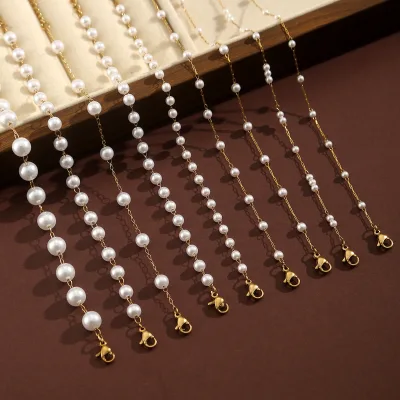
Pearl Necklace, Pearl Bracelet, 14K Gold Plated Stainless Steel Trendy Gold Necklaces
$1.19 - $1.49
MOQ: 500 Pieces


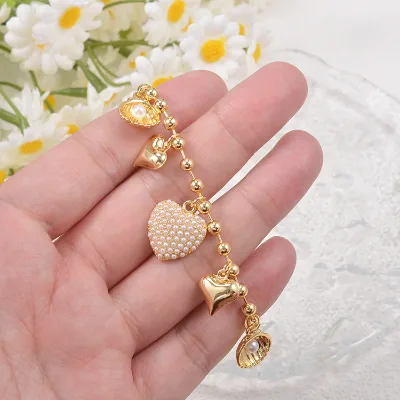
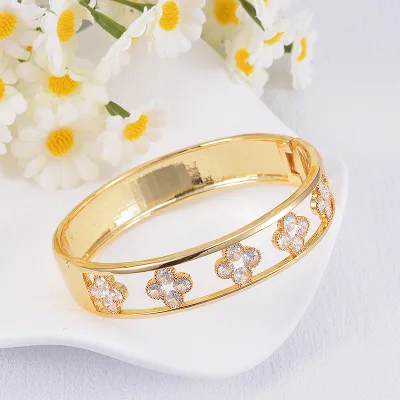
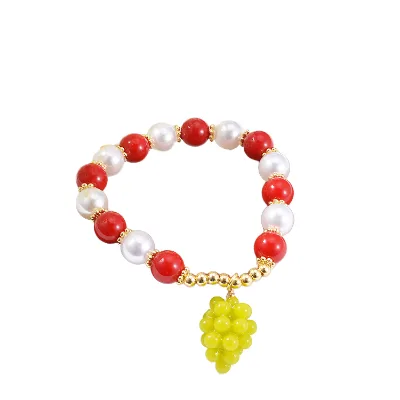

Comprehensive Sourcing Guide
14k Gold Plated Beaded Bracelet with Imitation Pearl Sourcing Guide
Sourcing this specific jewelry category requires balancing aesthetic appeal with rigorous material verification, as the market contains diverse interpretations of "gold plated" and "imitation pearl." Buyers must distinguish between products that are genuinely 24K gold plated over a gold base and those that use cheaper alloys with thin plating, which can lead to rapid tarnishing and customer dissatisfaction. The observed product landscape includes variations ranging from simple glass beads to vintage-style beaded bracelets featuring imitation pearls, each demanding different quality control protocols. Understanding these material distinctions is critical for defining accurate product specifications and avoiding miscommunication with suppliers who may use generic terms to describe their inventory.
Procurement teams should also navigate the wide range of customization options available, including OEM and ODM services that allow for unique branding and packaging solutions. The supply chain often originates from key manufacturing hubs in China, such as Guangdong and Zhejiang provinces, where suppliers offer flexible production capabilities for small to medium-sized orders. It is essential to verify whether the supplier can accommodate specific design requests, such as custom flower patterns or specific color palettes like acid blue, black, pink, or white, while maintaining consistent quality across batches. This flexibility is a significant advantage for brands looking to create exclusive collections that stand out in competitive retail environments.
Product Scope and Observed Listing Signals
The current market listings reveal a broad spectrum of bracelet types that fall under the general category of beaded jewelry, including items made from glass, pearl, copper, and various metal alloys. Observed attributes indicate that styles range from simple and modern to vintage and star-fashion designs, catering to diverse consumer preferences for informal occasions and gift-giving. Buyers should note that while some products are explicitly described as 24K gold plated with imitation pearls, others may feature different plating options or main materials, requiring careful scrutiny of product descriptions to ensure alignment with specific brand requirements. This diversity necessitates a clear definition of the target product to avoid receiving items that do not meet the intended aesthetic or quality standards.
Packaging and presentation are also significant factors in the observed listings, with many suppliers offering individual OPP bags, bubble bags, and carton packaging to protect the jewelry during transit. The standard dimensions for some products are listed as 8x10cm or 20cm in length, providing a baseline for size expectations, although custom sizing may be available upon request. Additionally, the gender targeting varies, with some items marketed as unisex while others are specifically suitable for females, influencing marketing strategies and inventory planning. Buyers must verify these details to ensure that the packaging and sizing align with their retail channels and customer expectations, particularly for gift-oriented products where presentation plays a crucial role in perceived value.
Technical Specifications to Verify
When evaluating technical specifications, buyers must prioritize the verification of plating thickness and durability, especially for items claimed to be 24K gold plated. The longevity of the gold finish depends heavily on the underlying base metal and the plating process, so it is essential to request detailed information on the plating method and expected wear resistance. Additionally, the quality of the imitation pearls and beads should be assessed for consistency in size, shape, and color, as variations can significantly impact the final product's appearance. Suppliers may offer different models, such as TS2026032411 or JX262, each with unique characteristics, so buyers should compare these specifications against their design requirements to select the most suitable option for their collection.
Weight and material composition are also critical technical parameters that influence both the product's feel and its cost structure. Observed weights range from lightweight items at 2.6g to heavier pieces at 46g, which can affect customer perception of quality and value. Buyers should confirm the exact material composition, including whether the base metal is copper or gold, and verify the presence of any main stones or decorative elements. Furthermore, the single volume and gross weight of individual items should be documented to ensure accurate shipping calculations and inventory management. Clear communication of these technical details with suppliers helps prevent discrepancies between ordered and delivered goods, ensuring that the final products meet the specified quality standards.
Compliance and Safety Documentation
Compliance with international safety standards is non-negotiable for jewelry imports, particularly regarding the presence of harmful substances like nickel and lead. Buyers must ensure that all suppliers provide valid testing certificates confirming that their products are nickel and lead-free, as these materials can cause allergic reactions and violate regulations in many markets. The observed listings mention certifications such as BSCI, SGS, BV, and Intertek, which indicate a commitment to quality and ethical manufacturing practices. However, buyers should verify the validity and scope of these certificates to ensure they cover the specific products being ordered, rather than relying on general supplier claims.
In addition to material safety, buyers should assess the supplier's adherence to social compliance standards, which are increasingly important for brand reputation and market access. Certifications like BSCI demonstrate that the supplier follows ethical labor practices and provides safe working conditions, reducing the risk of supply chain disruptions due to labor issues. Buyers should request recent audit reports to verify the supplier's compliance status and ensure that their manufacturing processes align with their corporate social responsibility policies. By prioritizing suppliers with robust compliance documentation, buyers can mitigate risks associated with regulatory violations and enhance their brand's credibility in the global market.
Cost Drivers and Commercial Terms
The cost of 14k gold plated beaded bracelets is influenced by several factors, including the type of base metal, the thickness of the gold plating, and the complexity of the design. Observed price ranges vary significantly, reflecting differences in material quality and production methods. Buyers should analyze these costs in the context of their target retail price and profit margins, ensuring that they do not compromise on quality to achieve lower prices. Additionally, the MOQ (Minimum Order Quantity) can impact unit costs, with lower MOQs typically resulting in higher per-unit prices. Buyers should negotiate MOQs that align with their inventory needs while seeking the best possible pricing through volume commitments or long-term partnerships.
Commercial terms such as payment methods, lead times, and shipping arrangements also play a crucial role in the overall procurement cost. Buyers should clarify these terms with suppliers to avoid unexpected expenses or delays. For instance, some suppliers may offer flexible payment terms for repeat customers, while others may require upfront payments for custom orders. Lead times can vary based on the complexity of the design and the current production load, so buyers should plan their orders accordingly to ensure timely delivery. Understanding these commercial dynamics helps buyers make informed decisions and manage their cash flow effectively throughout the procurement process.
Supplier Qualification and Quality Control
Selecting the right supplier involves a thorough evaluation of their production capabilities, quality control processes, and track record. Buyers should verify the supplier's experience in manufacturing beaded jewelry and their ability to handle custom orders, including OEM and ODM services. It is essential to request samples to assess the quality of the materials, craftsmanship, and finishing, ensuring that they meet the specified standards. Additionally, buyers should inquire about the supplier's quality control procedures, such as in-process inspections and final product checks, to ensure consistency across production batches.
Building a strong relationship with the supplier is also key to long-term success, as it facilitates better communication, faster problem resolution, and potential cost savings. Buyers should engage in regular communication with their suppliers to discuss product updates, market trends, and any issues that arise during production. Establishing clear expectations and mutual trust can lead to more collaborative partnerships, where suppliers are more willing to accommodate special requests or offer priority service. By investing time in supplier qualification and relationship building, buyers can secure a reliable supply chain that supports their business growth and customer satisfaction.
Long-Term Procurement Checks
Long-term procurement success requires continuous monitoring of supplier performance and market trends to ensure that the products remain competitive and compliant. Buyers should regularly review supplier audits, quality reports, and customer feedback to identify any areas for improvement or potential risks. Additionally, staying informed about changes in regulations, such as new restrictions on certain materials or plating techniques, is crucial for maintaining compliance and avoiding supply chain disruptions. Buyers should also explore opportunities for product innovation, such as introducing new designs or materials, to keep their collections fresh and appealing to consumers.
Furthermore, buyers should diversify their supplier base to mitigate risks associated with single-source dependencies, such as production delays or quality issues. Establishing relationships with multiple suppliers can provide flexibility and bargaining power, allowing buyers to respond quickly to market changes or supply chain disruptions. Regularly evaluating the performance of each supplier and adjusting the sourcing strategy accordingly ensures that the procurement process remains efficient and effective. By implementing these long-term checks, buyers can build a resilient supply chain that supports their business objectives and delivers consistent value to their customers.
FAQs
What materials are used in these bracelets?
The bracelets are crafted from glass, gold, and pearl materials. Some styles feature imitation pearls as the main stone, while others use beads or copper. The plating options include 24K gold, ensuring a premium finish. These diverse material choices allow for versatile designs suitable for various fashion preferences and occasions.
Can I customize the bracelet designs?
Yes, OEM and ODM customization is warmly welcomed for these products. Buyers can request specific styles, colors, or packaging solutions. The available customization options include various colors like white, gold, and blue. This flexibility supports unique branding needs and allows for tailored product development to meet specific market demands effectively.
What certifications do the suppliers hold?
Suppliers provide products certified by BSCI, SGS, BV, and Intertek. These certifications ensure compliance with international standards for quality and safety. Additionally, the jewelry is tested to be nickel and lead-free. These credentials offer buyers confidence in the ethical sourcing and material safety of the bracelets for global distribution.
What is the typical packaging for orders?
Products are typically packed in OPP bags, often combined with bubble bags and cartons for protection. Some items come in individual OPP bags. This packaging ensures safe transit and presentation. The standard packing methods support bulk shipping efficiency while maintaining product integrity, making them suitable for retail display or direct gifting purposes.
Where are these bracelets manufactured?
These bracelets originate from China, specifically from regions like Guangdong and Zhejiang. Manufacturing in these areas leverages established supply chains for jewelry production. Buyers can expect efficient logistics and competitive pricing due to the concentrated industrial base. This location supports reliable production capacity and timely delivery for international wholesale orders.
What styles are available for these bracelets?
Available styles include simple, vintage, and star fashion designs. Shapes range from flower patterns to beaded bracelets. Colors vary widely, including white, gold, black, and blue. These diverse aesthetic options cater to different fashion trends and consumer preferences, allowing buyers to select pieces that align with current market demands and seasonal collections.