Source Diesel Engine Earth Compactor for road, trench, and soil
Find 30 Diesel Engine Earth Compactor units with varying specifications including Honda engines, vibration frequencies up to 5500rpm, and compaction depths from 30cm to 40cm. Compare models like HZR 220 and PC90 to select the right rammer or plate compactor for your project needs.
Updated
Key considerations
Products List


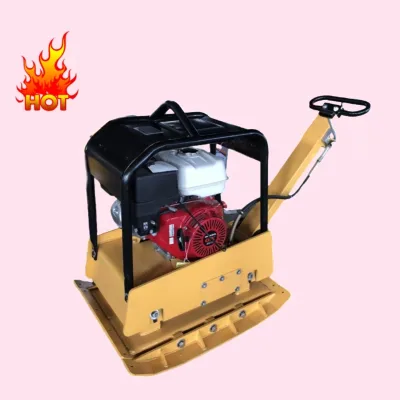
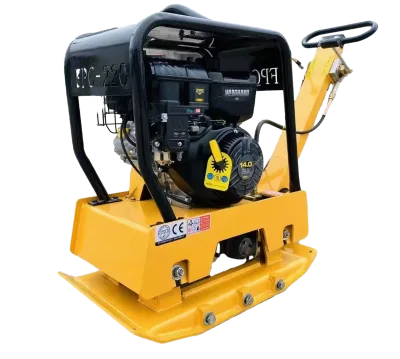
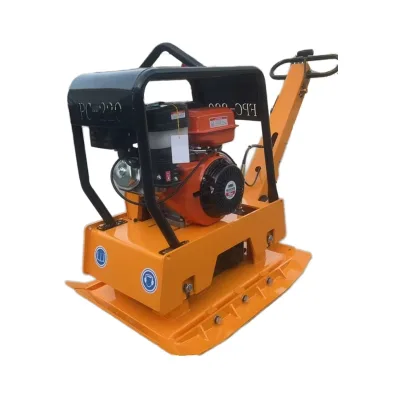
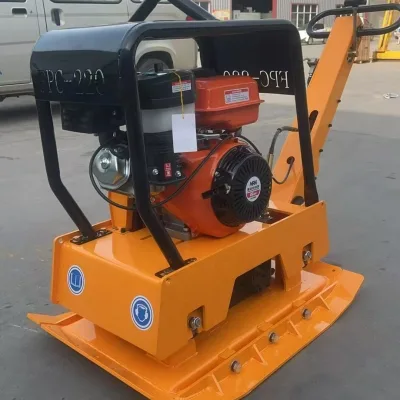
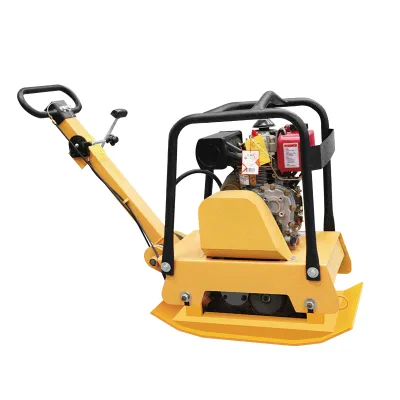
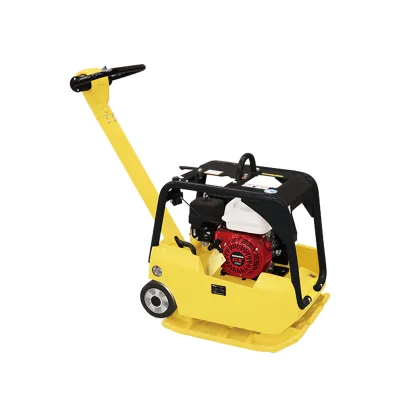
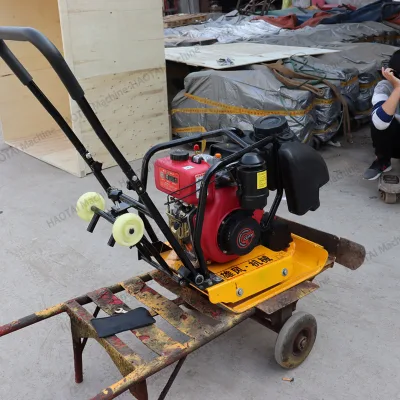
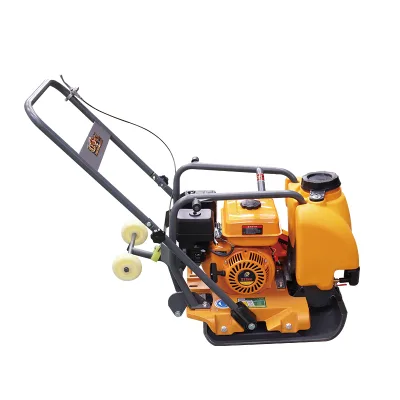
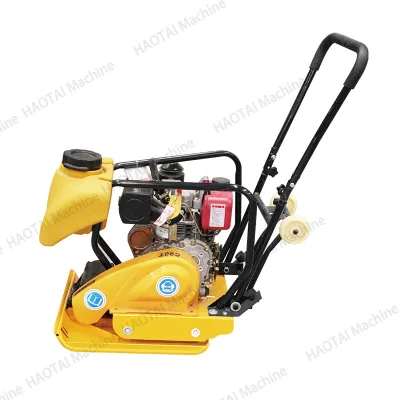
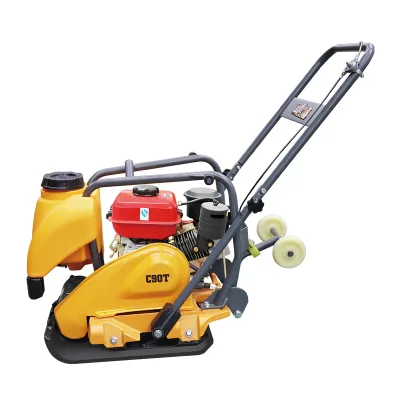
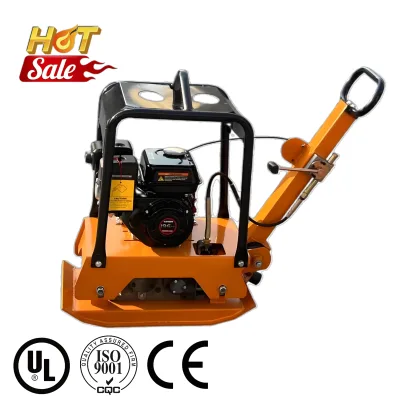
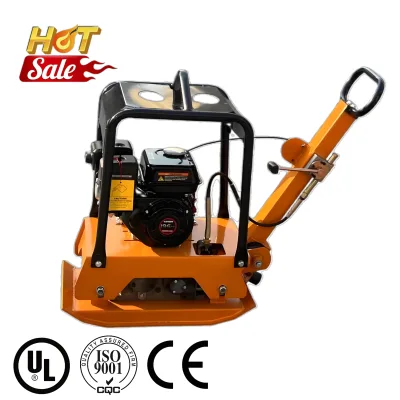
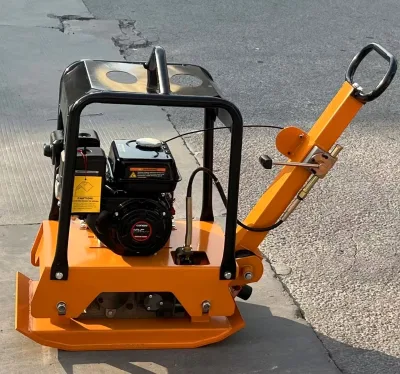
Hot Sale Earthwork Backfill Vibration Plate Compactor Gasoline/Diesel EngineType Rammer
$584.1993 - $676.6021
MOQ: 1 Minimum


Concrete Earth Diesel Plate Compactor Machine Manual Mini Plate Compactor
$330.00 - $550.00
MOQ: 29 Pieces

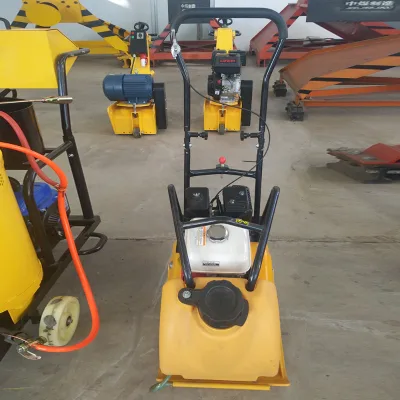
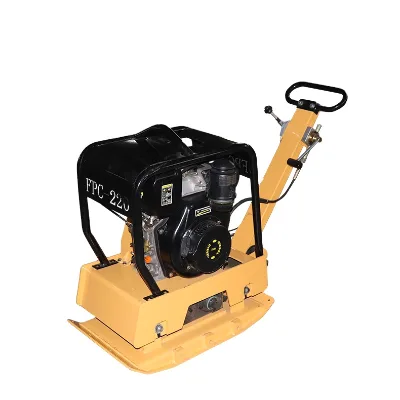
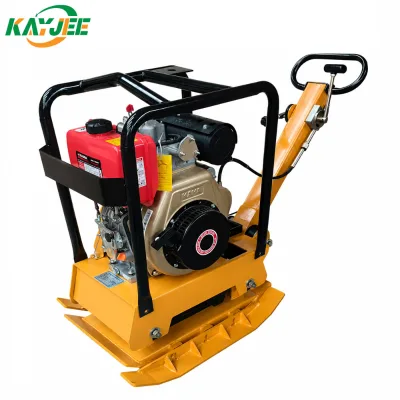
Comprehensive Sourcing Guide
Diesel Engine Earth Compactor Sourcing Guide
Procuring diesel-powered earth compactors requires a nuanced understanding of machine dynamics, as these units deliver high-impact force for deep soil stabilization. Unlike vibratory rollers, diesel rammer compactors utilize a reciprocating motion to achieve significant compaction depths, making them ideal for confined spaces and trench work. Buyers must distinguish between single-stroke and double-stroke mechanisms, as the latter provides higher energy per blow but demands more robust engine management. The core value lies in the balance between engine torque and the impact frequency, which directly influences the density achieved in cohesive soils.
Sourcing decisions should prioritize machines that offer adjustable travel speeds and ergonomic handles to reduce operator fatigue during extended shifts. The diesel engine serves as the heart of the operation, requiring careful selection based on fuel efficiency and maintenance accessibility. While gasoline models are common for lighter tasks, diesel variants are preferred for heavy-duty applications due to their durability and torque output. Procurement teams must evaluate the trade-off between initial capital expenditure and long-term operational costs, considering fuel consumption rates and the availability of spare parts for the specific engine brand installed.
Product Scope and Observed Listing Signals
Market listings for earth compactors reveal a wide spectrum of specifications, with observed prices ranging from $137 to $198,000 USD, indicating significant variation in capacity and build quality. Minimum order quantities typically range from one to twenty-nine units, suggesting flexibility for both individual contractors and large-scale infrastructure projects. The observed product attributes highlight diverse configurations, including uniaxial monowheel and biaxial three-wheel axles, which affect stability and maneuverability on uneven terrain. Buyers should note that "Sheep Foot Roller" and "Plate Compactor" are listed types, though diesel engines are more commonly associated with the heavier rammer variants.
Technical observations indicate compaction depths varying between 30cm and 40cm, with centrifugal forces ranging from 15KN to 30KN. These metrics are critical for determining suitability for specific soil types, such as clay or gravel. Plate sizes are frequently observed at 600450mm or 450600mm, with thicknesses of 8mm or 10mm, providing insight into the machine's durability. Travel speeds are listed between 20-23m/Min and 30cm/s, allowing operators to adjust pace based on ground conditions. The presence of "Honda" or "Petrol Engine" labels in some listings contrasts with the diesel focus, requiring careful verification of the power source in product descriptions.
Technical Specifications to Verify
Engine power is a primary technical differentiator, with observed outputs ranging from 7.5HP to 9HP in listed models. Buyers must verify the actual rated power versus peak power claims, as diesel engines often have higher torque at lower RPMs compared to gasoline equivalents. The vibrating frequency is observed at 5000times/Min or 5500rpm, which directly correlates with compaction efficiency. It is essential to confirm whether the frequency is adjustable, as different soil densities require varying vibration intensities to achieve optimal results without damaging the machine or the substrate.
Dimensional specifications are crucial for logistics and site access, with observed dimensions such as 8005001120mm and standard sizes like 840520610mm. Weight is a key factor, with observed weights around 220kg, influencing transport costs and operator handling. The axle type, whether uniaxial or biaxial, affects the machine's footprint and stability. Buyers should request detailed technical drawings to verify plate size, thickness, and overall dimensions, ensuring compatibility with existing site equipment and transportation constraints.
Compliance and Safety Documentation
Certification requirements vary by region, but ISO 9001 is a common baseline for quality management systems, observed in several listings. CE marking is frequently cited, indicating compliance with European health, safety, and environmental protection standards. Buyers must verify if additional certifications such as EPA are required for their specific market, as emissions regulations for diesel engines are increasingly stringent. The presence of RoHS, CS, or other regional standards may also be relevant, depending on the destination country's import regulations.
Safety documentation should include clear operating manuals, maintenance schedules, and warning labels in the local language. Buyers should ensure that the supplier provides evidence of noise and vibration testing, as compactors are high-noise equipment. Verify that the machine includes necessary safety features such as emergency stop switches, vibration-dampening handles, and protective guards for moving parts. Requesting a declaration of conformity for each component, especially the engine and electrical systems, is essential for legal operation and insurance purposes.
Cost Drivers and Commercial Terms
The price range of $137 to $198,000 USD reflects significant differences in engine brand, build quality, and included accessories. High-end models with branded Honda engines and advanced vibration systems command premium prices, while basic units may be sourced at lower costs. Buyers should analyze the total cost of ownership, including fuel consumption, maintenance intervals, and spare part availability. The observed MOQ of 1-29 units allows for flexible purchasing, but bulk orders may negotiate better pricing and shipping terms.
Shipping and packaging are critical cost factors, with wooden cases and cartons being common packing methods. The origin of products, such as Henan or Super-Above, can influence logistics costs and lead times. Buyers should clarify Incoterms to understand responsibility for freight, insurance, and customs clearance. Payment terms should be negotiated to mitigate risk, considering options like letters of credit or escrow services for large transactions. Understanding the full commercial landscape helps in making informed budgeting decisions.
Supplier Qualification and Quality Control
Supplier verification is paramount, with ISO 9001 certification serving as a key indicator of manufacturing consistency. Buyers should conduct factory audits or request third-party inspection reports to verify production capabilities and quality control processes. The observed customization options suggest that suppliers may offer tailored solutions, but this requires rigorous oversight to ensure specifications are met. Checking the supplier's history, client references, and after-sales support structure is essential for long-term partnership viability.
Quality control should include pre-shipment inspections to verify dimensional accuracy, engine performance, and safety features. Buyers should specify acceptance criteria for vibration levels, noise output, and compaction force in the purchase contract. Implementing a sample testing phase for bulk orders can help identify potential defects early. Establishing clear communication channels for technical support and warranty claims ensures that any issues are resolved promptly, minimizing downtime and operational disruptions.
Long-Term Procurement Checks
Long-term success depends on the availability of spare parts and technical support. Buyers should verify the supplier's inventory of critical components such as pistons, seals, and engine filters. The observed engine types, including Honda and local brands, may have varying parts availability, so this should be confirmed before purchase. Establishing a maintenance schedule and training for operators ensures the machine's longevity and optimal performance over time.
Regular performance audits should be conducted to monitor compaction efficiency and engine health. Buyers should track fuel consumption and maintenance costs to evaluate the machine's economic viability. Feedback from field operators is crucial for identifying usability issues and potential improvements. Building a relationship with the supplier for continuous improvement and potential upgrades ensures that the procurement strategy remains aligned with evolving project requirements and technological advancements.
FAQs
What certifications do the diesel engine earth compactors have?
The diesel engine earth compactors carry ISO 9001, CE, EPA, RoHS, and CS certifications. These standards ensure quality management and environmental compliance for international buyers. Some models also meet specific regional safety requirements while maintaining high performance levels.
Which engine types are available for these compactors?
Available engine types include Honda petrol engines and generic petrol engines. Some units feature 7.5 to 9 horsepower capacity with maximum speeds reaching 3600 rpm. Buyers can select from Honda, Locin, or local engine options depending on specific project needs.
How deep can the compaction depth reach on these machines?
Compaction depth varies between 30cm and 40cm depending on the specific model selected. The vibration working method ensures effective soil density across different terrains. Buyers should match the depth requirement to their specific construction project specifications.
Can the product be customized for specific project needs?
Yes, customization is available for these diesel engine earth compactors. Buyers can request specific modifications to meet unique operational requirements. This flexibility allows for tailored solutions that address diverse construction challenges effectively.
What is the typical weight and dimension of the compactors?
The compactors typically weigh around 220kg with dimensions of 800 by 500 by 1120mm. Plate sizes range from 450 by 600mm to 600 by 450mm. These physical attributes ensure stability during operation while maintaining portability for various job sites.
Where are these compactors manufactured and what is the origin?
These compactors originate from Henan, China, with some units listed under Super-Above. The manufacturing location ensures access to established industrial supply chains. Buyers can expect consistent quality control measures applied during the production process.
What is the price range for these diesel engine compactors?
The observed price range spans from 137 to 198000 USD depending on specifications. Factors influencing cost include engine power, plate size, and certification levels. Buyers should request detailed quotes based on their specific model requirements.