Source Imported Engine Wood Shear Excavator for forestry, logging, and land clearing
Find 30 Imported Engine Wood Shear Excavator units from verified Chinese manufacturers. Compare hydraulic and gasoline models, weights, and cutting capacities to select the right tree cutter for your excavator application; compare the available evidence and request quotations based on your requirements.
Updated
Key considerations
Products List


Tree Shear Excavator Hydraulic Tree Shear Wood Shear Excavator Tree Cutter Shear
$1500.00 - $1560.00
MOQ: 1 Pieces

Wood Shear Excavator Tree Cutter Shear/Excavator Hydraulic Tree Shear
$2000.00 - $2100.00
MOQ: 1 Pieces

Excavator Hydraulic Tree Shear Wood Shear/ Excavator Tree Cutter Shear
$1500.00 - $1560.00
MOQ: 1 Pieces

Hot Sell Excavator Hydraulic Tree Shear Wood Shear Excavator Tree Cutter Shear
$2000.00 - $2100.00
MOQ: 1 Pieces


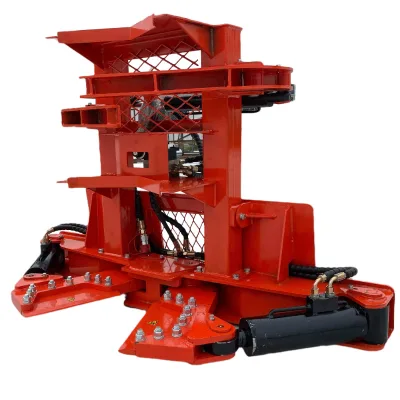
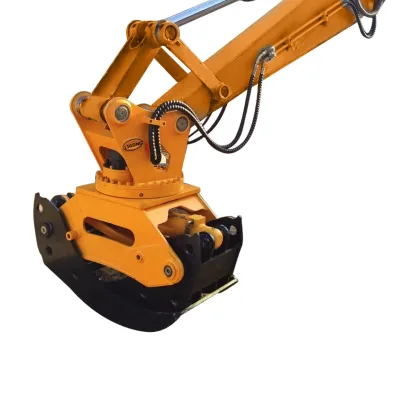
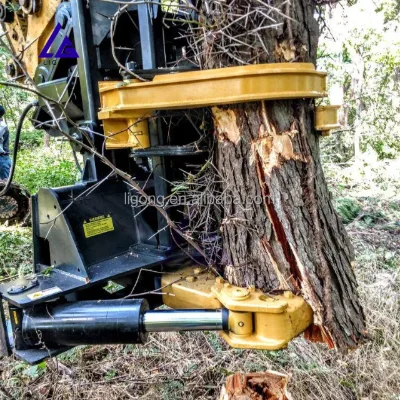
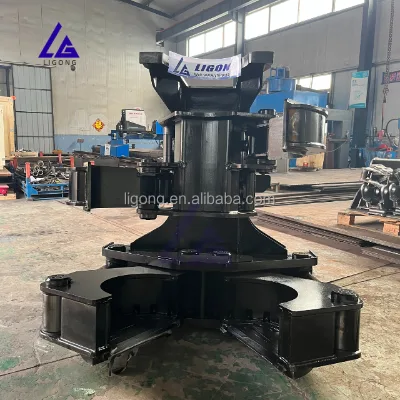
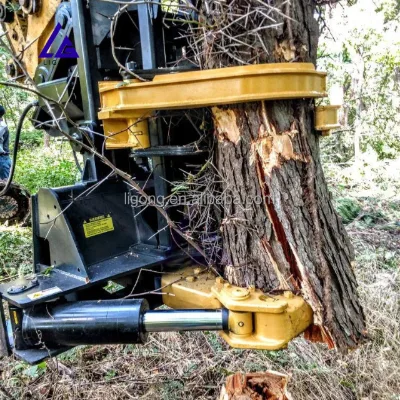

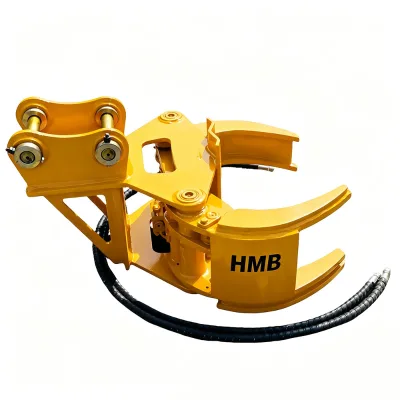

Hydraulic Tree Shear Wood Shear Excavator Tree Cutter Shear Wood Cutter
$400.00 - $3000.00
MOQ: 1 Pieces
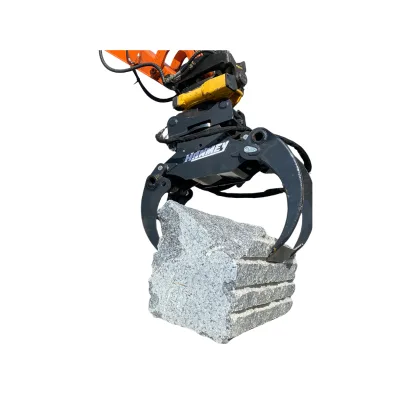


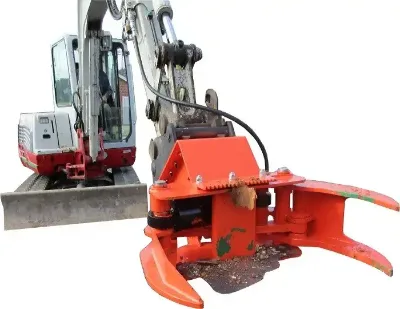

Factory Price Excavator Tree Cutter Wood Shear Excavator Hydraulic Tree Shear for Excavator
$1899.00 - $1999.00
MOQ: 1 Pieces

Sales Promotion Kinger Excavator Hydraulic Tree Shear Wood Shear Excavator Tree Cutting
$1899.00 - $1999.00
MOQ: 1 Pieces

High Efficiency with Factory Price Hydraulic Tree Shear Excavator Used Wood Shear for Sale
$1899.00 - $1999.00
MOQ: 1 Pieces
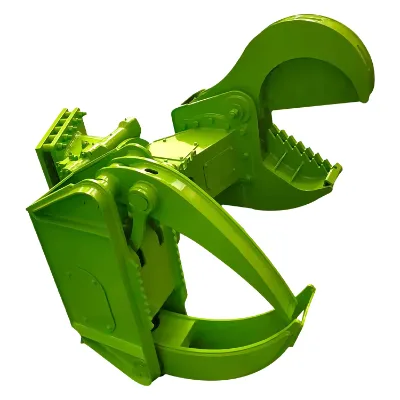
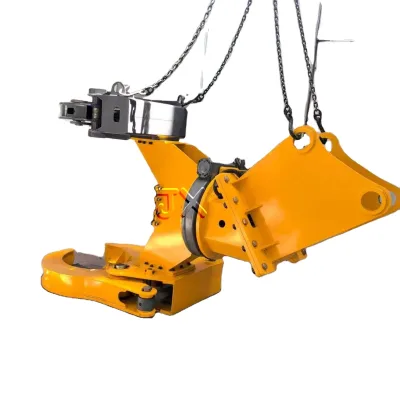

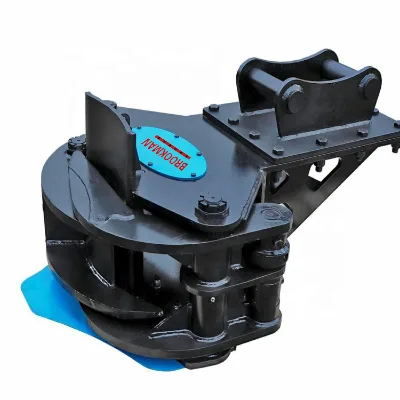
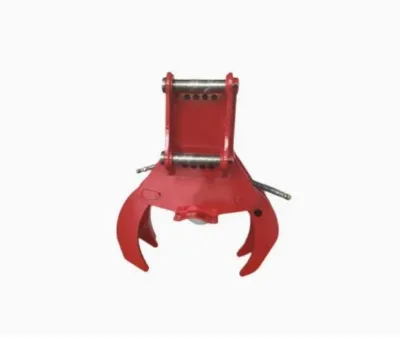


Comprehensive Sourcing Guide
Imported Engine Wood Shear Excavator Sourcing Guide
Procuring an Imported Engine Wood Shear Excavator attachment requires careful alignment between the hydraulic system of your carrier machine and the shear’s operational demands. Buyers must first verify that the excavator’s auxiliary hydraulic circuit can sustain the required working pressure, typically around 20 MPa, to ensure consistent cutting performance. The power source is a critical differentiator; while some units rely on the excavator’s hydraulic flow, others integrate independent gasoline engines for standalone operation. Understanding this distinction prevents mismatched power delivery and ensures the attachment functions efficiently in remote or off-grid logging sites where hydraulic lines may be insufficient or impractical.
The physical integration of the shear onto the excavator arm involves specific mounting interfaces and weight distribution considerations. Attachments like the HAWK series or KERISE models are designed for specific excavator tonnage ranges, such as 1.5-ton carriers, which dictates the maximum cutting diameter and overall stability. Buyers should assess the rotating system, often featuring a 360-degree swing bearing design, to maximize operator visibility and cutting precision. Ensuring the weight of the shear, which can range from 300 to 730 kg depending on the model, does not exceed the excavator’s rated lift capacity at full extension is essential for safe operation and to prevent structural stress on the carrier machine during heavy-duty tree cutting tasks.
Product Scope and Observed Listing Signals
The current market for imported wood chippers and tree shears presents a diverse range of models, including HAWK200, HAWK300, HAWK350, CTHB, and ECSSRB variants. These products are primarily manufactured in China, with significant production hubs located in Jiangsu province, indicating a concentrated supply chain for heavy machinery components. The observed price range spans from $400 to $8,600 USD, reflecting variations in material quality, engine type, and cutting capacity. This wide variance suggests that buyers must look beyond initial pricing to evaluate the core components, such as the inclusion of high-quality bearings, motors, pumps, and pressure vessels, which directly influence the durability and lifespan of the equipment in demanding forestry environments.
Minimum order quantities (MOQ) for these specialized attachments are typically set at one set, facilitating easy procurement for individual contractors or small fleets. The customization options available, including OEM services and color choices, allow buyers to tailor the equipment to specific brand identities or operational preferences. Packaging is generally handled via wooden cases or wood packages to protect the machinery during sea freight, which is the standard delivery method. Buyers should note that while the products are listed as new, the condition and specific performance metrics can vary, necessitating a thorough review of the machinery test reports and core component lists provided by the supplier before finalizing any purchase agreement.
Technical Specifications to Verify
When evaluating technical specifications, the maximum cutting size is a primary metric, with some models supporting diameters up to 400 mm. Buyers must verify the working pressure requirements, ensuring compatibility with their excavator’s hydraulic system, as mismatches can lead to inefficient operation or component failure. The dimension of the unit, such as 19509701350 mm for certain models, impacts transport logistics and storage requirements on-site. Additionally, the weight of the shear, ranging from 300 kg to 730 kg, must be balanced against the excavator’s lifting capacity to maintain stability during operation. These physical parameters are critical for determining the suitability of the attachment for specific tree sizes and site conditions.
The core components list provides insight into the mechanical robustness of the shear. Key elements include the engine, motor, bearing, pump, gear, pressure vessel, and gearbox. For hydraulic models, the quality of the pump and pressure vessel is paramount for maintaining consistent force. In engine-driven variants, the gasoline engine’s reliability and fuel efficiency are crucial for continuous operation. Buyers should request detailed specifications for these components, including brand and model numbers, to assess their quality and availability of spare parts. The rotating system, often featuring a 360-degree swing bearing, should be inspected for smooth operation and durability, as this mechanism is subject to significant stress during tree cutting and positioning tasks.
Compliance and Safety Documentation
Certification is a vital aspect of compliance, with CE marking being a common requirement for equipment imported into many international markets. Buyers must verify that the supplier provides valid CE certificates, and in some cases, ISO9001:2008 certification for the manufacturing process, ensuring adherence to quality management standards. The condition of the product should be explicitly stated as new, and any warranties, typically lasting one year, should be clearly defined in the contract. Documentation should also include machinery test reports, which provide evidence of the equipment’s performance and safety under operational conditions. These documents are essential for regulatory compliance and for ensuring that the equipment meets local safety standards upon installation.
Safety features and operational guidelines must be thoroughly reviewed to prevent accidents during use. The product description should outline clear instructions for safe operation, including proper mounting procedures and emergency shutdown protocols. Buyers should ensure that the supplier provides comprehensive user manuals and maintenance guides in English, detailing routine checks and troubleshooting steps. The presence of a warranty and after-sales support, such as online assistance, is crucial for addressing any technical issues that may arise post-purchase. Verifying the availability of spare parts and the supplier’s responsiveness to service requests is also important for minimizing downtime and ensuring the long-term reliability of the wood shear attachment.
Cost Drivers and Commercial Terms
The cost of an imported wood shear excavator is influenced by several factors, including the material composition, such as galvanized steel for corrosion resistance, and the complexity of the hydraulic or engine systems. The inclusion of high-quality core components like precision bearings and robust pumps can increase the initial price but offers better long-term value through reduced maintenance and extended service life. Buyers should consider the total cost of ownership, which includes shipping, insurance, and potential customs duties, rather than just the unit price. The observed price range of $400 to $8,600 USD reflects these variations, with higher-end models offering greater cutting capacity and durability.
Commercial terms, such as delivery methods and payment conditions, play a significant role in the procurement process. Sea freight is the standard mode of transport, which affects lead times and logistics planning. Buyers should negotiate clear terms regarding packaging, ensuring that the wooden case or wood package provides adequate protection during transit. Payment terms should be structured to mitigate risk, such as using secure payment methods or escrow services. Additionally, buyers should clarify the warranty terms and the scope of after-sales support, including online assistance, to ensure that any issues are resolved promptly. Understanding these commercial aspects helps in budgeting accurately and avoiding unexpected costs during the importation process.
Supplier Qualification and Quality Control
Supplier qualification is critical when sourcing imported machinery, as it directly impacts the reliability and safety of the equipment. Buyers should verify the supplier’s manufacturing capabilities, including their production capacity and quality control processes. The presence of machinery test reports and core component specifications indicates a level of transparency and commitment to quality. Suppliers offering OEM services and customization options demonstrate flexibility and a customer-centric approach, which can be beneficial for specific operational needs. Buyers should also check for certifications such as CE and ISO9001, which validate the supplier’s adherence to international standards.
Quality control measures should be established to ensure that the delivered product matches the agreed specifications. Buyers may request pre-shipment inspections or third-party verification to confirm the condition and functionality of the wood shear. The warranty period, typically one year, provides a safety net for defects, but buyers should also assess the supplier’s responsiveness to service requests. Online support is a common after-sales service, but the availability of local service partners or spare parts distributors can significantly enhance maintenance efficiency. Establishing a clear communication channel with the supplier for technical support and troubleshooting is essential for resolving any issues that may arise during the initial use of the equipment.
Long-Term Procurement Checks
Long-term procurement success depends on establishing a sustainable relationship with the supplier and ensuring continuous support for the equipment. Buyers should monitor the supplier’s performance over time, tracking their responsiveness to service requests and the availability of spare parts. Regular maintenance and timely replacement of wear components, such as bearings and gears, are essential for extending the lifespan of the wood shear. Buyers should also stay informed about any updates or improvements in the product line, as newer models may offer enhanced efficiency or safety features. Building a history of reliable transactions can lead to better pricing and priority service in the future.
Additionally, buyers should periodically review their operational needs and assess whether the current equipment remains suitable for their tasks. As tree sizes or site conditions change, the cutting capacity and power requirements of the wood shear may need to be adjusted. Maintaining detailed records of maintenance activities and performance metrics can help in making informed decisions about future purchases or upgrades. Engaging with the supplier for feedback on equipment performance can also provide valuable insights for improving operational efficiency. By proactively managing the procurement process and maintaining open communication with the supplier, buyers can ensure the long-term success and reliability of their Imported Engine Wood Shear Excavator attachments.
FAQs
What certifications do the imported engine wood shear excavators have?
The imported engine wood shear excavators carry CE and ISO9001 certifications. These standards ensure the machinery meets international safety and quality requirements for hydraulic tree shears used on excavators.
Which models are available for the Imported Engine Wood Shear Excavator?
Available models include HAWK300, HAWK200, HAWK350, CTHB, and ECSSRB. These units feature varying specifications such as maximum cutting sizes up to 400mm and working pressures of 20 MPa for different tree cutting needs.
Can I customize the Imported Engine Wood Shear Excavator color?
Yes, customization is available for the Imported Engine Wood Shear Excavator including any color options. Buyers can request specific finishes while maintaining the core hydraulic components and engine performance required for tree cutting operations.
How is the Imported Engine Wood Shear Excavator packaged for shipping?
The Imported Engine Wood Shear Excavator is packaged in a wooden case or wood package. This secure packing method protects the machinery during sea delivery from Jiangsu, China, ensuring it arrives in new condition without damage.
What is the warranty period for the Imported Engine Wood Shear Excavator?
The Imported Engine Wood Shear Excavator comes with a 1-year warranty period. This coverage applies to the new condition machinery and includes online support for after-sales service to assist with operational issues.
Which core components are used in the Imported Engine Wood Shear Excavator?
Core components include the engine, motor, bearing, pump, gear, and pressure vessel. These parts ensure high operating efficiency and reliable performance for cutting down trees using the hydraulic system on compatible excavators.
What is the minimum order quantity for the Imported Engine Wood Shear Excavator?
The minimum order quantity is 1 set for the Imported Engine Wood Shear Excavator. This low MOQ allows buyers to source single units directly from manufacturers in China without needing to meet large volume requirements.