Source Hydraulic Concrete Mixer for Construction Roads Parking
Compare 30 Hydraulic Concrete Mixer options from verified suppliers. These electric engine models feature dry and wet shotcrete types, varying capacities, and safety features for building construction and road projects; compare the available evidence and request quotations based on your requirements.
Updated
Key considerations
Products List


$320.00 - $365.00
MOQ: 1 Pieces


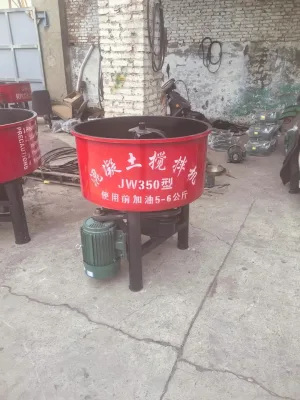


Concrete Truck Mixer with Concrete Mixer Prices for Sale Manufacturer
$45200.00 - $45240.00
MOQ: 1 Pieces

$45200.00 - $45240.00
MOQ: 1 Pieces

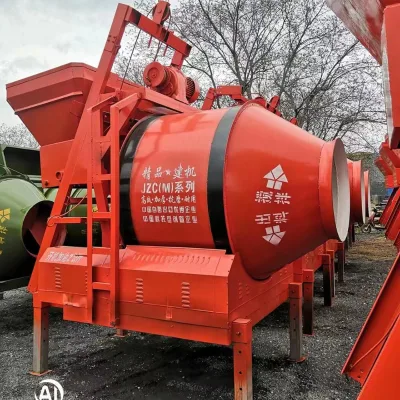
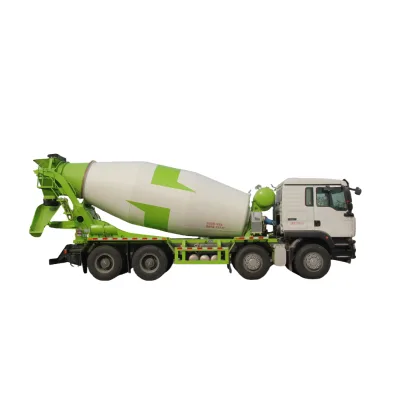


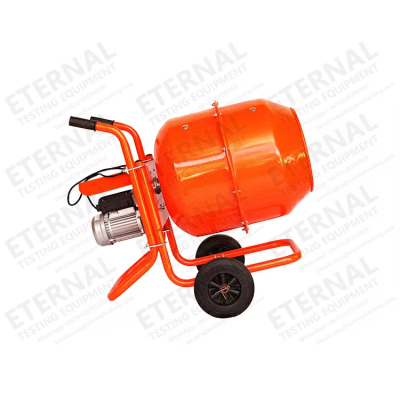
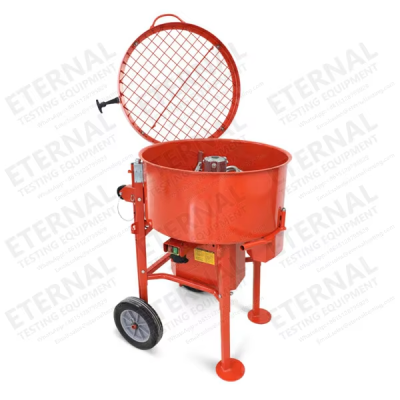
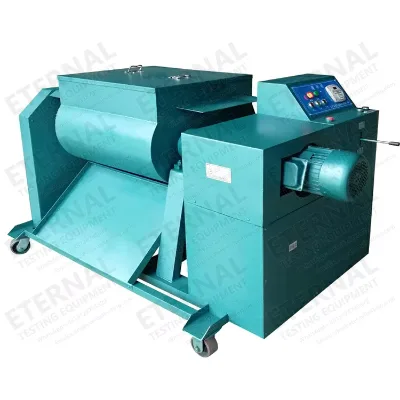
Double Shaft Horizontal Cement Concrete Mixer Concrete Twin Shaft Mixer
$1545.3716 - $2060.4954
MOQ: 1 sets


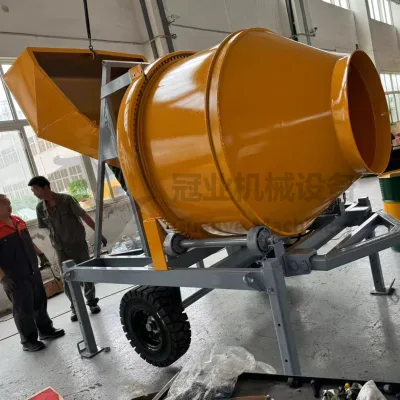

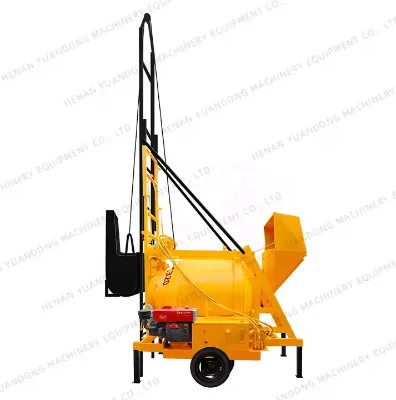
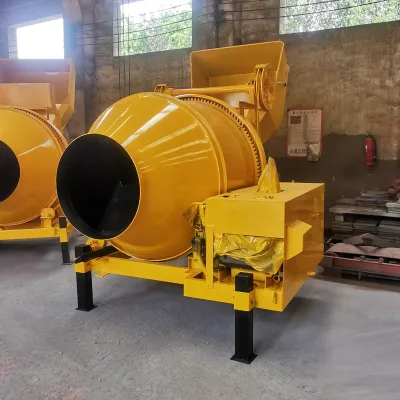
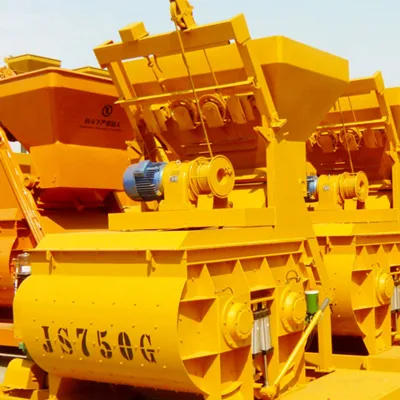

Comprehensive Sourcing Guide
Hydraulic Concrete Mixer Sourcing Guide
Procuring a Hydraulic Concrete Mixer requires a disciplined approach to verifying mechanical integrity and operational suitability for your specific construction or industrial environment. The hydraulic system is the core of the machine’s functionality, driving the mixing drum or rotor with precision and power. Buyers must prioritize machines that demonstrate robust hydraulic circuit design, as this directly influences mixing consistency, cycle times, and overall equipment reliability. Understanding the hydraulic pressure ratings and flow requirements is essential for ensuring the mixer can handle the viscosity and volume of materials you intend to process without overheating or suffering premature component failure.
Beyond the hydraulic mechanics, the structural design and power source play critical roles in long-term performance. Many available units utilize electric engines paired with hydraulic systems, offering a balance of power and control. The structure may vary between cylinder-type and rotor-type configurations, each suited to different material handling needs. Buyers should evaluate the weight and dimensions of the unit to ensure it fits within their facility’s spatial constraints and load-bearing capabilities. Additionally, considering the customization options available can help tailor the machine to specific workflow requirements, ensuring that the equipment integrates seamlessly into existing production lines or construction sites.
Product Scope and Observed Listing Signals
The current market for hydraulic concrete mixers presents a diverse range of models, with observed listing prices spanning from approximately $104.39 to $50,000. This wide variance reflects differences in capacity, material quality, and technological sophistication. Most listings indicate a minimum order quantity of one unit, suggesting that suppliers are flexible in accommodating both single-unit purchases for small projects and larger orders for industrial deployment. The observed product names often include variations such as "Cocnrete Mixer" or specific model numbers like QB200, QB240, and DJ-M320L, indicating a broad catalog of available configurations. Buyers should carefully review these identifiers to match their specific technical requirements with the correct model specifications.
Listing signals also reveal important details about the physical attributes and operational characteristics of the mixers. Common features include electric power types, with motor powers such as 7.5kw being noted in some specifications. The mixers are described as having high-speed mixing capabilities and are often packaged in wooden cases or boxes to protect them during transit. Some units are designed for dry shotcrete applications, while others support wet shotcrete processes, highlighting the versatility of the product category. The presence of safety features like splash guards, safety locks, and emergency stop buttons is a positive indicator of manufacturer attention to operator safety and regulatory compliance.
Technical Specifications to Verify
When evaluating technical specifications, buyers must verify the core components that drive the mixer’s performance. The motor is a critical element, and its power rating should align with the intended workload. For instance, some models specify a motor power of 7.5kw, which provides a baseline for assessing the machine’s capacity to handle heavy loads. The speed of the mixing drum, observed at 25rpm in some listings, is another key parameter that affects mixing efficiency and material consistency. Buyers should confirm these specifications with the supplier to ensure they meet the precise requirements of their project, as deviations can lead to suboptimal mixing results or increased wear on the equipment.
Structural and dimensional specifications are equally important for integration and installation. The machine’s structure, whether cylinder-type or rotor-type, determines its operational mechanics and suitability for specific materials. Dimensions such as 797545CM or 260016002600 are observed in various listings, providing insight into the footprint and spatial requirements of the equipment. Additionally, the weight of the unit, ranging from 61.5kg to 1500kg, impacts transportation and installation logistics. Buyers should also consider the feeding height, observed at 1360mm in some models, to ensure compatibility with their material handling systems and workflow processes.
Compliance and Safety Documentation
Compliance with international standards is a critical factor in selecting a Hydraulic Concrete Mixer. Many suppliers list certifications such as CE and ISO9001, indicating adherence to quality management and safety standards. The presence of these certifications suggests that the manufacturer has undergone rigorous testing and quality control processes. Buyers should request copies of these certificates to verify their validity and ensure they cover the specific model being purchased. Compliance with standards like ISO 6085:2023 or ISO 13105, if applicable, can provide additional assurance of the machine’s safety and performance characteristics, although buyers should confirm the relevance of these standards to their specific application.
Safety features are another essential aspect of compliance and operational security. Observed safety features include splash guards, safety locks, overload protection, emergency stop buttons, and anti-slip feet. These features are designed to protect operators from potential hazards and ensure safe operation under various conditions. Buyers should inspect the machine for the presence and functionality of these safety mechanisms before purchase. Additionally, verifying that the machine meets local regulatory requirements is crucial, especially if the equipment will be used in regions with strict safety laws. Documentation of safety tests and compliance reports should be requested from the supplier to support due diligence.
Cost Drivers and Commercial Terms
Several factors influence the cost of a Hydraulic Concrete Mixer, including material quality, hydraulic system complexity, and customization options. The main materials used, such as stainless steel and alloy steel, contribute significantly to the machine’s durability and price. Higher-grade materials typically result in a higher cost but offer better resistance to wear and corrosion, extending the machine’s lifespan. Customization availability allows buyers to tailor the mixer to specific needs, which may incur additional costs. Buyers should evaluate the total cost of ownership, considering not just the purchase price but also maintenance, energy consumption, and potential downtime.
Commercial terms such as warranty, after-sales service, and packaging also impact the overall value proposition. A one-year warranty is commonly offered, providing protection against manufacturing defects. After-sales services, including online support and video technical support, are valuable resources for troubleshooting and maintenance. The packaging, often in wooden cases or boxes, ensures safe delivery but may add to the shipping cost. Buyers should negotiate clear terms regarding delivery, payment, and support to mitigate risks. Understanding these commercial terms helps in making an informed decision that balances initial cost with long-term operational efficiency and support.
Supplier Qualification and Quality Control
Supplier qualification is a vital step in the procurement process, ensuring that the manufacturer has the capability to produce high-quality hydraulic concrete mixers. Buyers should verify the supplier’s production capacity, quality control processes, and track record in the industry. The place of origin, often listed as China or Henan, can provide insights into the manufacturing ecosystem and supply chain dynamics. However, buyers should not rely solely on location but should conduct thorough due diligence to assess the supplier’s reliability. Requesting references or case studies from previous clients can provide valuable insights into the supplier’s performance and customer satisfaction levels.
Quality control measures implemented by the supplier directly affect the reliability and performance of the mixer. Buyers should inquire about the testing procedures used to verify the machine’s functionality and safety. Observations such as low maintenance cost and high operating efficiency are selling points that should be substantiated by test data or performance reports. Buyers should also consider the supplier’s ability to provide spare parts and technical support, which are crucial for long-term operation. Establishing a clear communication channel with the supplier ensures that any issues can be addressed promptly, minimizing downtime and maintaining productivity.
Long-Term Procurement Checks
Long-term procurement checks involve monitoring the machine’s performance and maintenance requirements over its operational life. Buyers should establish a preventive maintenance schedule based on the manufacturer’s recommendations to ensure optimal performance and longevity. The unique selling point of low maintenance cost is beneficial, but buyers should still allocate resources for regular inspections and servicing. Tracking the machine’s productivity, observed at 20m³/H in some models, helps in assessing its efficiency and identifying any deviations from expected performance. Regular audits of the machine’s condition can help detect potential issues early, preventing costly repairs and downtime.
Additionally, buyers should stay informed about updates in technology and standards that may affect the mixer’s operation or compliance. The availability of online support and video technical support from the supplier can be invaluable for staying current with best practices and troubleshooting techniques. Buyers should also consider the environmental impact of the machine, such as energy consumption and noise levels, especially if operating in sensitive areas. By maintaining a proactive approach to procurement and maintenance, buyers can maximize the value of their Hydraulic Concrete Mixer investment and ensure consistent performance in their construction or industrial applications.
FAQs
What certifications do the hydraulic concrete mixers have?
The hydraulic concrete mixers carry CE and ISO9001 certifications as documented in the product specifications. These certifications ensure compliance with international safety and quality standards for construction machinery used in various industrial applications.
Which shotcrete types are available for these mixers?
Both dry and wet shotcrete types are available for these hydraulic concrete mixers depending on the specific model selected. Buyers can choose the appropriate type based on their construction project requirements and operational preferences.
Can I customize the color of the Hydraulic Concrete Mixer?
Yes, customization is available for the color of the Hydraulic Concrete Mixer to meet specific branding or site requirements. The product attributes confirm that customization options exist for various visual and functional aspects of the equipment.
What is the warranty period for the Hydraulic Concrete Mixer?
The warranty period for the Hydraulic Concrete Mixer is one year from the date of purchase. This warranty covers potential defects and ensures reliability for buyers in the construction industry who require long-term operational support.
How is the Hydraulic Concrete Mixer packed for shipping?
The Hydraulic Concrete Mixer is packed in a wooden case or wooden box to ensure safe transport. This packaging method protects the equipment during transit and is standard for heavy machinery like concrete mixers exported from China.
What is the main material used in the Hydraulic Concrete Mixer?
The main material used in the Hydraulic Concrete Mixer is stainless steel and alloy steel. These durable materials ensure longevity and resistance to wear, making the equipment suitable for demanding construction industry applications.
Which models are available for the Hydraulic Concrete Mixer?
Available models include QB200, QB240, QB180, QB160, 350, and DJ-M320L for the Hydraulic Concrete Mixer. These models offer varying specifications to suit different production capacities and operational needs in the global market.