Source Hand Held Electric Floor Trowel for Concrete Finishing
Compare 30 Hand Held Electric Floor Trowel options from verified suppliers. Review motor power, blade diameter, and warranty details to find the right machine for concrete finishing, edging, and general floor smoothing tasks; compare the available evidence and request quotations based on your requirements.
Updated
Key considerations
Products List
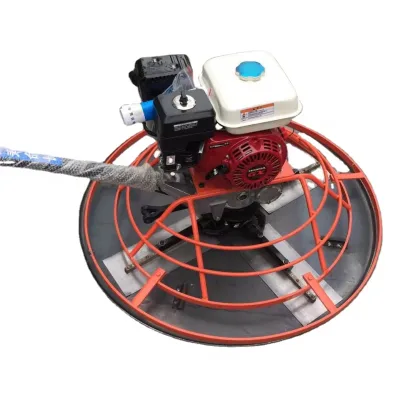
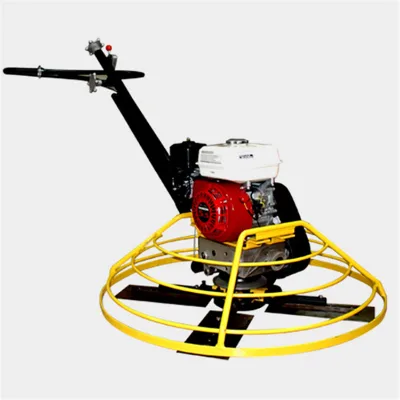


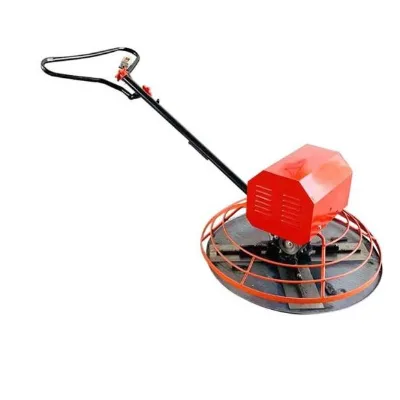
Gasoline Concrete Power Trowel Concrete Electric Hand Held Power Trowel
$300.00 - $1000.00
MOQ: 1 Pieces
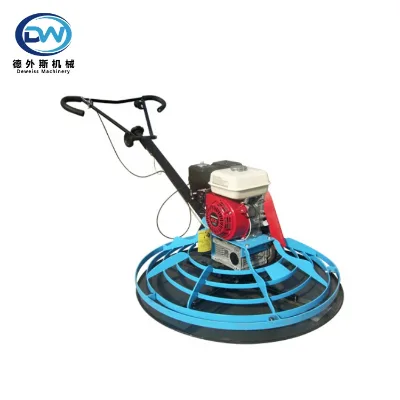
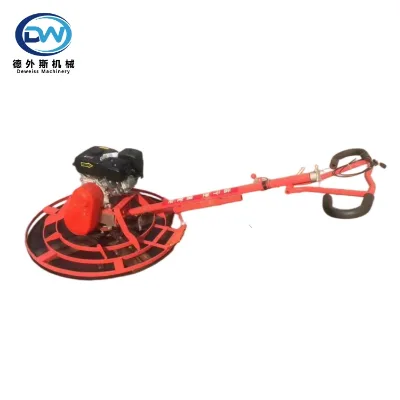


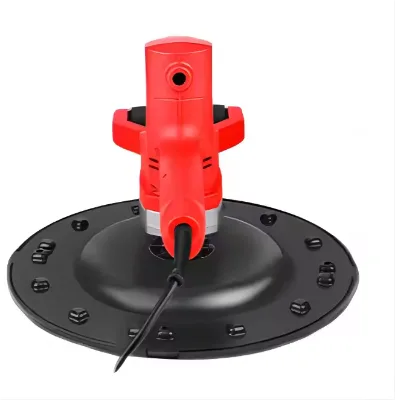
Concrete Power Float Trowel Float Pan Electric Power Trowel Concrete Leveling Hand Trowel
$143.153 - $163.6024
MOQ: 1 pieces
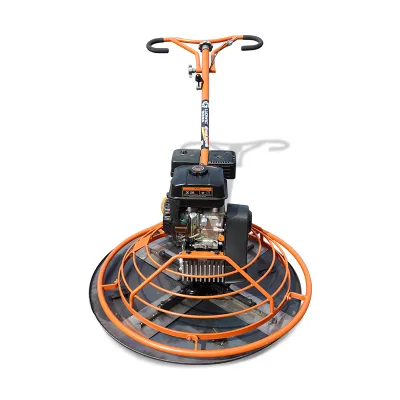
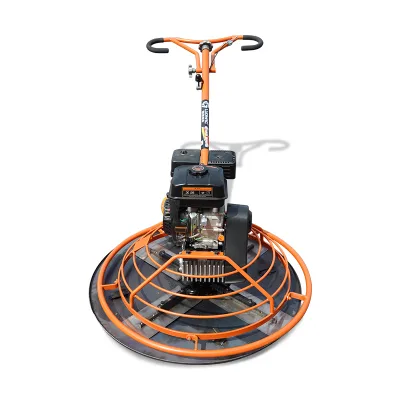
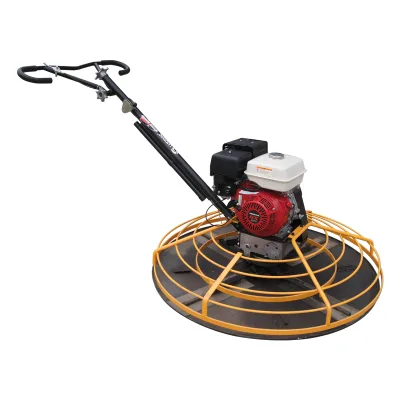
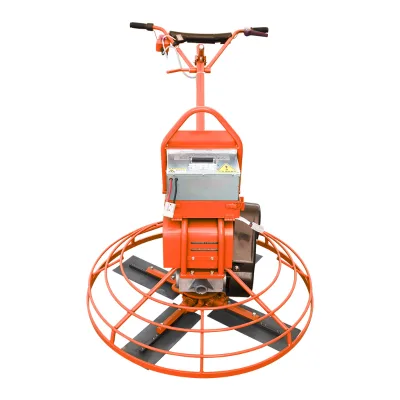

36in Single Drum Floor Power Trowel Concrete Trowel
$518.00 - $633.00
MOQ: 1 Pieces
Shandong Roadway Construction Machinery Manufacturing Co., Ltd.

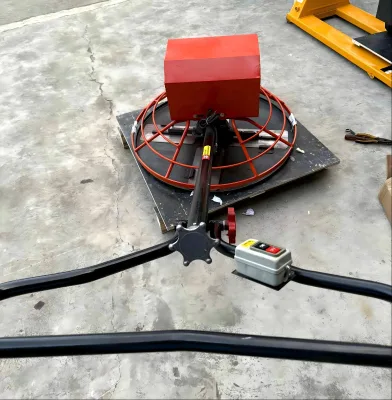
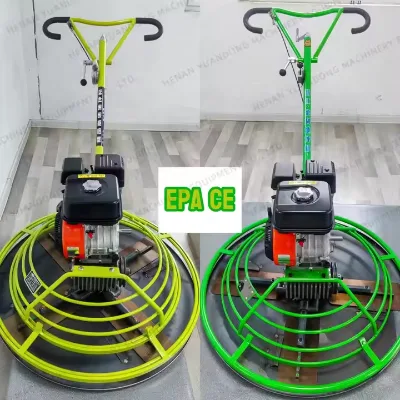
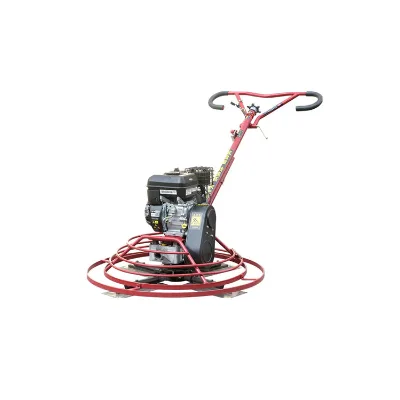

Electric Concrete Trowel for Smooth Surface Finishing and Durable Results
$339.00 - $450.00
MOQ: 1 Pieces


Comprehensive Sourcing Guide
Hand Held Electric Floor Trowel Sourcing Guide
Procuring hand-held electric floor trowels requires a clear understanding of the distinct mechanical differences between electric and gas-powered units, as well as the specific operational demands of concrete finishing. Buyers must evaluate whether the equipment aligns with their project scale, noting that electric models often prioritize efficiency and lower emissions over the raw torque typically found in larger combustion engines. The observed market data indicates a wide variance in product attributes, suggesting that buyers should not assume uniformity across all listings. Instead, sourcing strategies must focus on verifying core components, such as the motor type and power output, to ensure the machine can handle the intended concrete viscosity and surface area without premature wear.
The decision to source these tools involves balancing initial capital expenditure against long-term operational costs and maintenance requirements. While some listings highlight high operating efficiency as a unique selling point, buyers must cross-reference this claim with specific technical data like motor power and current draw to validate performance expectations. It is crucial to distinguish between different machine types, such as edging trowels versus standard floor trowels, as their dimensions and blade configurations serve fundamentally different finishing purposes. By carefully analyzing the provided specifications, such as blade diameter and machine weight, procurement teams can select equipment that matches their workforce's physical capabilities and the specific geometric constraints of their construction sites.
Product Scope and Observed Listing Signals
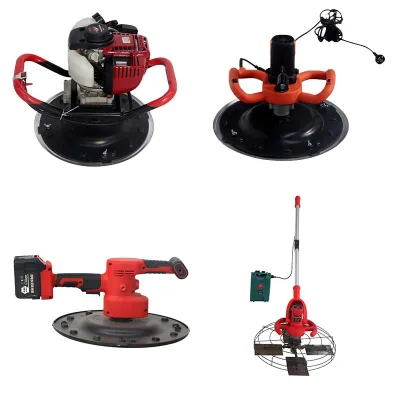
The current market landscape for hand-held electric floor trowels reveals a diverse array of product configurations, ranging from compact edging machines to larger rotor-type units. Listings frequently highlight specific attributes such as a four-blade configuration, which is standard for achieving a smooth, uniform finish on concrete surfaces. Buyers should observe that product names often vary, with terms like "cement trowel," "electric concrete trowel," and "edging concrete power trowel" appearing interchangeably. This variability necessitates a careful review of the actual specifications rather than relying solely on marketing titles. The presence of video outgoing-inspection in some listings provides a valuable visual verification tool, allowing buyers to assess the build quality and assembly standards before committing to a purchase.
Significant variations in physical dimensions and weight are evident across the available inventory, reflecting the different use cases for each machine. For instance, some units are designed with a blade diameter of 880mm and a wiper diameter of 900mm, while others may feature a rotor diameter of 91cm. These dimensional differences directly impact the machine's maneuverability and the width of the concrete surface that can be finished in a single pass. Additionally, the weight of the machines, ranging from approximately 78.5kg to 250kg, is a critical factor for operator comfort and safety. Buyers must ensure that the selected model's weight is manageable for their team, as heavier units may require additional handling equipment or more frequent rest periods to maintain productivity and reduce fatigue during extended use.
Technical Specifications to Verify
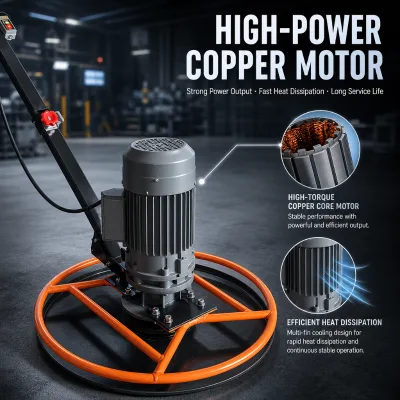
When evaluating the technical specifications of hand-held electric floor trowels, the motor is the most critical component to scrutinize. Listings indicate that the core component is often the motor, with power ratings varying significantly, such as 2.2kw or 4.8Kw. Buyers must verify the motor model and ensure it is compatible with their local power supply, particularly regarding voltage and current requirements, as some units specify a current draw of 3.7A. It is also essential to confirm the motor type, whether it is air-cooled or liquid-cooled, and the number of cylinders if applicable, as these factors influence the machine's durability and heat management during prolonged operation. Understanding these electrical parameters helps prevent compatibility issues and ensures the machine can deliver consistent performance under load.
Beyond the motor, other mechanical specifications such as blade angle, wiper speed, and rotor diameter play a vital role in the finishing quality. The blade angle, which may range from 0 to 15 degrees, allows operators to adjust the trowel for different stages of the concrete curing process, from initial floating to final polishing. Wiper speeds, observed in some listings to be between 50-100r/min, determine the rate at which the surface is smoothed. Buyers should also pay attention to the machine's dimensions, such as the 15009501000mm footprint for larger units, to ensure it fits within the available workspace. Verifying these details against the specific requirements of the concrete project ensures that the selected trowel can achieve the desired surface finish efficiently and effectively.
Compliance and Safety Documentation
Compliance with international safety and quality standards is a non-negotiable aspect of sourcing construction equipment. Buyers should prioritize suppliers who provide certifications such as CE and ISO9001, which indicate adherence to rigorous manufacturing and safety protocols. The presence of these certifications suggests that the manufacturer has undergone third-party verification of their production processes and product safety features. It is important to request copies of these certificates and verify their validity with the issuing bodies. Additionally, buyers should inquire about any additional regional certifications required for the destination market, as standards can vary significantly between countries. Ensuring that the equipment meets local regulatory requirements helps avoid legal complications and ensures that the machinery is safe for operators to use.
Safety documentation should also include detailed user manuals and maintenance guides that are available in the buyer's preferred language. These documents provide critical information on proper operation, emergency shutdown procedures, and routine maintenance schedules. Buyers should verify that the supplier provides comprehensive training materials or video tutorials, as some listings mention video outgoing-inspection, which can be indicative of a supplier's commitment to transparency and quality control. Furthermore, it is advisable to check if the manufacturer offers a warranty, with some listings specifying a one-year or one-and-a-half-year coverage period. A clear warranty policy provides peace of mind and ensures that any manufacturing defects can be addressed promptly, minimizing downtime and repair costs.
Cost Drivers and Commercial Terms
The cost of hand-held electric floor trowels is influenced by several factors, including the motor power, blade diameter, and overall build quality. Listings show a wide price range, from $22 to $6258, reflecting the diversity in product specifications and brand positioning. Buyers should be cautious of prices that seem unusually low, as they may indicate inferior components or lack of essential safety features. It is important to request detailed quotations that break down the cost of the machine, accessories, and any additional services such as shipping or installation. Understanding the total cost of ownership, including maintenance and spare parts, is crucial for making an informed procurement decision. Comparing multiple quotes from different suppliers can help buyers identify the best value proposition based on their specific needs.
Commercial terms, such as minimum order quantity (MOQ) and payment terms, also play a significant role in the procurement process. Observed MOQs range from 1 to 5 units, offering flexibility for buyers who need to purchase small quantities for testing or specific projects. Buyers should negotiate favorable payment terms, such as partial upfront payment and the remainder upon delivery, to mitigate financial risk. Additionally, it is important to clarify the shipping terms, including who is responsible for customs clearance and import duties. Some listings mention packaging details, such as carton boxes or steel frames, which can impact shipping costs and the protection of the equipment during transit. Clear communication of these commercial terms ensures a smooth transaction and avoids unexpected expenses.
Supplier Qualification and Quality Control
Selecting a reliable supplier is paramount to ensuring the quality and reliability of hand-held electric floor trowels. Buyers should conduct thorough due diligence on potential suppliers, verifying their business licenses, manufacturing capabilities, and export history. Suppliers based in regions like Shandong, China, may offer competitive pricing, but it is essential to assess their reputation and customer feedback. Requesting references from previous clients can provide valuable insights into the supplier's reliability and after-sales support. Additionally, buyers should inquire about the supplier's quality control processes, including incoming material inspections and final product testing. Some listings mention video outgoing-inspection, which can be a positive indicator of a supplier's commitment to quality assurance.
Quality control should also extend to the supplier's ability to provide customization options, as some listings indicate that customization is available. Buyers with specific requirements, such as custom colors or modified dimensions, should verify the supplier's flexibility and lead times for customized orders. It is also important to assess the supplier's technical support capabilities, including their ability to provide troubleshooting assistance and spare parts. A supplier with a robust technical support network can help minimize downtime and ensure the longevity of the equipment. By carefully evaluating these factors, buyers can establish a strong partnership with a supplier who can meet their current and future procurement needs.
Long-Term Procurement Checks
Long-term procurement success depends on establishing a framework for continuous evaluation and improvement of the sourcing process. Buyers should implement a system for tracking the performance of the hand-held electric floor trowels in the field, monitoring metrics such as uptime, maintenance frequency, and operator feedback. This data can help identify any recurring issues with specific models or suppliers, allowing for proactive adjustments to the procurement strategy. Regular audits of supplier performance, including delivery times and product quality, are essential for maintaining high standards. Buyers should also stay informed about industry trends and technological advancements, as new features or improvements may emerge that could enhance their operations.
Additionally, buyers should foster a collaborative relationship with their suppliers, engaging in regular communication to discuss performance issues and potential improvements. This collaboration can lead to better product designs and more responsive after-sales support. It is also important to review and update procurement policies periodically to reflect changes in market conditions, regulatory requirements, and internal needs. By maintaining a flexible and adaptive approach to procurement, buyers can ensure that they continue to source high-quality hand-held electric floor trowels that meet their operational demands. This long-term perspective helps build a resilient supply chain that can withstand market fluctuations and support sustained business growth.
FAQs
What is the motor power of the electric concrete trowel?
The motor power is 2.2kw for the standard model, while another variant lists 4.8Kw. These specifications ensure high operating efficiency during concrete finishing tasks. Buyers should verify the specific model number to confirm the exact power rating required for their project needs.
Which blade diameter is available for this trowel machine?
Available blade diameters include 880mm, 900mm, and 91cm. The machine features a rotor type structure with a wiper diameter of 900mm. These dimensions support effective concrete leveling, and the blade angle can be adjusted between 0 to 15 degrees for precise finishing work.
Can I find this trowel with CE and ISO9001 certification?
Yes, the product carries CE and ISO9001 certifications. These standards ensure quality and safety compliance for international buyers. The machine is manufactured in Shandong, China, and includes a one-year warranty to protect your investment against manufacturing defects or operational failures.
How much does the electric trowel weigh?
The machine weight varies by model, ranging from 78.5kg to 250kg. A specific unit weighs 90kg with a single gross weight of 0.0kg. This weight ensures stability during operation while remaining manageable for construction crews handling the equipment on site.
What is the warranty period for the concrete trowel?
The warranty period is typically 1 year, with some models offering 1.5 years. This coverage applies to core components like the motor. Buyers should check the specific product listing to confirm the exact duration and terms applicable to their purchase from the supplier.
Which customization options are available for this machine?
Customization is available for color and specific product requirements. The machine can be packed in a carton box with a steel frame. Buyers can request specific configurations to match their operational needs, ensuring the equipment fits their unique construction site requirements effectively.
What is the operating speed of the trowel blades?
The wiper speed ranges from 50 to 100r/min, with a running speed of 0 to 126rpm. This variable speed allows operators to adjust the finishing process based on concrete consistency. The motor power drives these speeds to achieve high operating efficiency during the troweling process.