Source Implant Level Scanbody for Digital Impressions
Source 30 Implant Level Scanbody options for dental restoration workflows. Compare materials like titanium and PEEK, compatible libraries such as 3Shape and Exocad, and specifications including 5mm and 8mm heights to find the right fit for your practice; compare the available evidence and request quotations based on your requirements.
Updated
Key considerations
Products List
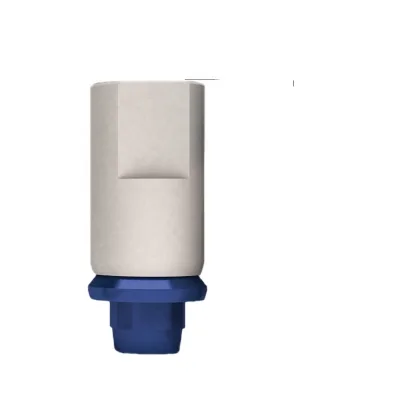
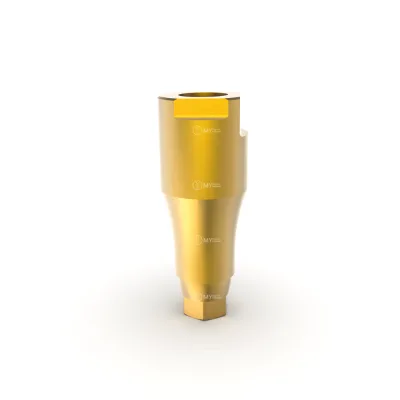
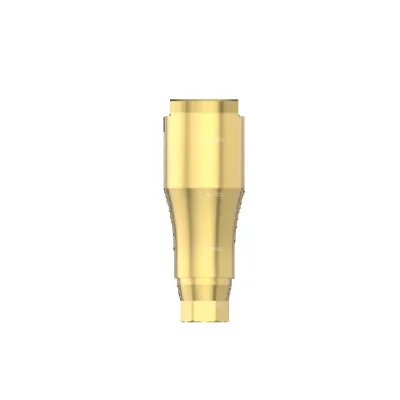
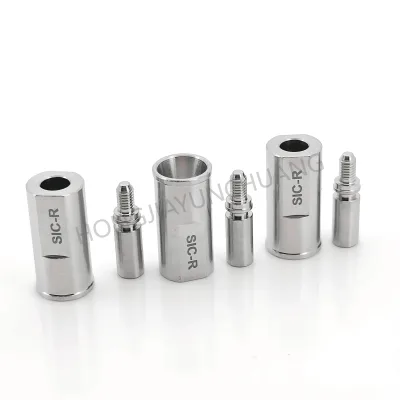
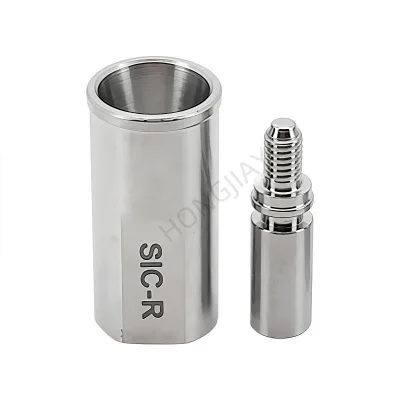
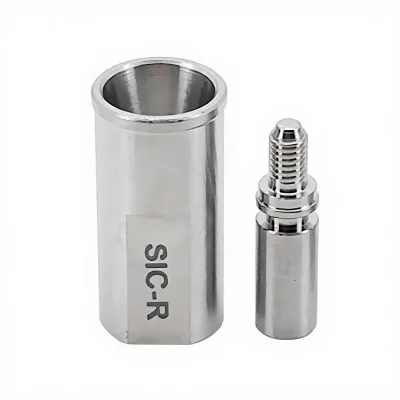



Comprehensive Sourcing Guide
Implant Level Scanbody Sourcing Guide
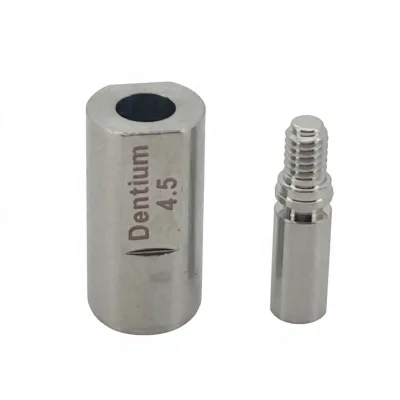
Procuring implant level scan bodies requires a precise understanding of digital workflow integration and material compatibility. These devices serve as critical interfaces between physical implants and digital impression systems, enabling accurate 3D scanning for restorative dentistry. Buyers must prioritize products that support intraoral scanning via platforms like 3Shape, ensuring seamless data transfer to CAD software. The selection process hinges on verifying compatibility with specific implant systems, such as icx, brdent, inno, neobiotech, or Implant Direct, to prevent fit errors during the digital impression phase.
The market offers various configurations, including supragingiva and subgingiva heights, which dictate the clinical application for stone models or direct intraoral scanning. Buyers should evaluate the physical dimensions, such as an 8mm supragingiva height or a 5mm gingival height, to match their specific surgical protocols. Additionally, the choice between titanium bases with PEEK tops or pure titanium materials affects both durability and scanning accuracy. Understanding these technical distinctions is essential for selecting the right tool for implant-level digital impressions and confirming implant position with high fidelity.
Product Scope and Observed Listing Signals
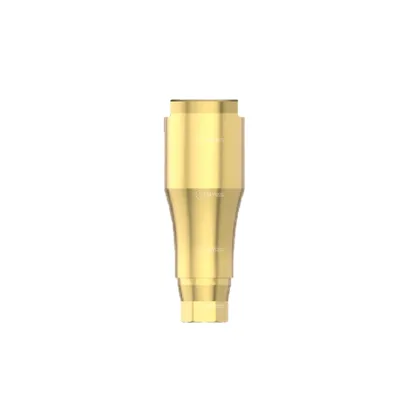
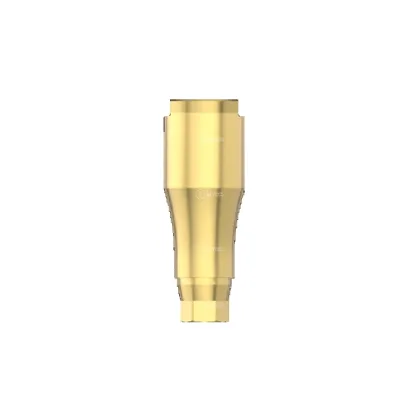
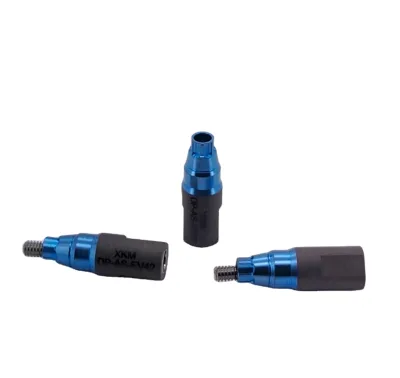
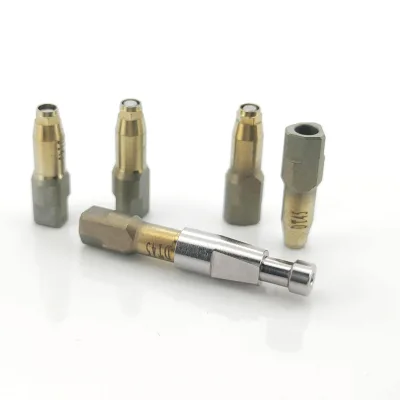
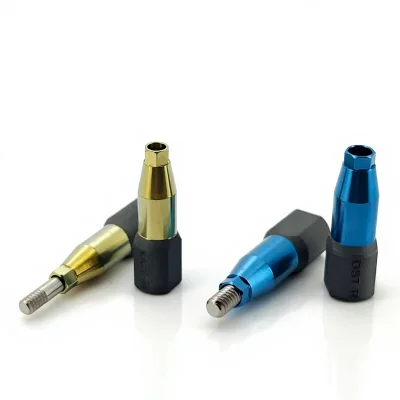
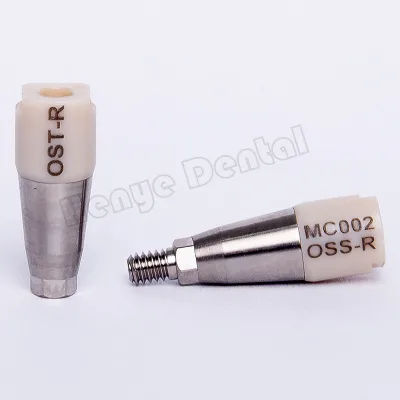
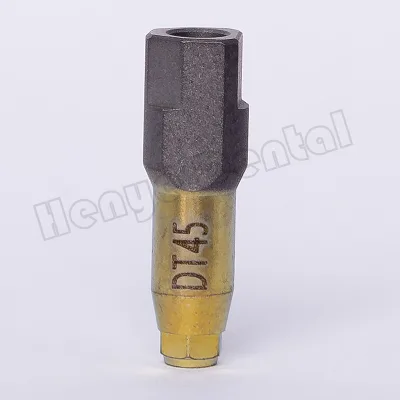
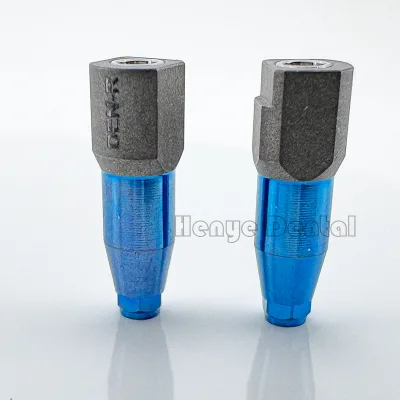
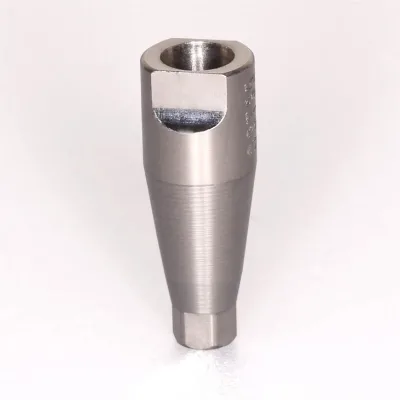
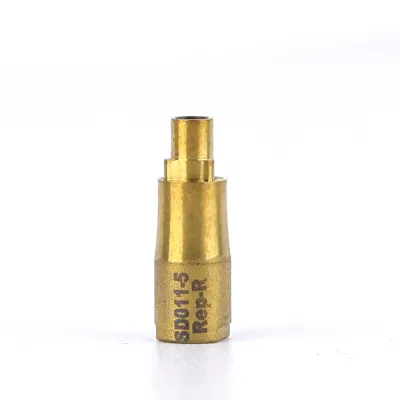
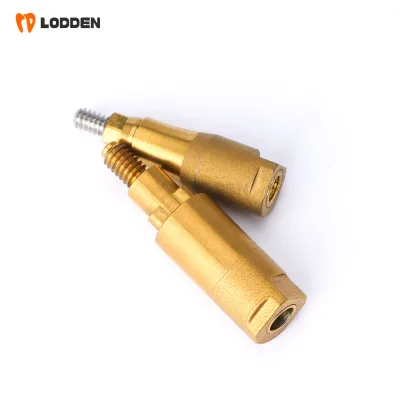
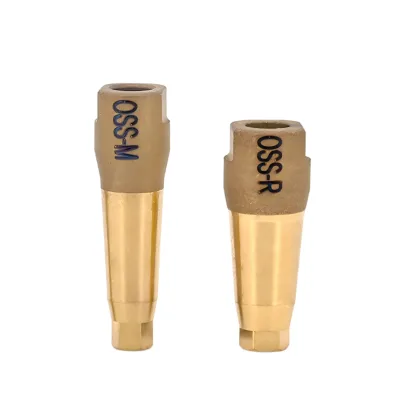
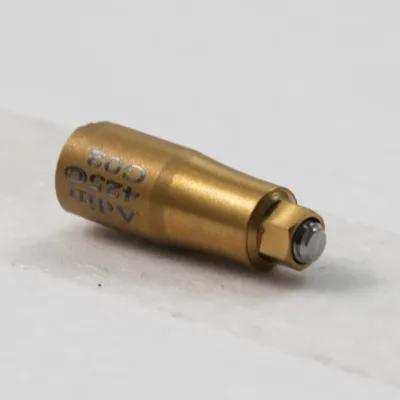
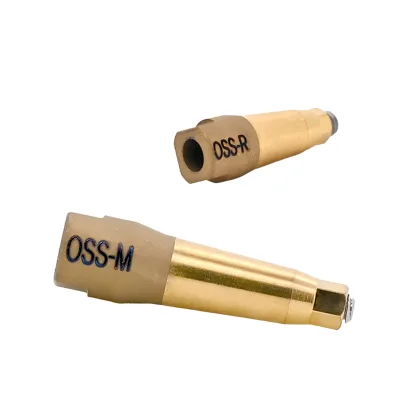
Current market listings reveal a diverse range of scan bodies tailored for different clinical needs and digital ecosystems. Products are often categorized by their model numbers, such as SB20 or SD, and are designed for specific implant levels. Buyers will encounter variations in packaging, with single package sizes ranging from 10x6x6 cm to 22x22x22 cm, reflecting differences in product complexity and included accessories. The observed inventory includes items with distinct color coding, such as white and blue or gold finishes, which may assist in visual identification during clinical procedures.
Commercial signals indicate that suppliers generally accept OEM requests, allowing for custom branding or specific design modifications. The observed minimum order quantities (MOQ) vary significantly, starting from just one piece up to ten pieces, catering to both individual practitioners and larger clinics. Payment terms typically include TT payment and credit card options, providing flexibility for international transactions. Buyers should note that while some listings mention a shelf life of one year, others do not specify expiration, necessitating careful verification of product freshness upon receipt.
Technical Specifications to Verify
Technical verification begins with confirming the instrument classification and power source, which are typically manual and classified as Class I devices. Buyers must ensure the scan body’s diameter and height align with the implant system’s specifications, such as an 8mm supragingiva height for certain models. The material composition is critical, with options including titanium bases topped with PEEK or pure titanium constructions. These materials influence the scanning quality and the longevity of the device, with titanium offering robustness and PEEK providing specific optical properties for certain scanners.
Compatibility with digital libraries is a paramount technical requirement, with most products supporting 3Shape and EXOCAD platforms. Buyers should verify that the scan body’s library is available and up-to-date to ensure accurate digital impressions. The gross weight of individual packages, ranging from 0.020 kg to 0.500 kg, can indicate the density and build quality of the device. Additionally, the single unit price range observed in the market spans from 1.02 to 600 USD, reflecting variations in brand, material, and included features, which buyers must weigh against their budget and clinical requirements.
Compliance and Safety Documentation
Regulatory compliance is non-negotiable for dental instruments, and buyers must verify that all scan bodies hold valid CE certificates. The presence of a CE mark indicates that the product meets European health, safety, and environmental protection standards, which is often a baseline requirement for international trade. Buyers should request copies of these certificates to ensure they are current and applicable to the specific model being purchased. Documentation should clearly state the quality certification and safety standards, providing assurance that the device has undergone necessary testing and evaluation.
Beyond the CE mark, buyers should inquire about additional quality certifications, such as ISO 13485:2016, which pertains to medical device quality management systems. While not always explicitly listed in every product description, adherence to such standards suggests a rigorous manufacturing process. Buyers must also check for ASTM F136 compliance if titanium grade 5 is specified, ensuring the material meets international standards for surgical implants. Verifying these documents protects against regulatory risks and ensures that the scan bodies are safe for clinical use in implant restoration procedures.
Cost Drivers and Commercial Terms
Several factors influence the final cost of implant level scan bodies, including material composition, brand reputation, and packaging complexity. Products with PEEK tops or specialized titanium alloys may command higher prices due to manufacturing intricacies and material costs. The observed price range of 1.02 to 600 USD highlights the disparity between basic and premium options. Buyers should consider the total cost of ownership, which includes shipping, handling, and potential customs duties, rather than just the unit price.
Commercial terms such as delivery time and shipping methods also impact procurement planning. Suppliers often offer delivery times ranging from one to seven days, facilitating rapid restocking for busy clinics. Shipping methods like DHL, UPS, FedEx, and EMS are commonly used, ensuring reliable international delivery. Buyers should negotiate clear payment terms, such as TT or credit card payments, and confirm the warranty period, which can exceed five years for some products. Understanding these terms helps in budgeting and managing cash flow effectively.
Supplier Qualification and Quality Control
Evaluating supplier qualification involves assessing their after-sales service capabilities and return policies. Reputable suppliers offer return and replacement services, providing a safety net for defective or incompatible products. Buyers should also verify the availability of online technical support, which can be crucial for troubleshooting scanning issues or library integration problems. A supplier’s willingness to accept OEM requests indicates flexibility and a commitment to meeting specific client needs, which is valuable for clinics with unique requirements.
Quality control measures should be transparent, with suppliers providing clear information about their manufacturing processes and testing protocols. Buyers should inquire about the shelf life of the products, as some listings specify a one-year shelf life, ensuring the devices remain effective upon use. Additionally, verifying the place of origin, such as Guangdong, China, can provide insights into the supply chain and manufacturing standards. Establishing a relationship with a supplier that prioritizes quality and support ensures consistent performance and minimizes clinical disruptions.
Long-Term Procurement Checks
Long-term procurement success depends on regular audits of supplier performance and product consistency. Buyers should monitor the reliability of delivery times and the accuracy of product specifications over multiple orders. Consistency in packaging, weight, and dimensions is essential for inventory management and clinical workflow efficiency. Any deviations from the expected specifications, such as changes in material or library compatibility, should be addressed immediately with the supplier to prevent clinical errors.
Maintaining open communication with suppliers regarding updates in digital scanning technologies and software libraries is also vital. As platforms like 3Shape and EXOCAD evolve, scan bodies must remain compatible with the latest versions. Buyers should periodically review warranty claims and after-sales service responses to assess the supplier’s commitment to customer satisfaction. By staying informed and proactive, buyers can ensure that their procurement strategy supports the highest standards of patient care and operational efficiency in implant dentistry.
FAQs
What materials are used for Implant Level Scanbody construction?
Implant level scanbodies are typically constructed using titanium bases with PEEK tops or solid titanium materials. These materials ensure biocompatibility and durability during intraoral scanning. The titanium base provides a stable connection to the implant fixture, while the PEEK or titanium top offers optimal optical properties for accurate digital impressions in dental restoration workflows.
Which software libraries are compatible with these scanbodies?
These scanbodies are compatible with major dental CAD software libraries, including 3Shape and EXOCAD. This compatibility allows for seamless integration into digital workflows for stone model and intraoral 3D scanning. Users can easily import the scanbody data to design restorations, ensuring precise fit and alignment for implant-supported prosthetics in clinical practice.
What certifications do these dental scanbodies hold?
These dental scanbodies hold CE certificates, indicating compliance with relevant European health, safety, and environmental protection standards. The CE marking ensures that the products meet necessary quality and safety requirements for medical devices. This certification is crucial for distributors and clinics seeking reliable, regulated products for implant level digital impression procedures in international markets.
Can I customize the scanbody with my own brand?
Yes, OEM services are accepted for these implant level scanbodies, allowing for brand customization. Buyers can request specific branding or packaging to align with their corporate identity. This flexibility supports distributors and clinics in maintaining brand consistency while sourcing high-quality scanning tools. The OEM option enhances marketability and customer recognition for specialized dental supply chains.
What is the typical lead time for delivery?
The typical delivery time for these scanbodies ranges from 1 to 7 days. This rapid turnaround supports urgent clinical needs and inventory replenishment. Fast shipping methods like DHL, UPS, and FedEx are available to ensure timely arrival. Buyers can rely on this efficient logistics network to maintain continuous supply for their dental practices and laboratory operations without significant delays.
What is the minimum order quantity for these products?
The minimum order quantity varies, with some listings accepting just one piece while others require ten pieces. This flexibility accommodates both individual clinics and larger distributors. Buyers can start with small orders to test product quality before committing to larger volumes. The low MOQ options reduce initial investment risks and allow for easier inventory management for diverse business scales.
How does the scanbody height affect scanning accuracy?
Scanbodies are available in specific heights, such as 5mm and 8mm supragingiva, to suit different clinical situations. The height influences the stability and accuracy of the intraoral scan by providing adequate space for the scanner to capture precise data. Selecting the appropriate height ensures optimal optical properties and minimizes errors during the digital impression process for implant restorations.