Source Industrial Electrical Cable Ties for Solar, Marine, and Construction
Source Industrial Electrical Cable Ties from 30 verified suppliers. Compare stainless steel and nylon options with certifications like CE, ISO, and RoHS. Evaluate tensile strength, fire ratings, and customization for solar, marine, and construction applications; compare the available evidence and request quotations based on your requirements.
Updated
Key considerations
Products List






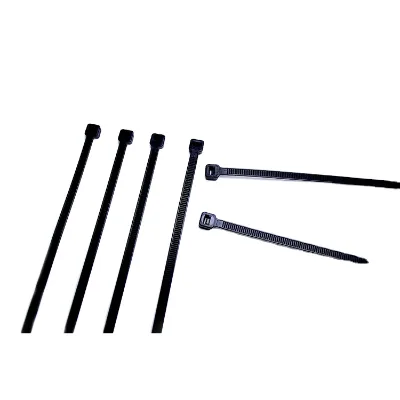
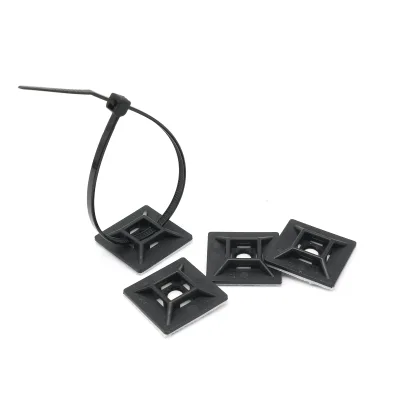
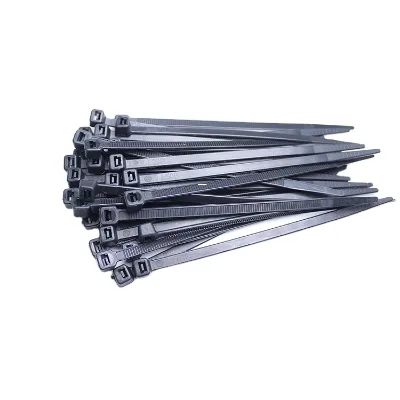
Comprehensive Sourcing Guide
Industrial Electrical Cable Ties Sourcing Guide
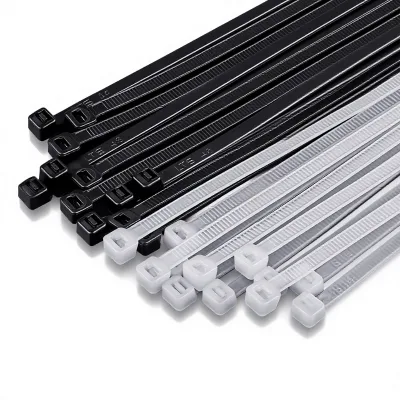
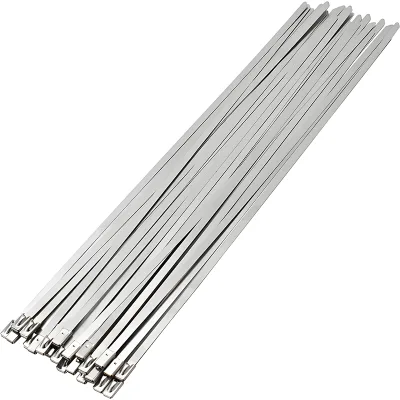
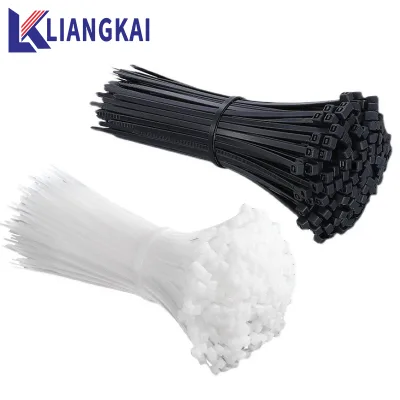
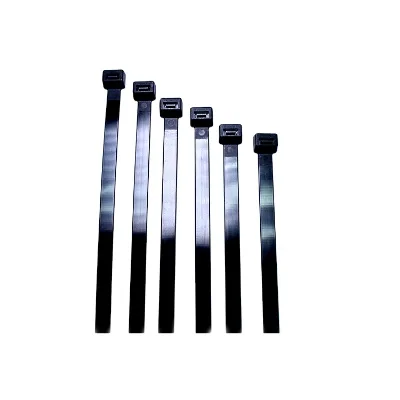
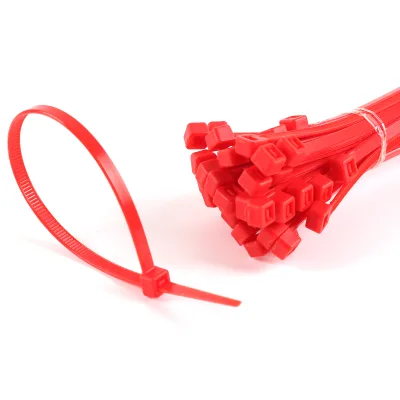
Procuring Industrial Electrical Cable Ties requires a clear understanding of material science and application-specific demands. Buyers must distinguish between standard nylon variants and high-performance stainless steel options, as each serves distinct environmental and mechanical roles. The market offers a wide spectrum of products, from basic black nylon ties to specialized self-locking metal fasteners, necessitating careful selection based on tensile strength and chemical resistance.
This guide outlines the critical verification steps for sourcing these components. It focuses on interpreting listing signals, verifying technical specifications, and ensuring compliance with international safety standards. By adhering to these procurement principles, buyers can mitigate supply chain risks and secure reliable fastening solutions that meet rigorous industrial requirements without relying on unverified marketing claims.
Product Scope and Observed Listing Signals
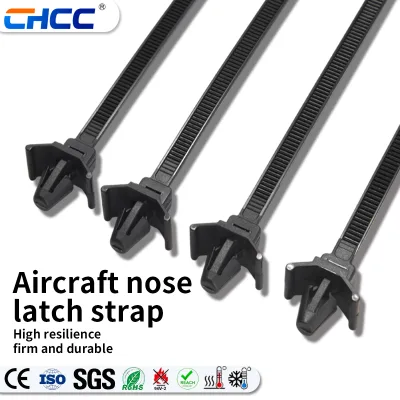
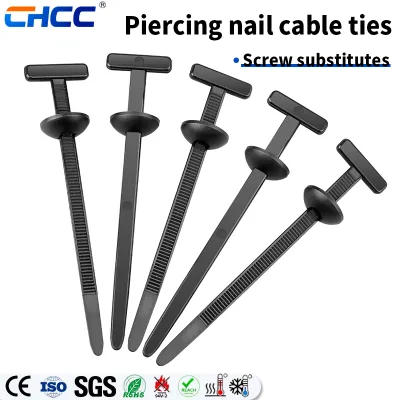
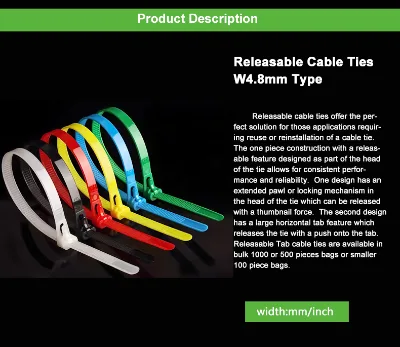
The current market landscape for Industrial Electrical Cable Ties reveals a diverse range of product types, primarily categorized by material composition and locking mechanism. Listings frequently highlight self-locking cable ties made from stainless steel or premium virgin nylon PA66, indicating a strong demand for durable, high-load-bearing solutions. Buyers should observe that product models vary significantly, with specific identifiers like DY-CT-C18 or BD-HD-Series-2026 denoting distinct manufacturing lines and feature sets.
Observed listing signals also emphasize customization capabilities, with suppliers offering various widths, lengths, and packaging options. The presence of attributes such as "Any Length" and "Customized Package" suggests that buyers can tailor orders to specific project needs. However, procurement teams must verify these claims against actual inventory capabilities, as not all listed variations may be available for immediate shipment or may require different minimum order quantities.
Technical Specifications to Verify
Technical verification begins with assessing the material grade and physical dimensions of the cable ties. For nylon-based products, buyers should confirm the use of 100% virgin PA66, which offers superior heat resistance and UV stability compared to recycled materials. Stainless steel variants require verification of their fire rating, with some listings indicating a 94V rating, ensuring safety in high-temperature environments. Widths typically range from 1.9mm to 15mm, allowing for precise bundling of cables of varying diameters.
Load-bearing capacity is another critical specification, with high-performance ties capable of supporting up to 114kg (250lbs). Buyers must also check the operating temperature range, which often spans from -30°C to 80°C for standard nylon ties, ensuring suitability for outdoor or industrial applications. Additionally, the tensile strength and cold resistance properties should be validated through supplier documentation to prevent failure in extreme weather conditions or heavy-duty industrial settings.
Compliance and Safety Documentation
Compliance with international standards is essential for industrial electrical components, particularly those used in export markets. Buyers should request documentation confirming certifications such as CE, ISO, RoHS, and SGS, which indicate adherence to quality and environmental regulations. For products destined for the European Union or the United States, RoHS and REACH certification is crucial, ensuring that the materials are free from hazardous substances and safe for long-term use.
Safety ratings, such as UL 94V-2 flammability standards, provide additional assurance regarding the fire resistance of nylon cable ties. Buyers must verify that these certifications are current and applicable to the specific product models being ordered. It is also important to confirm that the manufacturing process, such as high-speed precision injection molding, aligns with the claimed quality standards to ensure consistent performance and reliability across large production batches.
Cost Drivers and Commercial Terms
Several factors influence the cost of Industrial Electrical Cable Ties, including material type, customization requirements, and order volume. Stainless steel ties generally command a higher price due to the cost of raw materials and more complex manufacturing processes. Conversely, standard nylon ties are more cost-effective, especially when ordered in bulk. Buyers should note that observed price ranges can vary significantly, from as low as $0.01 to over $10 per unit, depending on the specific product attributes and quantity.
Minimum order quantities (MOQ) and lead times are also key commercial terms to negotiate. While some suppliers offer low MOQs starting at 1 piece, others may require orders of 1000 pieces or more to achieve competitive pricing. Delivery times can be as short as two days for standard items, but customized products may require longer production periods. Buyers should clarify these terms upfront to avoid unexpected delays or cost overruns during the procurement process.
Supplier Qualification and Quality Control
Supplier qualification involves verifying the manufacturer's production capabilities and quality control systems. Buyers should prioritize suppliers with established facilities, such as those located in Zhejiang, China, which are known for their manufacturing expertise in cable ties. It is important to confirm that the supplier uses high-quality raw materials, such as lead-free virgin nylon, and employs precise manufacturing techniques to ensure product consistency.
Quality control measures should include regular testing of tensile strength, fire resistance, and environmental durability. Buyers should request sample orders to physically inspect the product quality before committing to large-scale purchases. Additionally, verifying the supplier's ability to provide customized packaging and branding options can enhance supply chain efficiency and brand recognition for the end product.
Long-Term Procurement Checks
Long-term procurement success depends on establishing a robust supplier relationship and continuous performance monitoring. Buyers should conduct periodic audits of supplier quality control processes to ensure ongoing compliance with agreed-upon standards. Regular communication regarding product updates, material changes, or certification renewals helps maintain alignment between buyer expectations and supplier capabilities.
It is also advisable to diversify the supplier base to mitigate risks associated with supply chain disruptions. Maintaining a list of qualified alternative suppliers ensures continuity of supply in case of primary supplier issues. Finally, tracking performance metrics such as delivery reliability, defect rates, and customer service responsiveness allows buyers to make data-driven decisions about future procurement strategies and supplier partnerships.
FAQs
What certifications are available for Industrial Electrical Cable Ties?
Industrial Electrical Cable Ties typically carry CE, ISO, RoHS, SGS, and CCC certifications. These credentials ensure compliance with international safety and environmental standards. Buyers should verify specific certification lists with suppliers to confirm suitability for export to regions like the EU or US, ensuring all regulatory requirements are met for the intended application.
Can Industrial Electrical Cable Ties be customized for specific projects?
Yes, customization is available for Industrial Electrical Cable Ties. Buyers can request specific lengths, widths, and packaging options to match their project needs. Some manufacturers offer OEM branding and customized package units, allowing for tailored solutions that fit unique operational requirements while maintaining standard quality and performance characteristics for reliable cable management.
What materials are used for Industrial Electrical Cable Ties?
Industrial Electrical Cable Ties are commonly made from premium virgin nylon PA66 or stainless steel. Nylon variants offer heat resistance and acid erosion endurance, while stainless steel provides superior strength for heavy-duty applications. These materials ensure durability in harsh environments, with nylon ties often rated for high load-bearing capacities up to 114kg.
What is the typical lead time for Industrial Electrical Cable Ties?
The typical lead time for Industrial Electrical Cable Ties is approximately two days for standard orders. However, this duration may vary based on order volume and customization requirements. Buyers should confirm specific delivery schedules with manufacturers, as factors like production capacity and shipping logistics can influence the final arrival date of the ordered cable ties.
What is the minimum order quantity for Industrial Electrical Cable Ties?
The minimum order quantity for Industrial Electrical Cable Ties ranges from 1 to 2100 pieces, depending on the supplier and product type. Some manufacturers set a standard MOQ of 1000 pieces, while others may accept smaller orders for testing or specific applications. Buyers should check individual supplier listings to determine the exact MOQ requirements for their purchase.
Where are Industrial Electrical Cable Ties typically manufactured?
Industrial Electrical Cable Ties are typically manufactured in China, with many factories located in Zhejiang province. This region is known for its robust manufacturing infrastructure and competitive pricing. Buyers sourcing from this area can access a wide variety of cable tie models, including self-locking types and stainless steel variants, ensuring diverse options for their needs.