Source Reusable Releasable Cable Ties for Industrial Use
Find 30 options for Reusable Releasable Cable Ties in nylon and stainless steel. Compare sizes, certifications like RoHS and CE, and packaging details to select the right fastening solution for your project; compare the available evidence and request quotations based on your requirements.
Updated
Key considerations
Products List


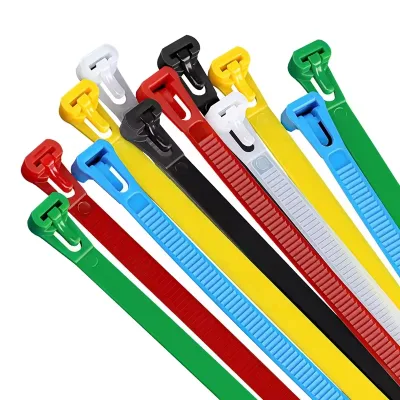



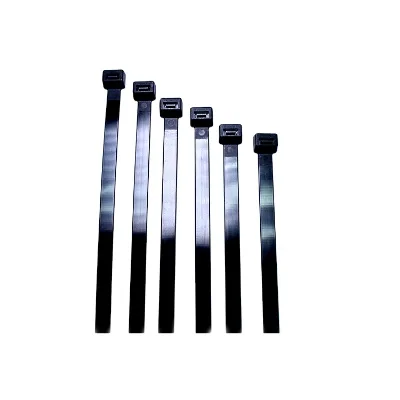
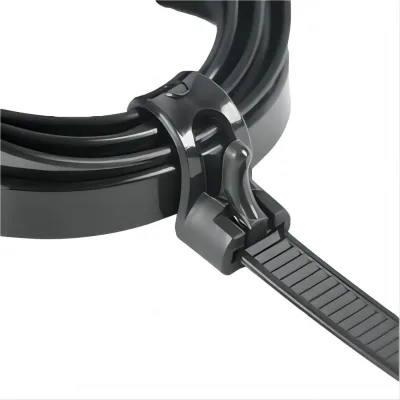
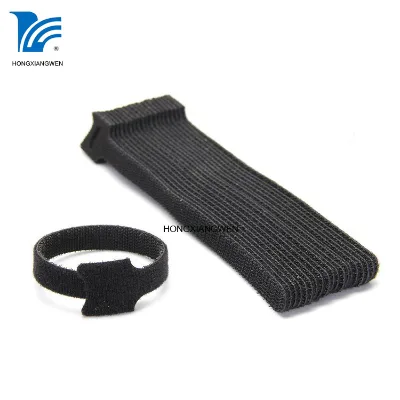
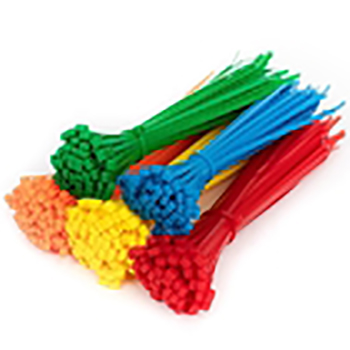

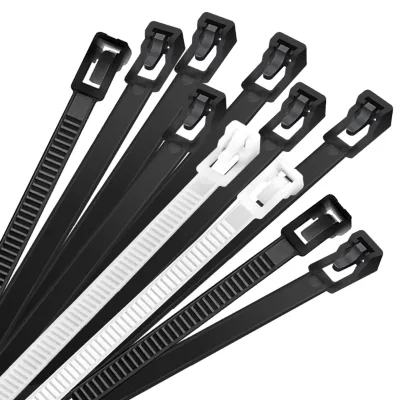
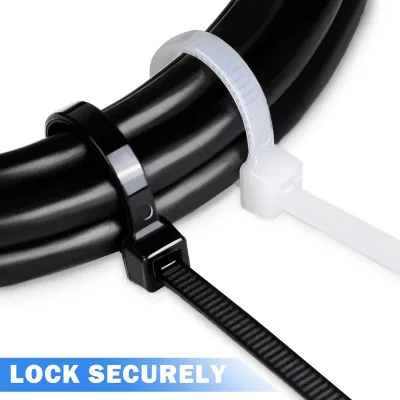
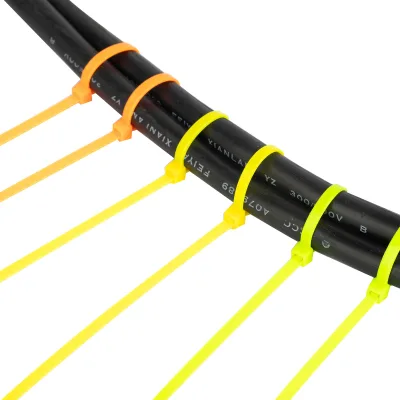
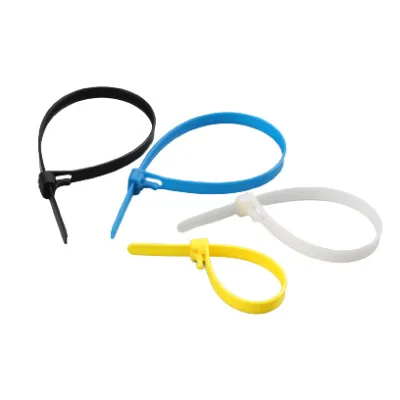
Hot Releasable Cable Ties 8*400mm Reusable Zip Tie Customized UV Plastic Ties
$1.69 - $15.87
MOQ: 1000 bags

Comprehensive Sourcing Guide
Reusable Releasable Cable Ties Sourcing Guide
Product Scope and Observed Listing Signals
The market for Reusable Releasable Cable Ties presents a diverse array of options, primarily characterized by their ability to be opened and closed repeatedly without damage. Buyers will encounter listings that specify the type as either releasable or self-locking, with the former being the primary focus for applications requiring frequent adjustments. The observed product range includes various materials, notably nylon and stainless steel, each offering distinct advantages in terms of flexibility and durability. Nylon variants are often highlighted for their flame retardant properties, with specific fire ratings such as 94V mentioned in several listings, indicating suitability for environments where fire safety is a concern.
Listing signals also reveal significant variation in customization options and physical specifications. Some suppliers offer fully customized solutions, while others provide non-customized standard items. The observed models include specific dimensions like 7.0x200mm, 7.0x250mm, and 7.0x300mm, alongside resealable options with precise measurements such as 300mm x 7.6mm. Colors range from white and green to black, allowing for visual organization in complex wiring setups. Additionally, packing methods vary from polybags with stickers to cartons, with some suppliers offering adjustments according to customer requirements, which is crucial for logistics planning.
Technical Specifications to Verify
When evaluating technical specifications, buyers must prioritize the material composition and its associated performance characteristics. Stainless steel cable ties are available for high-strength or outdoor applications, offering superior resistance to environmental degradation compared to their nylon counterparts. For nylon-based ties, verifying the flame retardant rating is essential, as listings indicate varying levels from normal to high, with specific references to 94V standards. The size specifications are critical for ensuring proper fit and tension; common sizes observed include 8mm and 10mm widths, with lengths ranging from 150mm to 300mm. Buyers should confirm that the selected model matches the bundle diameter and required holding strength for their specific use case.
The mechanical design of the releasable mechanism is another key technical factor. Unlike traditional self-locking ties, releasable ties allow for easy removal and reuse, which is vital for maintenance-heavy environments. Buyers should verify the locking mechanism's reliability to ensure it does not slip under vibration or tension. Some listings mention specific models like GMC002 or JHRUS, which may have unique structural features. It is also important to check the operating temperature range and UV resistance, especially for outdoor installations. Confirming these details with the supplier before placing an order helps prevent premature failure and ensures long-term reliability of the cable management system.
Compliance and Safety Documentation
Compliance with international standards is a non-negotiable aspect of sourcing cable ties, particularly for industrial and commercial applications. The observed listings frequently mention certifications such as RoHS, CE, ISO, SGS, and CCC, indicating adherence to various regulatory frameworks. RoHS compliance ensures that the materials used are free from hazardous substances, which is critical for environmental safety and market access in regions like the European Union. CE marking signifies conformity with health, safety, and environmental protection standards for products sold within the European Economic Area. Buyers should request valid certification documents to verify that the products meet the specific regulatory requirements of their target markets.
ISO certification, particularly ISO 9001, indicates that the supplier has a robust quality management system in place, which is a strong indicator of consistent product quality. SGS and CCC certifications provide additional layers of assurance regarding product safety and performance. For cable ties used in electrical applications, verifying compliance with relevant electrical safety standards is crucial to prevent fire hazards or electrical failures. Buyers should also inquire about any industry-specific certifications, such as UL listing, if the ties are intended for use in North American markets. Ensuring that all necessary documentation is available and up-to-date helps mitigate legal and operational risks associated with non-compliant products.
Cost Drivers and Commercial Terms
The cost of Reusable Releasable Cable Ties is influenced by several factors, including material type, quantity, and customization requirements. Stainless steel ties generally command a higher price than nylon ones due to the cost of raw materials and manufacturing complexity. The observed price range in the market is relatively low, indicating that these items are often purchased in bulk. Minimum Order Quantities (MOQs) vary significantly, ranging from as low as one piece to as high as 10,000 pieces, allowing buyers to scale their orders based on immediate needs and storage capacity. Buyers should negotiate MOQs to align with their consumption rates and avoid excessive inventory holding costs.
Commercial terms also play a significant role in the total cost of ownership. Suppliers may offer free samples, which is a valuable opportunity to test product quality before committing to a large order. Packing options, such as polybags or cartons, can affect shipping costs and handling efficiency. Some suppliers allow for customized packing according to customer requirements, which can optimize logistics and reduce waste. Lead times and shipping methods, such as sea freight from Shanghai, should be considered when planning procurement cycles. Buyers should clarify all terms, including payment methods and warranty policies, to ensure a transparent and fair transaction.
Supplier Qualification and Quality Control
Supplier qualification is a critical step in ensuring the reliability of the supply chain for cable ties. Buyers should verify the supplier's location, with many observed listings indicating origins in China, particularly Wenzhou City, a known hub for such manufacturing. Checking the supplier's business license and production capabilities helps assess their ability to meet demand consistently. Suppliers offering customization services should be evaluated on their flexibility and responsiveness to specific requirements. It is also important to review the supplier's track record and customer feedback to gauge their reputation for quality and service.
Quality control measures implemented by the supplier are equally important. Buyers should inquire about the supplier's internal testing procedures, including checks for tensile strength, flame retardancy, and dimensional accuracy. Some suppliers provide detailed specifications and models, which can be used as benchmarks for quality verification. Requesting pre-shipment inspections or third-party quality audits can provide additional assurance of product consistency. Establishing clear quality standards and communication channels with the supplier helps in promptly addressing any issues that may arise during production or delivery.
Long-Term Procurement Checks
Long-term procurement success depends on continuous monitoring and evaluation of supplier performance. Buyers should establish key performance indicators (KPIs) such as on-time delivery, product defect rates, and responsiveness to issues. Regular audits of the supplier's quality management system can help identify areas for improvement and ensure ongoing compliance with standards. Building a strong relationship with the supplier can lead to better pricing, priority service, and access to new product developments. Buyers should also stay informed about market trends and technological advancements in cable tie materials and designs to make informed sourcing decisions.
Risk management is another crucial aspect of long-term procurement. Diversifying the supplier base can mitigate the risk of supply disruptions due to geopolitical events, natural disasters, or production issues. Buyers should maintain a buffer stock of critical cable tie models to ensure continuity of operations. Regularly reviewing contract terms and negotiating favorable conditions can help protect against price fluctuations and other market risks. By proactively managing these aspects, buyers can ensure a stable and cost-effective supply of Reusable Releasable Cable Ties for their ongoing needs.
FAQs
What certifications are available for Reusable Releasable Cable Ties?
Reusable Releasable Cable Ties typically carry RoHS, CE, ISO, SGS, and CCC certifications. These standards ensure compliance with international safety and environmental regulations. Buyers should verify specific certification documents with suppliers to confirm that the products meet the required industry standards for their particular application and regional market requirements.
Can I customize the packaging for Reusable Releasable Cable Ties?
Yes, customization is available for Reusable Releasable Cable Ties. Suppliers offer flexible packaging options such as polybags with stickers, cartons, or adjustments according to customer requirements. Standard packing might include 100 pieces per polybag, but buyers can request specific dimensions or quantities to suit their logistics and storage needs.
What materials are used for Reusable Releasable Cable Ties?
Reusable Releasable Cable Ties are commonly made from Nylon or Stainless Steel. Nylon versions often feature a 94V flame rating and come in colors like white, green, or black. Stainless steel options provide high durability and corrosion resistance. The material choice depends on the environmental conditions and mechanical strength required for the installation.
What specifications are available for Reusable Releasable Cable Ties?
Specifications include various sizes such as 7.0x200mm, 7.0x250mm, and 7.0x300mm. Resealable models are available in dimensions like 300mm x 7.6mm or 200mm x 4.8mm. All sizes are generally available, allowing buyers to select the exact length and width needed for bundling cables of different diameters and quantities.
Where are Reusable Releasable Cable Ties manufactured?
Reusable Releasable Cable Ties are primarily manufactured in China, with specific origins noted in Wenzhou City. The products are shipped via major ports like Shanghai. Buyers can source these items directly from Chinese suppliers who offer various certifications and customization options to meet international quality and delivery standards.
What is the typical MOQ for Reusable Releasable Cable Ties?
The minimum order quantity for Reusable Releasable Cable Ties ranges from 1 to 10,000 units. This wide range allows both small trial orders and large bulk purchases. Buyers should confirm the specific MOQ with the supplier, as it may vary based on the product model, material, and customization requirements requested.