Source Inverter DC ARC Welding Machine for Steel Power Metallurgy
Source 30 inverter DC arc welding machines from verified suppliers. Compare models like ARC 315ST and MMA series with features including air cooling, 60% duty cycle, and CE certification for steel, power, and shipbuilding applications; compare the available evidence and request quotations based on your requirements.
Updated
Key considerations
Products List


Good Quality 220V Small Size Industrial Inverter DC Arc 120 Welding Machine
$65.00 - $80.00
MOQ: 50 Pieces


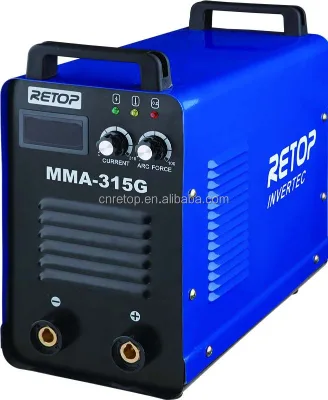
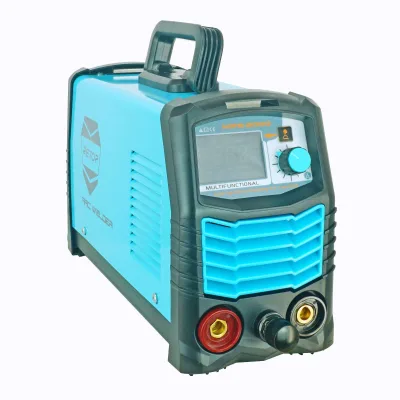
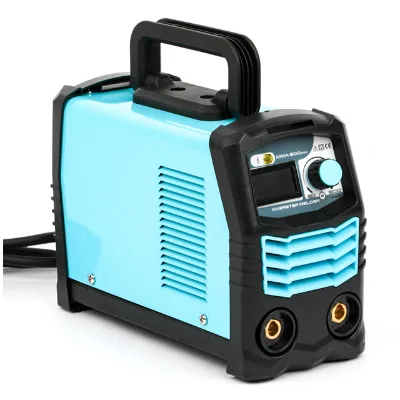
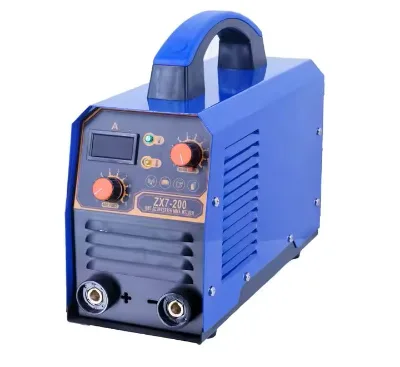


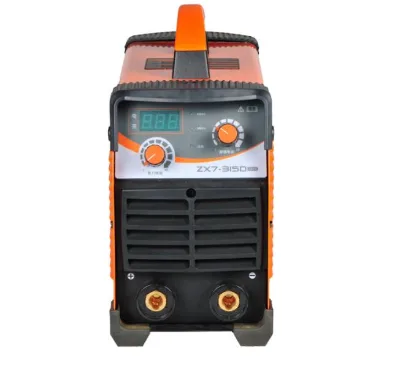
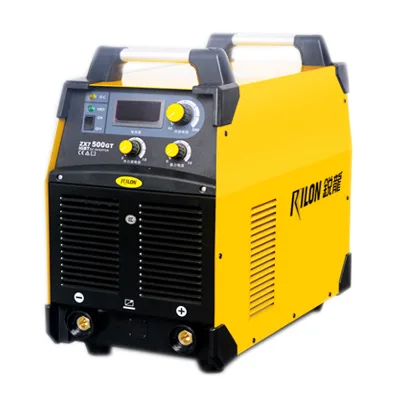
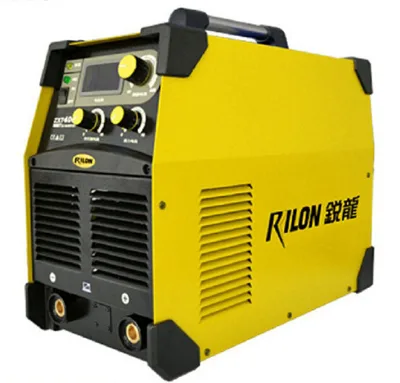
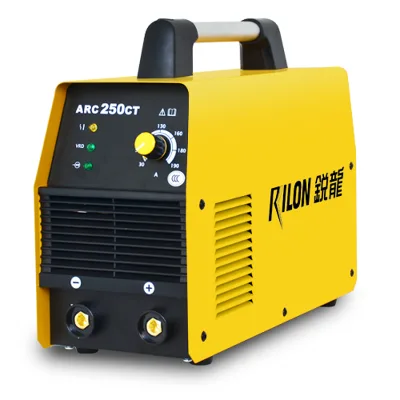
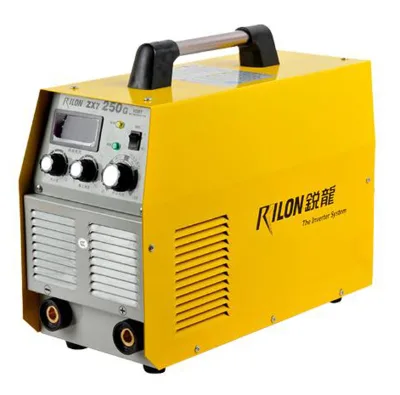
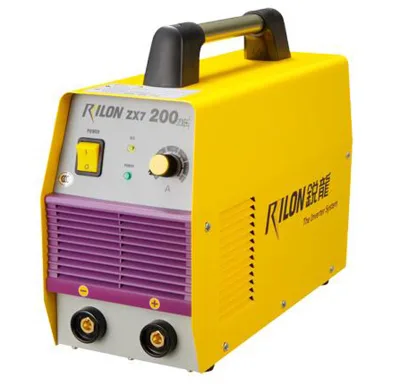
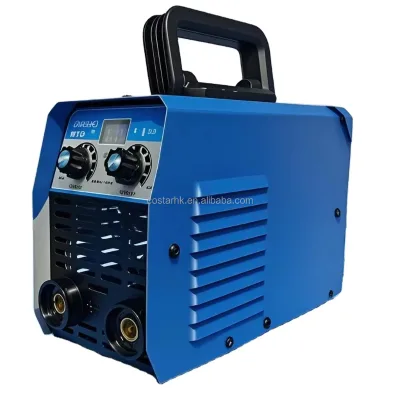
Comprehensive Sourcing Guide
Inverter DC ARC Welding Machine Sourcing Guide
The Inverter DC ARC Welding Machine market presents a diverse array of portable units designed for manual metal-arc applications across heavy industries. Buyers observe a wide spectrum of models, ranging from compact MMA-80 units to high-capacity ARC 315ST and ARC 400G variants, each tailored for specific plate thicknesses and duty cycles. These machines typically feature air cooling and inverter technology, ensuring efficient operation in steel, electric power, and shipbuilding sectors where reliability is paramount.
Procurement decisions must account for significant variations in physical dimensions and electrical characteristics found in current listings. While some units measure approximately 550 by 320 by 425 millimeters, others are significantly smaller, such as those with dimensions around 34 by 23 by 27 centimeters. Sourcing strategies should prioritize verifying the specific current range, such as 30 to 315 amperes or 20 to 220 amperes, to ensure the selected equipment matches the intended welding thickness and operational frequency requirements.
Product Scope and Observed Listing Signals
Buyers should analyze the observed price range of 15.78 to 120,000 USD to understand the market segmentation between entry-level portable units and industrial-grade systems. This vast disparity often reflects differences in power capacity, duty cycle ratings, and the inclusion of advanced features like high-frequency arc starting or specific cooling mechanisms. Understanding these signals helps in filtering listings to find equipment that aligns with the specific budget and performance needs of the project.
The minimum order quantity (MOQ) for these machines varies between one and fifty units, offering flexibility for both single-unit replacements and bulk procurement for large-scale operations. Sourcing teams must verify if the listed MOQ applies to the specific model variant, as some suppliers may enforce higher thresholds for customized colors or specific packing requirements. This flexibility allows buyers to test smaller batches before committing to larger orders, mitigating the risk of overstocking or under-specifying equipment for their workforce.
Technical Specifications to Verify
Verification of the duty cycle is critical, as observed listings frequently cite a 60% rating, which dictates the machine's ability to sustain continuous welding without overheating. Buyers must confirm that the specified duty cycle applies to the intended amperage output, as performance often degrades at higher current levels. Ensuring the machine can handle the required workload within the specified thermal limits prevents downtime and extends the operational lifespan of the equipment in demanding industrial environments.
Electrical parameters such as the no-load voltage of 60V and power factor of 0.93 are essential for assessing energy efficiency and compatibility with existing power infrastructure. The electric current type is predominantly DC, utilizing inverter IGBT technology to provide stable arc characteristics for various electrode types. Procurement teams should cross-reference these specifications against the plate thickness capabilities, typically ranging from 2.0 to 4.0 millimeters, to ensure the machine delivers sufficient penetration and weld quality for the target materials.
Compliance and Safety Documentation
Safety compliance is a primary concern, with many listings indicating adherence to CE and CCC standards alongside SGS certification. Buyers must request valid certificates for the specific model being purchased, as standards like IEC 60974-1 provide a framework for safety but require specific product testing to be fully applicable. Verifying that the documentation matches the actual unit prevents the acquisition of non-compliant equipment that could pose safety risks or fail regulatory inspections in the destination market.
Documentation regarding machinery test reports and after-sales support services is equally vital for long-term operational safety and maintenance. Suppliers offering online support and providing test reports demonstrate a commitment to quality assurance and post-purchase reliability. Buyers should ensure that the warranty period, often listed as one year, is clearly defined in the contract and that the supplier has a verified track record of honoring these commitments to protect against premature equipment failure.
Cost Drivers and Commercial Terms
The total cost of ownership is influenced by factors such as customization options, including color and size, which can significantly alter the base price of the unit. While standard export cartons are common, specialized packing requirements may incur additional fees that impact the final commercial terms. Buyers should negotiate these variables early in the process to avoid unexpected costs that could erode the budget allocated for the initial equipment purchase.
Lead times and shipping logistics are further cost drivers that depend on the origin of the product, with major manufacturing hubs in Shenzhen and Taizhou serving as primary sources. The distance from these locations to the buyer's facility will affect freight charges and delivery schedules, necessitating careful planning to align with project timelines. Understanding these logistical variables allows procurement teams to optimize their supply chain strategy and minimize delays associated with international shipping.
Supplier Qualification and Quality Control
Supplier qualification should focus on verifying the origin of the machinery, with Shenzhen and Taizhou identified as key production centers for these inverter welding machines. Buyers must assess the supplier's capacity to provide machinery test reports and their ability to maintain consistent quality across different model lines, such as the ARC 361X or MMA-250 series. A supplier's ability to deliver consistent performance across their product range is a strong indicator of their manufacturing maturity and quality control systems.
Quality control processes should include a review of the supplier's after-sales service capabilities, particularly their provision of online support and warranty fulfillment. The presence of key selling points like ease of operation suggests a focus on user-friendly design, but this must be backed by robust technical support to resolve any operational issues quickly. Buyers should prioritize suppliers who demonstrate a clear commitment to customer satisfaction through responsive service channels and transparent communication regarding product performance.
Long-Term Procurement Checks
Long-term procurement strategies must include regular audits of the supplier's ability to maintain stock levels and provide consistent product specifications over time. As the market evolves, buyers should ensure that the supplier can continue to meet the specific technical requirements, such as the 30 to 315 ampere current range, without compromising on quality or delivery schedules. This proactive approach helps in maintaining a stable supply chain and avoiding disruptions caused by sudden changes in product availability or specifications.
Continuous evaluation of the equipment's performance in the field is essential for validating the initial selection and identifying any potential issues early. Buyers should track the duty cycle performance and cooling efficiency of the machines in real-world conditions to ensure they meet the expected operational standards. Establishing a feedback loop with the supplier allows for timely adjustments to the procurement strategy and ensures that the equipment continues to meet the evolving needs of the steel, metallurgy, and shipbuilding industries.
FAQs
What is the duty cycle for the Arc315st inverter welder?
The Arc315st model features a 60% duty cycle, ensuring reliable performance during extended welding sessions. This specification allows for continuous operation at rated current without overheating. The unit utilizes air cooling and operates as a portable manual metal-arc welder, making it suitable for various industrial applications requiring stable power output.
Can I customize the color and size of the welding machine?
Yes, customization is available for both color and size to meet specific branding or operational needs. The product page indicates that color can be customized, and size options are listed as customized. Buyers should contact suppliers directly to discuss specific requirements for dimensions and aesthetic preferences to ensure the final product matches their standards.
Which certifications do the inverter welding machines hold?
The welding machines hold CE, CCC, and SGS certifications, ensuring compliance with international safety and quality standards. These certifications verify that the products meet rigorous testing protocols for electrical safety and performance. Buyers can rely on these documented standards when sourcing equipment for regulated industries such as steel, electric power, and shipbuilding applications.
What is the current range for the MMA-80 model?
The MMA-80 model offers an arc current range of 20-220A, suitable for various welding tasks. This inverter IGBT welding machine provides precise control for different material thicknesses. With a small size and iron core work form, it is designed for easy operation and portability, making it ideal for field work or small-scale industrial projects requiring versatile current settings.
Where are these inverter welding machines manufactured?
These inverter welding machines are manufactured in Shenzhen, China (Mainland) and Taizhou. The origin location ensures access to established supply chains and manufacturing expertise. Buyers can expect standard export cartons or carton box packaging for safe transit. The products are designed for applications in metallurgy and shipbuilding, reflecting the industrial capabilities of the manufacturing regions.
What after-sales support is provided for the welding equipment?
Online support is provided as the primary after-sales service for the welding equipment. This ensures that technical assistance is available remotely to address operational issues or maintenance queries. Additionally, machinery test reports are provided to verify performance before shipment. The warranty period is typically one year, offering buyers confidence in the product's durability and reliability.